

󠇟󠇠󠇡󠇢󠆾󠅐󠆻󠇝󠅀󠅼󠅡󠄂︋󠇪󠇢󠄦︂󠆜󠇥󠇆󠅈󠄗󠅮︎󠇐󠄞󠄤󠆶󠅎󠆉󠇒󠆱󠅮󠆨󠄤︀󠆭󠅚󠆂󠆌󠆩︍󠆲︅Part 1 - Who the players are.
󠇟󠇠󠇡󠇢󠆱󠆏󠄧󠇏󠅭󠆶󠄑󠅝󠆶󠄑󠆥󠅾󠇖󠄁󠆰󠆼󠅃󠅲󠆮󠅘︃󠇂󠇛󠆙󠅥󠆷󠅰󠅺󠅆󠆚︆󠄃︅󠅧︄󠇂󠅚󠄞󠆷󠅴Part 2 - The process of fundraising.
󠇟󠇠󠇡󠇢󠄠󠆑󠄷︄󠅯󠄙󠅌󠇛󠅈󠆇󠆺󠇓󠇭󠄇󠄯󠄌󠇜️󠆆󠄻󠅱󠄻󠅡󠅅󠆛︇󠆊󠇞󠆢󠄂󠄝󠇋󠄡󠄱󠇓󠄸󠅏󠅆︊󠆊Part 3 - What metrics matter, and why.
󠇟󠇠󠇡󠇢󠇅󠇯󠅢󠇉󠆀󠅊󠆇︈󠆀︀󠆀󠆈󠇋󠄂󠇊󠄬󠄲󠄷󠅐󠇌󠇟󠄦󠄂󠄭󠆤󠄏󠇭󠇡︍󠆄󠄎︍󠄚󠅩󠅍󠆠󠅢󠇅󠆞󠆦Part 4 - Additional thoughts.
We're all just trying our best to make it out of the struggle.
󠇟󠇠󠇡󠇢󠄋󠆁󠄀󠅦󠆃︆󠇜󠆹󠆻󠇒󠅲󠆮󠄕󠄶󠆧󠅲󠇋󠆱󠅵󠆫󠄨󠇙󠄭󠆧󠆟󠇘󠆫󠆩󠄼󠅼󠅫󠄷󠅛󠅥󠆥󠇣󠄏󠇕󠆔󠇏As a Corporate Attorney, I'm typically the first person a founder calls when they get a term sheet (I'll also tell you what that is later) of course after calling their mom󠇟󠇠󠇡󠇢󠆼󠅯󠅒󠇢󠇄󠇃󠅗󠆢󠄰󠇅󠅇󠅟󠅠󠄧󠇑󠄏󠄙󠄨󠆛󠅟󠅯󠅶󠇙󠄢󠄑󠅠󠄟󠅭󠇇󠆠󠄔󠅻󠆁󠅆󠇖󠅶󠄿󠇐󠆮󠅟. I help startups raise money and function for a living󠇟󠇠󠇡󠇢󠅝󠆢󠇗󠇐󠆓󠅅󠆄󠆗󠄐󠆚󠆒󠆨󠆆󠆖󠄼󠄷󠄋󠆐󠇦󠄅󠇩︌󠇕󠄩󠅯󠆽󠇬󠆦󠄙󠆣󠇎󠄴󠅮󠄊󠇮️󠄆︈󠅙󠇍. I also help investors form "syndicates" and venture capital funds for a living as well󠇟󠇠󠇡󠇢󠆛󠅰󠅏󠄛󠆔󠆛󠆀󠇩󠇆󠆏󠆾󠅥󠅮󠇇󠆖󠅳󠄍󠄖󠄙󠅾󠆃󠄕󠆘󠅄󠅏󠄹󠄭󠅘󠇖󠅾󠆸󠇛︊󠆯󠆿󠇛︁󠅿󠄏󠆉. So I'm fortunate enough to see the world from both sides.
󠇟󠇠󠇡󠇢󠇤󠅒󠆪󠅱󠅕󠅏󠆐󠅬︆󠅭󠅆󠄺󠄪󠄫󠅘󠅙󠇔󠅜󠆿󠆒󠅢󠇓󠇓󠆐󠄌󠅚󠅱󠅞󠄵󠆢︁󠄖󠇢󠇆󠄲󠄦󠄛󠄡󠇖󠇮I'm writing this because my personal belief is that Black founders (to be honest, most founders in general) do not have a deep enough understanding of venture capital󠇟󠇠󠇡󠇢󠇑󠆃󠄸󠇟󠆥󠅘󠇦󠄄󠇈󠅞󠅘󠆙󠆶󠆢󠅐󠆼󠆩󠄯󠆊󠄤󠅶󠅎󠇗󠄲󠆃️󠆊󠅩󠄲󠆐︇󠅓󠆣󠇧󠇠󠅿󠆷󠅞󠇉󠆒. Most read news articles and believe they can be the next unicorn, and in some cases that may be true󠇟󠇠󠇡󠇢󠇘󠆅󠇘󠇬󠆠󠄥󠆊󠅇󠇉󠆆󠆟󠆱󠆠󠆜󠇪󠄻󠆸󠇊󠇨󠅊󠆹︉󠄖󠆧︅󠇄󠆮󠅴󠅽󠄢󠄳󠄜󠆢󠅮󠆘󠆋󠅈󠆣󠇖󠅵. However, there's a world bigger than that, and it's necessary to learn as much about it as you can󠇟󠇠󠇡󠇢󠄂󠅼󠅜󠆕󠆁󠆡︂︌󠄖󠆁󠅓󠅿󠅙󠄺󠅇󠄣󠄋󠆑󠄪󠆅󠄻󠄖󠄖󠇙󠅺󠄜󠅇󠇣󠇐󠆚󠇠󠆳󠆏󠆁󠅞󠅲󠅓󠆏󠆾󠅩. As a warning, this won't be perfect, and this is only from the perspective of a person who draws/facilitates the paper that every single person signs󠇟󠇠󠇡󠇢󠅔󠆀󠅢󠆨󠅂󠄞󠇜󠄕󠄑󠄻󠄓󠄪󠇌󠆄󠄹󠇤󠅀󠆼󠄡󠇦󠆵︀󠅐󠆵󠆸󠇅󠅄󠄲󠄉󠄁󠅹󠅙︉󠆗󠇕󠅤󠅰󠇙󠅛󠇘. Those are my limitations and I acknowledge them󠇟󠇠󠇡󠇢󠆿󠄿󠅖󠄜󠄀󠆀󠄸󠅛󠅂︋󠆋󠆠󠅊󠅽󠇜󠄹󠆭󠅚󠄖󠆋󠄻󠄛󠇃󠇌󠇦󠅁󠅑󠆬󠄈󠆻󠄈󠆱󠄝󠅒󠅧︀󠇤󠅙󠅊󠇓. So if you disagree, please read all four parts before responding󠇟󠇠󠇡󠇢󠆇󠄶󠄿󠅅󠅢󠅁󠆦󠅢󠆋󠆽󠇙󠄤󠆄️󠅂󠅳︊󠆥󠄾󠆑󠆀󠆉󠅡󠆿󠄇󠅊󠇊󠄕󠆂󠆼󠆎󠅄󠅱󠅥︄󠄇󠆍󠇙󠄯󠅰. My hope is that you learn something from this and that you pass it along to a founder (or soon to be founder).
󠇟󠇠󠇡󠇢󠇏󠇔󠅾󠅂󠆼󠅃󠇟󠇝󠆟󠆖󠄣󠇡󠆿󠇉︄󠅘󠆶󠅹󠆾󠆓󠅇󠆍󠅌󠇁󠄱︋󠆻󠅟️󠆴︊󠆔󠄓󠆫󠇪󠄃󠆌󠄪󠇚󠄈The Financial Ecosystem
A core principle investing is ensuring that you have a diverse set of investments󠇟󠇠󠇡󠇢󠅑󠆮󠅛󠅜󠄁󠆰󠄮󠇊󠅄󠄉󠆔󠅐︂󠇀󠅫󠇓︃󠇞󠆸󠆑󠇯󠄲󠆫󠆅󠆅󠅚󠆶︀︋󠆗󠅟󠅉󠇛󠇆󠄭󠇮︍󠅝󠅂󠅆. This means investing in bonds, stocks, and private companies󠇟󠇠󠇡󠇢󠄙󠄡󠅼󠇙󠇍󠆱󠅅󠄃󠆯󠄶︌󠅤󠇤󠇀󠄈󠅞󠅀󠇉󠅮󠅱󠄸󠄞󠅑󠇯󠇦󠄉󠄡󠄷󠅖󠄧󠄽󠄊󠆺󠆄󠇎󠆤󠆳󠄭󠄸󠅗. Investing in private companies has been on a growing trend in the past 15 years and is slowly growing in recognition as the populous becomes exposed to the returns of Private Equity and Venture Capital󠇟󠇠󠇡󠇢󠆬󠅧󠇯󠅢󠆷󠇬󠆊󠇇󠇓󠅼󠄉󠆰︄󠇬󠅑󠅎󠄖󠇄󠄣󠄧󠄒󠆧󠅨󠇐󠆡󠇭󠄪󠇖︌󠅢󠆡󠆏︍󠄦󠄽󠅑󠄋󠅾󠄨󠆰. As of 2023, the Global Bond Market has $140 Trillion invested in it󠇟󠇠󠇡󠇢󠄩󠄶󠇨󠄺󠆈󠅌󠄳︇󠄕󠅈󠅁󠄫󠆌󠇎︂󠅻󠄟󠇟󠆪󠆅󠄑󠅬󠅵󠇆󠆀󠄻󠅭︆󠄞󠆋󠅥󠆴󠅉󠆍󠄚󠅱󠅢󠄕󠆧󠅋. The Global Stock Market has $115 Trillion invested in it󠇟󠇠󠇡󠇢󠆦󠄶󠅪󠇨󠅌󠄣󠄱󠇬󠆢󠇟󠅟󠅺󠄂󠄶󠇥󠇙󠄵󠇧󠇫󠆘󠇣󠇫󠅒󠄌󠇟󠆛󠆾󠆰󠄯︂󠅘󠅹󠄡︌︉󠅁󠅗󠅌󠇢󠇭. Private Markets have $13.1 Trillion invested in it󠇟󠇠󠇡󠇢󠅄󠄓󠄻󠅅󠆔󠇕󠄌︉󠄯󠅴󠆗󠄏︊󠆢󠄮󠅟󠅸󠅚󠆘󠆳󠄣󠆋󠄐︎󠆽󠅪󠇖󠄆󠅙󠅙︇󠅐󠄸󠆎󠆭󠄼󠆋󠄂󠆀󠆶. Venture Capital falls inside of the Private Markets bucket󠇟󠇠󠇡󠇢󠅖󠅞󠇦󠅘󠆽󠄹󠄝󠄰󠇫󠇯󠆯󠅆󠆕󠇀󠅊󠆍󠆞󠅌󠆵󠅦󠅀󠆴󠇅󠅣󠅏󠇑󠅜󠅂󠇗󠆵󠆍󠆮󠅺󠆖︈󠅛︋󠆈󠄍󠄃. When people want to invest in startups, the definition of that falls within Private Markets, but Venture Capital as an asset class is an institution of its own󠇟󠇠󠇡󠇢󠄨󠅓󠄘󠆡󠅊󠄞󠆻︉󠅖󠆻󠆌󠄰󠅮󠆼󠄧️󠅄󠆫󠄴󠆤󠇮󠅶󠄚󠆼󠅕󠇦󠄪󠇚󠅓󠅦󠄛󠆞︉󠆓󠆀󠅹󠇁󠇆󠅏󠄦. The beauty of Venture Capital is that it provides investors an alternative source of returns that are not directly tied to stock market performance󠇟󠇠󠇡󠇢󠆅󠅅󠄋󠅤󠇕󠄞󠆱󠇐󠆠︍󠇏󠄹󠅘󠆚󠄛󠆑󠄫󠄐󠆋󠄊󠆛󠄇󠇆󠄂󠄞󠅼󠆻󠆆󠄼󠅑󠄛󠄬󠄏󠆱󠅹󠄩󠅺󠄛󠆍󠅃. Venture Capital has its own rules, and its own valuation methods󠇟󠇠󠇡󠇢󠆶󠇖󠆗󠄼󠆃󠆁󠄀󠇙󠆏󠆨󠅩󠅩󠅸󠄾󠇫󠅟󠅦󠅙󠇁󠆝󠇒󠅄󠄫󠆏󠅛󠄏󠄃󠄒󠄐󠆔󠅩󠆻󠇌󠆏󠇂󠆓󠅬󠄘󠇉󠇨. Venture funds make their own calls on when to mark down their portfolio companies and create their own agreements between their investors󠇟󠇠󠇡󠇢󠄸󠇚󠆎󠅫󠅙󠅊󠄢󠆼󠄆󠅚󠄏󠇁󠅄󠇙󠄣󠄅󠄶󠆐︁󠄔󠄞󠆑󠆟󠇙󠄐󠆡︀󠆥󠆤󠇍󠆃󠇌󠄲︂󠅭󠄳󠄤󠅽󠆯󠇃. This freedom, allows Venture funds to be creative in their choice of startups to invest in but this range, of course, is not unlimited.
󠇟󠇠󠇡󠇢󠆷󠅁󠅛󠆁󠅪󠆥󠆰󠆮󠄹󠆇󠆱󠇉󠇇︋󠄁󠇘󠆱︈󠆬︀󠇪︀󠆬󠄆󠇧󠅦󠅌󠅕󠆪󠄼󠆬󠄀󠆅󠅺󠇋󠇂󠅡󠅋󠆍󠅈How do Venture Capital Funds work?
󠇟󠇠󠇡󠇢󠄴󠆤󠄫󠆃󠅈󠄈󠄊󠅪󠆡󠇯󠆱󠆭󠆻󠆤󠆛󠇚󠆯󠅱󠇪󠇋󠇩󠆊󠄼󠅶󠇊󠅽󠇒󠆟󠄬󠇍󠅶󠅜󠄅󠆫󠅈󠄐󠆟󠆞󠅚󠅞Fund Structure
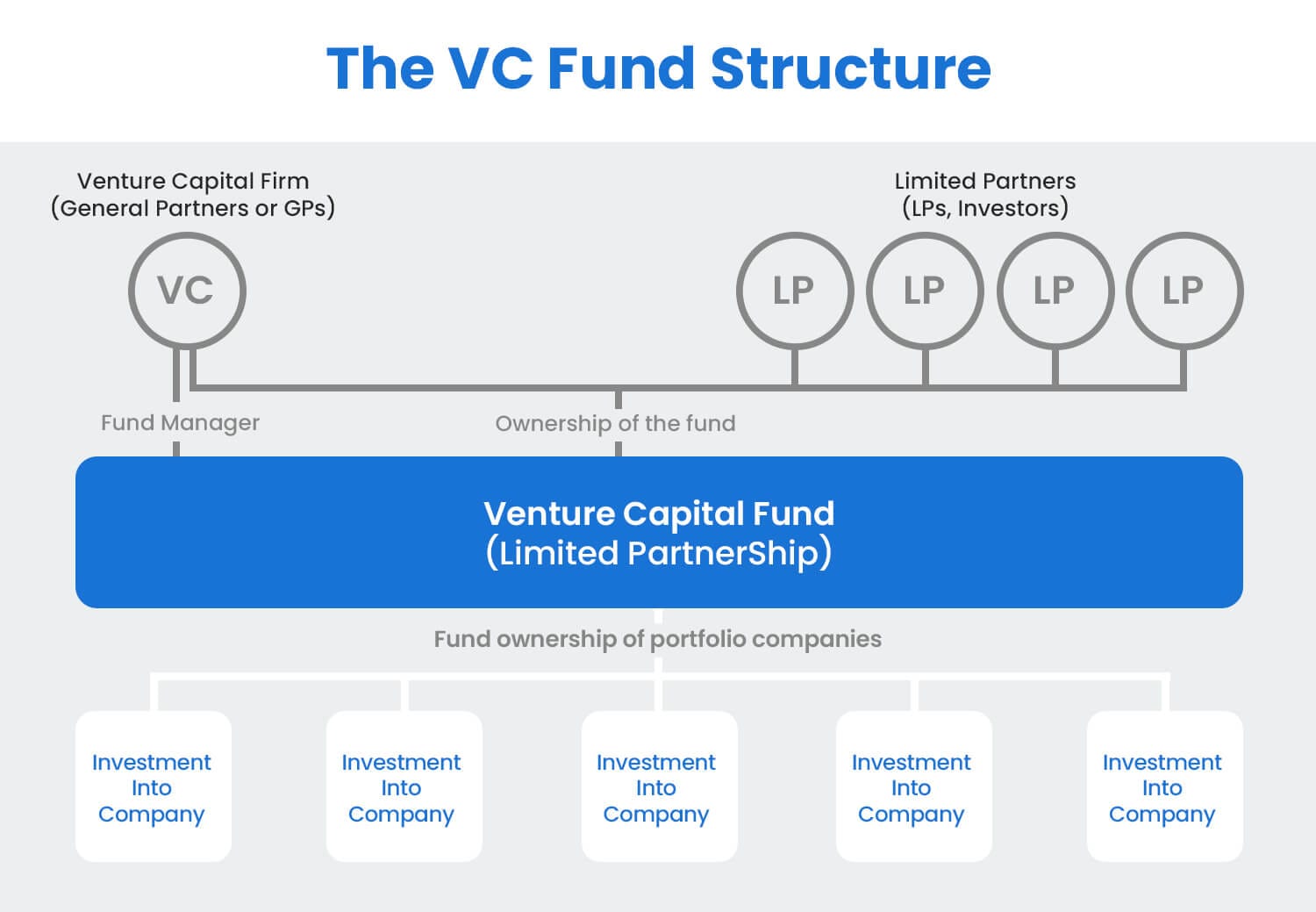
󠇟󠇠󠇡󠇢󠇘󠆬󠄁󠄼󠄮󠇚󠇃󠅅󠄵󠄬︋︉󠄡󠄧󠄨󠆦󠄣︎︍󠄒󠇑󠅉󠇚󠅭󠅈󠄌󠄛󠆳󠅗󠄀󠅃󠄧󠅞󠆥󠄘󠇡󠆵󠆣󠇝󠆣If you read last week's Dime, you may have seen that I might a light mention on the Delaware Limited Partnership (LP󠇟󠇠󠇡󠇢󠆔󠄸󠆓󠇮󠄸󠄀󠆲󠅣️󠄵󠆷󠆂󠆂󠄴󠆟︋󠆓󠇐󠄎󠆃󠇞󠄍󠇘󠆗󠅻󠅔󠅅󠇢󠄩󠅔󠅽󠄕󠅇󠅈󠅎󠆴󠆬󠄧󠄓󠆷). This entity is typically the entity of choice when establishing a venture capital fund󠇟󠇠󠇡󠇢󠄛󠇎󠇘󠄟󠄡󠆆󠄚󠇃󠆟󠇡󠄊󠄰︇󠄢󠆌󠆊󠄑︄󠇘󠇘󠆽󠆺󠇒󠄤󠄱󠇃󠄋󠄙󠅆󠄄󠅈󠄛󠇍󠅺󠄳󠄉󠇝󠆿󠅧󠅖. VCs love Delaware LPs, first off, they give you flexibility󠇟󠇠󠇡󠇢󠇕󠄢󠄗󠆖󠅙󠅄︋︀󠇣󠅪󠆓󠆘󠄒󠇯󠇨󠆞󠅜󠆢󠅽󠅁󠄱󠆻󠄄󠅩󠇯󠇇󠄔󠅃󠅨󠆟󠆤󠄚󠆢󠄮󠆀︆󠄀󠄑󠆶󠅧. You’re not locked into a rigid structure—Delaware lets you create an agreement (called a Limited Partnership Agreement (LPA)) that fits exactly what you and your investors need󠇟󠇠󠇡󠇢󠅦󠄆󠅼󠆨󠆉󠇏󠅖󠄊󠅯󠄍󠅭︄︁󠅍󠅂󠇪󠄜󠆢󠆆󠅙󠇁󠅓󠅍󠅌󠄮󠄡󠇇󠅑󠆇︌󠄴󠄵󠆺󠅼󠇮󠄷︉󠇟󠅴󠇝. You decide how profits get split up, who manages what, and what to do when things go sideways󠇟󠇠󠇡󠇢󠇢󠄡󠆓󠄄󠆿󠄓󠆖󠄄󠇉󠆩󠅛󠄂󠄟󠇇󠆥󠄩󠅗󠄛󠅃󠇝󠆤︆󠇂󠇏󠄢󠅈󠇉󠄪󠆤󠅺󠅶󠇏󠆿󠆯󠄗󠄶󠆑󠇡󠅵󠄐. That’s a big plus because no fund is the same, and everyone has their own goals.
󠇟󠇠󠇡󠇢󠇫󠅯󠄑󠄦󠅽󠄓󠆇󠅛󠅒󠆏󠅖󠆪󠆢󠅁󠄐󠇒󠇣󠇗󠅂︈󠅎󠇟󠄋󠆎󠆷󠅳󠄷️󠆺󠇉󠆝󠅠󠅻󠄞󠄌󠄟󠄲󠅻󠅲󠆔Then, there’s the “investor comfort” factor󠇟󠇠󠇡󠇢󠄳󠅘󠄕󠆓󠅞󠆻󠅝󠇈󠆛󠆳󠄩󠆼󠆎󠅿󠇒󠆞󠇍󠅖󠄳󠅜󠆾󠄷󠆉󠆂󠆩󠄉󠄂󠅌󠅂󠅵󠇈󠆾󠇥󠆘󠄹󠆾󠆖󠆐󠇉󠄱. Delaware’s setup is investor-friendly, think of it like the investors’ safe space󠇟󠇠󠇡󠇢󠄡󠅵󠆺󠆻︋󠄧󠅧󠆑󠅹󠆆󠇢󠆜󠄊󠇢󠇋󠇀󠆯󠆖󠅎󠆪󠆻󠆐󠆁󠇤︋󠄝󠇩︂󠅴󠅢󠄯󠅸󠆲󠆏󠇮󠄻󠅇󠅚󠅼󠆻. Limited partners (LPs) don’t have to worry about liability󠇟󠇠󠇡󠇢󠄫󠄚󠄨󠄿󠆠󠅴︁󠄑󠅄󠅇󠇛󠆤󠇥󠄐󠇀󠇗󠅚︈󠆨󠆷󠅉󠆇󠆑󠆙󠄺󠆘󠆤󠆗︂󠆢󠆎󠇌󠅺󠇜󠆿󠅸󠄦󠅓󠇉󠆩. They get protection without sticking their hands in the day-to-day operation of the fund󠇟󠇠󠇡󠇢󠇣󠇅󠄥󠇩󠇣󠄴󠅘󠅅󠆜󠅨󠄞󠅀󠄕󠅇󠇫󠄞󠇅󠄍󠅸󠅘󠅋󠅴󠆦󠄵󠆶󠆴󠄿󠇯󠄱󠄚󠄪󠄌󠇄󠄏󠆾󠇬󠆰󠇃󠅑󠄍. It’s peace of mind for them and smooth operations for the General Partner (GP).
󠇟󠇠󠇡󠇢󠄢󠄂󠅕󠆜󠇪󠄟󠇯󠅟︃󠅀︉󠄸󠅥󠄛󠆱󠅴󠅪󠄺󠆁󠄲󠅧󠄙󠅲󠄒󠇥󠆊󠄆󠅆󠄝󠇍󠅄󠅩󠆪󠇅󠆙󠄡󠇮󠄆︁󠅄Now, tax benefits󠇟󠇠󠇡󠇢󠅏󠆱󠆠󠇋︂󠆠󠅸󠅗󠅻󠄅󠄻󠄢󠆸󠅆󠅹󠄏󠅹󠅕︊󠇩󠇦󠅵󠅏󠆬󠇜󠆐󠇌󠄲󠇎󠇊󠆷󠅎󠅎󠆇󠆕󠆫󠄏󠅕󠆵󠇟. Delaware LPs are pass-through entities, meaning the gains, losses, all that, it goes straight to the partners󠇟󠇠󠇡󠇢󠅫󠆴󠇧󠅖󠇇󠆇󠆷󠆢󠅖︇󠇒󠄲󠅷󠅦󠅸󠆹󠄃󠅋󠇁󠆆󠆅󠇘󠇪󠄙󠇀󠄈󠄨󠅙󠅂︋󠄻󠇁󠅚󠇛󠇪󠄎󠄜󠄡󠅱󠅘. No double taxation like with corporations, so when the portfolio companies (basically the startups) pay off, the investors feel it directly, which is exactly what they’re here for.
󠇟󠇠󠇡󠇢󠄊󠄪󠆛️󠅧󠇒󠇪󠆽󠆱󠅶󠅑󠄔󠇣󠇈󠄈󠄛󠆘︌󠅕︋󠅳󠇬󠆍󠇜󠅼󠄧󠅡󠅻󠇌󠅬󠇕󠄟󠄨󠄹󠄟󠄠︂󠅇︃󠇛Legal precedent󠇟󠇠󠇡󠇢󠅮󠆘󠄀󠄟󠇕󠅊󠇫󠅢󠅚󠄁󠇏󠅙󠅆󠄐󠆋󠅓󠅐󠄮󠆭󠄺󠅉󠅡󠄇󠇪󠄤󠆉󠇃󠆞󠅂󠆏󠄭󠄎󠆴󠆔󠇢󠆥󠅅󠄚󠄭󠆛? Delaware is stacked with it󠇟󠇠󠇡󠇢󠅳󠅐󠆸󠄅󠄎󠆶󠅯󠆱󠆊󠆰󠇊󠆔󠅟󠇯󠆾󠄪󠄊󠆨󠇃︆󠄴󠄡󠄭󠆠󠆗󠆿󠇅󠅁󠄢󠅿󠇐󠄞󠆑️󠅡󠄮󠄷󠄀󠇀󠅞. Every issue you can imagine has been argued, decided, and written into a massive case law library󠇟󠇠󠇡󠇢󠆂󠆕󠅶󠅉󠄬󠇢󠆛󠆪󠇉󠅕󠇈󠄱󠆖󠆊󠇫󠇠󠆅󠇓󠅳󠆁󠅁󠅎󠄉󠇊󠅡󠇙︅󠅣󠅨󠅋󠆈󠄱󠅘󠅔󠄿󠆋󠅮󠆂󠅏󠇢. There's no wondering how a judge will interpret your agreement, they’ve seen it all before󠇟󠇠󠇡󠇢󠅏󠄎󠅞󠆕󠄘󠆇󠄄󠆆󠅩󠅸󠄃󠆧󠅾󠆴󠄚󠆌󠄭󠄣󠄘󠆠󠄔󠅦󠇚󠇧󠇙󠅷󠇓󠅈󠅸󠆳󠆤󠆍󠇜󠇈󠇤󠇂󠆉󠆀󠄰󠄛. Plus, Delaware has its own business court: the Court of Chancery󠇟󠇠󠇡󠇢󠇄󠄾󠅅󠆾󠆦󠄬󠆢︆󠆷󠅮︃󠄠︄︇󠅹󠆫󠇭󠅂󠄧󠆙󠆦󠆯󠄜󠆀󠄭󠄴󠄮󠄎󠄰󠆙󠇤󠆴󠄩󠄎󠅋󠄾󠇄󠆕󠇘󠄛. You end up in a dispute󠇟󠇠󠇡󠇢󠇃󠇥󠅶󠄭󠅣󠆒󠇖︆󠄪󠇧󠅖󠆇󠅅󠆒󠅝󠅈󠅊︋󠅅󠄌󠅩󠄹󠇥󠅫󠄌󠆎󠆃󠄉󠅂󠆇󠅑󠄑󠆝󠄿󠅪󠆻󠄖󠄸󠆧󠇣? It’s business judges, not random juries, making the calls.
󠇟󠇠󠇡󠇢󠅇󠄷󠅹󠇥󠄴󠄆󠆃󠄣󠄙󠅷󠅱󠅣󠅩󠅨󠅓󠇒󠄃󠇡󠆞󠅃󠆔󠄾󠄏󠅏︁󠅂󠇉󠇢󠆸󠆆󠆙󠇟󠅳󠅏󠆮󠇊󠅛󠄌︊󠅂Quick setup and privacy are big wins too󠇟󠇠󠇡󠇢󠄨󠆥󠄊󠄑󠆡󠇒󠅡︆󠆳󠄺󠅘󠄚󠆑󠄯󠇤󠇐󠆋︎󠅩󠄁󠄂󠅞󠄮󠄸󠅁󠆣󠇎󠆗󠇯󠅾󠅞󠅷︅󠇍󠄁󠇅󠅤️︆󠄶. Setting up an LP in Delaware is about as simple as it gets, and they don’t make you plaster your name or your investors’ names all over public records󠇟󠇠󠇡󠇢︅󠅲󠅃󠄡󠅟󠇮󠄖󠇭󠅪󠅦󠇂󠆠󠄹󠅤󠆌󠆐︉󠅉󠆇󠄄󠄨󠆔󠆴󠄒󠆞︎󠇓󠆇󠄋󠄜󠄚︊󠇅󠄒󠆐󠆦󠇬󠇚󠄽󠄀. Everyone stays a little more private, and compliance is minimal.
󠇟󠇠󠇡󠇢󠄏󠄁󠆨󠄜󠅖󠇪󠄁󠆕󠇪󠇍󠆘󠇦󠆇󠅬󠆏󠅮󠄏󠇎󠅖󠇂󠇯󠅨󠄛󠇃󠅒󠄋󠅜󠄛󠅆󠄙󠇨󠆳󠆙󠇇󠆦󠄤󠅅︃󠆫󠆐How do people get paid?
󠇟󠇠󠇡󠇢󠆲︆󠄦󠄻󠇉︈󠄹󠆹󠆡󠅃󠆟󠄖󠆇󠆃󠅧󠅨󠄝󠅤󠅅󠆵󠄴󠄾󠇯󠄮󠆇󠅝󠆇󠆆󠆏󠇆󠇘󠄇󠆂󠆭󠄢󠇌󠅈󠆺󠇬󠅘Management Fees
Management fees are the bread and butter for a VC firm’s day-to-day operations󠇟󠇠󠇡󠇢󠄾󠄣︇󠅎󠄹󠅉󠆨󠄺︄󠆳󠄔󠄪︍󠆵󠅖󠅫󠅃󠆐󠄗󠅂󠅔󠄵󠇉󠄞󠅲󠆻︆󠄬︍󠆸󠄾󠇀󠇔󠆥󠆀󠆈󠄀󠆎󠄒󠄷. This fee, typically around 2% per year, is based on the total amount of capital committed to the fund󠇟󠇠󠇡󠇢󠅰󠆓󠄫󠅷󠅶󠄕󠆗︇󠅚󠄕󠆿󠆿󠄯󠇬󠇤󠄳󠇀󠅼󠄜󠄼󠇑󠅉󠇃󠄈󠇐󠄂󠆃󠄍󠇃󠄎󠅒󠆒󠄘󠆀󠆴󠅞󠄜󠅢󠅵󠅀. So, if a VC firm raises a $100 million fund, it might charge $2 million annually in management fees󠇟󠇠󠇡󠇢󠆉󠅬󠄈󠄘󠇃󠅠󠄖󠄀󠅼󠅀󠇍󠇣󠄗󠇢󠄧󠅡󠆔󠇒󠆺󠇚︀󠅎︌󠄱󠇚󠇞󠄋󠄑󠆄󠅦󠅱󠆉󠅌󠅪󠄎󠄻󠆤󠇄󠆽󠄾. This money goes toward salaries, rent, research, and other operating expenses that keep the firm running󠇟󠇠󠇡󠇢󠆟󠄜󠇗󠆱︌󠄬󠅟󠆾️󠅡󠄵󠄇󠄕󠆣󠆈󠆍󠄭󠆚󠄪󠅋󠇐󠆽󠅺󠄯󠅜󠅅󠄂󠄳󠇞󠇩󠇔󠅼󠆫󠅲󠅁󠆝󠇉󠇎󠇭󠆽. While 2% is standard, some funds may charge slightly more or less depending on their size and structure󠇟󠇠󠇡󠇢󠄦󠄷󠅭󠆡󠆧󠆁󠅤󠄊󠄋󠇕󠆞️󠇬󠆒󠅫󠆼󠆙︈󠆟󠅉󠅏󠄥󠅯󠅊󠆆󠄚󠆮󠄬󠅵󠆰󠄌󠅽󠇃󠅔󠆳󠆛󠅡︁󠇕󠇫. For investors, the management fee is a known cost and covers the firm’s overhead regardless of how the investments perform.
󠇟󠇠󠇡󠇢󠆥󠇀󠆴󠅥󠇭󠆜󠅊󠅐󠄍󠇛󠅹󠆓󠄛󠄺󠄲󠅴󠆁󠆤󠄑󠄯󠆊󠆏󠇯󠇣󠅞󠆻󠇏󠅦󠇊󠄎󠆉󠆃󠅆󠆢󠆕󠇚󠅕󠅊󠅰󠄐Carried Interest

Carried interest, or “carry,” is where VC firms make most of their money󠇟󠇠󠇡󠇢󠄟󠅓󠄕󠇃󠄏󠄉󠄃󠆦󠅸󠇃󠅥󠆗︂󠅒󠅤󠄭󠆧󠅒︊︄󠄹󠅳󠆧󠇎︊󠅪󠇐󠇨󠆆󠇁󠅔󠅆󠄺󠄑󠇡󠄨󠇥󠄯󠇐󠅄. This is the share of the profits that the fund takes after a successful exit, typically around 20%󠇟󠇠󠇡󠇢󠆋󠆩󠄟󠇒󠆱󠆻󠅾󠄒󠆦󠆶󠆨󠆌󠅭󠅅󠄇󠇐󠅶󠆭󠆴󠆐󠇟󠇦󠅜︋󠄕󠆉󠅐󠆃󠄾󠇛󠄇󠅥󠆑󠅔︀󠅷󠅡󠅂󠆘󠆒. If a fund invested $1 million in a startup and that company exits for $10 million, the profit is $9 million, and the VC firm would keep $1.8 million (20%) as carry󠇟󠇠󠇡󠇢󠆢󠆦󠄱󠅓󠆆󠅦󠅷󠅺󠇑󠄜󠆥󠅻󠄨󠇩󠅵󠅵󠄍󠄕󠄩󠇚󠇌󠄍󠆏󠆓󠄌󠇞󠄱󠆝󠇯󠅍󠆞󠅣󠆇󠅊󠄦󠅻󠄍󠆗󠄞󠅚. This incentive aligns the interests of the firm with its investors because the firm only earns carry when investments pay off󠇟󠇠󠇡󠇢󠅊󠄁󠇏󠅞󠇅󠅬󠆯󠆭󠅣󠄲󠆸󠇯󠅤󠅟󠅭󠄰󠅪󠅙󠄻󠇕󠅯󠇯󠄹󠅹󠅤󠆽󠆾󠆯󠅈󠅪󠇏󠄞󠄡󠅭󠇎󠆟󠅟󠅄󠅭󠇜. Some top-performing funds may charge even higher carry, but it’s usually around 20%󠇟󠇠󠇡󠇢󠄞󠆏󠇛󠄌󠇠󠆍󠄗󠆣󠅮󠅐󠇐󠄘󠅞󠆼󠄩󠅬󠅫󠅉󠅲󠄓󠅛󠆙󠄛󠇗󠅌︂󠇯󠆝󠄡︊󠅯󠆤󠅴󠅥󠄐󠅹󠅇󠄐󠆠󠅐. There are additional requirements like the Hurdle Rate that is required to capture the carry but that's a conversation for another day󠇟󠇠󠇡󠇢󠅸󠇑󠆙󠄖󠅬󠆋󠄠󠆵󠆝󠆘󠄏󠄋󠇘󠄳󠅝󠇝󠄵󠅫󠆪󠆒󠄩󠅘󠆝󠅣󠅎󠄆󠆒󠆻󠆾󠆒󠅡󠄾󠆆󠅩󠄚󠆇󠄯︀󠇪󠆂. There are also other fees like Capital Call fees and other provisions that matter, but for brevity, I'll hold back on that as well.
󠇟󠇠󠇡󠇢󠆆󠆁󠄅󠆚󠅽󠆎󠅨󠆅󠅾󠄊︍󠄌󠆻󠄑󠆺󠅕󠇣󠅝󠇡󠇐󠆲󠄼󠆬󠆦󠄇󠄯󠄽󠄇󠆴󠄂󠄨󠄫󠄰︃󠄫󠅣󠅂󠅑󠄪󠄘Fund Life Cycle
Capital Commitment and Initial Close
When a VC fund raises money, it doesn’t receive all of it upfront󠇟󠇠󠇡󠇢󠄒󠇧󠇅󠄛󠅩󠆥󠄔󠇧󠆝󠇐󠆯󠄜󠆬󠄻󠇅󠅟󠄸󠅆󠅖󠆳󠆲󠄯󠄈󠆡󠇋󠇮󠅸󠆵󠅛󠇪󠅨󠆕󠅊󠆨󠄷󠆔󠆟󠄱󠅲︁. Instead, the LPs make a “capital commitment,” which is an agreed-upon amount they’re willing to invest over the fund’s life, typically around 10 years󠇟󠇠󠇡󠇢󠅖󠄣󠄌󠄿󠆋󠄶󠅌󠄒󠅦󠆜󠄶︍󠇤󠄂󠄬󠅽󠅳︇󠆃󠇡󠆀󠅄󠆉︀︀󠆎󠅲󠅃󠄁󠆽󠅺󠆋󠇉󠆴󠅩󠄍󠄊󠅥󠅌󠄀. The fund will call on this capital in increments, called capital calls, only when it’s ready to deploy the money into startups or cover expenses󠇟󠇠󠇡󠇢󠇫󠆪󠄊󠅌󠄬󠇗󠄅󠅏󠆣󠄮󠆫󠅥󠄖󠆗󠄏󠄚︁󠇖󠅋󠄨󠆬󠆫︍󠆱️󠄝󠇘󠅨󠆖󠄆󠅮󠆑󠇪󠄐󠄡󠆣󠅌󠅽󠅾󠇤. Once the fund reaches its target commitments, it has its initial close, meaning it’s ready to begin investing.
󠇟󠇠󠇡󠇢󠄹󠇜󠆮︈󠆩󠆑󠅂󠆛󠆯󠇪󠇥󠄼󠅐󠆪󠅳󠄰󠅔󠄄󠅮󠇀󠅭󠇝󠅙󠆖󠆻󠇝󠅂󠄱󠇔󠆍󠇣󠆒󠅑󠆺󠇃󠆟󠇇󠆽󠅙󠄟Investment Period (Years 1–5)
󠇟󠇠󠇡󠇢󠆓󠅂󠆽󠆣󠆧󠇛󠄺󠆗󠅨󠆕︇󠄤󠅋󠅕󠆮󠄅󠆢󠄑︆󠅶󠇭󠄡󠇥󠇭󠇈󠄲󠄷󠆢󠆘󠅰󠆹󠄩󠄇󠇀󠇤󠅷󠆷󠇒󠇟󠅋The first half of a fund’s life is the investment period, usually lasting about 3–5 years󠇟󠇠󠇡󠇢󠅱︁︈󠇍󠆊󠇢󠇇󠆍󠅩󠅉󠆂󠆍󠅯󠆜󠄗󠄍󠅲󠇘󠆜󠅂󠆄󠇫󠇩󠇋󠇏󠆘󠅎󠅳󠆊󠅋󠆂︋︎󠅆󠄡󠅛󠄳󠄄󠆫󠅤. During this time, the VC fund actively deploys capital into portfolio companies, calling on the LPs to fulfill portions of their capital commitment as deals are made󠇟󠇠󠇡󠇢󠇭󠇢󠄒󠄁󠆱󠅒󠄨󠆢󠇊󠆝󠇢󠇢󠄃󠆎󠇯󠇑󠅣󠇣󠇣︇󠅦󠅠󠄶󠇙󠆢󠅇󠅰󠆱󠆊󠇕︆︈󠆉︀󠄃󠇠󠅤󠄈󠆙󠄶. The fund’s focus is on sourcing, vetting, and investing in startups that fit its thesis󠇟󠇠󠇡󠇢󠅹󠆄󠄪󠆼󠅦󠆬󠇅󠅩󠄀󠄙󠆗󠆄󠅄󠄂󠅗󠇋󠄁󠇀󠇨󠅡󠅶󠇥󠄉󠇥󠄺󠄽󠄫󠄺󠄀󠆱󠅅󠅉󠆞󠆐︀󠄯󠄢󠄘󠅖󠄼. The goal is to build a diversified portfolio with the hope that a few companies will generate outsized returns.
󠇟󠇠󠇡󠇢󠄊󠅑󠅱󠅜󠇅󠆖󠄠󠅅󠄺󠅌󠄄󠄩󠅶󠇠󠆬󠇛󠄌󠆼󠇧󠆋󠆐󠆮󠆟󠆑󠅣󠄍󠄸︍󠅓󠄿󠄆󠄒󠇘󠄲󠆡󠄅󠇦󠄈󠅵󠅐Holding and Growth Period (Years 3–10)
󠇟󠇠󠇡󠇢󠅱󠄟󠄧󠅓󠄪︃󠇘󠄴󠄵󠆤󠆙︎󠄻󠆒󠄻󠅋︄󠇍󠆣󠆔󠅣󠆶󠇒󠄹󠄒󠅣󠇩󠆃󠇃︍︌󠄴󠄱󠆴󠆲󠆈󠅫󠄻󠇄󠅶After the initial investment, the fund enters a holding period, typically overlapping the latter part of the investment period󠇟󠇠󠇡󠇢󠇕󠆯󠄐󠆅󠄬󠆋󠇊󠅹󠄈󠆜󠅽󠄟󠇇󠆺󠅴󠇘󠆳󠇁󠇐󠆅󠅗󠇖󠆑󠆃󠅞󠆹󠅿󠅒󠅴󠄌︆󠆢󠅨󠆑󠆱󠅠󠄬󠆻󠆩󠇘. During these years, the VC fund focuses on portfolio management—working closely with founders, helping companies grow, and preparing them for eventual exits󠇟󠇠󠇡󠇢︀󠄬󠆲󠆚󠅚󠅙󠆀︈󠅀󠄓󠄑󠄰󠇆󠄇󠆝󠆋󠆉󠆠󠇝󠄹󠅥󠆕󠆚󠇣󠆱󠆁󠅑󠄆󠄈󠅲󠅜︇󠆾󠅖󠄀󠅋󠄤󠅭󠆃󠆱. This period is when the VC firm adds value to its investments, helping the startups scale, raise further funding, or reach critical milestones that increase their valuation.
󠇟󠇠󠇡󠇢󠅐󠆤󠆼󠄚󠇈󠇞󠆤󠅥󠄈󠅔󠆬󠇏󠅑󠆿󠄴󠄢󠆇󠅐󠆞󠆘󠄄󠄑󠄵󠅵󠇝󠅉󠄀󠆶󠇙󠇇󠆢󠆔󠄞󠄴󠆍󠅊︄󠄀󠅔󠆁Exit and Distribution Period (Years 6–10)
Around the 6th to 10th year, the fund shifts its focus to harvesting returns by exiting investments󠇟󠇠󠇡󠇢︆󠅈󠄱󠅗󠄾󠄁󠆾󠆈󠅆󠅶󠅅󠄽󠅸󠆾󠆸󠆱󠆦󠅘󠅿󠅈󠇒󠇏󠇭󠆩󠄥󠅬󠅐︄󠄮󠅏󠄡︆󠆭󠅻󠆤󠄧󠄐󠅸󠇘︈. Exits typically happen through acquisitions, IPOs, or secondary sales (selling shares to other investors󠇟󠇠󠇡󠇢󠄅️󠇐󠇭󠅌󠄜󠄢󠇮󠄘󠄩󠅕󠄠󠇕󠅉︌󠅮󠅒󠄽󠅺󠆵󠇕󠆮󠄅󠇉󠅊󠇠󠄷󠅦󠆯󠄲󠇇󠅏󠅈󠆓󠅹󠄿󠆚󠅁󠇗︉). This is when the fund starts realizing returns and can distribute proceeds back to the LPs󠇟󠇠󠇡󠇢󠆝󠇡󠄎󠅭󠄮󠅈󠄏󠆾󠅾󠅂󠇒󠅔󠄵󠅒󠆜󠄢󠄢󠄌󠅹󠄍󠆧󠄤󠄷󠆅󠄬󠄩󠇎󠅶󠇪󠇇󠄅󠄓󠅊󠅕󠄛󠆬󠆱󠅕󠄉󠇃. Since not all investments exit simultaneously, returns might be staggered over a few years󠇟󠇠󠇡󠇢󠅹󠇯󠆕󠄎󠄖󠇫󠇧󠅀󠄣󠄀󠅚︃󠆀󠆋󠆗󠆯󠅼󠇎󠆕󠄌󠇗󠄈󠄃󠅁󠅐󠆔󠆅󠇡󠆮󠄱󠄉󠅩󠅫󠅩󠄆󠆓︊︎󠇣󠆷. The timing of these exits is critical, as VC firms aim to sell when valuations are high to maximize investor returns.
󠇟󠇠󠇡󠇢󠇉󠆓󠄸︁󠄸󠅓󠇃󠆯󠅉󠇜󠆊󠅦󠅑󠇜󠄏󠇘︀󠇏︂󠄱󠅒󠇌󠄊󠄥󠆊󠅵󠄠󠆬󠆒󠆕󠇖︎󠆠󠄢󠆟󠅲󠄉︍󠄲󠇏Returning Capital to Investors (Years 6–10)

󠇟󠇠󠇡󠇢󠆈󠆼󠄥󠄮󠇑󠅍󠅃󠇪󠄄󠆯󠅗󠆿󠅕󠆋󠅞󠇅︅󠇐󠇧󠆡󠄆󠆲󠅓󠄗󠄓󠆿󠅠󠅵󠅊󠅝︈󠅠󠆃󠅟󠄦︊󠄬󠄮󠅛󠆰As portfolio companies exit, the VC fund begins returning capital to its investors󠇟󠇠󠇡󠇢󠇩󠇃󠅅󠅜󠄘󠆾󠆙󠅝󠅡󠆵󠅽󠆮󠅩󠄠󠇬󠆪󠅑󠇩󠄑󠄌󠅝󠄆󠆳󠆋󠆏󠅾󠄣󠆊󠇈󠆑󠇘󠆓󠅬󠇦󠄢󠄑󠄦󠇂󠅱󠄹. These distributions include the original investment amount and any profits, after deducting the fund’s carried interest (usually around 20%󠇟󠇠󠇡󠇢󠄰︂󠅧󠄠󠅶󠅻󠆫󠄭󠅆󠅳󠅜󠆝󠅙󠆔󠆅󠆂󠄔󠆘︌󠅇󠆘󠆯󠆥️󠄢󠆧󠄑󠅤󠅇󠄸󠇁󠅹󠄱󠅙󠅈󠇉󠅗︃󠄨󠄸). LPs receive returns as each company exits, meaning they might get multiple distributions over time rather than a single payout at the end󠇟󠇠󠇡󠇢󠅔󠇞︂󠅥󠆤󠄭󠆭󠅰󠄻󠅚󠅼󠅡︋󠄭󠅘󠄐󠇌󠆎󠅼󠇖󠄣󠅻󠆹󠄩︆󠅏󠄱󠄱󠅙󠆭󠇂󠄽󠅫︉󠇬󠄝󠅢󠅺󠄮󠇬. A successful fund will distribute profits that exceed the initial capital commitment, ideally providing strong returns to LPs.
󠇟󠇠󠇡󠇢󠆝󠇝󠆸󠆌󠇍󠄺󠄔󠄘󠄪󠇇󠆠󠄍󠅦󠄲󠇆󠅩󠄺󠄙󠅵󠇝󠆚󠇄󠇔︆󠆏󠇘󠇞󠄡󠇒󠆇󠅞󠄆󠆷󠅱󠄥󠆠󠆆󠅠󠇈󠆋Wind-Down Phase (Years 8–12+)
󠇟󠇠󠇡󠇢󠅎󠄃󠅏󠄡󠅀󠄑󠄲󠇍󠅕󠇖󠆯󠇛󠆶󠆠󠆆︆󠆾󠆎󠇦︈󠅩󠅧󠅃󠆚󠅆󠄶󠄩󠄋󠇔󠄆︇󠇗󠅞󠄺󠄡󠄘󠅿󠄊󠇯󠇂By the 10th year (or sometimes longer), the fund reaches its formal end date and enters the wind-down phase󠇟󠇠󠇡󠇢󠇐󠅿󠅿󠄕󠄪󠄈󠅟󠅐󠆙󠅇󠄫󠄥󠅱󠇩󠆗︊󠄰󠅐󠄙󠅑󠅫󠄅󠅢󠄢󠄚󠄭󠄮󠇝󠄡󠄌󠇢󠄽󠄘󠄤󠅌󠆽󠇠󠄩󠅀󠆹. Any remaining investments that haven’t exited are either sold off, liquidated, or distributed in-kind to the LPs󠇟󠇠󠇡󠇢󠅞󠅗󠄙󠇕󠇀󠅲󠅢󠅫󠆏󠅃󠆓󠄩󠄹󠄇󠆀󠇃󠆅󠆸󠆱󠄽󠅶󠇩󠄑󠅿︄󠄭󠇕󠆬󠆀󠄤󠆣󠅇󠇅󠄾󠆼󠄒󠆱󠄚󠆜󠆷. At this point, the fund aims to complete all distributions and officially close󠇟󠇠󠇡󠇢󠇂︈󠅚︁󠄟󠆐󠇂󠆥󠇈󠇮󠆭󠄻󠅟󠇛󠅮󠇞󠄉󠆓󠄲󠄜󠅖󠅧󠅜󠄉󠄁󠆬󠇂︇󠅭󠆀󠆃󠇣︆󠄱︈󠄥󠄞󠅖󠅮󠆄. If a few investments still have potential but need more time, the fund might request a term extension (usually in 1- or 2-year increments) to allow for a profitable exit.
󠇟󠇠󠇡󠇢󠅎︍︃󠆠️󠆖󠅪󠄎󠅜󠇊󠄂󠇒󠅠󠄁󠅕󠄬󠆏󠆭󠅖󠆂󠇒󠇛︄󠆬󠄼󠆹󠄅󠅩󠅋󠆺󠄲󠄔󠇛︈󠆨󠄾󠇜󠅵󠇗󠆡Final Close and Reporting
Once all capital has been returned to investors, the VC fund has its final close󠇟󠇠󠇡󠇢󠄄󠄰󠅰︌󠇯󠆤󠅪󠆧󠄰󠄧󠅞󠅏󠄘󠇋󠇁󠇐󠅑󠆯󠇒󠇪󠄢󠅶󠄵󠅻󠇑󠄆󠅂󠇑󠄓󠄙󠇮󠇨󠇛󠆿󠇡󠆄󠆋󠇔󠅍󠄽. The firm provides LPs with final reports detailing the fund’s performance, overall returns, and any relevant tax documents󠇟󠇠󠇡󠇢󠆡󠇙󠄎󠆌󠄫󠅚󠆜󠄺󠇌󠅐󠄂󠆪󠆶󠄰󠇙󠇉󠅏︆󠆤󠆱󠆏󠅶󠄩󠇔󠆊󠆰󠆾󠇟󠆁󠇖󠆀󠄧󠄒󠅽󠆖󠅎󠆏󠆦󠆏󠅝. This final close wraps up the fund’s lifecycle, although LPs may still review the fund’s performance metrics over time as they decide whether to reinvest in future funds from the same VC firm.
󠇟󠇠󠇡󠇢󠅉󠅰󠆊󠅑󠅰󠇝󠅅󠄈󠅚󠆯󠅃󠄘󠅝󠄽󠄙󠅒󠅬󠆄󠇙󠇞󠇖󠇔󠅸󠅮󠅿󠄆󠆌︁󠄤󠄘󠄯󠇌󠆺󠆮󠅓︊󠅋󠆢󠄰󠆃General Partners and Limited Partners
GPs be calling LPs like
General Partners (GPs) are the ones running the show󠇟󠇠󠇡󠇢󠅙󠅫󠆅󠄴󠆺︄󠄷󠄖󠆲󠇐󠆏󠄅󠅯󠇭󠇊󠇧󠄨󠆋󠅯󠄨󠅅︈󠆈󠅹󠅵󠄄󠅼󠇈󠇒󠆦󠄳󠄄󠇡󠆙󠄎󠆭󠅺󠆗󠇚󠄩. They make all the big calls—deciding where to invest, how to grow the portfolio, and when to exit󠇟󠇠󠇡󠇢󠅀󠆡󠆿󠇣󠇈︋󠇬︈󠅠󠇞󠆍󠅾󠅨󠄢󠇓󠄻󠅬󠅕󠆝󠄑︎󠆤󠇄󠆦󠇏󠅒󠅥󠄎󠄯󠄱󠅆󠅖󠄘󠇥󠆵󠄷󠅌󠆬󠄆󠇙. Limited Partners (LPs), on the other hand, are basically along for the ride󠇟󠇠󠇡󠇢󠇌󠅏󠆦󠄉󠄥󠄉󠇧󠄉󠆌󠅤󠆧󠅀󠅡󠄿󠄑󠅍󠅾󠆲󠄉󠆌󠅨󠇨󠆙󠆼󠇯󠄤󠅆󠆇󠅫󠇂󠆤󠄘󠆐󠆯󠄤󠆮󠇇󠅎︋󠆗. They bring the money, and they expect the GPs to grow it󠇟󠇠󠇡󠇢󠆵󠆒󠇍󠅩󠅵︆󠆧󠄹󠆔󠆉󠄍󠄍󠆛󠇬󠄀󠅂󠄣󠇞󠇃󠅂󠇫󠄒󠇈󠅭︄󠆺󠄝󠄓󠆵󠇘󠆡󠅁︂󠄙󠇕󠅗󠆩󠆪󠄨󠄙. GPs are like the drivers of the car; LPs are the passengers who trust they’re headed to the right destination.
󠇟󠇠󠇡󠇢󠅣︅󠄝󠄅󠅰󠄜󠅠󠄠󠆉󠄸󠄼󠆌󠄐󠆚︂󠆅󠄲󠄹󠅸󠆅󠆰󠇌󠅩󠄬󠄻︁󠅋󠄑󠄀󠅍󠆵󠅖󠅝󠄤󠄸󠆩󠆄󠄓󠅆󠅖Now, with control comes responsibility, legal liability, specifically󠇟󠇠󠇡󠇢󠄭󠆩󠅢󠅐󠆸󠇖󠆦󠅜󠆳󠆻󠄨󠅸󠅤󠇢󠅁󠇔󠆲󠆦󠆃󠆅󠆮󠇔󠆩︍󠅬󠇭󠅅󠇑󠆈󠇚󠅯󠅀󠆤󠄭󠄟󠄮︈󠄏󠆩󠄛. GPs hold all the liability󠇟󠇠󠇡󠇢󠆾󠅡󠆜󠅝󠄶󠄀︍󠇞󠅘󠄟󠄩󠅸︎󠆻󠄏󠇯󠇄󠇩󠄜󠅈󠇉󠇉󠄘︀󠅔󠆊︎󠅞󠆐󠇏󠇍󠄷󠇩󠅂󠅐󠆳󠆙󠄣󠄿󠆿. If something goes wrong, like an investment blows up or there’s some regulatory issue, the GPs are on the hook, not the LPs󠇟󠇠󠇡󠇢󠇆󠇓󠅵󠅸󠄟󠄷󠅔󠇡󠆈󠇠󠆪󠄸󠇜󠅃󠇆󠆁󠅠︁󠆌󠆼󠆘󠅚󠆩󠆠︉󠅟󠄆󠆒󠅴󠆅󠆆󠆹󠆢󠇊󠅊󠄃󠄌󠆊󠆽󠆫. That’s why LPs are called “limited” their risk is capped to what they’ve invested󠇟󠇠󠇡󠇢󠇞󠇑󠄃󠆱︎󠇨󠅸󠅑󠅬󠇙󠄔󠅝󠄤󠅙︋󠆖󠆌󠇒󠅹󠅟󠄂󠆹󠄡󠄠󠆓󠅱󠄲󠄐󠆓󠅓󠇝󠆒󠅡󠆋󠆂󠄧󠄖󠇂󠄼󠆄. They’re protected from getting dragged into lawsuits, debts, or anything else that might blow up󠇟󠇠󠇡󠇢󠄴󠆎󠅨󠄅󠅪︅󠆗󠅴󠅬︇󠆜󠄾󠄸󠆗󠅍󠇫󠅝󠅈󠄥󠄘󠅋󠆢󠅑󠄧︌󠅪󠄲︉󠅣󠅖󠄵󠇮󠄶󠇡󠆪󠄐󠆮󠆬󠅫󠅛. Their only exposure󠇟󠇠󠇡󠇢󠇘󠇙󠅋󠆽︀󠄘󠆖︀󠇮󠆿󠄍󠆜󠆍︍󠆴󠅝󠇋󠇇󠇒󠄩󠇠󠄖󠇯󠅂󠄀󠆵󠅏󠅬󠆫󠇆󠇏󠇃︃󠅟󠅪󠄵︂󠇃󠄙󠄠? The money they’ve put in.
󠇟󠇠󠇡󠇢︆󠄌︌󠆟󠅞󠅜󠆲󠇒󠇬󠅖󠇅󠄳󠇙󠅿󠆥󠆯󠅫󠇕󠇐󠄳󠄬󠆹󠄭󠅤󠇘󠅑︊󠆋󠆝󠅢󠄅󠄪󠅊︂󠄣󠆕󠆸󠇊󠆷󠅹Because GPs carry all that risk, they’re careful with control󠇟󠇠󠇡󠇢󠆪󠅢󠅵󠅿󠆵󠇏󠆁󠅶󠅸󠅬︈󠆬󠆽󠆷󠆤󠄤󠆨️󠆯󠇥󠅶󠅣󠅰󠅍󠅨󠅠󠄺󠆎󠆛󠆓︆󠆧󠅬󠄒󠆖󠅮󠆚󠄪󠇇󠅤. LPs don’t get to make decisions about how the fund is managed; they’re not in the weeds telling GPs what to invest in󠇟󠇠󠇡󠇢󠇡󠆖󠄒󠇫󠅤󠆩󠇍󠄱󠆦󠆠󠄆︇󠇞︊󠅆󠆴󠄾󠇏󠄍󠇈󠅡󠅗󠆮󠆌︌󠆲󠆖󠆹󠅶󠄖︅󠅙󠇌󠅔︊󠅲󠆇󠄱󠅤󠄑. There’s a line in the sand: LPs put in the money, GPs do the work󠇟󠇠󠇡󠇢󠄥󠅔󠇪󠄟󠆅󠄷󠅟󠅀󠅸󠇯󠇪󠅮󠆕󠆧󠄋󠄍󠄊󠄙󠇏󠅊󠆐󠅪󠄘󠆨󠄪󠄔󠅑󠅞󠆂󠄝󠄌󠅰󠆓󠆷󠆥󠄏󠆓󠇏︇󠇥. If LPs started pulling the strings, they’d open themselves up to liability, and nobody wants that.
󠇟󠇠󠇡󠇢󠄋󠇟󠆔︎󠄒󠆂󠇍󠅕󠆽󠅱󠆚󠄒󠇊󠆠󠆬󠄵󠇁󠄭󠄘󠅅󠄮︌󠆇󠆑󠇤󠇊󠄗󠇂󠆖󠄢󠄛󠅱︀󠇇︅󠆌󠄖󠅤󠇛󠅶To keep everyone on the same page, there’s usually a Limited Partnership Agreement (LPA󠇟󠇠󠇡󠇢󠅳󠄮󠆲󠅍️󠄪󠆚󠆢︁󠄗󠅙󠆖󠄳︆󠅝󠆩󠄰󠄊󠅼󠇍󠆡󠇟󠅗󠆏󠆃󠄟󠅊󠇢󠅾󠅩󠆫󠆎󠅎󠇫󠇚󠆓󠆆󠇦󠇦󠅖). This is the fund’s rulebook󠇟󠇠󠇡󠇢︅󠅱󠇓󠄕󠇔󠄃󠅣󠇅󠆿󠆿󠆃󠄢󠆾󠅬󠅸󠆰󠅺󠅷︂󠅍󠅃󠆯󠆶󠆛󠇆󠄈󠇌︌󠄔󠆊󠆌󠅄︄󠇦󠄶󠆾󠅾󠄋󠇛󠇧. It spells out what GPs can and can’t do, how profits get split, and what LPs can expect from the fund󠇟󠇠󠇡󠇢︉󠄞󠇃󠆢󠆪󠄝󠇚󠇕󠆕󠄈󠄜󠄩󠄵󠄸󠄛󠆒︄󠅔󠅭󠇀󠆹󠇫󠇥󠄈󠇓󠇂󠅳󠇄︈󠆧󠆠󠄠󠄶󠆀󠅯󠇛󠆀󠆖󠇏󠄂. This isn’t some template from the internet, it’s customized to spell out who’s accountable for what and what happens if things go south.
󠇟󠇠󠇡󠇢󠅡󠅗󠆯󠆱󠇏󠅂󠆀️︆󠅁󠇣󠄾󠆋󠅖󠄊󠅚󠆿󠄆󠅋󠄬󠅒󠇕󠄇󠄠󠆉󠅋︉󠄯󠄞󠅶󠄂󠆡󠅁󠆶󠅥󠅈󠅜󠆪󠅗󠇧At the end of the day, GPs take on the risk because they have control, and LPs take on a passive role to keep their liability limited󠇟󠇠󠇡󠇢󠅥󠇡󠆁󠅵󠄼︌󠅀󠆻󠆾󠄀󠄹󠆄󠇩󠅭󠆪󠄇󠆦󠇗󠇤󠄃󠆳󠇕󠅛󠅃󠆣󠇦︎󠆆󠅛󠄅︎󠆮󠇞󠆢󠅒󠄛󠅽󠇢󠅞󠇎. Everybody stays in their lane, and it works because both sides get what they need, GPs get the freedom to run the fund, and LPs get the chance to make returns without legal blowback.
󠇟󠇠󠇡󠇢󠆌󠄳󠄔󠄹󠄑󠆍󠇄󠆚󠄍󠄢󠄕󠆖󠅣󠄐󠄬󠇒󠆼󠇍󠇯󠅫︇󠇥︎︍󠇭󠅩󠆋󠄍󠆙󠅀󠅁󠄩󠆵󠆎󠆶󠆡󠆕󠅋󠄅󠅑So if you're ever out here raising money for your startup, the GPs are the only people who can write you a check󠇟󠇠󠇡󠇢󠆛︆󠄷󠄓󠄏󠅌︋󠇢󠄬󠆹󠅒󠅋󠄭󠆢︍󠇯︅︈󠇨󠇓󠅌󠇢︀︅󠆤󠆓󠆸󠄠󠅪󠄥󠄤󠅍󠇒󠅿󠄧󠄭󠅾󠄡󠅧󠄉. Anyone else that I mention from here on out cannot write you a check, all they can do is get your company in front of a GP and say "We think this is an excellent investment and here's why󠇟󠇠󠇡󠇢󠄛󠆁󠆯󠄻󠄑󠆳󠇢󠄌󠅘󠆹︆󠇊󠄟󠅆󠅖󠅁󠇝󠇦󠅋󠄸󠅣󠆵󠆳󠅎󠆜󠅭󠅚󠄮󠄁󠅐󠆛󠄼󠅡󠄧󠅗󠇪󠄆󠆲󠅡󠄯."
Venture Associates
Venture Associates are the workhorses of the fund󠇟󠇠󠇡󠇢󠄻󠄠󠄏󠅙󠆱󠄮󠄷󠇯︇󠄡󠆖󠄨󠅟󠆾︃󠄣󠄼󠅟󠆹󠄣󠆭󠄛󠅾󠄶󠆄󠅉󠅖︂󠄑󠅡󠅄󠄂󠇣󠇮󠆮︀󠄊󠄯󠆩󠅔. They’re usually the first set of eyes on any deal coming in󠇟󠇠󠇡󠇢󠄂󠅂󠄔󠇇󠅩︎󠅽󠆉󠄬󠄅󠄽󠄿󠆏󠆽󠄰󠄕󠆀󠆬󠇫󠅶󠅕󠅾︇󠆛󠆇󠅌󠇓󠄴󠅰󠅞󠇘︃󠄃󠆳󠄹󠅇󠇫󠅻󠆲󠆿. If a startup pitches, the Venture Associate is likely the one combing through the pitch deck, researching the founders, and digging into the numbers before anyone else sees it󠇟󠇠󠇡󠇢󠇏󠇄󠆧󠆱󠄻󠅿︋󠅸󠆲󠇣󠆍󠆅󠅈󠄯󠆷󠅪󠅝󠄳󠄴󠆙󠇟󠆽󠇯󠇆󠇔󠆈󠅆󠄏󠅢󠄑󠆖󠄉󠆋󠄍󠄲󠅾󠆏󠇨󠇕︀. They’re the ones who make sure it’s even worth the partners’ time to take a closer look.
󠇟󠇠󠇡󠇢󠆼󠇤󠆙󠇎󠅒󠆟󠆼󠅡󠄖󠄲󠅤󠆦󠄣󠅝󠇧󠇕󠆅󠇥󠆿󠇗󠄰󠄻󠇢󠆍󠇝󠆞︆󠆸󠅮󠆔󠇛󠅢︈󠆵󠄺󠆅󠅸󠆍󠅵󠆥Now, Associates are also the pipeline builders󠇟󠇠󠇡󠇢󠇏󠇚󠅆󠆤󠇎󠇫󠄺󠄷󠇭󠅪󠆘󠆻󠆂󠆉󠆵󠆏󠇭󠅌󠄔󠅧󠅷󠆦󠇕󠄰󠅬󠇨󠅊󠆈󠄺󠄆󠆹󠇗󠆝󠅚󠆽︉󠄏󠅣󠄳󠄤. They’re not just waiting around for deals to land in their inbox; they’re out there networking, attending events, meeting founders, and scanning for the next big opportunity󠇟󠇠󠇡󠇢󠇌󠆿󠅽󠇪︆󠆭󠅼󠄀󠄃󠆬󠇖󠆠︁󠇋󠆀󠆻󠇀󠆼󠇉󠆐󠄾󠄤󠇎󠆪󠅴󠄔󠄕󠇮︆󠆷󠄲󠆨󠆁󠅴󠇅󠇧󠅅️󠅶󠇛. They’re often on the lookout for new trends too󠇟󠇠󠇡󠇢󠅞󠄙󠄔󠇣󠆒󠄴󠇑󠆟󠄃󠆔󠆂󠆗󠅴󠅮󠅹󠄒󠇭󠄁󠆎󠆟󠆲󠇨󠅔󠇁󠄯󠇨󠄨󠆫󠅬󠄠󠆇󠄴󠆔󠅼󠅌󠇅󠆎󠆖󠅖󠆍. If the VC firm is mostly invested in AI, but gaming tech is starting to blow up󠇟󠇠󠇡󠇢󠄷󠆲󠄽󠅀󠆤󠅛󠆻󠄶󠅊󠆲󠄲󠄪󠆱󠆝󠇊󠄟󠄝󠆅󠄎󠄘󠅯󠅉󠄱󠇬󠅳󠆋󠅒󠇤󠄄󠅀󠅇󠇃󠄥󠆙󠆿󠆶󠇉󠄈󠄫󠅷? It’s the Associate’s job to bring that insight back to the team.
󠇟󠇠󠇡󠇢︍︋󠆭󠄯󠅀󠅟󠇅󠆏󠅖󠄸︃󠅎󠇔󠄪󠆾󠆴󠆤󠆊󠇈󠆥󠆍󠆁󠅚󠄝󠄍󠄨󠇄󠄑󠄒󠄹︊󠇑󠄛󠅧󠅣󠆃󠄂󠇘󠄑󠅙Once a potential investment is on the table, Venture Associates get to work on due diligence󠇟󠇠󠇡󠇢󠅭󠆐󠇚󠆎󠅥󠄧󠆥󠄱󠄰󠅔󠆂󠆬󠅗󠅚󠄬󠆆󠆁󠇇󠆇󠄧󠅠󠅟󠇨󠅆󠅱󠇈󠅼󠅐󠅬︎󠇒󠅍󠅃󠅜󠄧󠅆󠇝󠅸︌󠆚. This is where they’re diving deep into a startup’s finances, market position, competitive landscape, and the founding team’s background󠇟󠇠󠇡󠇢󠅺󠅱︆󠅔󠅗󠆅󠄛󠆙󠄑󠅰󠅎󠇫󠄯󠅸︅󠆐󠇝󠅪󠅃󠄎󠄬󠆊󠆷󠆮︄󠆺󠄷󠆛󠇯󠆄󠇟󠅻󠅓󠅢󠅹󠇐󠆨︊󠆪󠅇. They’re looking for red flags or anything that might make the deal risky󠇟󠇠󠇡󠇢󠇈󠇉󠆕󠄄󠆧󠆡󠅭󠇂󠇁󠄥󠇜󠄌︉󠇤󠅗󠆇󠅾󠆬󠄺󠇢︎󠅦󠄉󠆨󠆗󠆺󠆴󠆃︈󠄄󠅽󠆨󠅾󠆠󠆒󠆊󠆺󠅪󠄼󠆪. They put together a report on what they find and make a case for (or against) the investment󠇟󠇠󠇡󠇢󠄋󠆂󠅮󠆰︉󠆌󠅿󠆑󠇨󠅞󠅑󠆳󠅋󠄆󠆳󠆮󠆖󠅼󠅲︄󠄲󠇟󠇔󠆦󠅓󠆄󠇪︈󠄷󠇎󠇅󠅇󠇝󠄟󠄔󠅧󠆒󠆬󠅼󠆶. The partners rely on them to do this homework because it’s how they avoid getting burned.
󠇟󠇠󠇡󠇢󠆊󠇕󠆂󠇑󠅉︃󠅓󠄤󠄶󠄮󠆾󠄕󠄘󠆶︇󠄑󠇒󠇜󠄄󠆠󠅄󠆑󠆗󠆊󠄌󠆥󠅖󠆌󠆯󠄄󠅇󠄪󠅺󠇘󠅲󠆷󠇃󠄍󠆔󠇐Associates are also in charge of keeping tabs on the startups the fund has already invested in󠇟󠇠󠇡󠇢󠄥󠅤󠄽󠄴󠇑󠅅󠇐󠄋󠇦󠅡󠄃󠆵󠄦󠇛󠅿󠄆󠅧󠆳󠆩󠅤󠆃󠄅󠆝󠅣󠆴󠇢󠇚︂︃󠄢󠆳󠆲󠇊󠆮󠇁󠆶󠄸󠆱󠅤󠅃. They check in, track milestones, and keep the partners updated on how things are going󠇟󠇠󠇡󠇢󠅻󠆘󠆐󠆒︇󠅶󠅂󠅏󠄗󠄺󠄪󠇍󠅚󠅻󠅘󠆎󠅴󠅍󠄼󠄣󠇎󠆯󠆒󠅇󠇝󠇆󠅶󠅩󠇩󠅙󠆤󠇇󠅚󠆁󠇚󠅳󠅸󠅂󠄶󠄫. If a portfolio company is struggling, the Associate might be the first one to catch it and sound the alarm.
󠇟󠇠󠇡󠇢󠆱󠆟󠄂󠄪󠇂󠇤󠆘󠇥󠇩󠅺󠆴󠄪︋󠄪󠅉󠄞󠄲󠆛︅󠆼󠇄󠄈󠄦󠇈󠅭󠆡󠇘󠅝󠄲󠅘󠆤󠅙󠇭󠅒󠆱󠅅󠆇󠄦󠅢󠆂They’re the behind-the-scenes crew, but they make everything run smoothly, and their insights and groundwork make or break a lot of deals󠇟󠇠󠇡󠇢︋󠅂󠄰︌󠅻󠇖󠇍󠆋󠅺󠇀󠆉󠅣󠄀︅󠆲󠇃󠇍󠄆󠄒󠆏󠇄󠅚󠇐󠇨󠄚󠇭󠆛󠅂󠅡︇󠄱󠇇󠅱󠅑󠇤󠅸󠄛󠄥󠇈󠆾. So, while they might not be the ones writing the check, they’re crucial to making sure the partners have the best possible deals in front of them󠇟󠇠󠇡󠇢󠆶󠅨󠇦︂󠆂󠇧󠆲󠅝󠄗󠆉󠆂󠅍󠅴󠄈󠇈︅󠅚󠄾󠆁󠄈󠆅󠆷󠄍󠅐︌󠅔󠅭󠆁︎󠅒︆󠄟️󠆷󠅽󠆖󠆛󠆷󠅑󠄍. It’s a high-pressure gig, but it’s how you learn the ropes if you’re aiming to move up in the venture game.
󠇟󠇠󠇡󠇢󠅎󠅅󠇩󠇂󠄧󠅏︂󠇣󠆻󠄻󠅠󠄵󠇈󠅴󠅶︊󠆚󠆑󠅲󠄺󠆠󠆜󠄃󠆼󠆟󠇘󠄮󠆹󠄩󠅢󠇣󠄤󠇢󠆰󠆃󠅴󠆥󠄅󠅀󠄥Venture Scouts
Venture Scouts are the deal-spotters, plain and simple󠇟󠇠󠇡󠇢󠄶󠅺󠆯󠄋󠆟󠄨󠆵󠆽󠅀󠄼󠆓󠆵󠆓󠆌󠄔󠅚󠅫󠇧󠅬󠅪󠆂󠆜󠇊󠇢󠇞󠅲󠅯󠇞󠆨󠅯󠄄󠅜󠄔󠇒󠄉󠅴󠇞󠄕󠄒󠆀. They’re out in the trenches, often way before any of the traditional VC players even hear about the next big thing󠇟󠇠󠇡󠇢󠄜󠆿󠄐󠇠󠆕󠇆󠅆󠄒󠆦󠆃󠆱󠅳󠄣󠅗󠆏󠄤󠆵󠅎󠅺󠆎󠄏󠆟󠅠󠆣󠄢󠇄︁󠄝󠆦󠅼󠇕︅︋󠆗󠆆󠆚󠅷󠅹󠆒󠅬. Scouts don’t work full-time for the fund like Associates; instead, they’re usually founders, startup mentors, or just super-connected people in the tech scene who have a knack for finding promising startups before anyone else.
󠇟󠇠󠇡󠇢󠄟󠆖󠇤󠅚󠇯󠇩󠅰󠅯󠄣󠄒︉󠅖󠅬󠇑󠄏󠆮󠅃︄󠄱󠇨󠅘󠆿󠆔󠅨󠅖󠅼󠅹︀󠆀󠅶󠅫󠅦󠄟󠅔󠄊󠆢󠄐󠅆󠆺󠄎Here’s how it works: Scouts are the fund’s eyes and ears󠇟󠇠󠇡󠇢󠄣󠄭󠅖︂󠅹󠆤󠇪󠆖󠅬󠄝󠇨󠇆󠆗󠄛󠄄󠅯󠇧󠄜󠇒󠅋󠅍︆󠅼󠅡󠇪󠄌󠇅︄󠆀󠇑󠇒󠄧󠄓󠇇󠅯󠄧󠇢󠅿󠆊󠆏. They’re attending pitch events, hanging out in founder circles, going to meetups, and getting coffee with entrepreneurs󠇟󠇠󠇡󠇢︍󠇐󠄸󠇡󠆟󠅆󠄻󠇝󠆡︀󠆦󠅤󠇤󠅫󠄼󠅒󠇁󠆜󠄱󠄝󠆩󠅣󠅞󠆻󠇕󠅉󠆳󠅫󠆄󠄴󠇉󠇁󠇔󠆝󠅟󠅜󠆹󠅶󠅴󠇪. They’re constantly networking, and when they come across a startup they think has serious potential, they bring it to the fund’s attention󠇟󠇠󠇡󠇢󠅥󠆀󠄪󠅕󠇙󠇁󠇬󠄺󠆿󠄛󠅀󠄧󠆕󠆁󠇝󠅊󠆽󠅻󠆫󠆿󠅥󠇛󠆇󠆴󠄧󠆫󠅩󠆭󠆼󠄭󠄮󠆫󠄈󠄂󠆴󠄶󠄢󠄾󠄇󠄄. Scouts are all about spotting diamonds in the rough, so they’re often the first point of contact for founders looking to raise money.
󠇟󠇠󠇡󠇢󠆇󠇥󠆹󠇭󠅼󠇋󠇂󠇐󠇄󠇭󠅠󠇆󠄒️󠆜󠅫︉󠆩󠄥󠇧󠄪️󠇂󠄮️󠇅︁󠄊︆󠅝󠇢󠅫︉󠇐󠆋󠆌󠅤󠆭󠅋󠆢Scouts don’t handle all the analysis or deep due diligence, that’s for the Associates and Partners󠇟󠇠󠇡󠇢󠇦󠇡󠅊󠅁󠇟󠇊󠆽󠄎️󠄘󠆕󠅛󠄒󠇞󠅷󠄇󠇆󠄯󠆹󠅈󠅎󠆑󠇀󠆊󠅧󠅚󠄝󠇇󠆪󠅼󠆜󠆄󠇋󠇡󠆵󠆲󠅖󠄍󠄚︇. But they’re the ones who get the ball rolling󠇟󠇠󠇡󠇢󠄁󠇕︋󠆯󠅑󠅽󠇢󠆁︍󠇜󠇖󠆐󠅮󠅇󠄙󠆢󠇗󠆾󠇙󠄾󠇖󠇃󠆄󠅢󠄞󠄹󠅸󠇛󠇤︈󠅣󠆭󠄷󠅲󠅂󠆎󠄥󠆘󠇎󠇫. If they see something with major promise, they pass it up the chain for the team to dig deeper󠇟󠇠󠇡󠇢󠆹󠅃󠇛󠇮︎︁󠅍󠅸︆󠇯󠆀󠄁󠆲󠅝󠅍󠆫󠆍󠆰󠅅󠄖󠄑󠆣︁󠄲󠆁󠆘󠄰󠇕󠆗󠇈󠇇󠇙󠅂󠆘󠅚󠅯󠅊󠄔󠇚󠄭. They’re like talent scouts in sports: they find the raw talent and bring it into the spotlight.
󠇟󠇠󠇡󠇢󠆄󠇓󠆓󠇄󠄫󠄸󠆶󠅱󠅥󠅨󠅥󠄲󠆈󠄌󠆦󠄸󠆽󠅼󠆑󠅂󠅪󠄡󠇦󠆥󠆍󠅧󠅘󠇥󠆇󠅻󠆓󠅫󠄤󠅯︈󠄁󠆢󠄮󠆈󠄫Now, why do funds love working with Scouts󠇟󠇠󠇡󠇢󠅕󠆄󠆪󠄢󠄚󠇏󠅊󠅍󠄫󠄬󠅢󠇀󠅂󠅀󠄊󠇂󠆧󠅁󠆳󠇁󠅶󠅑󠄍󠆍󠆋󠅸󠄭󠇆󠄉󠅇󠅤󠆙󠄁󠇏󠆳󠄼󠆩󠄟󠆿︄? Simple, they get access to a broader network and can see deals way earlier󠇟󠇠󠇡󠇢󠇌󠅑󠆺󠇉󠄃󠇏󠄍󠄆󠇀󠄝󠇁󠅁󠇌󠅒󠆿󠆥󠅰󠇏󠅩󠇊󠅂󠆛︉󠆣󠆤󠅛󠅦󠇎󠆭󠆥󠆘󠆃󠇖󠇄󠇮󠄕󠅈󠇙󠆙󠇊. Scouts bring in unique opportunities that might not have hit the VC radar otherwise󠇟󠇠󠇡󠇢󠇀󠄃󠄕󠅖󠆛󠅥󠅂󠅏︇󠇣󠆪󠇘󠅫󠆗󠄬󠅿󠆄󠆔󠆋󠄕󠆃󠆩󠄃󠇌󠄉󠇍󠆴󠄴󠇑󠅜󠄊󠅋󠅳󠄀󠆈󠆤󠇙︍︉󠄛. And for the scouts, it’s a win too󠇟󠇠󠇡󠇢︈󠅞󠄰󠆁󠄣︇󠄫󠇬󠅠󠄾󠄖󠅣󠄲󠇫󠆵󠆖󠇙󠆠󠆎󠆮︎󠆷󠆲󠆃󠆕󠄮󠅉󠅂󠅣󠇜󠆒󠄾︅󠅙󠆲󠅄󠅐󠅊󠅤󠄳. They might get a finder’s fee or a slice of carry (a share of the profits if the investment pans out) if the fund invests and makes a return on that startup.
󠇟󠇠󠇡󠇢󠆕󠄬󠆆󠅭󠆭󠅀󠆄󠇮󠇒󠅡󠅦󠅢󠇣󠇔󠄆󠇔󠄄󠅦󠇈󠆩︎󠄰󠅢󠆯󠄼󠇅󠄯󠇠󠆌󠄯︆󠄡󠆼󠆕󠅲󠄌󠆹󠇐󠄱󠅊It’s a flexible setup󠇟󠇠󠇡󠇢󠆽󠅪󠅜︅󠇥󠄂󠅕󠇎󠆒󠇬󠇑󠄑︌󠆉󠆧︂󠅨󠇩󠄪󠆕󠇁󠆎󠇓󠅣󠇑󠆆󠅣󠅢󠄲󠄔󠅞󠄇󠇜󠇀󠆕󠆚󠅑󠇅󠅄󠄷. The fund doesn’t have to bring scouts on as full-time employees, and the scouts get to be out there, doing what they do best—finding talent and building connections, without being tied to a desk or bogged down by heavy analysis.
󠇟󠇠󠇡󠇢󠇇󠅗󠄅︈󠄿︎︋󠆽󠆺󠇭󠇥󠆞󠄄󠆈︈󠆰󠇧󠆁󠇍󠆉󠅵󠆕󠆥󠄤󠇧󠅝󠅨󠇝󠆞󠅇󠆾󠆠󠆺󠅱󠇦󠇢󠇛󠇋󠄾󠄨Operators
Operators are the folks who’ve been in the trenches running companies themselves󠇟󠇠󠇡󠇢󠄺󠇆󠆎󠅅󠆕󠆊󠅗󠇂󠆦󠄣󠄱󠆛󠅳󠅋󠇅󠄮󠅻󠅘󠄫󠆖󠄩󠆶󠄾󠅆󠆃󠄵󠇉󠇈︎︅󠆿󠄓󠅘󠆨󠆵󠄣󠆿󠄃󠆭󠅟. They’re usually former founders, executives, or senior leaders in successful startups󠇟󠇠󠇡󠇢󠅷󠆷󠆥󠅠󠅺󠅌︋󠄯󠄿󠅮󠇙󠇊󠇄󠇇󠇙󠆮󠅂󠆙󠄝󠆽󠇪󠄨󠄒󠇛󠅎󠆾󠅽󠇌󠅁󠅫󠇒󠄥󠄥󠄏󠆴󠄱️󠇩󠄣󠅧. When they join a VC firm, they’re bringing in that hard-earned experience of actually building and scaling companies, which makes them a powerful asset󠇟󠇠󠇡󠇢󠅈󠆰󠆭󠆤󠇛󠅟󠅳󠄖󠅹󠅚󠄉󠆞󠇬󠇫󠄲󠅙󠆛󠄿󠇞󠄁︁󠅾󠄹󠄱󠇂󠄲󠆑󠅬󠅿︉󠇀󠄩︁󠆮󠇪󠆡󠆨󠅝󠆹󠆎. Operators are the people who know what it’s like to manage teams, face down crises, and push a company through growth stages.
󠇟󠇠󠇡󠇢󠅬󠄬󠅶󠇐󠄄󠄲󠅃󠅤︉󠄛󠄅󠇞󠄼󠇎󠄥󠅑󠆤󠅚󠅈󠇚󠆞󠄘󠇬󠇤󠆪󠆽󠅣󠄕󠄾󠅾󠅷󠅲󠆔󠆵󠅸󠆲︍󠅔󠄭󠄡Operators come into play big-time once the fund has made an investment󠇟󠇠󠇡󠇢󠇌󠅅󠅁󠇙󠄸󠆏󠇝︂󠄫󠆡󠆌󠆻󠆨󠄅󠆎︃󠄢󠆆󠅅󠅠󠄭󠅄󠆊󠇇󠅘󠅘󠆒󠅛󠇤󠄻󠇎󠇏󠆷󠆏︋󠇭󠅧󠅁󠄇󠆙. They’re the ones who step in to help portfolio companies tackle the day-to-day challenges of growing a business󠇟󠇠󠇡󠇢󠅃󠅢󠄎󠄉󠆽󠅩󠄿󠇮󠆖󠅄󠄷󠄮󠆸󠇮󠇓󠄢󠅆󠄧󠆺󠅛︅󠄧󠄮󠆎󠄡󠆊󠅸󠆖󠆍󠄑󠆞󠆥󠅄󠆾󠅈󠅾󠆕󠅉󠄣󠆬. If a startup needs to hire key talent, build a sales strategy, or refine its product roadmap, the Operator’s there with advice that comes from real-world experience, not just theory󠇟󠇠󠇡󠇢󠄁󠄸󠆴󠆌󠄗󠄸󠄈󠆍󠅠󠇄󠄱󠇫󠆎󠆍󠇜󠇏󠅪󠆉󠄵󠆣󠇔󠅷︆󠇅󠇯︊󠇫󠇤󠇑󠇏󠅰󠅘󠄈󠇋󠅎󠄣󠆡︃󠆜󠇬. They’ve been through it, and they know what works and what doesn’t.
󠇟󠇠󠇡󠇢󠇜󠅠󠇦󠅗️󠆛󠄛󠆷󠇮󠄀󠄕󠇁︊󠅱󠄏󠄈󠇆󠇄󠆃󠄹󠆞󠇜󠄯︃󠅊󠅰󠄦󠅎󠆗󠅴󠆣󠅝󠄈󠆄󠄢󠇮󠇞󠇯󠅬󠄇Now, Operators also bridge the gap between the VC team and the founders󠇟󠇠󠇡󠇢󠅟️󠇯󠅾󠆓󠅓󠄄󠄒󠄆︄󠆂󠆬󠄂󠄉󠄅󠆧󠇅󠅡󠅻󠅰󠅭󠄭󠅨󠇬󠅔󠄉󠆅󠄓󠇥󠄻󠄊󠅐󠅋󠅮󠅽󠄒󠅓󠆌󠅬󠄏. Since they’ve been in a founder’s shoes, they can speak the language and understand the pressure󠇟󠇠󠇡󠇢󠅶󠅔󠄥󠄓󠇇󠇟︅󠇚󠇩󠄿󠅓󠅹󠇯󠇊󠄝󠇂󠇌󠆛󠅜󠆲󠆴󠄡󠇢󠇕󠄫󠆋󠄮󠅥󠆂󠇓󠇚󠅵󠆄󠅽󠄲󠆞󠄥󠆌󠄕󠄂. They’re not just advisors throwing around ideas—they’re practical problem-solvers who get the gritty details of running a business.
󠇟󠇠󠇡󠇢󠄎󠆽󠄘󠄄󠄶󠅏󠄹󠇌󠅬󠆝󠅝󠄚󠄮󠅣︇󠆼󠆥󠇆󠆆󠄽󠅞󠇧󠅑󠄣󠆹󠅊󠄨󠅆󠅳󠅬󠄫󠆙󠅑󠄃󠆖󠆒󠅀󠅒󠇀︄Operators might work directly with multiple startups in the fund’s portfolio, helping with specific projects or guiding them through tough times󠇟󠇠󠇡󠇢󠆟󠅒󠆯󠄬󠅱󠇎󠅃󠇨󠇛󠅰󠅇󠄳󠄆󠄫󠅈󠅟󠅵󠇇󠄼󠆓󠄐︂󠇪󠄃︁󠄣󠄔󠇬󠄰󠄭󠅪󠅑󠄚󠆗󠇒󠅠︆︆︎󠄤. Or they could be “Operating Partners,” a more official title at some firms, where they take on a more hands-on role in driving growth across the whole portfolio󠇟󠇠󠇡󠇢󠄺󠄲󠆝󠄄󠆔󠅋󠆘󠇍󠅙︉󠅷󠇒󠆻󠆳󠇮󠄢󠅥󠆴󠇌󠄞󠇐󠆫󠄐󠇊󠄇󠇉󠆩󠆣󠅷󠄣󠇀󠇨󠄭󠆬󠆐󠆻󠅽󠅅󠄙󠅋. Some Operators work part-time with the VC firm, while others are fully on board, especially if the fund relies heavily on adding operational expertise to its investments.
󠇟󠇠󠇡󠇢󠆁󠅗󠄙󠇭󠄖󠇯󠆯󠅻󠅝󠇥󠄋󠆩󠄀󠇞︈󠄁󠅼󠆒󠆌󠆰󠅮󠆍󠆖󠇔󠇒󠅁󠆃󠅅󠆥󠆙󠇏󠇍󠅋󠅳󠅸󠅵󠅻󠆽󠆂󠆛They’re not there to micromanage or run the business themselves, though󠇟󠇠󠇡󠇢󠇑󠅆︁󠆩󠄋󠅬󠄳󠆮󠆆󠆂󠅭󠆗󠇍󠄚󠆙󠄩󠅾󠆍󠄂󠆛󠄇󠆟󠆚󠅤󠅵󠅡󠅊󠇑󠄄󠇬󠄕︀󠄍󠅴󠆆󠄍󠄄󠇢󠅉󠆿. Operators are there to offer guidance and resources so founders can make better decisions, faster󠇟󠇠󠇡󠇢󠅝󠆌󠅸󠅯󠅧󠅅󠆀󠇝󠅑󠅢󠇭󠆊󠇜󠆈󠅈󠅊︄󠅹󠇇󠆮󠅅󠇚󠆦󠆰󠆬󠅬󠅩󠅵󠅩󠄇󠅳󠄰󠇖︊󠅏󠅥󠅆󠅓󠄄︀. In a lot of ways, Operators are the secret weapon in a VC’s arsenal, helping portfolio companies avoid mistakes and scale smarter by sharing what they learned from their own paths.
󠇟󠇠󠇡󠇢󠅼󠆄󠄕󠇆󠄎󠇇󠇙󠅢󠅒󠆢󠆷󠆳︅󠇀󠅞󠆕󠄻󠇩󠅛󠆤󠅆󠄣󠆷󠇩󠄓󠅬󠅌󠄲󠄼󠅸︋󠆘︁󠇥󠄜󠆩󠄌󠆀󠇏󠅁Why do people invest in certain Venture Capital Funds?
󠇟󠇠󠇡󠇢󠆹󠅊󠄂︌󠄻󠇅󠆕󠅅󠆆󠅯󠄽󠇝󠇩󠄟󠅴󠆮󠇩󠆩󠆜󠅂󠆇󠄴󠄳󠇆󠅏󠆌󠄏󠅻󠇐󠇯󠅌󠆢󠄖󠆗󠅏󠇋󠅬󠆛󠇪󠄠Uncorrelated Returns
In plain terms, uncorrelated returns mean that the performance of VC investments doesn’t move in sync with the public stock market󠇟󠇠󠇡󠇢󠅃󠄱󠄗󠅹󠄢󠄹︎󠅱󠆟󠄡󠅺󠅓󠄊󠇧󠇈󠇓󠆣󠄈󠅒󠄪󠆸󠄜󠆨󠅳󠇬󠇘󠆺󠅚󠅎󠆡︉󠅽󠇗󠅭󠇕󠇅󠆌󠅎󠄨󠄺. If the market tanks, VC returns might still do fine, or even thrive󠇟󠇠󠇡󠇢󠆾󠆪󠆒󠄒󠄔󠆝󠆿󠆔󠄢󠇡󠅫󠄮󠄽󠆏󠄮︂󠆅󠅡󠄍󠅃󠆉󠅙󠅍󠇝󠅝󠆧󠄼󠆝󠆄󠄩󠅼󠄵󠅿󠄂󠅣󠄜󠅢󠄄󠇩󠆆. This is because venture investments aren’t tied to the same factors that drive traditional markets, like interest rates or economic cycles󠇟󠇠󠇡󠇢󠇬󠅢󠄕󠆘󠄑󠇢︄󠄔󠅢󠆎󠄣󠅺󠇖󠅧󠄢󠄑󠄪󠇘󠅗󠄱󠇏󠅓󠅾󠅫󠇥󠄳󠅯󠇑󠆾󠆹󠇫󠄝󠇖󠇖󠄫󠆧󠄗󠅇󠅲󠄍. Venture funds invest in private, early-stage companies that don’t trade on the stock market, so these companies are growing or failing based on their own internal factors, not on what the Dow or NASDAQ is doing.
󠇟󠇠󠇡󠇢󠆚󠇥󠆩󠄾󠆷︍󠅗󠄹󠆻󠅅󠆗󠇞󠇑︊󠄓󠄻󠇔󠄑󠇆󠇅󠄽󠆰︀󠆗󠅡󠄔󠇩󠄬︃󠆓󠆬󠇉︍󠇖󠅫󠅖󠅎󠆗󠇯󠅁Now, why does this happen󠇟󠇠󠇡󠇢󠇒󠄟󠆣︋󠄦󠇙󠆢󠅧󠄲󠇊󠆧󠆖󠇬󠆎󠇊󠆺󠅌󠇇󠄚󠇂󠇞󠅾󠄸󠅊󠄵󠅍󠆴󠅼󠆫󠅹󠆞󠄪󠆛󠄓󠄇󠆌󠄝󠄣󠄝󠅃? First, VCs are playing a long game󠇟󠇠󠇡󠇢󠄱󠅳󠄤󠅴︌󠅬󠆒󠄁󠆝󠇒󠅡️󠄯󠄐󠄄󠇖󠄾󠇀󠅊󠄈󠇒󠆗󠅺󠅄󠄏󠅖󠅱󠇆󠄜󠅁󠇌󠄢󠆽󠄙󠄄󠇦︄󠄎󠇤󠅯. When they invest in a startup, they’re looking at a 7–10-year timeline before they see major returns󠇟󠇠󠇡󠇢󠄃󠅻︄󠅦󠄴󠇆󠄎󠆤󠇧󠇙󠇓︀󠅻󠅚󠇆󠅥󠅜󠄳󠇨󠇎󠇡󠅕️󠇢󠅵󠆡󠇜󠅄󠄩󠆡󠇃󠆊󠄵︌󠅌󠇞󠆩󠆣󠄊󠆛. During that time, the public market can go through ups, downs, and even recessions, but the startups are still growing, developing products, or creating new technology󠇟󠇠󠇡󠇢󠇔󠅵󠄴󠇏󠇖︋󠆀󠄙󠆊󠄁󠆨󠇂󠆲󠇤󠄷󠄍󠄁︊︁󠇬󠅖󠇃󠇂󠅥󠅌󠅟󠇝󠇏󠇙󠄖󠄦󠅳󠅞󠄣󠆎󠄛󠆣󠅅󠄩󠆋. The success of a startup has more to do with its market fit, product demand, and execution than with what’s happening in the broader economy.
󠇟󠇠󠇡󠇢︇󠇜󠅧󠇡󠄍󠇊󠆬󠅹󠆹󠆤󠇫󠅐󠆈󠆗󠅳󠅲󠅯󠇗󠄘󠄇󠆏󠇞󠆹󠆼󠅻󠅴󠆏󠆗󠅜󠄜︆󠅰󠇕󠇑󠇖󠇓󠄠󠇖󠆲󠅠Another reason is that VCs are betting on innovation󠇟󠇠󠇡󠇢󠆡󠇥󠅧󠅬󠆸󠆥󠅭󠆯󠄼󠄗󠄤󠄴󠄃󠆢󠇑󠄶󠄤󠆪󠅪󠇪󠄻󠅭󠅓󠅋󠄌󠅃󠄁󠅃󠅁󠇇󠆬󠇝󠄔󠇮󠆉󠇯󠆠󠆳󠄊󠇒. A lot of the companies they invest in are creating completely new markets, like AI, climate tech, or biotech󠇟󠇠󠇡󠇢󠄀󠆷󠅢󠅠󠇋󠅳󠅼󠅂󠇋󠇄󠆧󠅗󠄎󠆻󠇤󠄢󠇞󠆺󠆨󠄰󠇯󠆆󠇆󠅧󠆃󠆱︄󠄪󠆈󠅭󠅄󠆤󠇔󠆊󠇛󠆑󠅢󠆔󠅼󠅼. These startups aren’t as affected by the same market pressures because they’re usually disrupting industries and finding new ways to solve problems󠇟󠇠󠇡󠇢󠆪󠆋󠆥󠄗󠆌󠄝󠄴󠄌󠇜󠇛󠄩󠆢󠄼󠄶󠆳󠆅󠄜󠄈󠆳󠅧󠄠︈󠄝󠄡󠇖󠇖󠅆︉󠇅󠆋󠆭󠇒󠅐󠅢󠄾󠅈󠇡󠄞󠇁󠅚. That’s why, while most industries might feel a hit during an economic downturn, an innovative startup in a niche market could keep climbing, giving VCs that buffer from the public market swings.
󠇟󠇠󠇡󠇢󠇕󠇆󠅔󠄅󠆁󠇙󠅈󠇆󠅮󠄚󠆍󠆱󠆘󠄤󠄁󠇜︈󠇤󠄆󠆧󠄵󠇊︆󠄎󠄨󠇙󠄙󠆮󠄥󠅙︉󠇛󠆣󠅦󠇏󠇪󠄰󠅥󠆩󠆃For investors, this uncorrelation makes VC funds appealing because it adds diversification to their portfolio󠇟󠇠󠇡󠇢󠆶󠄸󠆑󠇯󠅾󠄾󠅶󠅿󠅄󠅓󠇎︆󠄰󠄵󠄳󠆱󠅦󠄤󠆥︈󠅮󠆵󠆏󠄷󠄞︅󠆰󠇊󠅸󠆅󠆺󠇧󠅰󠇚󠅤󠄩󠄋󠅣󠄍󠆞. When stocks are down, there’s a chance that their VC investments will still deliver󠇟󠇠󠇡󠇢󠅏󠆮󠇚󠇂󠇬󠇬󠄖󠄨󠇭󠄟󠆜󠄾󠇏󠅛󠇏󠅚󠅢󠇧󠄲󠆻︉󠄛󠄚󠆹󠄐󠆜󠄜󠅳󠆺󠇏󠅩︀󠆴󠆏︃󠅜󠄶󠄉󠅎󠄱. It’s not guaranteed, of course, venture capital is risky, and many startups fail, but when a VC firm gets it right, the potential for high returns that don’t follow the market’s roller-coaster can be a huge win.
󠇟󠇠󠇡󠇢󠇍󠆞󠅙󠅷󠆖󠅶󠆤󠄬󠇎󠇫󠇇󠇨󠇂︀󠆢󠅞󠇅󠅵󠅘󠄪󠄗󠅛󠄝󠆔󠅜󠅚󠅂󠅶󠄮󠅊󠆅󠄎󠄂󠆓󠆪󠆣󠅢︍󠅆󠅊So, uncorrelated returns in VC offer a way for investors to spread their bets across different types of risks󠇟󠇠󠇡󠇢󠄪󠄇󠅏󠄐󠅄󠅹󠄥󠄪󠄿󠅙󠆮󠇗󠆎󠇝󠄶󠄡󠄘󠄥󠇩󠇊󠆶󠆿󠇝󠅿󠄉󠆯󠅒󠄰︀󠄣󠆨󠅏󠄦󠆕󠅩󠅋󠆒󠅙󠄪󠆮. It’s a unique advantage in venture capital that makes it a valuable part of a diversified investment strategy, balancing out the highs and lows of more traditional, market-tied assets.
󠇟󠇠󠇡󠇢󠇭󠄊︉󠅵︋󠅿󠅋󠄆︅󠆋󠆁󠅀︂󠄩󠆯󠇓󠆕󠅆󠄘󠄳󠆢󠆀󠄵󠅺󠅺󠆍󠆪󠆊󠄽󠆾󠅷󠅂󠆔󠅑󠇧󠆯󠄱󠆊󠅬󠆔The Law of Averages
In VC, the law of averages is basically the idea that, out of a bunch of investments, a few will hit big, some will do okay, and plenty will fail󠇟󠇠󠇡󠇢󠇖󠄥󠅮󠄐󠄼󠄱󠇌󠆦󠇤󠇈︈󠄑󠄙󠆂󠄸󠆏󠄣󠆰󠅒󠇪󠆣󠆇󠄹︈󠆋󠄳󠅿󠆗󠆋󠅸︉︄󠅰︀󠅮󠇌󠅓󠅚󠄌󠅄. But those big winners󠇟󠇠󠇡󠇢󠆖󠆖󠆄󠆎󠇕︁󠆑︄󠅣󠅞󠆨󠄇󠆳󠆼󠇑󠆋󠅔󠇅󠆮󠄰󠄃󠅉󠇃󠇗󠄐󠇑󠄭󠅓󠇋󠆀󠄊󠇬󠄾󠄜󠆷󠄣︁󠅄󠄝󠅑? They’re the ones that make up for all the losses and then some󠇟󠇠󠇡󠇢󠆈󠄟󠇧󠄈󠆰󠅎󠇕󠆞󠆬󠇄󠅏󠄨󠄼󠇊󠆈󠅮󠅍󠄤󠇓󠅳󠅙󠅅󠄵󠅱󠅐󠄞󠆰󠆇󠄽󠇏󠄷󠅦󠇄󠄺󠇓󠄸󠅣󠄼󠆍󠄞. VCs know they’re not going to hit it out of the park with every startup they back—that’s just not realistic󠇟󠇠󠇡󠇢󠆙︇󠄫󠄌󠇚󠅱󠄎󠅰󠅕󠅿󠆾󠄌󠅝󠅓󠅊󠆵︁󠄪󠅺󠅢󠇌󠅿󠆙️︆︇󠄕󠅧󠇘󠆘󠇯󠅓󠇑󠆱󠇪󠇥󠆞󠆥󠄷󠄏. So, instead of putting all their eggs in one basket, they spread their bets across a bunch of companies, hoping that a few will break out and return multiples on the original investment.
󠇟󠇠󠇡󠇢󠆡󠅁󠇚󠄲󠆙󠆾︍󠇌󠄣󠄲󠇍󠆸󠄥︄󠆼󠇖󠄈󠇘󠄔󠅹󠄱󠄀󠄭󠇆󠅁󠆑󠅏󠆏󠄺󠅄︇󠄫󠅗󠆘󠆱󠅈󠆄󠅆󠅥󠆅Here’s how it works: VC firms expect that most of their investments aren’t going to make it, or they might only return a modest amount󠇟󠇠󠇡󠇢󠆪󠇕󠄚󠅄󠄲󠇍󠆽󠆞󠆀󠄵󠆥󠄦󠇌󠆕󠇃󠄧󠇧󠅪󠄊󠇇︎󠄓󠇗󠄱󠄷󠅬󠄪󠆪󠄃󠅲󠇥󠆭󠆵󠆿󠇇󠄽󠆘️󠄯󠆧. Maybe one or two will do decently, but they’re really banking on a small percentage to blow up󠇟󠇠󠇡󠇢󠇖󠇮󠆳󠇮󠆒󠆑󠅻󠆄󠄘󠅨󠅌󠄢󠅐󠇩󠅺󠅘󠆳󠄀󠄔󠅠󠆧󠇮󠇒︇󠇋󠇡󠆨󠅺󠅕󠅞󠇀󠄳󠆘󠅞󠅐󠅣󠇏󠄫󠅧󠆁. We’re talking about the “unicorns” companies that return 10x, 50x, or even 100x on the original investment󠇟󠇠󠇡󠇢︎󠄤󠆚󠄿󠆌󠅁󠇜󠇁󠇓󠄅󠇛󠆬︁󠅘︈󠅗󠆋󠅠󠄬󠅯󠇦󠅢󠅦󠄟󠅳󠄦󠄧󠅎󠅌󠆁󠄅󠆤󠆝󠆩󠆒󠆎󠅫󠆡󠅹󠄖. Those are the ones that drive the returns for the whole fund󠇟󠇠󠇡󠇢󠅀󠆋󠇝󠇪󠅢󠄚󠆙󠄉󠄵︅󠆌󠄚󠅀󠅄󠅒󠅖󠆆󠇨󠅍󠅇︌󠅸󠆔󠆍󠅀󠅆󠇪󠄎︅󠄏󠆵󠇥󠄩󠄖󠇬󠄚󠆚󠅭︇󠆺. The law of averages is the VC version of “don’t put all your eggs in one basket,” but on a much bigger scale.
󠇟󠇠󠇡󠇢󠄠󠄦︌󠅢󠅕󠅁󠅪󠅣󠅓󠅤󠅜󠅰󠄦󠅸󠆝󠅗󠇂󠆧󠆩󠄵󠇓︍󠆽󠇛󠅇󠇅︇󠆑󠄿󠇅󠄝󠆴󠇎󠅆󠄙󠅭󠆨󠅒󠄚󠇐This belief affects how VCs invest󠇟󠇠󠇡󠇢󠆴︂︄︌󠆂󠄍︆󠄚󠇦󠇀󠅕󠅑󠆂󠅞󠇪󠅨󠇬󠄩󠄊󠇤󠇄󠅫󠇀󠄠󠇍󠅈󠄘󠇠󠅞󠅧󠅏󠅳󠆤󠄣󠅺︊󠆢󠇀󠆞︆. They’ll look at a hundred startups, invest in ten, and hope that one or two of those ten will carry the fund󠇟󠇠󠇡󠇢󠅂󠄆󠅁󠇂󠇖󠆝󠆖︎︂󠇎󠆰󠅐󠆶󠇏󠆩󠄉󠆏󠇦󠅋󠆧󠇦󠅽󠄿󠇏󠇖󠅬󠆤󠄽󠇓󠅶󠅄󠆅󠄋󠇩󠄼󠇗󠅎󠆎󠇄󠄅. They’re not looking for safe bets or low-risk returns because that doesn’t work in their model󠇟󠇠󠇡󠇢󠅞󠄪󠅀󠇦󠆐󠅷󠆚󠄉󠆼󠅰󠆙󠅓󠇮󠇦󠅄󠅲󠄠󠅻󠄍󠄿󠄽󠅌󠄚󠆦︍󠇖󠄯󠇮󠇆󠅆󠆎󠅭󠄑󠄥󠇍󠆒󠇒󠄋󠆂󠄃. They need high-growth potential, even if it means taking on higher risk󠇟󠇠󠇡󠇢󠅳󠄊󠅎󠅶󠆯︌󠅕󠅹󠆣󠅥︋󠄳󠇍󠇑󠅀󠅵󠇨󠅖️󠅉󠄛󠅱󠆑󠆝󠆔󠄽󠆓󠅽󠄞︉󠄟󠅾󠄄󠄱󠄝󠇆︃󠇏󠅪󠅎. That’s why you’ll see VCs focusing on startups with huge market opportunities or companies that could change entire industries, anything that could give them those outsized returns.
󠇟󠇠󠇡󠇢󠆫󠇆󠅎󠅊󠆁󠄖󠇄󠇖󠆿󠄅󠆽󠅭󠅊󠆬󠄄󠆉󠇚󠇃󠄚󠇛󠅚󠄻󠅪󠄉󠆳󠄋󠇠󠇨󠅿󠆜󠇭󠆛󠇚󠄒󠅪󠅏󠇅󠆕󠄏󠅠It’s also why VCs are so focused on scaling quickly󠇟󠇠󠇡󠇢󠆱󠅿󠄹󠅣󠅌󠅎󠆟󠇇󠄂󠄋󠅖󠅝󠆐󠇏󠄼󠆜󠄝󠇙󠇔󠅮󠆀󠇁󠅝󠆏󠄺󠇨󠆹󠆧󠆁󠄸󠅪󠄟󠅅󠄩󠇓󠇟󠆉󠇊󠆓󠆮. Once they find a startup with potential, they’ll push the founders to grow fast, capture market share, and get that “hockey stick” growth curve󠇟󠇠󠇡󠇢︂󠅼󠄪󠆚󠅺︌󠄉󠇘󠇍󠆷󠄣󠆇󠆛󠆢󠇎󠅽󠄀󠇛︂󠅭󠅣󠆫󠄕󠄦󠅓󠄠️󠅴󠅻󠆶󠅸︌󠆬󠅪󠇮󠆞󠆰󠄩󠄖󠆊. The faster a company grows, the better chance it has of becoming one of those rare winners.
󠇟󠇠󠇡󠇢󠅮󠆘󠄔󠅣󠅎󠇅󠇤󠆭󠄦󠄝󠆠󠄝󠇋󠇄󠆻󠄢󠅼󠅧󠆶󠄞󠅝︍️󠆸󠅷󠄰󠄌󠆚󠅌󠆀󠆓󠆸󠇁󠅴󠅩󠅧󠆯󠅪󠇎󠄁The Thesis

A VC fund’s thesis is its game plan󠇟󠇠󠇡󠇢︈󠆘󠆧󠅒󠇊︌󠄣󠄟󠅭󠇐󠇥󠇚󠆏󠅀󠅳󠇍󠅆󠆕󠅘󠇌󠆈󠅑󠆑󠆴󠇣󠆔󠄨󠄦󠆴󠇇󠅅󠆪󠇣󠆝󠄲󠅈󠅘󠄥󠆲︉. It’s a clear statement about how the fund plans to invest: what types of startups it’s looking for, what industries it’s focusing on, what stage companies it’ll invest in, and why it thinks these bets will pay off󠇟󠇠󠇡󠇢󠇞󠇟󠄐󠅺󠆜󠅸󠅼󠇅󠆝󠆍󠆴︇󠄫󠆡󠆵󠆴󠄭󠆳󠆑︌󠅘󠄜󠅂󠅧󠄶󠄞󠄂󠆂󠄝󠆖󠇑︊󠄱󠇟󠄗󠆪󠆝󠇆󠅃️. Think of it as a road map that guides all the fund’s decisions󠇟󠇠󠇡󠇢󠇨︋󠅅󠄨󠅪󠄭󠆷󠇢󠆸󠄐󠇍󠄌󠆈󠆿󠆊󠇅︆󠆤󠅝󠇔󠇇︁󠆜󠆁󠅑󠅁󠄋󠇎󠅲󠄜󠇔󠆘󠅁󠆙󠆤️󠆠󠆆󠅟󠄀. Without a solid thesis, a VC fund is just throwing money around and hoping for the best, which, trust me, isn’t a great way to convince investors to part with their cash.
󠇟󠇠󠇡󠇢︊󠅺󠄑󠄧️󠅭󠆢︎󠄊󠆿󠆳󠇕󠅏󠅨󠅒󠇆󠄔󠄿󠇖󠄂󠅟󠆠󠄟󠄹󠅿︉󠇁󠆢󠄚󠄩󠄵󠅀󠆰󠄠󠇠󠅎︁󠄘󠄉󠆃So, why does a thesis matter to investors󠇟󠇠󠇡󠇢󠆜󠆟󠅊󠅊󠆸󠆹󠆥󠄸󠇈󠄗󠄽󠄸󠆣󠆭󠅄󠇛󠆿󠄿󠇑󠇢󠆬󠆏󠇃󠇭󠆟󠇄󠇭󠇢󠇌󠆾󠆼󠇝󠅩󠄕󠅈󠇜󠅫︂󠅿󠅣? For starters, it shows that the fund has a strategy󠇟󠇠󠇡󠇢󠅼󠇭󠇡󠇡󠆤󠇔󠅢󠇩󠄮󠅝󠄉󠆵󠅲󠄔󠇎󠄵󠄇󠆧󠇦󠅒󠅁󠆘󠄇󠄍󠇐︉󠆦󠅵󠅊󠆜󠆘󠅮󠄑󠆂󠆟󠄍󠅠󠅤󠇪󠇊. If the thesis is, “We’re investing in early-stage fintech startups because the market for digital payments is exploding,” that tells investors the fund has thought through where the opportunities are󠇟󠇠󠇡󠇢︃󠆄󠆇󠆊󠄡󠆊󠇤󠅳󠇞︉󠄳󠆕󠅊󠇁󠆂󠄜󠆈󠅟󠅃󠆕󠄒󠆿󠅲󠅱󠆦󠇍󠇡󠆅󠄨󠇆󠄎󠄆󠆺󠇡󠄻󠅲󠄅󠄁󠆞󠄜. A clear thesis also makes it easier for investors to decide if the fund’s approach fits with their own risk tolerance, industry knowledge, and portfolio needs.
󠇟󠇠󠇡󠇢󠄷󠄴󠄬󠅒󠄊󠅩󠆎󠄟󠅖󠇝󠇏︉󠅞󠅡󠆿󠆓󠅼󠅾󠆂󠄳󠇅󠅔󠄗󠇏󠅜󠇇󠆋󠅥︇󠄝󠇯󠄍󠄬︇︆󠅙󠆲󠅦︇󠄱A good thesis also means the fund can build expertise in its chosen area󠇟󠇠󠇡󠇢󠅼󠇫󠄻󠅞󠆔󠆊󠇆󠅸󠆻󠆃󠅫󠇊󠇄󠆗󠄦󠆆󠅆󠄀󠄔󠅕󠄲︇󠄥󠄎󠅯󠅾󠆌󠅃󠄹󠆶󠆡󠅤󠆝󠄞󠇆󠇤󠄓󠄑󠅘󠆾. If the thesis is focused on, say, climate tech, the partners can specialize, make smart connections in that space, and develop a better nose for what makes a winner󠇟󠇠󠇡󠇢󠆵󠄢󠆭󠇈󠆐󠄇󠇞󠇑󠅲︅󠆫󠇛󠆰︂󠇊󠅐󠄰󠄦︊󠄡󠆻󠆺󠇒󠇯󠅯󠅶󠅈󠅲󠅳︀󠇘󠄘󠄃󠅻󠅷󠆦󠅻󠄴󠇉︋. That expertise is attractive to investors because it increases the chance of finding those successful startups that can return multiples.
󠇟󠇠󠇡󠇢󠄄󠆨󠆁󠅯︈󠆀󠆆󠄠󠄫󠅷󠄹󠄐󠇎󠇕󠅆󠆿󠇙󠄙󠅊󠅩󠆁󠇯󠇄󠄚󠆧󠅢󠇞︈󠄻󠇌󠅩󠄒󠄍󠇌󠄷󠅛︎󠇉󠅜󠆱For investors, the thesis is also a risk management tool󠇟󠇠󠇡󠇢󠆤󠅝︈󠆩󠅾󠄛󠄆󠅠󠆖󠆗󠆢︁󠅚󠆄󠆳󠆖󠄮󠆁󠇍󠅚󠇇󠅘󠄄󠄣󠄹󠅦󠅶󠆳󠄡󠇅󠅻󠆰󠅄󠄪󠄂󠄟󠇊︌󠄓󠅡. By looking at the thesis, they can tell if the fund’s investments will complement the rest of their portfolio󠇟󠇠󠇡󠇢󠇩󠄑󠇌󠇂󠄡󠆈󠇤󠄬󠆤󠄄︊󠆋󠄋󠆅󠄀󠄮󠆋󠅌󠄳󠄫󠄣󠇚󠄬󠇖︊󠇥󠄧󠄸󠆢󠆴󠄜󠄁󠄁󠅣󠅵󠇞󠄀󠅾󠅵󠄳. Maybe an investor is already exposed to traditional tech but has no exposure to health tech󠇟󠇠󠇡󠇢󠆒󠄃󠅢󠄳󠅩󠅓︎︆󠄛󠄯󠄹󠅞󠆄︃󠄟󠇮󠅰󠄜󠆀󠆥󠄏󠄶󠇙󠅨󠅐󠇎󠇘󠅥󠄾󠇂󠄡󠄢󠅆󠅕󠇪󠅾󠆪󠆓󠆍󠇉. If a fund’s thesis is about investing in innovative health solutions, that can help balance out the investor’s portfolio and diversify their risk.
󠇟󠇠󠇡󠇢󠅚󠄔󠄫󠄣󠅤󠆣󠆗︈󠇃󠄘󠇙󠄛󠅱󠄳󠇜󠆎󠆤︂󠄸󠆏󠄱󠅇󠆐󠆕󠆔󠄼󠄥󠇖󠇌󠆤󠇪󠄙󠄻󠇨󠇑󠅳󠅰󠇖󠅹󠅛The thesis is what sets expectations for everything: the types of startups the fund will back, the timeline for potential returns, and the risks involved󠇟󠇠󠇡󠇢󠄂󠅘󠅢󠅠︍󠄥󠄌󠇋󠅞󠆿󠇩󠆶󠆇󠆶󠄹󠄆󠄲󠇣󠄺󠇡󠅕󠇃󠅽󠆜󠄲󠅼󠅳󠄦︄󠇥󠇧︅󠅣󠄕󠆆󠇬︃󠆤󠅋󠄒. If the fund sticks to its thesis and that thesis is well thought out, investors know what they’re getting into󠇟󠇠󠇡󠇢󠅌󠄕󠅁󠅐󠆌󠆪󠄟󠄬󠄸󠇜󠄦󠇨󠅿󠄔︆󠅧󠄛󠇡󠅠󠄬󠆔󠇁󠅫󠄌󠅿󠄌󠇗󠅔󠄲󠆄󠅬󠅕󠄻󠄑󠄻󠅻󠇗󠄦󠄲󠆟. They can decide if the fund’s approach fits their appetite for risk, their investment goals, and even their beliefs—like if the thesis focuses on socially responsible or sustainable investments.
󠇟󠇠󠇡󠇢󠄍︀󠆊󠅍󠇇󠇗󠄯󠇢󠆲︃󠆦󠇧󠅮󠆣󠆼󠅲󠅆󠄧󠄤󠄢󠄯󠅑󠇚󠇨󠆀󠄓󠆃󠆕󠇟󠇃󠅍󠅘󠄵󠇫󠅛󠇂󠅼󠅘󠄦󠅆Who invests in Venture Capital?
󠇟󠇠󠇡󠇢󠅆󠆝󠆺︃󠇗󠆋󠆢󠆞󠅊󠅼󠅷󠆛󠇨󠇈󠇥󠆐󠅟󠅱󠆠󠄿󠇄󠆘󠄊󠄷󠆩󠆋󠅠󠅽󠄘󠆑︈󠄕󠅟󠄏󠄊󠅶︈︎󠆥󠆹Institutional Investors
Institutional investors are the big players in venture capital󠇟󠇠󠇡󠇢󠄇󠄤󠇭󠅱󠇣󠇨󠄈󠅅󠆱󠅥󠄂󠇘󠇁󠄉󠄭󠅌󠆫󠆏󠆕󠄚󠄽󠅑󠅩︄󠄤󠅮󠄋󠄙󠇭︆󠅁󠇕󠅆︌󠄟󠅪󠄽󠇋󠄶󠇜. These include pension funds, university endowments, and insurance companies󠇟󠇠󠇡󠇢󠅊︂︅︎󠆋󠄣󠇭󠅜󠅶󠅥󠅅󠄁︈󠆙󠅮󠆞󠄛︊󠄉󠅇󠆈󠅴󠆳󠆂󠆎󠅺󠅚󠄪󠆕󠄼󠆈󠄁󠅳󠆲󠆘󠅁󠄧󠅕󠅤󠄤. They have large amounts of capital to allocate and are often looking for high-risk, high-reward investments to balance out more traditional, stable investments󠇟󠇠󠇡󠇢󠅬󠆮󠅀󠅘󠅥󠄿󠄎󠅹󠄬󠄓󠄘󠆔󠆗󠅂󠄬󠄭󠆅󠅃󠅝󠄰󠆟󠄐︄󠅙󠅤󠆯󠄴󠆬󠇇󠆵󠄳󠆸󠅐󠆃󠆑󠄔󠄩󠅏󠇂󠅁. Venture capital offers them the chance for significant returns, and since they’re often managing massive sums, even a small percentage allocated to VC can lead to big gains if the fund succeeds.
󠇟󠇠󠇡󠇢󠆓󠄕󠄂󠇂󠇯󠆯󠇅󠅃󠄅󠅌󠅫󠅝󠅧󠄷󠅨󠆕󠇣󠅒󠅻󠇗󠇦󠆆󠇒󠄛󠇘󠅵󠄼󠄄󠅪︂󠇈󠆼󠆐󠆄󠆒󠄪󠇋󠅷󠇆󠄉Family Offices
Family offices manage the wealth of high-net-worth families, often across generations󠇟󠇠󠇡󠇢󠆪︎󠄆󠄄󠆛󠆥󠅺󠆛󠄩󠅓󠆼󠅰󠄌󠇈󠅱󠆵󠅷︂󠄃󠇙󠇣󠄎󠄰󠅄󠄘󠆱󠄣󠇛󠅊󠇌󠇑󠆘󠆢󠄅󠅨󠄭󠆹󠇑󠆯󠄂. Because they have a lot of capital and a longer time horizon, they can afford to invest in riskier, less liquid assets like venture capital󠇟󠇠󠇡󠇢󠆢󠄑󠅆󠅐󠄥󠅎󠆣󠅉󠅾󠅨󠅠󠆍󠇜󠆾󠆶󠅔󠇉󠆄󠄔󠄍󠆔󠆨󠇙󠅄󠇚󠇏󠄈󠇏󠆊󠆌󠅣󠅘󠇗󠄬󠆬󠇍󠆰󠄳󠄵󠇩. Many family offices look to VC not only for the potential financial returns but also because they can invest in innovative sectors they’re passionate about, like clean energy or healthcare󠇟󠇠󠇡󠇢󠆙󠇘󠆜󠆒︅󠇑󠆁󠆄󠄜󠄐󠅞󠄫󠆆󠅈󠆲︎󠅓󠄠󠅢󠆴󠇅󠇄󠄱󠅻󠄉󠄟󠄂󠆢︈󠄶󠆐󠄝󠇅󠇒󠇗󠇕󠅐󠆟󠅁󠄕. For family offices, VC is often part of a diversified portfolio meant to grow and sustain family wealth over the long term.
󠇟󠇠󠇡󠇢󠅀󠆴󠇉󠅋󠅊󠇇󠅜󠇕󠄬󠆼󠄋󠅈󠅃󠄊󠄘󠇁󠆾󠇮󠇂󠆬󠅳󠆉︍︂󠅔󠄼󠄥󠄐󠅧󠇘󠅹󠆪󠆓󠅝󠇠󠇔󠆰󠄉︃󠆻High-Net-Worth Individuals
High-net-worth individuals (HNWIs) are wealthy individuals who want to diversify their investments with high-growth opportunities󠇟󠇠󠇡󠇢󠅛󠆣󠅒󠆅󠄋󠅫󠄹󠄃󠅖󠇝󠇨󠄋︀󠆩󠄙󠇩󠅯󠄕󠅾󠆁󠆉︃󠅙󠅐󠄵︇󠄭󠇟󠄮󠄮󠅂󠆘󠅰󠆌󠅼󠅴󠄽󠆲󠆰󠇣. They may be successful entrepreneurs, industry experts, or tech enthusiasts looking to back the next big startup󠇟󠇠󠇡󠇢󠇬󠅗󠅟󠅕󠆦󠆔󠅢󠅝󠆷󠄞󠅞󠄤󠆷󠄲󠅠󠆎󠆗󠇒󠄁󠄆󠄍︂󠄜󠇢󠅨󠅂󠅓󠆕󠄣󠅅󠆮︅󠆋󠇮󠇭󠇟󠅭󠆌󠆮󠇎. HNWIs are often “angel investors” as well, making them more hands-on with startup investments󠇟󠇠󠇡󠇢︋󠆫󠆁󠆎󠄈󠄫󠅞󠅷󠆁󠆥󠇚󠆵󠇚󠆂󠅱󠆳󠄻︀󠆦󠇧󠆇󠇑󠆛󠅜󠆅󠆇󠄮󠄠󠇒󠇑󠅺󠆒︅󠆪󠆟󠅝󠄦󠄫󠆐︈. Unlike institutions, these investors may get involved for more personal reasons, such as interest in a specific industry or a connection to the founders󠇟󠇠󠇡󠇢︊󠅓󠆀󠅱󠅗󠄔󠇑󠆰󠄅󠅊󠇝󠆟󠇥󠇩󠄓󠄯󠆳󠇬󠆻󠄀󠇕󠅩󠄶󠅢󠆔󠄖󠆥󠅦󠇯󠇚󠇕︋󠅔󠇡󠆨󠄗󠇅󠄬󠄹󠅋. VC funds give them access to bigger, more competitive deals they might not be able to access solo.
󠇟󠇠󠇡󠇢󠅖󠄄󠆈󠇂󠅑󠅙󠇏︎󠄥󠆖󠇥󠄂󠆨󠄸󠄐󠆗󠇟󠄞󠅒󠆡󠆙󠄭󠅎︉󠄖󠅎󠆅󠆬󠆱️󠆑󠇜󠅄󠄬󠅜󠆽󠄘󠆁󠄴󠇅Corporations
Corporations, especially large tech or innovation-driven companies, invest in venture capital to stay close to emerging trends in their industries󠇟󠇠󠇡󠇢󠅣󠅑󠅲󠄱󠄭󠄿󠅟󠄡󠇥󠆅󠅡󠄞󠆰󠄼󠅱󠇊󠅤󠄭󠄻󠆤󠄨󠇅️󠆞󠄑󠅦󠇌󠇃󠅝󠄑󠄸󠆚󠆂󠇟󠅀󠆁󠅻󠄤󠄝󠄧. Sometimes, they set up their own corporate venture arms (like Google Ventures) or invest in traditional VC funds to gain insights and early access to new technology󠇟󠇠󠇡󠇢󠅨󠇔󠄝󠆐󠄗󠇏󠄣󠅒󠅼󠅜󠅚󠅪󠄷󠄐󠇉󠅟󠅢󠄐󠇭󠆷󠄓󠅌󠆇󠅓󠇈󠅿󠇗󠇊󠆣󠇓󠇭󠅼󠆭󠄛󠇦󠆭󠄉󠇫󠅹󠅷. For corporations, investing in VC isn’t just about financial returns—it’s also about strategic alignment󠇟󠇠󠇡󠇢󠆮󠆺󠆧󠄭󠅹︇󠄍󠄭󠅧󠄰󠄮︁󠄬󠆉󠅯󠆮󠆂󠆠󠄣󠅻󠅶󠅸󠅡󠄰︂󠅥󠅤󠄅󠆬󠅶󠇧󠇘󠇝󠅢󠅽󠄄󠆹󠅲󠆵󠄒. By backing relevant startups, they get a front-row seat to innovation, which can later become partnership or acquisition opportunities.
󠇟󠇠󠇡󠇢󠇪󠇛󠅘󠅼󠄻󠇏󠇮󠆉󠄒󠄬󠇔󠄖󠆰󠆄︆󠆻󠆩󠇃󠄭󠄎󠆚󠅹󠄊󠄶󠅺󠅗󠆽󠆟󠅡󠇦󠄂󠆄󠆏󠅚󠅯󠅷󠅼󠅮󠄇󠄃Government and Sovereign Wealth Funds
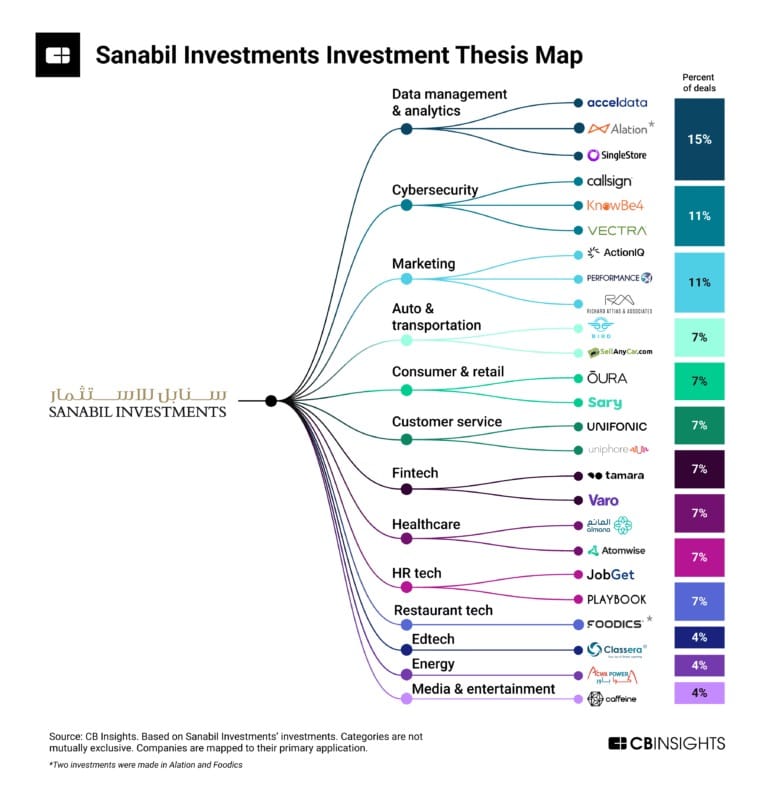
Sovereign wealth funds, or government investment funds, are increasingly participating in venture capital to diversify their portfolios󠇟󠇠󠇡󠇢󠆘󠇒󠅕󠄥󠄓󠆲󠄏󠆪󠆲󠄩󠄩󠆿󠅤󠆯󠄯󠆹󠅮󠆖󠆸󠅧󠆭󠅾󠄧󠆷󠅰󠆭󠄗󠅓󠄤󠆁󠄾󠄅󠇏󠅳󠇬󠅙󠄓󠅎󠆭󠄴. Countries like Singapore and Norway have large sovereign funds that actively invest in VC󠇟󠇠󠇡󠇢󠅛󠅦󠄡󠆯󠇁󠆆󠆠︋󠆼󠇃󠄨󠅾󠅿󠅶󠄭󠅄󠅧󠇢󠄜󠄦󠇪󠅖󠄵󠆖󠅠︀󠇘󠆳󠅡󠇏󠅽󠇟󠅄󠄮󠄷󠄓︊󠆜󠄊󠅓. These funds seek to generate substantial long-term returns that can contribute to their nation’s financial stability󠇟󠇠󠇡󠇢︉󠆗󠇙󠇈󠆼󠄖󠅶󠇋󠅜󠅣󠄥󠄐󠆘󠅩󠆋󠅾󠇀󠆧󠅳󠇀󠄐󠄔󠇃󠅳󠅮󠇅︄󠆥󠄍︀󠆎󠄾󠅾󠄿󠅮󠆦󠅟󠅒󠄇󠄲. They’re also interested in fostering innovation and technology that could benefit their economies, making them strategic players in the VC landscape.
󠇟󠇠󠇡󠇢󠆨󠇏󠆳󠄮󠇖󠄐󠅍󠆂󠄱󠅷󠅷󠆙󠄦󠅛󠆷󠆡󠄏󠄱󠅣󠄃󠅎󠇀󠆶󠆘󠄼󠄙󠄥󠄾󠅪󠅋󠅎󠄮󠄞󠆰󠇏󠆣󠇮󠅸󠄍󠄨Fund of Funds
A fund of funds (FoF) is an investment vehicle that invests in multiple venture capital funds rather than directly into startups󠇟󠇠󠇡󠇢󠄮󠇋󠇋󠇔󠇅︋󠅎󠄑󠆊󠆖󠅥󠇋󠆑󠄖󠆓󠇑󠅺󠄋󠅠󠇅󠆖󠆙󠆞󠇏󠆣󠇋󠄐󠇨󠇛󠅫󠄱󠆚󠇖󠄍󠇬󠇥󠆶󠇭󠆗󠆳. This model allows investors to diversify their exposure by holding a mix of VC funds across sectors or stages󠇟󠇠󠇡󠇢󠅖󠆎󠄥󠅡󠄊󠄅󠆳󠇗󠆽︂󠇮󠄠󠅃󠆐󠇀󠇄󠆄󠅙󠄆󠇏︃󠄁󠇒󠇡󠅻󠄴󠆚󠇟︇󠄠󠅬󠆭󠅧󠆢󠇖󠄍󠆎󠄒󠄞󠅴. FoFs appeal to those who want access to venture capital but might not have the resources or expertise to invest in individual funds themselves󠇟󠇠󠇡󠇢󠄁󠇇󠄉󠆈󠅉󠅗󠇠󠄚󠆣󠆟󠆪︂󠅬󠅴󠅅󠅟󠆑󠄣󠇨󠇎󠄞󠅇󠇝󠆿󠄋󠆩󠄊󠆸󠆂󠅐󠆄󠄴󠇏󠅭󠇗󠆞󠅠︃󠄷󠆗. By pooling capital, fund of funds can open up opportunities to access top-tier VC funds that may be otherwise closed off to new investors.
󠇟󠇠󠇡󠇢󠅤󠇎󠇂󠆣󠅡󠅮󠄊󠄙︉󠄖󠄿󠆱󠆇󠆷󠄈︌󠄈󠆅󠄌󠅏󠅡󠆉󠇄󠅥󠅲󠆊󠅛󠅶󠅍󠅑󠄣󠄜󠆊󠅱󠇡󠆐󠇞󠇤󠆱󠇂Foundations and Non-Profits
Foundations and non-profits invest in venture capital as part of their endowment or capital preservation strategies󠇟󠇠󠇡󠇢󠆇󠅈󠇔󠄊󠆦󠅻󠄳󠆎󠅙󠇛󠅹︋︁󠄐󠅛󠆮󠆊󠆰󠆇󠇎󠆇󠆍󠆧󠅨󠄘︇󠅫󠆖󠇄︇󠅔󠅅󠅹󠆐︅󠆴󠆊󠆡󠄧󠄇. Some foundations have large enough endowments that they can afford to take risks with a portion of their portfolio in pursuit of long-term returns󠇟󠇠󠇡󠇢󠅥󠅯󠅰󠇟󠅧󠅏󠅅︃󠄥󠆆󠅈󠅺󠄩󠅍󠆗󠇬󠄥󠄮󠄅󠇖󠄠︃󠄗󠅰󠆊󠅺󠆉󠆈󠄩󠄳︂󠇦󠇣󠇫󠆕󠅩󠇅󠄨󠆞󠄡. They may look for VC funds with a focus on sectors aligned with their mission, like clean energy, healthcare, or social impact, blending their financial goals with social objectives.
󠇟󠇠󠇡󠇢󠄩󠄘󠆽󠆴󠅔󠆩󠄢󠄢󠆽󠄛󠇌󠆷󠄳󠅰󠄼󠆖󠄘󠄼󠇈󠅾󠅉󠄞󠆷󠆲󠆍󠄚󠄁󠅭󠄢󠅊󠆯󠅪󠄥󠆞󠆗󠄞󠄺󠅶󠄤󠆽Retail Investors
While less common due to the high minimum investment requirements, retail investors have started to gain access to venture capital through new, innovative platforms󠇟󠇠󠇡󠇢󠄐󠆎󠆓󠆀󠅃󠆪󠇄󠇫󠅞󠇭󠄼󠅎󠄗󠅠󠅝󠅀󠇑󠆶󠄁󠅌󠄻󠄹󠅾󠄺󠄉󠄇󠅗󠆙󠄎󠇡󠇍󠇧󠆟󠇨󠄷󠄺󠅈󠅣︎󠅦. Crowdfunding platforms like WeFunder and Republic and other types of venture capital investment platforms have opened the door for smaller investors to participate in VC in a more limited way󠇟󠇠󠇡󠇢󠆩󠄱󠅣󠅶󠇌󠄐󠅼󠄄󠅌󠅎󠆟󠇗󠆝󠆈󠄤󠆽󠅏󠆷󠆉󠄸󠅚󠅡󠇬︁󠅅󠄮󠅾󠆱󠇟󠇁󠆕󠆥󠆚󠄍󠅏󠆯󠇒󠄔󠄅󠆾. For retail investors, VC is often a high-risk, high-reward part of their portfolio, and these platforms allow them to gain exposure without needing to meet the high capital requirements of traditional VC funds.
󠇟󠇠󠇡󠇢󠆢󠇢󠅕󠇚󠇭󠄦󠄽󠆷󠇥󠆵󠄦󠇛󠄰󠇅󠆻󠄾󠇕󠄟󠆆󠅧󠇃󠆗󠅗󠇀󠄘󠇅󠄉󠄿󠇜󠅛󠆳󠇛󠄰󠄓󠄯󠅪󠅒󠆰󠅜󠅧Now you know the ecosystem and the players󠇟󠇠󠇡󠇢󠄮󠄴󠇄󠄢󠄄󠅋󠅠󠆴󠅻󠆦󠄅󠄶󠅉󠄸󠆧󠆧󠄴󠆏󠄵󠅮󠄐󠄺󠄠︄󠆘󠅡󠅙󠆐︀󠇘󠅃󠆳󠅣󠅜󠅳󠇙󠆾󠅛󠆈󠅶. Next week we get deeper into how this all plays out.
󠇟󠇠󠇡󠇢󠇔󠄅󠆦󠅖󠄠󠄎󠇘󠄁󠄔󠇀󠄰󠅢󠆩󠄳󠅓󠄶󠆨󠄷󠅯󠄷󠇖󠆧󠄾󠅢󠄝󠇔󠅤󠅁󠄲󠅏󠅝󠆥󠄘󠇪󠆺󠄱󠆧︇󠄪󠆯That's it for this week's edition of The Dime💰󠇟󠇠󠇡󠇢󠇐󠅺󠄃󠄄󠇪󠆬󠆩󠇊󠅦󠅵󠅖󠄲󠆎󠅾󠆎󠆐󠅝󠇣󠇔󠆥󠅝󠇛󠄼󠆂󠇄󠇃󠄰󠇪󠅀󠅪󠇡󠇙󠄘󠆟󠇕󠆳󠆄󠄗󠄬󠅷. Don't be stingy with the 🏀󠇟󠇠󠇡󠇢󠇏󠆸󠇭󠅩󠅇󠄲󠅱󠆄󠇢󠄙󠇜󠅨󠅅󠆐󠅱󠅨󠄇󠆕󠆻󠆋󠇔󠅅󠇧󠅟󠇦󠅍️󠄄󠆨󠇍󠇧󠇒󠅣󠅐󠅪󠇚󠇎󠅌󠅉󠅳. Pass this to a friend.
󠇟󠇠󠇡󠇢󠆹󠇪󠅛󠄴󠅈󠆐󠆒󠇭󠅑󠆿󠆨󠆭︍󠄫󠅭󠄪󠆡󠆔︊󠇃󠆫󠇜󠅩󠆗󠇖󠇤󠄥󠄈󠅇󠄦󠅣󠇚󠇞󠄢󠄫󠆾󠇧︌󠆲󠇣See you next week.
󠇟󠇠󠇡󠇢󠇩󠆭󠅟󠄏󠇘󠅝󠅷󠇦󠅂󠆯󠅀󠄹󠆶󠇁󠆳󠅻󠆢󠇁󠅽󠅩󠆞󠆢󠄐󠅁󠆋󠅗󠄦︉︉󠅝󠅙󠆙󠄐󠅏󠄭󠆢󠄯󠇍︋󠇟CJB󠇟󠇠󠇡󠇢󠅯󠇕󠄹󠅬󠆌󠆓󠆫󠆁󠄅󠄭󠅌󠇠󠇭󠇏󠆚󠇀󠆞󠅿󠆍󠄊󠆘󠅯󠆵󠅽󠅬󠆛󠅷󠆝󠄼󠆮󠄣︂󠄎󠆿󠅔󠄳󠄡󠄬󠆃︉󠄳󠄢󠅀󠄱󠅄󠅈󠅄︀︁︀︀󠆷󠆬︀︀󠆷󠆬󠅚󠅥󠅝󠅒︀︀︀󠄎󠅚󠅥󠅝󠅔󠅓󠄢󠅠󠅑︀󠄁︀󠄀󠅰︀︀󠆚︀󠄨󠆋󠅡︃󠅓󠄢󠅠󠅑︀︀︀󠆷󠆆󠅚󠅥󠅝󠅒︀︀︀󠄷󠅚󠅥󠅝󠅔󠅓󠄢󠅝󠅑︀󠄁︀󠄀󠅰︀︀󠆚︀󠄨󠆋󠅡︃󠅥󠅢󠅞󠄪󠅓󠄢󠅠󠅑󠄪󠄨󠄡󠅒󠄠󠅒󠅓󠄤󠄥󠄝󠅑󠄣󠄠󠅕󠄝󠄤󠄠󠄠󠄠󠄝󠄨󠄦󠄢󠄣󠄝󠅔󠄢󠅔󠅒󠄨󠄣󠄠󠄨󠄥󠄣󠅕󠅖︀︀︀󠆡󠅪󠅚󠅥󠅝󠅒︀︀︀󠄙󠅚󠅥󠅝󠅔󠅓󠄢󠅑󠅣︀󠄁︀󠄀󠅰︀︀󠆚︀󠄨󠆋󠅡︃󠅓󠄢󠅠󠅑󠄞󠅑󠅣󠅣󠅕󠅢󠅤󠅙󠅟󠅞󠅣︀︀︀︂󠄢󠅚󠅥󠅝󠅒︀︀︀󠄙󠅚󠅥󠅝󠅔󠅓󠅒󠅟󠅢︀󠄁︀󠄀󠅰︀︀󠆚︀󠄨󠆋󠅡︃󠅓󠄢󠅠󠅑󠄞󠅑󠅓󠅤󠅙󠅟󠅞󠅣󠄞󠅦󠄢︀︀︀︂︁󠅓󠅒󠅟󠅢󠆒󠅗󠅑󠅓󠅤󠅙󠅟󠅞󠅣󠅳󠆓󠅖󠅑󠅓󠅤󠅙󠅟󠅞󠅛󠅓󠄢󠅠󠅑󠄞󠅟󠅠󠅕󠅞󠅕󠅔󠅝󠅣󠅟󠅖󠅤󠅧󠅑󠅢󠅕󠄱󠅗󠅕󠅞󠅤󠆒󠅔󠅞󠅑󠅝󠅕󠅕󠄷󠅘󠅟󠅣󠅤󠅗󠅦󠅕󠅢󠅣󠅙󠅟󠅞󠅨󠄋󠄵󠅞󠅓󠅩󠅠󠅘󠅕󠅢󠄐󠄹󠅞󠅤󠅕󠅗󠅢󠅑󠅤󠅙󠅟󠅞󠄐󠅦󠄡󠄞󠄠󠄞󠄠󠅚󠅠󠅑󠅢󠅑󠅝󠅕󠅤󠅕󠅢󠅣󠆑󠅛󠅙󠅞󠅗󠅢󠅕󠅔󠅙󠅕󠅞󠅤󠅣󠅱󠆓󠅓󠅥󠅢󠅜󠅨󠄝󠅣󠅕󠅜󠅖󠄓󠅚󠅥󠅝󠅒󠅖󠄭󠅓󠄢󠅠󠅑󠄞󠅑󠅣󠅣󠅕󠅢󠅤󠅙󠅟󠅞󠅣󠄟󠅓󠄢󠅠󠅑󠄞󠅙󠅞󠅗󠅢󠅕󠅔󠅙󠅕󠅞󠅤󠄞󠅦󠄣󠅓󠅑󠅜󠅗󠅖󠅣󠅘󠅑󠄢󠄥󠄦󠅔󠅘󠅑󠅣󠅘󠅈󠄐󠇝󠆫󠄏󠆬󠇬󠄆︊󠄆󠆐󠆰󠇡󠆗󠄖󠆾󠇦󠅱󠄱︎󠄫󠅑󠇝󠅊󠆌󠆮󠄇󠆁󠆼󠅬︌󠆜󠆵󠄙󠆓󠅖󠅑󠅓󠅤󠅙󠅟󠅞󠅛󠅓󠄢󠅠󠅑󠄞󠅕󠅔󠅙󠅤󠅕󠅔󠅔󠅧󠅘󠅕󠅞󠅤󠄢󠄠󠄢󠄦󠄝󠄠󠄩󠄝󠄡󠄩󠅄󠄡󠄧󠄪󠄠󠄥󠄪󠄡󠄡󠅊󠅝󠅣󠅟󠅖󠅤󠅧󠅑󠅢󠅕󠄱󠅗󠅕󠅞󠅤󠆒󠅔󠅞󠅑󠅝󠅕󠅡󠄵󠅞󠅓󠅩󠅠󠅘󠅕󠅢󠄐󠅀󠅜󠅑󠅤󠅖󠅟󠅢󠅝󠅗󠅦󠅕󠅢󠅣󠅙󠅟󠅞󠅕󠄢󠄞󠄣󠄞󠄠󠆔󠅖󠅑󠅓󠅤󠅙󠅟󠅞󠅦󠅓󠄢󠅠󠅑󠄞󠅧󠅑󠅤󠅕󠅢󠅝󠅑󠅢󠅛󠅕󠅔󠄞󠅒󠅟󠅥󠅞󠅔󠅔󠅧󠅘󠅕󠅞󠅤󠄢󠄠󠄢󠄦󠄝󠄠󠄩󠄝󠄡󠄩󠅄󠄡󠄧󠄪󠄠󠄥󠄪󠄡󠄡󠅊󠅝󠅣󠅟󠅖󠅤󠅧󠅑󠅢󠅕󠄱󠅗󠅕󠅞󠅤󠅨󠄑󠄷󠅘󠅟󠅣󠅤󠄟󠄵󠅞󠅓󠅩󠅠󠅘󠅕󠅢󠄐󠄹󠅞󠅤󠅕󠅗󠅢󠅑󠅤󠅙󠅟󠅞󠄐󠅦󠄡󠄞󠄠󠄞󠄠󠅛󠅔󠅕󠅣󠅓󠅢󠅙󠅠󠅤󠅙󠅟󠅞󠅨󠄟󠅄󠅕󠅨󠅤󠄐󠅕󠅝󠅒󠅕󠅔󠅔󠅕󠅔󠄐󠅧󠅙󠅤󠅘󠄐󠅅󠅞󠅙󠅓󠅟󠅔󠅕󠄐󠅦󠅑󠅢󠅙󠅑󠅤󠅙󠅟󠅞󠄐󠅣󠅕󠅜󠅕󠅓󠅤󠅟󠅢󠅣󠄞󠅢󠅑󠅜󠅜󠄱󠅓󠅤󠅙󠅟󠅞󠅣󠄹󠅞󠅓󠅜󠅥󠅔󠅕󠅔󠇥︀︀︁︊󠅚󠅥󠅝󠅒︀︀︀󠄗󠅚󠅥󠅝󠅔󠅓󠅒󠅟󠅢︀󠄁︀󠄀󠅰︀︀󠆚︀󠄨󠆋󠅡︃󠅓󠄢󠅠󠅑󠄞󠅝󠅕󠅤󠅑󠅔󠅑󠅤󠅑︀︀︀︀󠇋󠅓󠅒󠅟󠅢󠆔󠅘󠄰󠅓󠅟󠅞󠅤󠅕󠅨󠅤󠆒󠅒󠅔󠅓󠅨󠄐󠅘󠅤󠅤󠅠󠄪󠄟󠄟󠅠󠅥󠅢󠅜󠄞󠅟󠅢󠅗󠄟󠅔󠅓󠄟󠅕󠅜󠅕󠅝󠅕󠅞󠅤󠅣󠄟󠄡󠄞󠄡󠄟󠅓󠅨󠅝󠅠󠅨󠄌󠅘󠅤󠅤󠅠󠄪󠄟󠄟󠅞󠅣󠄞󠅑󠅔󠅟󠅒󠅕󠄞󠅓󠅟󠅝󠄟󠅨󠅑󠅠󠄟󠄡󠄞󠄠󠄟󠅝󠅔󠅓󠄪󠅙󠅔󠅕󠅞󠅤󠅙󠅖󠅙󠅕󠅢󠅨󠄨󠅗󠅘󠅟󠅣󠅤󠅏󠅠󠅟󠅣󠅤󠅏󠄦󠄧󠄢󠄢󠅖󠄤󠄧󠅔󠄣󠄨󠅑󠄨󠅔󠄦󠅖󠄣󠄠󠄠󠄤󠅔󠄧󠄥󠄧󠄠󠅏󠅦󠄡󠄧󠄨󠄩󠄨󠄣󠄧󠄥󠄠󠄩󠅏󠄧󠅑󠅓󠄠󠅒󠄨󠄨󠄤󠅙󠅔󠅓󠄪󠅖󠅟󠅢󠅝󠅑󠅤󠅚󠅤󠅕󠅨󠅤󠄟󠅠󠅜󠅑󠅙󠅞󠅞󠅨󠅝󠅠󠄪󠄳󠅢󠅕󠅑󠅤󠅕󠄴󠅑󠅤󠅕󠅤󠄢󠄠󠄢󠄦󠄝󠄠󠄩󠄝󠄡󠄩󠅄󠄡󠄧󠄪󠄠󠄥󠄪󠄡󠄡󠅊︀︀︀󠆪󠅚󠅥󠅝󠅒︀︀︀󠄝󠅚󠅥󠅝󠅔󠅓󠅒󠅟󠅢︀󠄁︀󠄀󠅰︀︀󠆚︀󠄨󠆋󠅡︃󠅟󠅢󠅗󠄞󠅕󠅞󠅓󠅩󠅠󠅘󠅕󠅢󠄞󠅣󠅤󠅑󠅤󠅥󠅣︀︀︀︀󠅵󠅓󠅒󠅟󠅢󠆒󠅤󠅣󠅤󠅑󠅤󠅥󠅣󠄼󠅙󠅣󠅤󠄳󠅢󠅕󠅔󠅕󠅞󠅤󠅙󠅑󠅜󠅨󠅀󠅘󠅤󠅤󠅠󠅣󠄪󠄟󠄟󠅦󠅕󠅢󠅙󠅖󠅩󠄞󠅕󠅞󠅓󠅩󠅠󠅘󠅕󠅢󠄞󠅓󠅟󠅝󠄟󠅣󠅤󠅑󠅤󠅥󠅣󠄟󠅦󠄡󠄟󠅜󠅙󠅣󠅤󠅣󠄟󠄤󠄩󠄧󠅑󠄣󠄨󠅖󠄩󠄝󠄩󠄧󠅒󠅖󠄝󠄤󠅖󠅒󠄠󠄝󠄨󠄢󠄧󠄨󠄝󠅕󠄡󠄤󠅔󠅒󠄤󠅖󠄥󠅒󠄡󠄥󠄥󠅟󠅣󠅤󠅑󠅤󠅥󠅣󠄼󠅙󠅣󠅤󠄹󠅞󠅔󠅕󠅨󠅔󠄡󠄧󠄧󠄤︀︀︁󠇟󠅚󠅥󠅝󠅒︀︀︀󠄢󠅚󠅥󠅝󠅔󠅓󠅒󠅟󠅢︀󠄁︀󠄀󠅰︀︀󠆚︀󠄨󠆋󠅡︃󠅓󠅟󠅝󠄞󠅕󠅞󠅓󠅩󠅠󠅘󠅕󠅢󠄞󠅔󠅟󠅓󠅥󠅝󠅕󠅞󠅤󠅏󠅦󠄡︀︀︀︁󠆥󠅓󠅒󠅟󠅢󠆚󠅘󠄰󠅓󠅟󠅞󠅤󠅕󠅨󠅤󠅢󠅘󠅤󠅤󠅠󠅣󠄪󠄟󠄟󠅣󠅓󠅘󠅕󠅝󠅑󠄞󠅟󠅢󠅗󠅕󠄰󠅤󠅩󠅠󠅕󠅜󠄳󠅢󠅕󠅑󠅤󠅙󠅦󠅕󠅇󠅟󠅢󠅛󠅚󠅙󠅔󠅕󠅞󠅤󠅙󠅖󠅙󠅕󠅢󠅨󠄨󠅗󠅘󠅟󠅣󠅤󠅏󠅠󠅟󠅣󠅤󠅏󠄦󠄧󠄢󠄢󠅖󠄤󠄧󠅔󠄣󠄨󠅑󠄨󠅔󠄦󠅖󠄣󠄠󠄠󠄤󠅔󠄧󠄥󠄧󠄠󠅏󠅦󠄡󠄧󠄨󠄩󠄨󠄣󠄧󠄥󠄠󠄩󠅏󠄧󠅑󠅓󠄠󠅒󠄨󠄨󠄤󠅔󠅞󠅑󠅝󠅕󠅨󠄳󠅄󠅘󠅕󠄐󠄴󠅙󠅝󠅕󠇠󠆏󠆂󠆠󠄐󠄾󠅟󠅤󠅕󠅣󠄐󠅟󠅞󠄐󠅆󠅕󠅞󠅤󠅥󠅢󠅕󠄐󠄳󠅑󠅠󠅙󠅤󠅑󠅜󠄐󠄝󠄐󠅀󠅑󠅢󠅤󠄐󠄹󠄪󠄐󠅇󠅘󠅟󠄐󠅄󠅘󠅕󠄐󠅀󠅜󠅑󠅩󠅕󠅢󠅣󠄐󠄱󠅢󠅕󠅓󠅥󠅢󠅜󠅨󠅉󠅘󠅤󠅤󠅠󠅣󠄪󠄟󠄟󠅧󠅧󠅧󠄞󠅔󠅥󠅕󠅤󠅘󠅕󠅔󠅙󠅜󠅜󠅩󠄞󠅓󠅟󠅝󠄟󠅤󠅘󠅕󠄝󠅔󠅙󠅝󠅕󠄝󠅞󠅟󠅤󠅕󠅣󠄝󠅟󠅞󠄝󠅦󠅕󠅞󠅤󠅥󠅢󠅕󠄝󠅓󠅑󠅠󠅙󠅤󠅑󠅜󠄝󠅠󠅑󠅢󠅤󠄝󠅙󠄝󠅧󠅘󠅟󠄝󠅤󠅘󠅕󠄝󠅠󠅜󠅑󠅩󠅕󠅢󠅣󠄝󠅑󠅢󠅕󠄟󠅖󠅑󠅥󠅤󠅘󠅟󠅢󠅡󠄳󠅑󠅢󠅜󠄐󠄺󠅟󠅣󠅕󠅠󠅘󠄝󠄲󠅜󠅑󠅓󠅛󠅝󠅗󠅘󠅟󠅣󠅤󠅏󠅠󠅟󠅣󠅤󠅏󠅙󠅔󠅨󠄈󠄦󠄧󠄢󠄢󠅖󠄤󠄧󠅔󠄣󠄨󠅑󠄨󠅔󠄦󠅖󠄣󠄠󠄠󠄤󠅔󠄧󠄥󠄧󠄠󠅟󠅗󠅘󠅟󠅣󠅤󠅏󠅠󠅟󠅣󠅤󠅏󠅤󠅩󠅠󠅕󠅔󠅠󠅟󠅣󠅤󠅔󠅤󠅑󠅗󠅣󠅲󠅘󠅄󠅘󠅕󠄐󠄴󠅙󠅝󠅕󠅠󠄓󠅕󠅞󠅓󠅩󠅠󠅘󠅕󠅢󠄝󠅣󠅙󠅗󠅞󠅕󠅔󠅖󠅣󠅟󠅥󠅢󠅓󠅕󠅡󠅗󠅘󠅟󠅣󠅤󠅏󠅙󠅞󠅤󠅕󠅗󠅢󠅑󠅤󠅙󠅟󠅞︀︀︀󠇙󠅚󠅥󠅝󠅒︀︀︀󠄠󠅚󠅥󠅝󠅔󠅓󠅒󠅟󠅢︀󠄁︀󠄀󠅰︀︀󠆚︀󠄨󠆋󠅡︃󠅓󠅟󠅝󠄞󠅕󠅞󠅓󠅩󠅠󠅘󠅕󠅢󠄞󠅝󠅕󠅢󠅛󠅜󠅕󠅏󠅦󠄡︀︀︀︀󠆡󠅓󠅒󠅟󠅢󠆔󠅙󠅢󠅟󠅟󠅤󠅏󠅘󠅑󠅣󠅘󠅨󠄰󠅔󠅒󠄠󠅓󠅓󠄡󠅒󠅓󠅑󠅔󠄠󠄦󠄠󠅕󠅑󠅒󠄡󠄨󠄤󠄧󠄧󠄥󠅔󠅖󠄥󠄢󠅒󠅓󠄢󠅕󠄦󠄥󠄤󠄠󠄢󠄥󠄨󠅓󠅓󠄦󠄦󠄤󠅒󠄩󠅕󠄧󠄥󠅔󠄨󠄠󠅑󠄣󠄨󠄣󠅒󠄣󠄩󠄦󠄩󠄡󠄤󠄣󠅖󠄩󠅞󠅤󠅟󠅤󠅑󠅜󠅏󠅣󠅕󠅗󠅝󠅕󠅞󠅤󠅣󠄉︁󠄁󠅗󠅢󠅟󠅟󠅤󠅏󠅙󠅔󠅨󠄔󠄤󠄩󠅕󠅓󠄩󠅕󠄨󠅔󠄝󠄣󠄣󠅔󠄩󠄝󠄤󠄨󠅔󠅖󠄝󠄨󠄠󠄡󠄡󠄝󠄨󠄦󠄨󠄨󠄨󠄨󠄠󠄢󠄨󠄥󠅓󠅑󠅢󠅣󠅕󠅗󠅝󠅕󠅞󠅤󠅑󠅤󠅙󠅟󠅞󠅏󠅜󠅕󠅦󠅕󠅜󠅘󠅣󠅕󠅞󠅤󠅕󠅞󠅓󠅕︀︀󠆗󠆹󠅚󠅥󠅝󠅒︀︀︀󠄧󠅚󠅥󠅝󠅔󠅓󠅒󠅟󠅢︀󠄁︀󠄀󠅰︀︀󠆚︀󠄨󠆋󠅡︃󠅟󠅢󠅗󠄞󠅕󠅞󠅓󠅩󠅠󠅘󠅕󠅢󠄞󠅝󠅙󠅓󠅢󠅟󠅏󠅝󠅑󠅢󠅛󠅕󠅢󠅣󠅏󠅦󠄡︀︀︀󠆗󠅺󠅓󠅒󠅟󠅢󠆗󠅞󠅣󠅓󠅘󠅕󠅝󠅑󠅏󠅦󠅕󠅢󠅣󠅙󠅟󠅞︄󠅟󠅟󠅢󠅗󠅑󠅞󠅙󠅪󠅑󠅤󠅙󠅟󠅞󠅏󠅙󠅔󠅤󠅟󠅢󠅗󠅏󠄣󠅕󠄥󠅓󠄧󠄩󠄡󠄨󠄧󠄩󠄧󠄢󠅖󠅖󠅔󠄧󠅟󠅧󠅟󠅢󠅛󠅏󠅦󠅕󠅢󠅣󠅙󠅟󠅞󠅏󠅙󠅔󠅨󠅉󠅗󠅘󠅟󠅣󠅤󠅏󠅠󠅟󠅣󠅤󠅏󠄦󠄧󠄢󠄢󠅖󠄤󠄧󠅔󠄣󠄨󠅑󠄨󠅔󠄦󠅖󠄣󠄠󠄠󠄤󠅔󠄧󠄥󠄧󠄠󠅏󠅦󠄡󠄧󠄨󠄩󠄨󠄣󠄧󠄥󠄠󠄩󠅏󠄧󠅑󠅓󠄠󠅒󠄨󠄨󠄤󠄪󠄡󠅑󠄢󠅑󠄢󠄦󠅕󠅓󠅒󠄥󠅔󠅔󠄤󠅕󠄢󠄡󠅑󠅒󠅒󠄤󠄥󠄤󠅑󠄢󠄡󠄡󠄤󠄨󠄦󠄣󠄠󠄩󠅡󠅝󠅙󠅓󠅢󠅟󠅏󠅛󠅕󠅩󠅏󠅦󠅕󠅢󠅣󠅙󠅟󠅞︁󠅜󠅝󠅑󠅢󠅛󠅕󠅢󠅏󠅓󠅟󠅥󠅞󠅤󠄉︁󠄁󠅗󠅝󠅑󠅢󠅛󠅕󠅢󠅣󠆉︁󠄁󠆔󠅖󠅜󠅟󠅗󠅏󠅙󠅔󠅨󠄐󠄩󠅖󠄠󠅑󠄧󠄩󠅖󠅓󠄡󠄢󠅕󠅕󠄧󠄤󠄨󠄡󠅖󠄤󠄤󠄡󠄠󠄠󠅔󠄩󠄥󠅒󠄨󠅑󠄡󠅕󠅒󠅕󠅚󠅜󠅕󠅑󠅖󠅏󠅙󠅞󠅔󠅕󠅨︀󠅢󠅓󠅟󠅞󠅤󠅕󠅞󠅤󠅏󠅓󠅟󠅝󠅝󠅙󠅤󠅝󠅕󠅞󠅤󠅨󠄰󠅒󠄦󠄣󠄦󠅔󠄢󠄨󠄠󠄨󠄤󠄤󠄨󠄠󠄤󠄧󠄠󠄣󠅔󠄥󠅖󠄩󠄢󠅑󠅖󠄨󠄡󠄤󠅕󠄧󠄧󠄨󠄥󠄢󠅖󠄩󠄧󠄦󠅒󠄧󠄣󠄡󠄩󠄤󠅓󠅖󠄢󠄣󠅒󠅒󠅖󠅓󠄤󠄩󠅕󠄦󠄠󠄠󠅔󠄧󠄦󠄩󠄠󠅑󠄣󠅗󠅒󠅙󠅞󠅔󠅙󠅞󠅗󠅗󠅞󠅖󠅓󠅏󠅢󠅑󠅧󠆔󠅖󠅜󠅟󠅗󠅏󠅙󠅔󠅨󠄐󠅓󠅕󠄦󠄠󠅓󠅒󠅕󠅔󠄥󠄠󠄨󠅓󠄧󠄡󠄡󠄢󠄠󠅒󠅖󠅑󠅖󠄢󠄣󠄦󠄠󠄢󠅑󠅓󠅖󠄥󠅔󠄦󠅚󠅜󠅕󠅑󠅖󠅏󠅙󠅞󠅔󠅕󠅨︁󠅢󠅓󠅟󠅞󠅤󠅕󠅞󠅤󠅏󠅓󠅟󠅝󠅝󠅙󠅤󠅝󠅕󠅞󠅤󠅨󠄰󠄣󠅒󠄣󠄡󠅒󠄥󠄨󠅓󠄤󠅔󠄡󠄤󠅔󠄧󠄥󠅒󠅔󠄢󠄣󠅓󠄡󠄦󠄢󠄥󠅔󠄤󠅕󠄣󠄢󠄧󠅓󠅕󠄨󠄩󠄤󠄢󠄣󠄨󠄦󠄠󠄡󠅓󠅑󠄨󠅕󠅓󠄩󠅒󠅒󠄤󠄩󠄥󠅔󠅑󠅓󠄩󠅔󠅔󠄣󠅕󠄨󠄩󠄡󠄣󠅗󠅒󠅙󠅞󠅔󠅙󠅞󠅗󠅗󠅞󠅖󠅓󠅏󠅢󠅑󠅧󠆔󠅖󠅜󠅟󠅗󠅏󠅙󠅔󠅨󠄐󠅓󠄡󠄩󠅖󠄣󠄧󠅔󠅖󠄧󠅔󠅓󠄦󠄢󠄡󠄦󠅔󠅓󠄦󠄢󠄡󠅒󠄥󠄨󠅕󠅕󠄦󠄡󠄡󠅓󠄠󠅓󠅓󠅚󠅜󠅕󠅑󠅖󠅏󠅙󠅞󠅔󠅕󠅨︂󠅢󠅓󠅟󠅞󠅤󠅕󠅞󠅤󠅏󠅓󠅟󠅝󠅝󠅙󠅤󠅝󠅕󠅞󠅤󠅨󠄰󠅓󠄥󠅔󠅓󠅕󠄠󠄢󠄨󠄨󠅑󠅓󠅑󠄧󠅒󠄢󠄥󠅑󠄧󠅖󠅕󠄨󠄩󠄩󠅔󠅑󠄥󠄧󠄨󠄡󠄦󠄨󠄤󠄤󠄢󠅑󠅔󠅓󠅕󠄩󠄩󠄦󠄨󠅒󠄦󠅓󠅑󠄣󠄧󠅖󠅑󠄥󠄣󠄡󠄤󠄢󠄦󠅓󠅕󠅓󠅖󠄧󠅑󠄩󠄣󠅗󠅒󠅙󠅞󠅔󠅙󠅞󠅗󠅗󠅞󠅖󠅓󠅏󠅢󠅑󠅧󠆔󠅖󠅜󠅟󠅗󠅏󠅙󠅔󠅨󠄐󠄣󠄠󠅑󠄡󠄤󠄧󠄠󠄤󠄧󠅖󠄢󠄩󠄥󠅓󠅕󠅒󠄥󠄨󠄩󠄧󠅓󠅑󠅕󠄣󠅖󠅔󠄡󠄧󠄣󠅖󠄡󠅓󠅚󠅜󠅕󠅑󠅖󠅏󠅙󠅞󠅔󠅕󠅨︃󠅢󠅓󠅟󠅞󠅤󠅕󠅞󠅤󠅏󠅓󠅟󠅝󠅝󠅙󠅤󠅝󠅕󠅞󠅤󠅨󠄰󠅔󠅓󠄧󠄨󠅑󠄢󠅖󠅕󠄩󠄩󠄠󠄤󠅒󠅔󠅒󠅖󠄣󠄢󠄢󠄥󠄦󠄦󠄩󠅒󠄦󠄣󠅔󠄨󠅖󠄢󠅔󠄩󠄨󠅖󠄢󠄩󠄩󠅖󠅕󠄣󠄧󠄤󠅖󠅖󠄨󠅑󠄦󠅕󠄠󠄧󠄩󠅖󠄢󠄩󠄤󠅖󠄤󠄩󠄡󠄦󠄥󠄠󠅖󠄨󠅗󠅒󠅙󠅞󠅔󠅙󠅞󠅗󠅗󠅞󠅖󠅓󠅏󠅢󠅑󠅧󠆔󠅖󠅜󠅟󠅗󠅏󠅙󠅔󠅨󠄐󠅔󠄥󠅖󠅖󠄧󠄢󠅔󠄩󠄩󠄠󠄥󠅑󠄩󠄧󠄠󠄨󠄩󠄠󠄠󠄠󠄩󠄠󠄩󠄨󠅔󠅒󠄡󠄢󠅔󠅑󠄣󠅓󠅚󠅜󠅕󠅑󠅖󠅏󠅙󠅞󠅔󠅕󠅨︄󠅢󠅓󠅟󠅞󠅤󠅕󠅞󠅤󠅏󠅓󠅟󠅝󠅝󠅙󠅤󠅝󠅕󠅞󠅤󠅨󠄰󠄡󠅑󠅒󠄩󠄨󠅔󠄦󠄠󠄡󠄤󠅕󠄣󠅕󠄤󠄢󠅖󠄢󠅔󠄩󠄧󠄥󠅕󠄦󠄠󠄦󠄧󠅑󠄤󠄡󠄤󠄥󠄢󠄡󠄨󠄤󠅔󠄤󠄡󠄦󠅖󠄦󠄨󠄡󠅑󠄡󠄥󠄣󠄥󠄢󠄣󠅖󠄨󠅖󠄧󠄣󠅖󠄩󠄣󠄧󠄡󠅓󠅑󠅖󠄠󠅗󠅒󠅙󠅞󠅔󠅙󠅞󠅗󠅗󠅞󠅖󠅓󠅏󠅢󠅑󠅧󠆔󠅖󠅜󠅟󠅗󠅏󠅙󠅔󠅨󠄐󠄡󠅒󠄩󠄡󠄡󠄠󠄧󠄦󠄩󠄣󠄠󠄦󠅕󠅓󠅓󠄩󠅓󠅒󠅕󠄢󠄨󠄢󠅒󠅕󠄢󠄥󠄤󠄦󠅒󠄧󠄨󠄢󠅚󠅜󠅕󠅑󠅖󠅏󠅙󠅞󠅔󠅕󠅨︅󠅢󠅓󠅟󠅞󠅤󠅕󠅞󠅤󠅏󠅓󠅟󠅝󠅝󠅙󠅤󠅝󠅕󠅞󠅤󠅨󠄰󠅑󠄥󠄧󠄦󠄩󠄥󠅒󠄦󠄥󠄡󠅓󠄦󠄥󠄢󠄣󠄧󠅕󠄨󠄡󠄢󠄣󠅑󠄧󠄢󠄠󠅓󠄦󠄠󠄤󠅔󠅓󠄨󠅒󠄥󠄩󠄦󠅕󠄤󠅓󠄧󠅔󠄧󠅒󠄣󠄥󠅓󠄨󠄩󠄣󠄣󠄦󠅒󠄣󠅑󠄠󠄡󠄦󠄧󠄨󠄤󠄥󠄣󠄢󠄦󠅗󠅒󠅙󠅞󠅔󠅙󠅞󠅗󠅗󠅞󠅖󠅓󠅏󠅢󠅑󠅧󠆔󠅖󠅜󠅟󠅗󠅏󠅙󠅔󠅨󠄐󠅓󠅓󠄧󠅖󠄦󠄢󠅖󠄢󠅔󠄤󠅔󠄣󠄦󠄧󠅒󠄢󠄤󠄠󠅔󠄥󠄥󠄧󠄦󠅖󠄧󠄠󠄣󠄧󠅕󠄡󠄡󠅖󠅚󠅜󠅕󠅑󠅖󠅏󠅙󠅞󠅔󠅕󠅨︆󠅢󠅓󠅟󠅞󠅤󠅕󠅞󠅤󠅏󠅓󠅟󠅝󠅝󠅙󠅤󠅝󠅕󠅞󠅤󠅨󠄰󠄨󠄦󠄠󠄧󠄤󠄡󠄨󠄢󠄧󠄨󠄠󠄦󠅑󠅖󠄡󠄥󠄣󠅓󠄧󠄨󠅔󠄤󠄦󠅖󠄢󠄧󠅒󠄣󠄠󠅕󠄧󠄣󠄠󠄥󠄢󠄥󠅓󠄩󠄨󠄨󠄤󠅒󠄣󠅖󠄧󠄣󠄩󠄠󠄤󠄩󠄨󠅒󠅖󠄧󠄥󠄢󠄡󠄦󠄨󠅓󠄥󠅓󠄢󠄣󠅗󠅒󠅙󠅞󠅔󠅙󠅞󠅗󠅗󠅞󠅖󠅓󠅏󠅢󠅑󠅧󠆔󠅖󠅜󠅟󠅗󠅏󠅙󠅔󠅨󠄐󠄦󠅔󠅒󠄢󠅕󠄧󠅕󠄠󠅑󠄣󠄥󠄥󠄩󠄤󠅑󠄧󠄢󠄠󠅑󠅑󠅑󠄢󠅒󠄨󠄩󠄦󠅑󠄦󠄤󠅓󠄤󠄧󠅚󠅜󠅕󠅑󠅖󠅏󠅙󠅞󠅔󠅕󠅨︇󠅢󠅓󠅟󠅞󠅤󠅕󠅞󠅤󠅏󠅓󠅟󠅝󠅝󠅙󠅤󠅝󠅕󠅞󠅤󠅨󠄰󠄣󠄣󠄣󠅕󠄦󠅕󠅑󠄥󠄩󠄢󠅓󠄥󠅒󠄠󠄨󠄨󠅖󠄠󠄩󠅖󠄧󠅒󠅖󠄧󠄩󠅔󠅒󠄦󠅕󠅕󠄢󠄩󠅑󠄡󠄦󠄧󠅑󠅔󠅓󠄨󠅓󠄩󠅖󠅕󠄤󠄩󠄥󠄢󠄠󠄣󠅒󠄦󠄢󠅒󠄥󠄦󠄣󠅕󠅓󠅓󠄠󠅔󠄩󠄡󠅗󠅒󠅙󠅞󠅔󠅙󠅞󠅗󠅗󠅞󠅖󠅓󠅏󠅢󠅑󠅧󠆔󠅖󠅜󠅟󠅗󠅏󠅙󠅔󠅨󠄐󠅑󠅒󠄨󠄠󠄥󠅖󠄢󠅒󠅑󠄤󠅑󠅒󠄩󠄠󠅖󠄩󠅔󠄦󠄩󠅖󠅓󠅕󠄧󠄥󠄧󠅕󠅔󠄧󠅑󠄦󠄨󠄣󠅚󠅜󠅕󠅑󠅖󠅏󠅙󠅞󠅔󠅕󠅨︈󠅢󠅓󠅟󠅞󠅤󠅕󠅞󠅤󠅏󠅓󠅟󠅝󠅝󠅙󠅤󠅝󠅕󠅞󠅤󠅨󠄰󠄠󠅔󠄦󠅕󠄢󠄣󠅒󠄣󠅖󠄠󠄤󠅒󠄠󠄣󠄢󠅔󠅖󠅒󠅒󠄨󠄩󠅕󠄡󠄣󠄥󠄨󠄣󠄧󠄡󠄠󠄡󠄢󠄥󠄤󠄩󠄧󠄡󠄡󠅒󠅕󠄠󠅑󠅒󠄣󠅔󠅕󠄠󠅖󠄤󠄧󠅖󠄡󠄧󠄧󠄥󠄡󠄤󠄩󠄦󠄦󠅖󠄦󠅔󠅔󠅗󠅒󠅙󠅞󠅔󠅙󠅞󠅗󠅗󠅞󠅖󠅓󠅏󠅢󠅑󠅧󠆔󠅖󠅜󠅟󠅗󠅏󠅙󠅔󠅨󠄐󠅖󠄤󠄦󠄢󠅒󠅑󠄨󠄡󠄦󠄥󠄥󠅖󠅑󠄠󠄧󠅓󠄠󠄦󠄧󠅔󠄥󠄦󠄤󠅑󠄣󠅑󠄣󠅒󠄦󠄨󠄦󠄩󠅚󠅜󠅕󠅑󠅖󠅏󠅙󠅞󠅔󠅕󠅨︉󠅢󠅓󠅟󠅞󠅤󠅕󠅞󠅤󠅏󠅓󠅟󠅝󠅝󠅙󠅤󠅝󠅕󠅞󠅤󠅨󠄰󠄡󠄨󠄢󠄨󠅑󠄡󠄧󠅒󠅒󠄣󠅑󠄧󠄥󠄢󠄢󠅕󠄣󠄡󠄣󠅑󠄩󠄠󠅕󠄦󠅔󠄥󠄢󠄧󠅒󠄣󠄦󠅕󠅖󠄦󠅔󠄤󠄢󠄦󠄩󠄠󠄤󠄡󠄣󠄩󠅔󠅓󠄤󠅓󠄠󠄢󠅑󠄤󠅔󠅑󠄧󠅓󠅖󠄣󠄩󠄨󠄧󠅒󠄨󠄧󠅗󠅒󠅙󠅞󠅔󠅙󠅞󠅗󠅗󠅞󠅖󠅓󠅏󠅢󠅑󠅧󠆔󠅖󠅜󠅟󠅗󠅏󠅙󠅔󠅨󠄐󠅕󠄡󠄩󠄣󠄤󠄨󠅕󠅖󠅒󠄥󠄦󠄨󠅖󠄦󠄡󠄤󠅔󠄨󠄦󠅕󠄦󠄨󠅑󠄩󠅓󠄦󠅒󠄢󠄦󠄠󠅓󠅓󠅚󠅜󠅕󠅑󠅖󠅏󠅙󠅞󠅔󠅕󠅨︊󠅢󠅓󠅟󠅞󠅤󠅕󠅞󠅤󠅏󠅓󠅟󠅝󠅝󠅙󠅤󠅝󠅕󠅞󠅤󠅨󠄰󠄢󠅔󠅔󠄣󠄡󠅑󠅖󠅕󠄦󠄣󠄧󠅕󠄣󠄡󠄩󠅖󠄨󠅑󠄣󠄤󠅒󠄧󠅑󠄢󠄤󠄤󠄧󠄩󠄤󠄩󠄦󠅓󠄤󠄦󠄠󠅕󠅑󠅔󠄡󠅕󠄢󠅖󠄥󠅔󠄣󠄠󠄤󠅔󠄧󠄣󠄤󠄠󠄢󠄢󠅔󠅓󠅑󠅓󠄩󠅒󠄦󠅖󠅓󠄨󠅗󠅒󠅙󠅞󠅔󠅙󠅞󠅗󠅗󠅞󠅖󠅓󠅏󠅢󠅑󠅧󠆔󠅖󠅜󠅟󠅗󠅏󠅙󠅔󠅨󠄐󠅕󠄨󠄩󠄥󠅕󠄨󠅖󠅓󠅒󠄠󠄣󠄥󠄩󠅑󠄥󠄧󠅔󠄩󠄩󠄦󠅑󠅖󠅓󠄡󠅒󠄠󠅑󠅓󠅖󠅑󠄤󠅒󠅚󠅜󠅕󠅑󠅖󠅏󠅙󠅞󠅔󠅕󠅨︋󠅢󠅓󠅟󠅞󠅤󠅕󠅞󠅤󠅏󠅓󠅟󠅝󠅝󠅙󠅤󠅝󠅕󠅞󠅤󠅨󠄰󠅖󠅑󠄢󠅔󠄠󠄣󠄠󠄢󠅓󠅖󠅑󠄥󠄩󠄢󠅔󠅓󠅔󠅔󠄠󠄡󠄥󠄦󠄣󠄣󠄩󠄨󠄥󠅒󠄧󠄥󠄦󠅖󠄡󠅕󠄤󠄢󠄤󠄦󠄩󠄦󠅖󠄥󠄨󠅔󠅑󠄢󠄣󠄣󠄦󠄣󠄩󠄩󠄠󠅑󠅕󠄣󠅓󠅔󠄩󠅑󠄩󠄥󠅓󠄦󠅗󠅒󠅙󠅞󠅔󠅙󠅞󠅗󠅗󠅞󠅖󠅓󠅏󠅢󠅑󠅧󠆔󠅖󠅜󠅟󠅗󠅏󠅙󠅔󠅨󠄐󠄡󠄢󠄨󠅓󠄦󠅓󠅑󠄥󠄩󠄡󠅒󠄡󠄠󠄢󠄠󠅓󠄢󠄦󠄩󠄡󠄦󠄣󠄨󠅖󠄦󠄩󠄤󠅑󠄥󠄧󠄣󠄣󠅚󠅜󠅕󠅑󠅖󠅏󠅙󠅞󠅔󠅕󠅨︌󠅢󠅓󠅟󠅞󠅤󠅕󠅞󠅤󠅏󠅓󠅟󠅝󠅝󠅙󠅤󠅝󠅕󠅞󠅤󠅨󠄰󠄧󠅑󠄦󠄢󠄥󠅕󠅒󠄠󠄨󠅕󠅔󠄡󠄤󠅖󠄡󠄦󠅓󠄠󠄤󠄤󠅖󠄥󠄡󠄣󠅔󠅓󠄨󠄧󠅒󠅓󠄤󠅖󠄨󠄩󠄢󠅓󠅑󠅔󠄣󠅖󠄣󠄤󠄥󠄦󠄠󠄢󠄧󠄥󠄩󠅒󠅖󠄤󠄣󠄤󠄣󠄩󠄤󠅔󠅒󠄨󠄢󠄨󠄥󠅒󠅗󠅒󠅙󠅞󠅔󠅙󠅞󠅗󠅗󠅞󠅖󠅓󠅏󠅢󠅑󠅧󠆔󠅖󠅜󠅟󠅗󠅏󠅙󠅔󠅨󠄐󠄦󠄤󠄩󠄠󠄧󠄢󠅒󠄨󠄥󠄢󠄢󠅕󠅕󠅓󠄢󠄥󠄢󠄡󠄤󠅒󠄢󠄣󠄣󠅑󠅔󠅓󠄩󠄤󠄤󠄩󠅖󠄤󠅚󠅜󠅕󠅑󠅖󠅏󠅙󠅞󠅔󠅕󠅨︍󠅢󠅓󠅟󠅞󠅤󠅕󠅞󠅤󠅏󠅓󠅟󠅝󠅝󠅙󠅤󠅝󠅕󠅞󠅤󠅨󠄰󠄣󠅓󠄤󠄧󠄩󠅑󠄡󠄥󠄦󠅕󠄤󠄦󠅑󠅔󠅔󠄩󠄠󠄠󠄣󠄢󠄣󠄦󠅔󠄠󠄩󠄤󠅖󠄠󠅓󠄠󠄦󠄣󠅒󠅔󠅓󠄡󠅔󠄩󠄥󠄥󠅓󠄡󠄦󠅓󠄨󠄡󠄣󠄨󠄦󠄦󠄩󠄥󠄣󠄢󠅓󠄥󠄩󠄩󠄦󠄣󠅔󠄤󠅔󠄩󠅗󠅒󠅙󠅞󠅔󠅙󠅞󠅗󠅗󠅞󠅖󠅓󠅏󠅢󠅑󠅧󠆔󠅖󠅜󠅟󠅗󠅏󠅙󠅔󠅨󠄐󠅓󠅖󠄤󠅖󠄦󠄦󠄢󠅓󠄡󠄠󠄩󠄠󠄤󠄨󠄦󠅒󠄥󠄢󠄠󠅒󠄩󠅒󠅒󠄠󠄥󠅑󠄨󠅔󠅕󠅓󠄤󠄩󠅚󠅜󠅕󠅑󠅖󠅏󠅙󠅞󠅔󠅕󠅨︎󠅢󠅓󠅟󠅞󠅤󠅕󠅞󠅤󠅏󠅓󠅟󠅝󠅝󠅙󠅤󠅝󠅕󠅞󠅤󠅨󠄰󠅔󠄥󠄩󠄥󠅓󠅔󠅓󠄠󠄩󠄣󠄥󠅔󠄨󠅑󠄤󠅖󠅕󠄤󠅔󠄨󠄥󠄤󠅒󠄡󠄥󠅑󠅓󠄥󠅒󠄣󠅑󠄥󠄧󠄧󠄡󠅓󠄠󠅒󠄧󠄧󠄧󠄧󠄤󠅕󠄧󠅕󠅕󠅑󠄥󠄤󠅓󠄨󠄧󠅕󠄧󠄧󠅔󠅑󠅖󠄨󠅕󠄨󠄥󠅒󠅗󠅒󠅙󠅞󠅔󠅙󠅞󠅗󠅗󠅞󠅖󠅓󠅏󠅢󠅑󠅧󠆔󠅖󠅜󠅟󠅗󠅏󠅙󠅔󠅨󠄐󠄩󠄧󠄤󠄦󠄤󠅖󠄥󠄥󠄧󠄢󠄥󠄡󠅒󠄦󠄧󠄢󠄩󠅒󠅓󠅔󠅕󠄩󠄣󠄤󠄩󠄤󠄠󠅖󠄥󠄢󠄨󠄣󠅚󠅜󠅕󠅑󠅖󠅏󠅙󠅞󠅔󠅕󠅨️󠅢󠅓󠅟󠅞󠅤󠅕󠅞󠅤󠅏󠅓󠅟󠅝󠅝󠅙󠅤󠅝󠅕󠅞󠅤󠅨󠄰󠅖󠄤󠅕󠅓󠅔󠄧󠄢󠅖󠅒󠄠󠅔󠄩󠅒󠄤󠄠󠄦󠄡󠅖󠅒󠅕󠄧󠅕󠄡󠄥󠅔󠅕󠅒󠄥󠅓󠄩󠅖󠄠󠅕󠅖󠅒󠅒󠄨󠅑󠄣󠅕󠄦󠅒󠅒󠄡󠄡󠄡󠅒󠄠󠅑󠅓󠅑󠅑󠅑󠄥󠅒󠅔󠄠󠄧󠄥󠄨󠄡󠄦󠄦󠅒󠅗󠅒󠅙󠅞󠅔󠅙󠅞󠅗󠅗󠅞󠅖󠅓󠅏󠅢󠅑󠅧󠆔󠅖󠅜󠅟󠅗󠅏󠅙󠅔󠅨󠄐󠅔󠅖󠅕󠄤󠄨󠅕󠄥󠄢󠅓󠅓󠄥󠄣󠅕󠅖󠅕󠅔󠅑󠅖󠅑󠄦󠄣󠄣󠅖󠄡󠅓󠅖󠅔󠄩󠄠󠄤󠄦󠄨󠅚󠅜󠅕󠅑󠅖󠅏󠅙󠅞󠅔󠅕󠅨󠄀󠅢󠅓󠅟󠅞󠅤󠅕󠅞󠅤󠅏󠅓󠅟󠅝󠅝󠅙󠅤󠅝󠅕󠅞󠅤󠅨󠄰󠄠󠄤󠄢󠅖󠄡󠄢󠄤󠄨󠅕󠄣󠄨󠅓󠄣󠅔󠅕󠄨󠄢󠄣󠄥󠅖󠅖󠄧󠄩󠅕󠅔󠄧󠄤󠄡󠅖󠄡󠅒󠄥󠄢󠄥󠄩󠅔󠅒󠅑󠄠󠅖󠄦󠄦󠄢󠄠󠄧󠅕󠄥󠄧󠄨󠅓󠄧󠄠󠄥󠄩󠅕󠄨󠄤󠅑󠄧󠄥󠄡󠅔󠅔󠄠󠅗󠅒󠅙󠅞󠅔󠅙󠅞󠅗󠅗󠅞󠅖󠅓󠅏󠅢󠅑󠅧󠆔󠅖󠅜󠅟󠅗󠅏󠅙󠅔󠅨󠄐󠄦󠄡󠅒󠅕󠄦󠅒󠄦󠅓󠄡󠄡󠅓󠄠󠄣󠅕󠅔󠅑󠄥󠄤󠄡󠄩󠅑󠄤󠄦󠄠󠄠󠄢󠅔󠄠󠄧󠅒󠅕󠄣󠅚󠅜󠅕󠅑󠅖󠅏󠅙󠅞󠅔󠅕󠅨󠄁󠅢󠅓󠅟󠅞󠅤󠅕󠅞󠅤󠅏󠅓󠅟󠅝󠅝󠅙󠅤󠅝󠅕󠅞󠅤󠅨󠄰󠅒󠄠󠄡󠄥󠄢󠅕󠄡󠄧󠅒󠄤󠄢󠄡󠅒󠅑󠄧󠄧󠄡󠅑󠄧󠄠󠅑󠅑󠄡󠅒󠄤󠄦󠄠󠅑󠅔󠅔󠅒󠄣󠄠󠄥󠄣󠅔󠅖󠅑󠄥󠄢󠄨󠄢󠄢󠄠󠅓󠅒󠄥󠄠󠄠󠄡󠅑󠅒󠄠󠅖󠄦󠄣󠅖󠄡󠄦󠄥󠅖󠄩󠄩󠄢󠅗󠅒󠅙󠅞󠅔󠅙󠅞󠅗󠅗󠅞󠅖󠅓󠅏󠅢󠅑󠅧󠆔󠅖󠅜󠅟󠅗󠅏󠅙󠅔󠅨󠄐󠄢󠄩󠄣󠄡󠄨󠅓󠅕󠄩󠅔󠅔󠅓󠄡󠄥󠄥󠄡󠄣󠅒󠅖󠄤󠄦󠄠󠅓󠄧󠄤󠅖󠄤󠅔󠄠󠄡󠄨󠄦󠅕󠅚󠅜󠅕󠅑󠅖󠅏󠅙󠅞󠅔󠅕󠅨󠄂󠅢󠅓󠅟󠅞󠅤󠅕󠅞󠅤󠅏󠅓󠅟󠅝󠅝󠅙󠅤󠅝󠅕󠅞󠅤󠅨󠄰󠄢󠄣󠄡󠅕󠅕󠄠󠅖󠄩󠄤󠄨󠄨󠅕󠄠󠄠󠄦󠅑󠄥󠄨󠄠󠅔󠄨󠄧󠅑󠄧󠅒󠄡󠅓󠄥󠅔󠄦󠅓󠄥󠅖󠅕󠄠󠅒󠄡󠅕󠄤󠅒󠅓󠄧󠄨󠄤󠄥󠅓󠄢󠅓󠅕󠄥󠄤󠅑󠄢󠅓󠄧󠄦󠄤󠄠󠄤󠅖󠄤󠅓󠅔󠄥󠅗󠅒󠅙󠅞󠅔󠅙󠅞󠅗󠅗󠅞󠅖󠅓󠅏󠅢󠅑󠅧󠆔󠅖󠅜󠅟󠅗󠅏󠅙󠅔󠅨󠄐󠅒󠅓󠄧󠄧󠅖󠅖󠄧󠄢󠅓󠄧󠅖󠅓󠄩󠅑󠅔󠄧󠅕󠄣󠄨󠅓󠄡󠄩󠅓󠄠󠄠󠄤󠅖󠅓󠄦󠄡󠄥󠅕󠅚󠅜󠅕󠅑󠅖󠅏󠅙󠅞󠅔󠅕󠅨󠄃󠅢󠅓󠅟󠅞󠅤󠅕󠅞󠅤󠅏󠅓󠅟󠅝󠅝󠅙󠅤󠅝󠅕󠅞󠅤󠅨󠄰󠄤󠄡󠅔󠄧󠅖󠄧󠄥󠄣󠄧󠄢󠄧󠄦󠄠󠅖󠄠󠄩󠅑󠅔󠄢󠅓󠄣󠄢󠅖󠅒󠄤󠄠󠄧󠄧󠄧󠅕󠄦󠄤󠅑󠄨󠅖󠄦󠅓󠄨󠄤󠄠󠄢󠄤󠄨󠄥󠅑󠅖󠄥󠅔󠅔󠄠󠄧󠄥󠄨󠄥󠄢󠅓󠄣󠄣󠅒󠅒󠄧󠄣󠄩󠄡󠅗󠅒󠅙󠅞󠅔󠅙󠅞󠅗󠅗󠅞󠅖󠅓󠅏󠅢󠅑󠅧󠆔󠅖󠅜󠅟󠅗󠅏󠅙󠅔󠅨󠄐󠄣󠄩󠄤󠄦󠅖󠄨󠄤󠅑󠄩󠄨󠄥󠅓󠄤󠄣󠄠󠄧󠄢󠄥󠄥󠄨󠄥󠄡󠄣󠅒󠄩󠅓󠅔󠅕󠄠󠄢󠄨󠅒󠅚󠅜󠅕󠅑󠅖󠅏󠅙󠅞󠅔󠅕󠅨󠄄󠅢󠅓󠅟󠅞󠅤󠅕󠅞󠅤󠅏󠅓󠅟󠅝󠅝󠅙󠅤󠅝󠅕󠅞󠅤󠅨󠄰󠅒󠄧󠄦󠄣󠄢󠄠󠅓󠄡󠅕󠅒󠄢󠄧󠅔󠄥󠅒󠄢󠅑󠅕󠅔󠅖󠄢󠄤󠅕󠄡󠄩󠅕󠄦󠅔󠄠󠄦󠅔󠄠󠅖󠅓󠄤󠄠󠄧󠅓󠄢󠅒󠄣󠄥󠅕󠄣󠅕󠅑󠅒󠅑󠄨󠅑󠅓󠅖󠄠󠄤󠄧󠅖󠄩󠅒󠅓󠄨󠄥󠅔󠄠󠅔󠅗󠅒󠅙󠅞󠅔󠅙󠅞󠅗󠅗󠅞󠅖󠅓󠅏󠅢󠅑󠅧󠆔󠅖󠅜󠅟󠅗󠅏󠅙󠅔󠅨󠄐󠅒󠄦󠄤󠄦󠄧󠅑󠅖󠄨󠄥󠅓󠄣󠄣󠄤󠄡󠅖󠅓󠅒󠄢󠅕󠅖󠄦󠅖󠄨󠅑󠄡󠄢󠄤󠄦󠅖󠄥󠅕󠄩󠅚󠅜󠅕󠅑󠅖󠅏󠅙󠅞󠅔󠅕󠅨󠄅󠅢󠅓󠅟󠅞󠅤󠅕󠅞󠅤󠅏󠅓󠅟󠅝󠅝󠅙󠅤󠅝󠅕󠅞󠅤󠅨󠄰󠄠󠅓󠅒󠄧󠄦󠄢󠅑󠄢󠄨󠅖󠄧󠅖󠄣󠅔󠅑󠄥󠄥󠄨󠄦󠄢󠅒󠅒󠄡󠅔󠄠󠄢󠄤󠄨󠅖󠄨󠄠󠅑󠅓󠅖󠅓󠅑󠅒󠄡󠅒󠄩󠄠󠅑󠅖󠄠󠄡󠄠󠅑󠅑󠄦󠄩󠄤󠅒󠅖󠄠󠄠󠄡󠅓󠄢󠄣󠅔󠄨󠅔󠅓󠄤󠅗󠅒󠅙󠅞󠅔󠅙󠅞󠅗󠅗󠅞󠅖󠅓󠅏󠅢󠅑󠅧󠆔󠅖󠅜󠅟󠅗󠅏󠅙󠅔󠅨󠄐󠄥󠄤󠄢󠄣󠄤󠅒󠄥󠄥󠅑󠄤󠅕󠄥󠄡󠅓󠄠󠄩󠄣󠅖󠄨󠄤󠅑󠄧󠄡󠅖󠄠󠅑󠅒󠄢󠄣󠅕󠄦󠅖󠅚󠅜󠅕󠅑󠅖󠅏󠅙󠅞󠅔󠅕󠅨󠄆󠅢󠅓󠅟󠅞󠅤󠅕󠅞󠅤󠅏󠅓󠅟󠅝󠅝󠅙󠅤󠅝󠅕󠅞󠅤󠅨󠄰󠅕󠅖󠄣󠅖󠄦󠅔󠄢󠄦󠅑󠅕󠄨󠄠󠄡󠄥󠅔󠄩󠅑󠅕󠅓󠅓󠅖󠄤󠄡󠄢󠅑󠄦󠄠󠅕󠄧󠅔󠄤󠄡󠅔󠄣󠅒󠄣󠅓󠄨󠄢󠄡󠅔󠄤󠄡󠅖󠅖󠄡󠄥󠄠󠄥󠄡󠄧󠄦󠄧󠄩󠄡󠅓󠅒󠄣󠅒󠄧󠄨󠅓󠄩󠅒󠅗󠅒󠅙󠅞󠅔󠅙󠅞󠅗󠅗󠅞󠅖󠅓󠅏󠅢󠅑󠅧󠆔󠅖󠅜󠅟󠅗󠅏󠅙󠅔󠅨󠄐󠄦󠄦󠄦󠅕󠅖󠄦󠄦󠄨󠅓󠅔󠄤󠄩󠄢󠅔󠄤󠄠󠅖󠅒󠅖󠅖󠅒󠅖󠄥󠄦󠅑󠄥󠅔󠄠󠄥󠅑󠄩󠅔󠅚󠅜󠅕󠅑󠅖󠅏󠅙󠅞󠅔󠅕󠅨󠄇󠅢󠅓󠅟󠅞󠅤󠅕󠅞󠅤󠅏󠅓󠅟󠅝󠅝󠅙󠅤󠅝󠅕󠅞󠅤󠅨󠄰󠄢󠄠󠄥󠄣󠅕󠅓󠅒󠅔󠄡󠄧󠄢󠄠󠄧󠅕󠄡󠄣󠄣󠄥󠄣󠅑󠄣󠄠󠅑󠅑󠄥󠄤󠄩󠄦󠅑󠅒󠄢󠄤󠄨󠄣󠅑󠅔󠄡󠅕󠄠󠄨󠄦󠄦󠄠󠄦󠄩󠅕󠅓󠄨󠅒󠅓󠅕󠄦󠄧󠄡󠅑󠄣󠄥󠄨󠅕󠄡󠅖󠄧󠄣󠄢󠅗󠅒󠅙󠅞󠅔󠅙󠅞󠅗󠅗󠅞󠅖󠅓󠅏󠅢󠅑󠅧󠆔󠅖󠅜󠅟󠅗󠅏󠅙󠅔󠅨󠄐󠄣󠄨󠄦󠄣󠄢󠄨󠅒󠄡󠄥󠅑󠄢󠅕󠅓󠅒󠄠󠄩󠄦󠄦󠅓󠅒󠄩󠅓󠄤󠄠󠄧󠅕󠅓󠅓󠄣󠄧󠄠󠅖󠅚󠅜󠅕󠅑󠅖󠅏󠅙󠅞󠅔󠅕󠅨󠄈󠄈󠅢󠅓󠅟󠅞󠅤󠅕󠅞󠅤󠅏󠅓󠅟󠅝󠅝󠅙󠅤󠅝󠅕󠅞󠅤󠅨󠄰󠄧󠅔󠅑󠅖󠅑󠄥󠅔󠄠󠄩󠄤󠄦󠅔󠄩󠅕󠄦󠄣󠄥󠅑󠄩󠅓󠄡󠅓󠄩󠄤󠄨󠄨󠄦󠄤󠄥󠅕󠅕󠅑󠄠󠄠󠄡󠄤󠅖󠄦󠅑󠅒󠄣󠄢󠅕󠄢󠄦󠄧󠄢󠄥󠄤󠄨󠄦󠄦󠄣󠄦󠅔󠄣󠅒󠄦󠄨󠄥󠄦󠄡󠄣󠄠󠅗󠅒󠅙󠅞󠅔󠅙󠅞󠅗󠅗󠅞󠅖󠅓󠅏󠅢󠅑󠅧󠆔󠅖󠅜󠅟󠅗󠅏󠅙󠅔󠅨󠄐󠄩󠄥󠄥󠄥󠄡󠅒󠄧󠄤󠅕󠄥󠄢󠅕󠅓󠄡󠅕󠄠󠅒󠄠󠄠󠅔󠅔󠅖󠄤󠄩󠄦󠄨󠅑󠅑󠄢󠅒󠅑󠄡󠅚󠅜󠅕󠅑󠅖󠅏󠅙󠅞󠅔󠅕󠅨󠄈󠄉󠅢󠅓󠅟󠅞󠅤󠅕󠅞󠅤󠅏󠅓󠅟󠅝󠅝󠅙󠅤󠅝󠅕󠅞󠅤󠅨󠄰󠄢󠄢󠄢󠄡󠄤󠅑󠄣󠄥󠅔󠄩󠄧󠅓󠄡󠄦󠄤󠄦󠄤󠄡󠄡󠄤󠅓󠄥󠅑󠅖󠅑󠄩󠅖󠄧󠅑󠄨󠄢󠅔󠄢󠅒󠄧󠄧󠄨󠅕󠄥󠄥󠄨󠄣󠄧󠅓󠄥󠄣󠄢󠄢󠅕󠅓󠄤󠅕󠅓󠅒󠅕󠅖󠄩󠄦󠄤󠅒󠄩󠄤󠄢󠄣󠅗󠅒󠅙󠅞󠅔󠅙󠅞󠅗󠅗󠅞󠅖󠅓󠅏󠅢󠅑󠅧󠆔󠅖󠅜󠅟󠅗󠅏󠅙󠅔󠅨󠄐󠅓󠄦󠅕󠄦󠅑󠄧󠄤󠅓󠄩󠄣󠄩󠄡󠄡󠄠󠅕󠄩󠄩󠅖󠅒󠄨󠄧󠄩󠄧󠄩󠄨󠄨󠄤󠅕󠅖󠅒󠄦󠅖󠅚󠅜󠅕󠅑󠅖󠅏󠅙󠅞󠅔󠅕󠅨󠄈󠄊󠅢󠅓󠅟󠅞󠅤󠅕󠅞󠅤󠅏󠅓󠅟󠅝󠅝󠅙󠅤󠅝󠅕󠅞󠅤󠅨󠄰󠅓󠄨󠄠󠄠󠄧󠅖󠄢󠅕󠅖󠄧󠄦󠅕󠅕󠄥󠄩󠅔󠄩󠅔󠅓󠅖󠅔󠅒󠅓󠄠󠄨󠅒󠄨󠅔󠄨󠅑󠅒󠄢󠄤󠅔󠄤󠅕󠄨󠄨󠄥󠄦󠄦󠅑󠄧󠄣󠅖󠄩󠄨󠄣󠅕󠄢󠄢󠄩󠅖󠄠󠅕󠅒󠄧󠄠󠄦󠄣󠄠󠄣󠅕󠅒󠅗󠅒󠅙󠅞󠅔󠅙󠅞󠅗󠅗󠅞󠅖󠅓󠅏󠅢󠅑󠅧󠆔󠅖󠅜󠅟󠅗󠅏󠅙󠅔󠅨󠄐󠄤󠄨󠅕󠅑󠄩󠅕󠄧󠅒󠄦󠄩󠄥󠅑󠄣󠄢󠅓󠅓󠄡󠄦󠄦󠅑󠄡󠅖󠅔󠄡󠄥󠄤󠅕󠄩󠄣󠄣󠄡󠄥󠅚󠅜󠅕󠅑󠅖󠅏󠅙󠅞󠅔󠅕󠅨󠄈󠄋󠅢󠅓󠅟󠅞󠅤󠅕󠅞󠅤󠅏󠅓󠅟󠅝󠅝󠅙󠅤󠅝󠅕󠅞󠅤󠅨󠄰󠄩󠄣󠅔󠄨󠅑󠄠󠄧󠄩󠅑󠄦󠄥󠄣󠅔󠄦󠅒󠄦󠄨󠄠󠅑󠄦󠄤󠄢󠅖󠄤󠄤󠅓󠅑󠄩󠄠󠄥󠄨󠄦󠅓󠄨󠄠󠄩󠄤󠅖󠅔󠄧󠅕󠄡󠅒󠄧󠄣󠄨󠅔󠄣󠄩󠄢󠄣󠄦󠄦󠄩󠄦󠄩󠄧󠄡󠅔󠄦󠄩󠄦󠄥󠄩󠅗󠅒󠅙󠅞󠅔󠅙󠅞󠅗󠅗󠅞󠅖󠅓󠅏󠅢󠅑󠅧󠆔󠅖󠅜󠅟󠅗󠅏󠅙󠅔󠅨󠄐󠅓󠄧󠄥󠄡󠄦󠅒󠄩󠄡󠄧󠅑󠅒󠄥󠅓󠄠󠅒󠅕󠄤󠄩󠄩󠄧󠅓󠄡󠅔󠄩󠅔󠄧󠄠󠅒󠄡󠄡󠅕󠄨󠅚󠅜󠅕󠅑󠅖󠅏󠅙󠅞󠅔󠅕󠅨󠄈󠄌󠅢󠅓󠅟󠅞󠅤󠅕󠅞󠅤󠅏󠅓󠅟󠅝󠅝󠅙󠅤󠅝󠅕󠅞󠅤󠅨󠄰󠄢󠅖󠅔󠄠󠄥󠄢󠅖󠄧󠄥󠅔󠄧󠄥󠄣󠄩󠄦󠅖󠅕󠄤󠅔󠄦󠅕󠄨󠅒󠄤󠄧󠄠󠅔󠄩󠄨󠄡󠄣󠄢󠄧󠄤󠅕󠄧󠄦󠄥󠅒󠅔󠅖󠄢󠅓󠄣󠄨󠄠󠅑󠄨󠄠󠅒󠄧󠅕󠄣󠅖󠅖󠅓󠄥󠄢󠄡󠄨󠄥󠄨󠄩󠅓󠅗󠅒󠅙󠅞󠅔󠅙󠅞󠅗󠅗󠅞󠅖󠅓󠅏󠅢󠅑󠅧󠆔󠅖󠅜󠅟󠅗󠅏󠅙󠅔󠅨󠄐󠄤󠄤󠅒󠄤󠄣󠅒󠄩󠄣󠄥󠄨󠄡󠄨󠄡󠅑󠄧󠅑󠅒󠄡󠅖󠅖󠅓󠄡󠅒󠅔󠅓󠅒󠅒󠄤󠅑󠅒󠅕󠅑󠅚󠅜󠅕󠅑󠅖󠅏󠅙󠅞󠅔󠅕󠅨󠄈󠄍󠅢󠅓󠅟󠅞󠅤󠅕󠅞󠅤󠅏󠅓󠅟󠅝󠅝󠅙󠅤󠅝󠅕󠅞󠅤󠅨󠄰󠅑󠄤󠄧󠄦󠅔󠅓󠅑󠄥󠄥󠄤󠅔󠅖󠄩󠅖󠅖󠄧󠄥󠅖󠅖󠄣󠄥󠄥󠄩󠄡󠄥󠅕󠄦󠄤󠄧󠅔󠅓󠄧󠄥󠅕󠄠󠄦󠄥󠅔󠄧󠄩󠅖󠄨󠄨󠄧󠄥󠅓󠄣󠅓󠄥󠅓󠅖󠄥󠅕󠄧󠄧󠅖󠅑󠄤󠅖󠄦󠄩󠄧󠄦󠄡󠅗󠅒󠅙󠅞󠅔󠅙󠅞󠅗󠅗󠅞󠅖󠅓󠅏󠅢󠅑󠅧󠆔󠅖󠅜󠅟󠅗󠅏󠅙󠅔󠅨󠄐󠅕󠄨󠅒󠅓󠄡󠄡󠄤󠅓󠄣󠅕󠅕󠅑󠅔󠄣󠄥󠄥󠄤󠄥󠄣󠅓󠄠󠅒󠄠󠄩󠄣󠄡󠄣󠄧󠄣󠄨󠅒󠄦󠅚󠅜󠅕󠅑󠅖󠅏󠅙󠅞󠅔󠅕󠅨󠄈󠄎󠅢󠅓󠅟󠅞󠅤󠅕󠅞󠅤󠅏󠅓󠅟󠅝󠅝󠅙󠅤󠅝󠅕󠅞󠅤󠅨󠄰󠄣󠅖󠄨󠄤󠅑󠄠󠅖󠄨󠄠󠄣󠄣󠄠󠅒󠅓󠅒󠅕󠄤󠅔󠄡󠄠󠄨󠄦󠅓󠅒󠅖󠄠󠄧󠅔󠅖󠄩󠄦󠄤󠅓󠄥󠄢󠄠󠅓󠅕󠄨󠅖󠅔󠄥󠅖󠅓󠅖󠅑󠅖󠅓󠅑󠅖󠄤󠅔󠅒󠄨󠅑󠄣󠄤󠅕󠄧󠄨󠄢󠄥󠅖󠄦󠅗󠅒󠅙󠅞󠅔󠅙󠅞󠅗󠅗󠅞󠅖󠅓󠅏󠅢󠅑󠅧󠆔󠅖󠅜󠅟󠅗󠅏󠅙󠅔󠅨󠄐󠅑󠄤󠄤󠄨󠅑󠄣󠅖󠅕󠄤󠄨󠄡󠄠󠅓󠄢󠄧󠄣󠄠󠅖󠄤󠄥󠅓󠄧󠄩󠄢󠄩󠄢󠄤󠄤󠅑󠅖󠄠󠅒󠅚󠅜󠅕󠅑󠅖󠅏󠅙󠅞󠅔󠅕󠅨󠄈󠄏󠅢󠅓󠅟󠅞󠅤󠅕󠅞󠅤󠅏󠅓󠅟󠅝󠅝󠅙󠅤󠅝󠅕󠅞󠅤󠅨󠄰󠄣󠅒󠄧󠅒󠅕󠄡󠅖󠅖󠄣󠄧󠄨󠅒󠄩󠄥󠄡󠅓󠄨󠄡󠄣󠄦󠄨󠄨󠅖󠄤󠄩󠄤󠄧󠄦󠄤󠄣󠄥󠅒󠅖󠅓󠄦󠄥󠄦󠅒󠅕󠅑󠄡󠅕󠅖󠅑󠄦󠄠󠅒󠄥󠄡󠅑󠄤󠄥󠄦󠄩󠅕󠄡󠅔󠄥󠄦󠅕󠅔󠅔󠄦󠅕󠅗󠅒󠅙󠅞󠅔󠅙󠅞󠅗󠅗󠅞󠅖󠅓󠅏󠅢󠅑󠅧󠆔󠅖󠅜󠅟󠅗󠅏󠅙󠅔󠅨󠄐󠄢󠅒󠅔󠅕󠅕󠄨󠄢󠅖󠄣󠄡󠄩󠄦󠄢󠅑󠅔󠄣󠅑󠅖󠅖󠄡󠄡󠅑󠄤󠄠󠄠󠄧󠄣󠄢󠄩󠅓󠄩󠅑󠅚󠅜󠅕󠅑󠅖󠅏󠅙󠅞󠅔󠅕󠅨󠄈󠄐󠅢󠅓󠅟󠅞󠅤󠅕󠅞󠅤󠅏󠅓󠅟󠅝󠅝󠅙󠅤󠅝󠅕󠅞󠅤󠅨󠄰󠅑󠄥󠄧󠄣󠄨󠄨󠄧󠄣󠅔󠄣󠄤󠄠󠅑󠅑󠄠󠄠󠄣󠄩󠄥󠅖󠅒󠄠󠅒󠄠󠄧󠅖󠅑󠄢󠄤󠄥󠄢󠅕󠄨󠄨󠄣󠄡󠄨󠅔󠄣󠄤󠄩󠅓󠅔󠄨󠅔󠅑󠄥󠄡󠄥󠅓󠄣󠄦󠄨󠄨󠄥󠅓󠅕󠅔󠄡󠄠󠅑󠄥󠄨󠅒󠅗󠅒󠅙󠅞󠅔󠅙󠅞󠅗󠅗󠅞󠅖󠅓󠅏󠅢󠅑󠅧󠆔󠅖󠅜󠅟󠅗󠅏󠅙󠅔󠅨󠄐󠅕󠄥󠄣󠄢󠄢󠄧󠅑󠄦󠄦󠄩󠄥󠄤󠄠󠅒󠄠󠄠󠅖󠄣󠄧󠅑󠅑󠄣󠅑󠄨󠄢󠄢󠅖󠅖󠅖󠄨󠅑󠅕󠅚󠅜󠅕󠅑󠅖󠅏󠅙󠅞󠅔󠅕󠅨󠄈󠄑󠅢󠅓󠅟󠅞󠅤󠅕󠅞󠅤󠅏󠅓󠅟󠅝󠅝󠅙󠅤󠅝󠅕󠅞󠅤󠅨󠄰󠅒󠅓󠄡󠄠󠅖󠄠󠅖󠅖󠄠󠄣󠄤󠄣󠄠󠄤󠅒󠄧󠄩󠄤󠅑󠅑󠅓󠄠󠄦󠅓󠄩󠄥󠅑󠄠󠅓󠄢󠅖󠄡󠄡󠄣󠅒󠄠󠄤󠄥󠄧󠅑󠅓󠄤󠄡󠄥󠄥󠄦󠅖󠄨󠅖󠄧󠄠󠄤󠄢󠅒󠅒󠄤󠄠󠄦󠄧󠄨󠄦󠄦󠄣󠄣󠅗󠅒󠅙󠅞󠅔󠅙󠅞󠅗󠅗󠅞󠅖󠅓󠅏󠅢󠅑󠅧󠆔󠅖󠅜󠅟󠅗󠅏󠅙󠅔󠅨󠄐󠄧󠄦󠄡󠄦󠄨󠅓󠅒󠄨󠄩󠄩󠅔󠅖󠄦󠄦󠄡󠅑󠄧󠅖󠄡󠅔󠄧󠅔󠄠󠄤󠄠󠄡󠄥󠅔󠄥󠄢󠅖󠅑󠅚󠅜󠅕󠅑󠅖󠅏󠅙󠅞󠅔󠅕󠅨󠄈󠄒󠅢󠅓󠅟󠅞󠅤󠅕󠅞󠅤󠅏󠅓󠅟󠅝󠅝󠅙󠅤󠅝󠅕󠅞󠅤󠅨󠄰󠅕󠄦󠄧󠄨󠄣󠄨󠅔󠄣󠄤󠄤󠄩󠅓󠄠󠄡󠄠󠄤󠅒󠄣󠄡󠅖󠄢󠄥󠅒󠄦󠅖󠅓󠅖󠄤󠄤󠅒󠄣󠄤󠄨󠄡󠄥󠄩󠅔󠄧󠄠󠄢󠄣󠅑󠄥󠅒󠄣󠄦󠅔󠄩󠅖󠅒󠄥󠄤󠄥󠅒󠄧󠄤󠄥󠅖󠄦󠄣󠅖󠅓󠄢󠄥󠅗󠅒󠅙󠅞󠅔󠅙󠅞󠅗󠅗󠅞󠅖󠅓󠅏󠅢󠅑󠅧󠆔󠅖󠅜󠅟󠅗󠅏󠅙󠅔󠅨󠄐󠅖󠄢󠄣󠄡󠅑󠄣󠄡󠄤󠅓󠅖󠄢󠄣󠅑󠄦󠄡󠄤󠅔󠄩󠅒󠄩󠄦󠅒󠄡󠄢󠄢󠅖󠅔󠄧󠅒󠄥󠄣󠄩󠅚󠅜󠅕󠅑󠅖󠅏󠅙󠅞󠅔󠅕󠅨󠄈󠄓󠅢󠅓󠅟󠅞󠅤󠅕󠅞󠅤󠅏󠅓󠅟󠅝󠅝󠅙󠅤󠅝󠅕󠅞󠅤󠅨󠄰󠅑󠄣󠄣󠅖󠅖󠄠󠄢󠄣󠄥󠅕󠄨󠄩󠄨󠄦󠄤󠄩󠄩󠄩󠄧󠅑󠄥󠄩󠄥󠄧󠄥󠄨󠅖󠄦󠄧󠄨󠄤󠄡󠄥󠄧󠅓󠄨󠄤󠄩󠅕󠄥󠅑󠄣󠄢󠄦󠅑󠄤󠄥󠅔󠄦󠄧󠄧󠄩󠅑󠄩󠅔󠅒󠅔󠄧󠅑󠅑󠅓󠄧󠄠󠄧󠅗󠅒󠅙󠅞󠅔󠅙󠅞󠅗󠅗󠅞󠅖󠅓󠅏󠅢󠅑󠅧󠆔󠅖󠅜󠅟󠅗󠅏󠅙󠅔󠅨󠄐󠅖󠅒󠄧󠅖󠄢󠄡󠄣󠄦󠄨󠅔󠄢󠄣󠄩󠄧󠄦󠅒󠄦󠄢󠄩󠅖󠄦󠄦󠅒󠅑󠅒󠄢󠄥󠄡󠄢󠄠󠅕󠄢󠅚󠅜󠅕󠅑󠅖󠅏󠅙󠅞󠅔󠅕󠅨󠄈󠄔󠅢󠅓󠅟󠅞󠅤󠅕󠅞󠅤󠅏󠅓󠅟󠅝󠅝󠅙󠅤󠅝󠅕󠅞󠅤󠅨󠄰󠅒󠄡󠄣󠅓󠄤󠄣󠄠󠅕󠅑󠄩󠅖󠄢󠄣󠄦󠄤󠅖󠄦󠄩󠄠󠄡󠅒󠅑󠅒󠄨󠄣󠄤󠄢󠄨󠅖󠄩󠄣󠅖󠄣󠅕󠄠󠅔󠅕󠅔󠄨󠄩󠄣󠅕󠅓󠄧󠄨󠅔󠄣󠄩󠄧󠅒󠅓󠄧󠅔󠄠󠄤󠄩󠄤󠄡󠅕󠄧󠄦󠄡󠄥󠅔󠅗󠅒󠅙󠅞󠅔󠅙󠅞󠅗󠅗󠅞󠅖󠅓󠅏󠅢󠅑󠅧󠆔󠅖󠅜󠅟󠅗󠅏󠅙󠅔󠅨󠄐󠄤󠄣󠄦󠄨󠄢󠄥󠅑󠄣󠄦󠅕󠅓󠅒󠄦󠅔󠅔󠄨󠅑󠅒󠅓󠄣󠄣󠄩󠅓󠅓󠄩󠅕󠄨󠅖󠅕󠄢󠅑󠅕󠅚󠅜󠅕󠅑󠅖󠅏󠅙󠅞󠅔󠅕󠅨󠄈󠄕󠅢󠅓󠅟󠅞󠅤󠅕󠅞󠅤󠅏󠅓󠅟󠅝󠅝󠅙󠅤󠅝󠅕󠅞󠅤󠅨󠄰󠄢󠄦󠅒󠄨󠄩󠄦󠄣󠅔󠄤󠄦󠄤󠄨󠄢󠄧󠅖󠄠󠄧󠄡󠅒󠄨󠄧󠄢󠄩󠄦󠅖󠅑󠄥󠅕󠄤󠅕󠄦󠄡󠄩󠄩󠄦󠄧󠄣󠅔󠅑󠄢󠄣󠄠󠄦󠄩󠅕󠅒󠅓󠄧󠅒󠅖󠄦󠅕󠄢󠄡󠅒󠅔󠄦󠄢󠄣󠅒󠄥󠄥󠅔󠄧󠅗󠅒󠅙󠅞󠅔󠅙󠅞󠅗󠅗󠅞󠅖󠅓󠅏󠅢󠅑󠅧󠆔󠅖󠅜󠅟󠅗󠅏󠅙󠅔󠅨󠄐󠄣󠄡󠄨󠄥󠅓󠅑󠅓󠅒󠄠󠅒󠄣󠄧󠄧󠄧󠅑󠄡󠄨󠄩󠄩󠄦󠅖󠄢󠅑󠅓󠄡󠅑󠅖󠄢󠅔󠅒󠅔󠄠󠅚󠅜󠅕󠅑󠅖󠅏󠅙󠅞󠅔󠅕󠅨󠄈󠄖󠅢󠅓󠅟󠅞󠅤󠅕󠅞󠅤󠅏󠅓󠅟󠅝󠅝󠅙󠅤󠅝󠅕󠅞󠅤󠅨󠄰󠄦󠄦󠄨󠅖󠄡󠄥󠄩󠄥󠄩󠅒󠄨󠄧󠄧󠄦󠄡󠄦󠄡󠅒󠄦󠄦󠄧󠅔󠄡󠅓󠅔󠄦󠄩󠄧󠅓󠄣󠄤󠅒󠅓󠄤󠄦󠄧󠄨󠄠󠄣󠅑󠅑󠄡󠅔󠅕󠄩󠄩󠅑󠄣󠄡󠄡󠄥󠅕󠄥󠅔󠅑󠅓󠅖󠅒󠄨󠅕󠅑󠄠󠅒󠅕󠅗󠅒󠅙󠅞󠅔󠅙󠅞󠅗󠅗󠅞󠅖󠅓󠅏󠅢󠅑󠅧󠆔󠅖󠅜󠅟󠅗󠅏󠅙󠅔󠅨󠄐󠄣󠅒󠄢󠅑󠄣󠄨󠄤󠅖󠅒󠄠󠄨󠄤󠄠󠄡󠄢󠄡󠄥󠄤󠄥󠄧󠅕󠅒󠅒󠄤󠅖󠄥󠄢󠄠󠅔󠄠󠅕󠄧󠅚󠅜󠅕󠅑󠅖󠅏󠅙󠅞󠅔󠅕󠅨󠄈󠄗󠅢󠅓󠅟󠅞󠅤󠅕󠅞󠅤󠅏󠅓󠅟󠅝󠅝󠅙󠅤󠅝󠅕󠅞󠅤󠅨󠄰󠅒󠄢󠅔󠅒󠄨󠅑󠄡󠄦󠄢󠄦󠄣󠅑󠄠󠄥󠅔󠄩󠄠󠄥󠄤󠅒󠄠󠄡󠄣󠄤󠄤󠄤󠅒󠄤󠄣󠅒󠅑󠄩󠄦󠅕󠄠󠅓󠄡󠅒󠄩󠅑󠄢󠅕󠅕󠄤󠅕󠄣󠄥󠄧󠄦󠄣󠄥󠄧󠅕󠅔󠄩󠅖󠄦󠅓󠅔󠄤󠄣󠅒󠄠󠄢󠅗󠅒󠅙󠅞󠅔󠅙󠅞󠅗󠅗󠅞󠅖󠅓󠅏󠅢󠅑󠅧󠆔󠅖󠅜󠅟󠅗󠅏󠅙󠅔󠅨󠄐󠅖󠄣󠅔󠄥󠄣󠄥󠅖󠄩󠅖󠄣󠄤󠄤󠄦󠄨󠄥󠄥󠅑󠅓󠄧󠄨󠄢󠅕󠄥󠄠󠄢󠄥󠄥󠄧󠅖󠅒󠄢󠅕󠅚󠅜󠅕󠅑󠅖󠅏󠅙󠅞󠅔󠅕󠅨󠄈󠄘󠅢󠅓󠅟󠅞󠅤󠅕󠅞󠅤󠅏󠅓󠅟󠅝󠅝󠅙󠅤󠅝󠅕󠅞󠅤󠅨󠄰󠄨󠅑󠄤󠄥󠅓󠄡󠅔󠄥󠄧󠄣󠄡󠅓󠅖󠄢󠄦󠅕󠄠󠅓󠅖󠅔󠄤󠄣󠄠󠄡󠅕󠅓󠄠󠄢󠅖󠄣󠄩󠄡󠄥󠄦󠅒󠄣󠄡󠄠󠅒󠄧󠅔󠄦󠅔󠄩󠄣󠄢󠄠󠅓󠄢󠄢󠄦󠄨󠅑󠄣󠅔󠅑󠄣󠅒󠄡󠅒󠅕󠄧󠄤󠄧󠅗󠅒󠅙󠅞󠅔󠅙󠅞󠅗󠅗󠅞󠅖󠅓󠅏󠅢󠅑󠅧󠆔󠅖󠅜󠅟󠅗󠅏󠅙󠅔󠅨󠄐󠄣󠄢󠄡󠄢󠄦󠄥󠅑󠅓󠅖󠅑󠄢󠅖󠅖󠅖󠄦󠅖󠄠󠄣󠄥󠄠󠄠󠄩󠄤󠄨󠄧󠄥󠄢󠅒󠅓󠄡󠄨󠄤󠅚󠅜󠅕󠅑󠅖󠅏󠅙󠅞󠅔󠅕󠅨󠄈󠄙󠅢󠅓󠅟󠅞󠅤󠅕󠅞󠅤󠅏󠅓󠅟󠅝󠅝󠅙󠅤󠅝󠅕󠅞󠅤󠅨󠄰󠅑󠅒󠄨󠅔󠅓󠄦󠄨󠅕󠄧󠄡󠅑󠄩󠅒󠅕󠄩󠄦󠅒󠄨󠄢󠄣󠄩󠄣󠅑󠄦󠄧󠄤󠅓󠄤󠅖󠄨󠅕󠄧󠄦󠅕󠄨󠄣󠄠󠅖󠄧󠅒󠄠󠄤󠄢󠅕󠄧󠅔󠄦󠅑󠄨󠅔󠄡󠄣󠄧󠄥󠅑󠅓󠅓󠄡󠅒󠅔󠄣󠄤󠄥󠄣󠅗󠅒󠅙󠅞󠅔󠅙󠅞󠅗󠅗󠅞󠅖󠅓󠅏󠅢󠅑󠅧󠆔󠅖󠅜󠅟󠅗󠅏󠅙󠅔󠅨󠄐󠄥󠅖󠅓󠄡󠅒󠄠󠅔󠅒󠄠󠄢󠅒󠄠󠄨󠄨󠄦󠄧󠄨󠅒󠄡󠄥󠄤󠅒󠄣󠄢󠅓󠄨󠄥󠄦󠄨󠄩󠄡󠅖󠅚󠅜󠅕󠅑󠅖󠅏󠅙󠅞󠅔󠅕󠅨󠄈󠄚󠅢󠅓󠅟󠅞󠅤󠅕󠅞󠅤󠅏󠅓󠅟󠅝󠅝󠅙󠅤󠅝󠅕󠅞󠅤󠅨󠄰󠅓󠅔󠅑󠄣󠅓󠄧󠄤󠄢󠅓󠅕󠄦󠄢󠅕󠄨󠄡󠅕󠅕󠄠󠅓󠄧󠅖󠅔󠅑󠄤󠄥󠄠󠄨󠄨󠄤󠅑󠄩󠄤󠄠󠄣󠅓󠅑󠄥󠅖󠄡󠄤󠄧󠄢󠅕󠄣󠅓󠅕󠅔󠅕󠅖󠅔󠄩󠅕󠅓󠄧󠅒󠅔󠅒󠄩󠄠󠅔󠄤󠅖󠄣󠄤󠅗󠅒󠅙󠅞󠅔󠅙󠅞󠅗󠅗󠅞󠅖󠅓󠅏󠅢󠅑󠅧󠆔󠅖󠅜󠅟󠅗󠅏󠅙󠅔󠅨󠄐󠄧󠅒󠅓󠄤󠅖󠄧󠄦󠄦󠅔󠄧󠄩󠄧󠅓󠄧󠅒󠄢󠄦󠄦󠄠󠄧󠅕󠄢󠄤󠄢󠄨󠄧󠄧󠄦󠄨󠄨󠅓󠄩󠅚󠅜󠅕󠅑󠅖󠅏󠅙󠅞󠅔󠅕󠅨󠄈󠄛󠅢󠅓󠅟󠅞󠅤󠅕󠅞󠅤󠅏󠅓󠅟󠅝󠅝󠅙󠅤󠅝󠅕󠅞󠅤󠅨󠄰󠅔󠄨󠅓󠅕󠄦󠄧󠅖󠄩󠅒󠄤󠅑󠅔󠅑󠅓󠅒󠄢󠅒󠄣󠄣󠅕󠄧󠅓󠄨󠄦󠄦󠅔󠄡󠄩󠄧󠄣󠅓󠅔󠄠󠄦󠅖󠅔󠄩󠄣󠄩󠄦󠄥󠄠󠄤󠄤󠄦󠄠󠄤󠄧󠄥󠅓󠄣󠄨󠄠󠄨󠄠󠅑󠅕󠅖󠅖󠄣󠅑󠅒󠅑󠄥󠅗󠅒󠅙󠅞󠅔󠅙󠅞󠅗󠅗󠅞󠅖󠅓󠅏󠅢󠅑󠅧󠆔󠅖󠅜󠅟󠅗󠅏󠅙󠅔󠅨󠄐󠄡󠅑󠄣󠅑󠅑󠅒󠄠󠅖󠄧󠄧󠅕󠄢󠅖󠅑󠅓󠅔󠅓󠄡󠄨󠄦󠄦󠄡󠄢󠄤󠅖󠄣󠅔󠄨󠄡󠄨󠄢󠅒󠅚󠅜󠅕󠅑󠅖󠅏󠅙󠅞󠅔󠅕󠅨󠄈󠄜󠅢󠅓󠅟󠅞󠅤󠅕󠅞󠅤󠅏󠅓󠅟󠅝󠅝󠅙󠅤󠅝󠅕󠅞󠅤󠅨󠄰󠅒󠄡󠄣󠄡󠄡󠄦󠄢󠄤󠄦󠄠󠅖󠄩󠅖󠄣󠅑󠄩󠄦󠅕󠅓󠄧󠅖󠅖󠄠󠄤󠅕󠄢󠄧󠄥󠄤󠄥󠄣󠄩󠅖󠅖󠅔󠄢󠄥󠅑󠄥󠄣󠅔󠅔󠄡󠄨󠄤󠄩󠄦󠅕󠄠󠅕󠅒󠅕󠄤󠄢󠄥󠄣󠄤󠅒󠄡󠅕󠄥󠅓󠄤󠅕󠅗󠅒󠅙󠅞󠅔󠅙󠅞󠅗󠅗󠅞󠅖󠅓󠅏󠅢󠅑󠅧󠆔󠅖󠅜󠅟󠅗󠅏󠅙󠅔󠅨󠄐󠄧󠅕󠅑󠄨󠄡󠄠󠄢󠅖󠅕󠄥󠄥󠅑󠅖󠅒󠄧󠄢󠄦󠅑󠄡󠄡󠅔󠅖󠄦󠄩󠄥󠄦󠄢󠄠󠄩󠅒󠄦󠄣󠅚󠅜󠅕󠅑󠅖󠅏󠅙󠅞󠅔󠅕󠅨󠄈󠄝󠅢󠅓󠅟󠅞󠅤󠅕󠅞󠅤󠅏󠅓󠅟󠅝󠅝󠅙󠅤󠅝󠅕󠅞󠅤󠅨󠄰󠄡󠄨󠄠󠄧󠅑󠅑󠄡󠄣󠄤󠄤󠄠󠅓󠄧󠄩󠄣󠄧󠅕󠅕󠅔󠄨󠅕󠄩󠄧󠄧󠄦󠅖󠅔󠄣󠄢󠅒󠄡󠅓󠄦󠅓󠄦󠄥󠄤󠅕󠄠󠄦󠄣󠄩󠄩󠄦󠄢󠅖󠅒󠄨󠄡󠄧󠅒󠄢󠄠󠅑󠄠󠅔󠅒󠄢󠅒󠄨󠄠󠄦󠄧󠄦󠅗󠅒󠅙󠅞󠅔󠅙󠅞󠅗󠅗󠅞󠅖󠅓󠅏󠅢󠅑󠅧󠆔󠅖󠅜󠅟󠅗󠅏󠅙󠅔󠅨󠄐󠄨󠄣󠄦󠄠󠅓󠄨󠄡󠄥󠄡󠅕󠅓󠄦󠄧󠅖󠅓󠄡󠄩󠅑󠅓󠄠󠅔󠅑󠅑󠄤󠄦󠅖󠅖󠅖󠅓󠅕󠄣󠅑󠅚󠅜󠅕󠅑󠅖󠅏󠅙󠅞󠅔󠅕󠅨󠄈󠄞󠅢󠅓󠅟󠅞󠅤󠅕󠅞󠅤󠅏󠅓󠅟󠅝󠅝󠅙󠅤󠅝󠅕󠅞󠅤󠅨󠄰󠅖󠅖󠅓󠄠󠄧󠄨󠄣󠅕󠄣󠄦󠄦󠅔󠄩󠅒󠄦󠄡󠄢󠄡󠄢󠅒󠄨󠅓󠄧󠅒󠅕󠅖󠄩󠅒󠅔󠄥󠅑󠅑󠄧󠅒󠅔󠅓󠅓󠄢󠄩󠄧󠅓󠄨󠄢󠅖󠄢󠄦󠄤󠅓󠅖󠄤󠅓󠅔󠄣󠅑󠅓󠄤󠄦󠄣󠄩󠄠󠄥󠄠󠅓󠄩󠅗󠅒󠅙󠅞󠅔󠅙󠅞󠅗󠅗󠅞󠅖󠅓󠅏󠅢󠅑󠅧󠆔󠅖󠅜󠅟󠅗󠅏󠅙󠅔󠅨󠄐󠄩󠄢󠅑󠄥󠄨󠄦󠄥󠄩󠄣󠅓󠅖󠄢󠅑󠅒󠅒󠅑󠅔󠄩󠄦󠄥󠅔󠄨󠄤󠄡󠅑󠄦󠄩󠅑󠅖󠅒󠅖󠄠󠅚󠅜󠅕󠅑󠅖󠅏󠅙󠅞󠅔󠅕󠅨󠄈󠄟󠅢󠅓󠅟󠅞󠅤󠅕󠅞󠅤󠅏󠅓󠅟󠅝󠅝󠅙󠅤󠅝󠅕󠅞󠅤󠅨󠄰󠄠󠄡󠅓󠄣󠄧󠄧󠄡󠅓󠄨󠄠󠄦󠄡󠅓󠄠󠄦󠄧󠄣󠄢󠅑󠄨󠄣󠅓󠄣󠅖󠅕󠄡󠅔󠄦󠅒󠄠󠄨󠄣󠅕󠄨󠄦󠅕󠄠󠄢󠅒󠄦󠅖󠄤󠄨󠅓󠄦󠄧󠄢󠅓󠅔󠄦󠅑󠅒󠄧󠄡󠄩󠄦󠅓󠅓󠅖󠄨󠄣󠅓󠄩󠄣󠅗󠅒󠅙󠅞󠅔󠅙󠅞󠅗󠅗󠅞󠅖󠅓󠅏󠅢󠅑󠅧󠆔󠅖󠅜󠅟󠅗󠅏󠅙󠅔󠅨󠄐󠄥󠅖󠄡󠅕󠄦󠅕󠅑󠄥󠄢󠄨󠄩󠄧󠄡󠄤󠄩󠄦󠄧󠄩󠄨󠄨󠄡󠄣󠅒󠄧󠄨󠅕󠅓󠄤󠄢󠅑󠄩󠅓󠅚󠅜󠅕󠅑󠅖󠅏󠅙󠅞󠅔󠅕󠅨󠄈󠄠󠅢󠅓󠅟󠅞󠅤󠅕󠅞󠅤󠅏󠅓󠅟󠅝󠅝󠅙󠅤󠅝󠅕󠅞󠅤󠅨󠄰󠄠󠄤󠄨󠄧󠄥󠄧󠄧󠄨󠄥󠄡󠄩󠄣󠅖󠄡󠄩󠅑󠄤󠄦󠄩󠅖󠅖󠄡󠅑󠅔󠅕󠅖󠅑󠄤󠄦󠄨󠄨󠅒󠄢󠄢󠄠󠄦󠄥󠅑󠄠󠅒󠄦󠅖󠄥󠅕󠄧󠄢󠄡󠄦󠄠󠄡󠄧󠄤󠄦󠅑󠄦󠄣󠄦󠅕󠅒󠄥󠄧󠄤󠄥󠄨󠅗󠅒󠅙󠅞󠅔󠅙󠅞󠅗󠅗󠅞󠅖󠅓󠅏󠅢󠅑󠅧󠆔󠅖󠅜󠅟󠅗󠅏󠅙󠅔󠅨󠄐󠅔󠄤󠄤󠅕󠄥󠄥󠅓󠅕󠅒󠄦󠄣󠅓󠅒󠄢󠄠󠄦󠅓󠄧󠄧󠅕󠄠󠄣󠄣󠄠󠄠󠄤󠄠󠄧󠄨󠄩󠅒󠅒󠅚󠅜󠅕󠅑󠅖󠅏󠅙󠅞󠅔󠅕󠅨󠄈󠄡󠅢󠅓󠅟󠅞󠅤󠅕󠅞󠅤󠅏󠅓󠅟󠅝󠅝󠅙󠅤󠅝󠅕󠅞󠅤󠅨󠄰󠅔󠄥󠄥󠄠󠅕󠄨󠅖󠄥󠄤󠅒󠅒󠄠󠅖󠅒󠄩󠄢󠅓󠄡󠄦󠅒󠄠󠄧󠄢󠄣󠅓󠄥󠄨󠄦󠅒󠄤󠅕󠄤󠄢󠅑󠅒󠅖󠄠󠅑󠄡󠅑󠄨󠄩󠅔󠄣󠄣󠄥󠄤󠅕󠅑󠄠󠄥󠅓󠅔󠄡󠄢󠄩󠄥󠄩󠄢󠄥󠅖󠅒󠅒󠄡󠅗󠅒󠅙󠅞󠅔󠅙󠅞󠅗󠅗󠅞󠅖󠅓󠅏󠅢󠅑󠅧󠆔󠅖󠅜󠅟󠅗󠅏󠅙󠅔󠅨󠄐󠅔󠄣󠅖󠄥󠄨󠄦󠄣󠅔󠄧󠄣󠅑󠄢󠅕󠄦󠄠󠄦󠄣󠅑󠅖󠄧󠄦󠄦󠄩󠄧󠄥󠄥󠅑󠄢󠄦󠅔󠄥󠄨󠅚󠅜󠅕󠅑󠅖󠅏󠅙󠅞󠅔󠅕󠅨󠄈󠄢󠅢󠅓󠅟󠅞󠅤󠅕󠅞󠅤󠅏󠅓󠅟󠅝󠅝󠅙󠅤󠅝󠅕󠅞󠅤󠅨󠄰󠄦󠄥󠄢󠄠󠄤󠄢󠄠󠄦󠄩󠅓󠄣󠄣󠅖󠅖󠅒󠄥󠅒󠅑󠅓󠅖󠅒󠄨󠅕󠄤󠅖󠄦󠅒󠄥󠅑󠄩󠄡󠄢󠄢󠄨󠄥󠅓󠄠󠄧󠅕󠅔󠅒󠅔󠄠󠄦󠅔󠄨󠄧󠄣󠄦󠄣󠅑󠄩󠄨󠄦󠄣󠄨󠄤󠄩󠄩󠅔󠄡󠅔󠅓󠄣󠅗󠅒󠅙󠅞󠅔󠅙󠅞󠅗󠅗󠅞󠅖󠅓󠅏󠅢󠅑󠅧󠆔󠅖󠅜󠅟󠅗󠅏󠅙󠅔󠅨󠄐󠄥󠄧󠄤󠄧󠄨󠄩󠅖󠄥󠄤󠄤󠄡󠄦󠄩󠄣󠄣󠄣󠄢󠄩󠄨󠄧󠄨󠄡󠄧󠄣󠄧󠄩󠄧󠄨󠄦󠄣󠅕󠄢󠅚󠅜󠅕󠅑󠅖󠅏󠅙󠅞󠅔󠅕󠅨󠄈󠄣󠅢󠅓󠅟󠅞󠅤󠅕󠅞󠅤󠅏󠅓󠅟󠅝󠅝󠅙󠅤󠅝󠅕󠅞󠅤󠅨󠄰󠄤󠄠󠅓󠄤󠄡󠅒󠅓󠅕󠄣󠄦󠄢󠄦󠅔󠄣󠄨󠅓󠄨󠅕󠄧󠅒󠅒󠄡󠄣󠅖󠅔󠄦󠅑󠄧󠅔󠅓󠅑󠄦󠄣󠅖󠄣󠄥󠄢󠄦󠅖󠄣󠄥󠄠󠄠󠄥󠄧󠅔󠅔󠅑󠄡󠅕󠄦󠅕󠅕󠄡󠅒󠅒󠅒󠅑󠄡󠅕󠄨󠄣󠄢󠅕󠅗󠅒󠅙󠅞󠅔󠅙󠅞󠅗󠅗󠅞󠅖󠅓󠅏󠅢󠅑󠅧󠆔󠅖󠅜󠅟󠅗󠅏󠅙󠅔󠅨󠄐󠄣󠄨󠅒󠄥󠄡󠅑󠄢󠄡󠅒󠄡󠅕󠄢󠄧󠄡󠄠󠄦󠅓󠄣󠄤󠅑󠄦󠄨󠄢󠅑󠅑󠄡󠄣󠅖󠅖󠄤󠅕󠄠󠅚󠅜󠅕󠅑󠅖󠅏󠅙󠅞󠅔󠅕󠅨󠄈󠄤󠅢󠅓󠅟󠅞󠅤󠅕󠅞󠅤󠅏󠅓󠅟󠅝󠅝󠅙󠅤󠅝󠅕󠅞󠅤󠅨󠄰󠅕󠅑󠄧󠅖󠄣󠄨󠄠󠅓󠅔󠄨󠅓󠄥󠅒󠄣󠄩󠅔󠅕󠄠󠄩󠄢󠄨󠄢󠄢󠅔󠄣󠄠󠅑󠄣󠅔󠄠󠄤󠄢󠅔󠄦󠄡󠅒󠅓󠄩󠄥󠄠󠄣󠄦󠅓󠄤󠄣󠅖󠄣󠄩󠄠󠄨󠄣󠄥󠄣󠅒󠄩󠄡󠄥󠄦󠄩󠄤󠅒󠄦󠄩󠄧󠅗󠅒󠅙󠅞󠅔󠅙󠅞󠅗󠅗󠅞󠅖󠅓󠅏󠅢󠅑󠅧󠆔󠅖󠅜󠅟󠅗󠅏󠅙󠅔󠅨󠄐󠄠󠄥󠄨󠄢󠄥󠄣󠄣󠄡󠄦󠅖󠅖󠅕󠄢󠄦󠅖󠅔󠄧󠅑󠄧󠄦󠅔󠄢󠅒󠄠󠄤󠄩󠄧󠄤󠄩󠅓󠅑󠄠󠅚󠅜󠅕󠅑󠅖󠅏󠅙󠅞󠅔󠅕󠅨󠄈󠄥󠅢󠅓󠅟󠅞󠅤󠅕󠅞󠅤󠅏󠅓󠅟󠅝󠅝󠅙󠅤󠅝󠅕󠅞󠅤󠅨󠄰󠅔󠄣󠄨󠄧󠄨󠄩󠅑󠅒󠄥󠅒󠅖󠅖󠄧󠄤󠄦󠄥󠄨󠅒󠄩󠅑󠄩󠄥󠄧󠄦󠄤󠄢󠄥󠄩󠅑󠄩󠄠󠄧󠄩󠄠󠄡󠅒󠄨󠅔󠄣󠄠󠄢󠄥󠄠󠅕󠄦󠄢󠅑󠄦󠄢󠅖󠄦󠄩󠄤󠅑󠅑󠄨󠄠󠄤󠄠󠄢󠅒󠄠󠄢󠅖󠅗󠅒󠅙󠅞󠅔󠅙󠅞󠅗󠅗󠅞󠅖󠅓󠅏󠅢󠅑󠅧󠆔󠅖󠅜󠅟󠅗󠅏󠅙󠅔󠅨󠄐󠄡󠅖󠄡󠄡󠅒󠄨󠄢󠅓󠄦󠄦󠅖󠅑󠄡󠄡󠅑󠄥󠅖󠅑󠅔󠅔󠅑󠄨󠅖󠄦󠄩󠄧󠄧󠅓󠄩󠅖󠄧󠅕󠅚󠅜󠅕󠅑󠅖󠅏󠅙󠅞󠅔󠅕󠅨󠄈󠄦󠅢󠅓󠅟󠅞󠅤󠅕󠅞󠅤󠅏󠅓󠅟󠅝󠅝󠅙󠅤󠅝󠅕󠅞󠅤󠅨󠄰󠄤󠅕󠅓󠄧󠄦󠅖󠄩󠄠󠄢󠄤󠅓󠅔󠅒󠄠󠄥󠅑󠅔󠄠󠅓󠄦󠄥󠄡󠅔󠄠󠄡󠅕󠅒󠄠󠄥󠅔󠄡󠄨󠅕󠅕󠄩󠅑󠅔󠄠󠅓󠅕󠄧󠅑󠄠󠄣󠄡󠄡󠅒󠄦󠄡󠄦󠅖󠅔󠅖󠅕󠄥󠄨󠅓󠄠󠄢󠄦󠅖󠄥󠄧󠅕󠅗󠅒󠅙󠅞󠅔󠅙󠅞󠅗󠅗󠅞󠅖󠅓󠅏󠅢󠅑󠅧󠆔󠅖󠅜󠅟󠅗󠅏󠅙󠅔󠅨󠄐󠅓󠄢󠄠󠄦󠄣󠄦󠄤󠅒󠅔󠄩󠄠󠄨󠄤󠄩󠅓󠄩󠅒󠄡󠄥󠄣󠅑󠅖󠄢󠄦󠄩󠄧󠄩󠄣󠄧󠄧󠄧󠄨󠅚󠅜󠅕󠅑󠅖󠅏󠅙󠅞󠅔󠅕󠅨󠄈󠄧󠅢󠅓󠅟󠅞󠅤󠅕󠅞󠅤󠅏󠅓󠅟󠅝󠅝󠅙󠅤󠅝󠅕󠅞󠅤󠅨󠄰󠅑󠄣󠄧󠄤󠄥󠄤󠄧󠄠󠅖󠄡󠅕󠅖󠅖󠄠󠅓󠄣󠅔󠄧󠄤󠄣󠅔󠄥󠄩󠅕󠄣󠄨󠅕󠅑󠄥󠄤󠅕󠄥󠅒󠄦󠄢󠄥󠅖󠄡󠄥󠅕󠄠󠄤󠄧󠅖󠅕󠄢󠅓󠄠󠄡󠄥󠅕󠄨󠅒󠅒󠄣󠅕󠄩󠄣󠄥󠄣󠄩󠄤󠄤󠅓󠅗󠅒󠅙󠅞󠅔󠅙󠅞󠅗󠅗󠅞󠅖󠅓󠅏󠅢󠅑󠅧󠆔󠅖󠅜󠅟󠅗󠅏󠅙󠅔󠅨󠄐󠄤󠅕󠄣󠄣󠄠󠄧󠄥󠅕󠄤󠄩󠄥󠄩󠅒󠄨󠄤󠅑󠄠󠄤󠅓󠄣󠄢󠄤󠄣󠅑󠄠󠅔󠅓󠄥󠄦󠄦󠄧󠅒󠅚󠅜󠅕󠅑󠅖󠅏󠅙󠅞󠅔󠅕󠅨󠄈󠄨󠅢󠅓󠅟󠅞󠅤󠅕󠅞󠅤󠅏󠅓󠅟󠅝󠅝󠅙󠅤󠅝󠅕󠅞󠅤󠅨󠄰󠄥󠄧󠄤󠅓󠅑󠄥󠅕󠄧󠅖󠄠󠄨󠅓󠄢󠄦󠅒󠄣󠄡󠅖󠅕󠄨󠄩󠄤󠅓󠄨󠄩󠄩󠄠󠄣󠄩󠄢󠄧󠄠󠄨󠅖󠅔󠄤󠄡󠅔󠄣󠄤󠅔󠅔󠄥󠅓󠅒󠅓󠅓󠅔󠄦󠅕󠄧󠅓󠄠󠅒󠄠󠄣󠄥󠅔󠄤󠅒󠄤󠄨󠅑󠅒󠅗󠅒󠅙󠅞󠅔󠅙󠅞󠅗󠅗󠅞󠅖󠅓󠅏󠅢󠅑󠅧󠆔󠅖󠅜󠅟󠅗󠅏󠅙󠅔󠅨󠄐󠄨󠄠󠅑󠄣󠄣󠅒󠄨󠄧󠄨󠄦󠄢󠄥󠅑󠄧󠄠󠄧󠄦󠅑󠄢󠄥󠅓󠅖󠅓󠅖󠄣󠅖󠅖󠅓󠅖󠄤󠄤󠄣󠅚󠅜󠅕󠅑󠅖󠅏󠅙󠅞󠅔󠅕󠅨󠄈󠄩󠅢󠅓󠅟󠅞󠅤󠅕󠅞󠅤󠅏󠅓󠅟󠅝󠅝󠅙󠅤󠅝󠅕󠅞󠅤󠅨󠄰󠄨󠅕󠄣󠅓󠅓󠄠󠅖󠅒󠄠󠅕󠄠󠅑󠄢󠄡󠄣󠄢󠄥󠄤󠄥󠅕󠅖󠅓󠄦󠄠󠅔󠄧󠄤󠅔󠅕󠅑󠄧󠄢󠄤󠅓󠄨󠄢󠄩󠄣󠅒󠄩󠄥󠄠󠄢󠄥󠄧󠄦󠄡󠄠󠄣󠄧󠅒󠅔󠄦󠄠󠄤󠄢󠅓󠄨󠄩󠄠󠅓󠄣󠄩󠅖󠅗󠅒󠅙󠅞󠅔󠅙󠅞󠅗󠅗󠅞󠅖󠅓󠅏󠅢󠅑󠅧󠆔󠅖󠅜󠅟󠅗󠅏󠅙󠅔󠅨󠄐󠄩󠄩󠄧󠅓󠄡󠄨󠄢󠄨󠅔󠄣󠄧󠄠󠄢󠄦󠄡󠄠󠄨󠅓󠄥󠄠󠅔󠅔󠅖󠄣󠄢󠄧󠅖󠄢󠄣󠄧󠄧󠄡󠅚󠅜󠅕󠅑󠅖󠅏󠅙󠅞󠅔󠅕󠅨󠄈󠄪󠅢󠅓󠅟󠅞󠅤󠅕󠅞󠅤󠅏󠅓󠅟󠅝󠅝󠅙󠅤󠅝󠅕󠅞󠅤󠅨󠄰󠅒󠄩󠄩󠅖󠄠󠄦󠄤󠄦󠄥󠄠󠅔󠄨󠄨󠄠󠄦󠄦󠅒󠄤󠄩󠅔󠄡󠅒󠄠󠄦󠅔󠅖󠅔󠄥󠅒󠄧󠄨󠄦󠅑󠅖󠅑󠅔󠄥󠄩󠄤󠅑󠄦󠅒󠅓󠅓󠄢󠄣󠅖󠄨󠄠󠄤󠄧󠄢󠅒󠄤󠄡󠅔󠅑󠄥󠅓󠄤󠅑󠅕󠄤󠅓󠅗󠅒󠅙󠅞󠅔󠅙󠅞󠅗󠅗󠅞󠅖󠅓󠅏󠅢󠅑󠅧󠆔󠅖󠅜󠅟󠅗󠅏󠅙󠅔󠅨󠄐󠅑󠅖󠄢󠅓󠅕󠄧󠅓󠄡󠄠󠅓󠄣󠅓󠄦󠅖󠅓󠅕󠄠󠅖󠄧󠄡󠄤󠄥󠄡󠄧󠄢󠄥󠅒󠄣󠄩󠄨󠄩󠅔󠅚󠅜󠅕󠅑󠅖󠅏󠅙󠅞󠅔󠅕󠅨󠄈󠄫󠅢󠅓󠅟󠅞󠅤󠅕󠅞󠅤󠅏󠅓󠅟󠅝󠅝󠅙󠅤󠅝󠅕󠅞󠅤󠅨󠄰󠅒󠅓󠅖󠄧󠅔󠄢󠄣󠄦󠄩󠅑󠄦󠅕󠅓󠄩󠅓󠄢󠄩󠄠󠄩󠄠󠄨󠅕󠄠󠄠󠄨󠄡󠄧󠅒󠄥󠅒󠅖󠄧󠄣󠄨󠄡󠄦󠅓󠄤󠄩󠅒󠅕󠄨󠅔󠄥󠅒󠄠󠄦󠄡󠄧󠄥󠅓󠅔󠅕󠄨󠄦󠅑󠅔󠄤󠄦󠄡󠅓󠄣󠄨󠄦󠅗󠅒󠅙󠅞󠅔󠅙󠅞󠅗󠅗󠅞󠅖󠅓󠅏󠅢󠅑󠅧󠆔󠅖󠅜󠅟󠅗󠅏󠅙󠅔󠅨󠄐󠄣󠄦󠄤󠄧󠄧󠅔󠅒󠄡󠅒󠄧󠄩󠄡󠄧󠄤󠄡󠅑󠄡󠅒󠅕󠄥󠅑󠅕󠄠󠅖󠅖󠅓󠅑󠄢󠄧󠅒󠅓󠅓󠅚󠅜󠅕󠅑󠅖󠅏󠅙󠅞󠅔󠅕󠅨󠄈󠄬󠅢󠅓󠅟󠅞󠅤󠅕󠅞󠅤󠅏󠅓󠅟󠅝󠅝󠅙󠅤󠅝󠅕󠅞󠅤󠅨󠄰󠄡󠄦󠄦󠅑󠄣󠅔󠅔󠄢󠄠󠅔󠅕󠄣󠄦󠄥󠄠󠄩󠄢󠄨󠅕󠄠󠅑󠅑󠄠󠅖󠅔󠄧󠅓󠅕󠅑󠄧󠄧󠅑󠄠󠅓󠄩󠄡󠅑󠄥󠅓󠅕󠄨󠄥󠅒󠄨󠅓󠄥󠄢󠄦󠄦󠅕󠄠󠄨󠅖󠄠󠄤󠄥󠄤󠄡󠄣󠄩󠅖󠅓󠄢󠅕󠅗󠅒󠅙󠅞󠅔󠅙󠅞󠅗󠅗󠅞󠅖󠅓󠅏󠅢󠅑󠅧󠆔󠅖󠅜󠅟󠅗󠅏󠅙󠅔󠅨󠄐󠅒󠄥󠅔󠄠󠅓󠄤󠄧󠄥󠅖󠅔󠅑󠅓󠄥󠅑󠄦󠄠󠄡󠅔󠅕󠅒󠄨󠄩󠅑󠄣󠄢󠅒󠄤󠅑󠄤󠄢󠄨󠄤󠅚󠅜󠅕󠅑󠅖󠅏󠅙󠅞󠅔󠅕󠅨󠄈󠄭󠅢󠅓󠅟󠅞󠅤󠅕󠅞󠅤󠅏󠅓󠅟󠅝󠅝󠅙󠅤󠅝󠅕󠅞󠅤󠅨󠄰󠅒󠅖󠅖󠅕󠄠󠅖󠄣󠅓󠄠󠄥󠅒󠄣󠄨󠄩󠄩󠄢󠄧󠄠󠄦󠄦󠅑󠄠󠅖󠅖󠄨󠄡󠄩󠄨󠅑󠅔󠅖󠅓󠄤󠄧󠅑󠄦󠄤󠅕󠄠󠅓󠄦󠄢󠅒󠄢󠅔󠅒󠅔󠅕󠅕󠄨󠅑󠅓󠄩󠄩󠅕󠅕󠄨󠄣󠄡󠅖󠅒󠄡󠄡󠄤󠅗󠅒󠅙󠅞󠅔󠅙󠅞󠅗󠅗󠅞󠅖󠅓󠅏󠅢󠅑󠅧󠆔󠅖󠅜󠅟󠅗󠅏󠅙󠅔󠅨󠄐󠄢󠅖󠄦󠄣󠄢󠄥󠅔󠄣󠄡󠅖󠄡󠄩󠄡󠄣󠅒󠄦󠄨󠄨󠅔󠄣󠄧󠄥󠅑󠄧󠄠󠄢󠄦󠄢󠄧󠄤󠄣󠅔󠅚󠅜󠅕󠅑󠅖󠅏󠅙󠅞󠅔󠅕󠅨󠄈󠄮󠅢󠅓󠅟󠅞󠅤󠅕󠅞󠅤󠅏󠅓󠅟󠅝󠅝󠅙󠅤󠅝󠅕󠅞󠅤󠅨󠄰󠄡󠅖󠅖󠅒󠄨󠄣󠄣󠅑󠅖󠅖󠄢󠄦󠅒󠄣󠄩󠄦󠅑󠄧󠄡󠅖󠄠󠄣󠅑󠄤󠄡󠄩󠄧󠅓󠄩󠅕󠄥󠄤󠅕󠅓󠅓󠅖󠄠󠄣󠄨󠄥󠄦󠅔󠄥󠅕󠄤󠅑󠄤󠅔󠄥󠅖󠅖󠅑󠅒󠄥󠄠󠅒󠅑󠅓󠄠󠅔󠄦󠅓󠄣󠄨󠅗󠅒󠅙󠅞󠅔󠅙󠅞󠅗󠅗󠅞󠅖󠅓󠅏󠅢󠅑󠅧󠆔󠅖󠅜󠅟󠅗󠅏󠅙󠅔󠅨󠄐󠄩󠅒󠅒󠄩󠄢󠅖󠅕󠄢󠅓󠄡󠅓󠅒󠄨󠅕󠄢󠄢󠅒󠄦󠅓󠄦󠅒󠄨󠄩󠅓󠄧󠅔󠄥󠄥󠄡󠄧󠅕󠄠󠅚󠅜󠅕󠅑󠅖󠅏󠅙󠅞󠅔󠅕󠅨󠄈󠄯󠅢󠅓󠅟󠅞󠅤󠅕󠅞󠅤󠅏󠅓󠅟󠅝󠅝󠅙󠅤󠅝󠅕󠅞󠅤󠅨󠄰󠄧󠅕󠄦󠅕󠄢󠅕󠄢󠅖󠄨󠄦󠅒󠅖󠅒󠅕󠄧󠄡󠄣󠄧󠄤󠅒󠅒󠄠󠅖󠄧󠅓󠄤󠅖󠄠󠅖󠅒󠅑󠄧󠄨󠄥󠄠󠅒󠅕󠅖󠄠󠄢󠄣󠄣󠄠󠄨󠅒󠄢󠅖󠅑󠄢󠄦󠄤󠄩󠄧󠄤󠅔󠅔󠄤󠅓󠅕󠄠󠅕󠅓󠄡󠄨󠅗󠅒󠅙󠅞󠅔󠅙󠅞󠅗󠅗󠅞󠅖󠅓󠅏󠅢󠅑󠅧󠆔󠅖󠅜󠅟󠅗󠅏󠅙󠅔󠅨󠄐󠅒󠄢󠅒󠄦󠄤󠄡󠄦󠄣󠄩󠄦󠄧󠄦󠄨󠄧󠄨󠅑󠅕󠄡󠄢󠅓󠅒󠄥󠄨󠅒󠄣󠄨󠅖󠄩󠄨󠄥󠄨󠄥󠅚󠅜󠅕󠅑󠅖󠅏󠅙󠅞󠅔󠅕󠅨󠄈󠄰󠅢󠅓󠅟󠅞󠅤󠅕󠅞󠅤󠅏󠅓󠅟󠅝󠅝󠅙󠅤󠅝󠅕󠅞󠅤󠅨󠄰󠄤󠅓󠄠󠅖󠅒󠄥󠄧󠄨󠄩󠄠󠄨󠄦󠅔󠄦󠅔󠄩󠅖󠅔󠄧󠅑󠅔󠄢󠄡󠄥󠅑󠄥󠄤󠄦󠄧󠄡󠄠󠅕󠅔󠅔󠄧󠅒󠅓󠄦󠄨󠄣󠅑󠅔󠄦󠄧󠄧󠄡󠅔󠄥󠅓󠄣󠄣󠄡󠅒󠅔󠄣󠄡󠅕󠄢󠅓󠅔󠄣󠄧󠄥󠄡󠅗󠅒󠅙󠅞󠅔󠅙󠅞󠅗󠅗󠅞󠅖󠅓󠅏󠅢󠅑󠅧󠆔󠅖󠅜󠅟󠅗󠅏󠅙󠅔󠅨󠄐󠄥󠅑󠄡󠄡󠅔󠅖󠄦󠅕󠅔󠄥󠄧󠅓󠅒󠅖󠅒󠅔󠄧󠄣󠄤󠄢󠅓󠄨󠅖󠅖󠄧󠄤󠄦󠅖󠄧󠅔󠄤󠄠󠅚󠅜󠅕󠅑󠅖󠅏󠅙󠅞󠅔󠅕󠅨󠄈󠄱󠅢󠅓󠅟󠅞󠅤󠅕󠅞󠅤󠅏󠅓󠅟󠅝󠅝󠅙󠅤󠅝󠅕󠅞󠅤󠅨󠄰󠄩󠄧󠄢󠅑󠄠󠄣󠄣󠅓󠄨󠄨󠅕󠄦󠄨󠄤󠄦󠅕󠅓󠄨󠄩󠄢󠄧󠄦󠅔󠅖󠄩󠄢󠄤󠄤󠄤󠄢󠅓󠄧󠄤󠄧󠅖󠄣󠄥󠄩󠅔󠄩󠄩󠅑󠅔󠅖󠄥󠄧󠅕󠄩󠄤󠄩󠅓󠅒󠄣󠄢󠄡󠅔󠄠󠄧󠄩󠅕󠄠󠅔󠅔󠄢󠅗󠅒󠅙󠅞󠅔󠅙󠅞󠅗󠅗󠅞󠅖󠅓󠅏󠅢󠅑󠅧󠆔󠅖󠅜󠅟󠅗󠅏󠅙󠅔󠅨󠄐󠄢󠅕󠄩󠅖󠅕󠅒󠄡󠅓󠅖󠄠󠄩󠅔󠄢󠄧󠅒󠄣󠄧󠅕󠄦󠄠󠅕󠄠󠄢󠄨󠄦󠅕󠅓󠅓󠄣󠄩󠄧󠅓󠅚󠅜󠅕󠅑󠅖󠅏󠅙󠅞󠅔󠅕󠅨󠄈󠄲󠅢󠅓󠅟󠅞󠅤󠅕󠅞󠅤󠅏󠅓󠅟󠅝󠅝󠅙󠅤󠅝󠅕󠅞󠅤󠅨󠄰󠄦󠄧󠄧󠄣󠅓󠅓󠄧󠄠󠄡󠄦󠄣󠅑󠅖󠅔󠄥󠄣󠅔󠄢󠄤󠅓󠄢󠅕󠅓󠄩󠄩󠄥󠄥󠅑󠅓󠄩󠅓󠄠󠄥󠅑󠅑󠄧󠄨󠅑󠄢󠅓󠄠󠄧󠅒󠄢󠄩󠄣󠅑󠅓󠄧󠄧󠄥󠄠󠄧󠄨󠄢󠄤󠄧󠄣󠄠󠅑󠄨󠄧󠅑󠄨󠅗󠅒󠅙󠅞󠅔󠅙󠅞󠅗󠅗󠅞󠅖󠅓󠅏󠅢󠅑󠅧󠆔󠅖󠅜󠅟󠅗󠅏󠅙󠅔󠅨󠄐󠄨󠄨󠅕󠄡󠅑󠄩󠄢󠄦󠄧󠅓󠄩󠅒󠄣󠄠󠅓󠄥󠅑󠅔󠅑󠄨󠄡󠅖󠄡󠅒󠅕󠄨󠄤󠄣󠄦󠅔󠅕󠅔󠅚󠅜󠅕󠅑󠅖󠅏󠅙󠅞󠅔󠅕󠅨󠄈󠄳󠅢󠅓󠅟󠅞󠅤󠅕󠅞󠅤󠅏󠅓󠅟󠅝󠅝󠅙󠅤󠅝󠅕󠅞󠅤󠅨󠄰󠅕󠄩󠅓󠄨󠅕󠅓󠄩󠄡󠄦󠄢󠄠󠄣󠄣󠄢󠄩󠄩󠄣󠄣󠄣󠅖󠅖󠄥󠅖󠅒󠅓󠄣󠅖󠄤󠄧󠄧󠄣󠄦󠅖󠄤󠄡󠄥󠄠󠄢󠅕󠄩󠄩󠄥󠄩󠄧󠄦󠄠󠄧󠅕󠅑󠄨󠄤󠄥󠅕󠄨󠄡󠄧󠅓󠅓󠄨󠅒󠄤󠄤󠄧󠄢󠅗󠅒󠅙󠅞󠅔󠅙󠅞󠅗󠅗󠅞󠅖󠅓󠅏󠅢󠅑󠅧󠆔󠅖󠅜󠅟󠅗󠅏󠅙󠅔󠅨󠄐󠄩󠄦󠄩󠄡󠄡󠄥󠅑󠅑󠄨󠅔󠄩󠅕󠄧󠄨󠄩󠄥󠄨󠅕󠄡󠅑󠄠󠅔󠄡󠅓󠅓󠅒󠄢󠄡󠅓󠅑󠄦󠄥󠅚󠅜󠅕󠅑󠅖󠅏󠅙󠅞󠅔󠅕󠅨󠄈󠄴󠅢󠅓󠅟󠅞󠅤󠅕󠅞󠅤󠅏󠅓󠅟󠅝󠅝󠅙󠅤󠅝󠅕󠅞󠅤󠅨󠄰󠄨󠅖󠅕󠄡󠅔󠄤󠅖󠅕󠄤󠄡󠅕󠄩󠅒󠅓󠄥󠅖󠄠󠅒󠄥󠄨󠄠󠄣󠄡󠄧󠅔󠄨󠄥󠄡󠄡󠄠󠄩󠄥󠄡󠄥󠅒󠅔󠄥󠄧󠅑󠅓󠅓󠅖󠄧󠅔󠅒󠄥󠅑󠅓󠄦󠄠󠅑󠅖󠅔󠅑󠅕󠅓󠄣󠄥󠄤󠄣󠄡󠄤󠄠󠄨󠅗󠅒󠅙󠅞󠅔󠅙󠅞󠅗󠅗󠅞󠅖󠅓󠅏󠅢󠅑󠅧󠆔󠅖󠅜󠅟󠅗󠅏󠅙󠅔󠅨󠄐󠄢󠄢󠅖󠄧󠅔󠄥󠄢󠅒󠄧󠄩󠅒󠄥󠄢󠄤󠅖󠄧󠅑󠅔󠅕󠄠󠅒󠅖󠄢󠅓󠅒󠅓󠄤󠅒󠅔󠄥󠄦󠅖󠅚󠅜󠅕󠅑󠅖󠅏󠅙󠅞󠅔󠅕󠅨󠄈󠄵󠅢󠅓󠅟󠅞󠅤󠅕󠅞󠅤󠅏󠅓󠅟󠅝󠅝󠅙󠅤󠅝󠅕󠅞󠅤󠅨󠄰󠄡󠅕󠄣󠄠󠄨󠅔󠄣󠅑󠄦󠄩󠄢󠄥󠅕󠄡󠄩󠄣󠅔󠄧󠄣󠄣󠄢󠄠󠄦󠅑󠄠󠄧󠄠󠄢󠄨󠅔󠄧󠄨󠄡󠅑󠄨󠄦󠅖󠄨󠄥󠅒󠄧󠄥󠅖󠅓󠅒󠄦󠅕󠅖󠄧󠅔󠄩󠄥󠄦󠄡󠅓󠄡󠄩󠅒󠅑󠅕󠄢󠄠󠄢󠅑󠅗󠅒󠅙󠅞󠅔󠅙󠅞󠅗󠅗󠅞󠅖󠅓󠅏󠅢󠅑󠅧󠆔󠅖󠅜󠅟󠅗󠅏󠅙󠅔󠅨󠄐󠄦󠄦󠄣󠄣󠄡󠅓󠄤󠅖󠄩󠅒󠄤󠄦󠄥󠅓󠄢󠄢󠄧󠄦󠅑󠅓󠄤󠄦󠄠󠅔󠅖󠄤󠄡󠄢󠄣󠅓󠄨󠅔󠅚󠅜󠅕󠅑󠅖󠅏󠅙󠅞󠅔󠅕󠅨󠄈󠄶󠅢󠅓󠅟󠅞󠅤󠅕󠅞󠅤󠅏󠅓󠅟󠅝󠅝󠅙󠅤󠅝󠅕󠅞󠅤󠅨󠄰󠅑󠅔󠄠󠅒󠅑󠅑󠅔󠄡󠅔󠄧󠄧󠅕󠅖󠄩󠄦󠄨󠅕󠄨󠄧󠅓󠅑󠄥󠄥󠄥󠄨󠄡󠄠󠅒󠅑󠅒󠄨󠅑󠄡󠄣󠅑󠅕󠄡󠅖󠅖󠄥󠅔󠄥󠄨󠄤󠅕󠄦󠄡󠅔󠄨󠄦󠅓󠄡󠅔󠅔󠅕󠄡󠅔󠄥󠅕󠄦󠄩󠅔󠅔󠅕󠅗󠅒󠅙󠅞󠅔󠅙󠅞󠅗󠅗󠅞󠅖󠅓󠅏󠅢󠅑󠅧󠆔󠅖󠅜󠅟󠅗󠅏󠅙󠅔󠅨󠄐󠅖󠅒󠅒󠅑󠄡󠅑󠄥󠅓󠄣󠅓󠅕󠄧󠄡󠄥󠄥󠅖󠅒󠄣󠄣󠅕󠅒󠅒󠄧󠄥󠄢󠄦󠅑󠄧󠄡󠅖󠄢󠅑󠅚󠅜󠅕󠅑󠅖󠅏󠅙󠅞󠅔󠅕󠅨󠄈󠄷󠅢󠅓󠅟󠅞󠅤󠅕󠅞󠅤󠅏󠅓󠅟󠅝󠅝󠅙󠅤󠅝󠅕󠅞󠅤󠅨󠄰󠄨󠄨󠄤󠅒󠅔󠄨󠄧󠅓󠄣󠅒󠅖󠅓󠄨󠄩󠄩󠅕󠅓󠄣󠄦󠅑󠄦󠅓󠄢󠅓󠅑󠄤󠄠󠄤󠅕󠅓󠄥󠄨󠅑󠄢󠅖󠅖󠄥󠄤󠄤󠄠󠄠󠅕󠅔󠅓󠄠󠄥󠅔󠄥󠄤󠄠󠄢󠅕󠅑󠄠󠅓󠄥󠄥󠅕󠅕󠅓󠄠󠄥󠄨󠄠󠅗󠅒󠅙󠅞󠅔󠅙󠅞󠅗󠅗󠅞󠅖󠅓󠅏󠅢󠅑󠅧󠆔󠅖󠅜󠅟󠅗󠅏󠅙󠅔󠅨󠄐󠄤󠄩󠅕󠅓󠅒󠅕󠄠󠄨󠅒󠄩󠅑󠄡󠄥󠄢󠅑󠅒󠅒󠅖󠅖󠅑󠅖󠄥󠄤󠅓󠄦󠄠󠅒󠅑󠄨󠄣󠄤󠄠󠅚󠅜󠅕󠅑󠅖󠅏󠅙󠅞󠅔󠅕󠅨󠄈󠄸󠅢󠅓󠅟󠅞󠅤󠅕󠅞󠅤󠅏󠅓󠅟󠅝󠅝󠅙󠅤󠅝󠅕󠅞󠅤󠅨󠄰󠄤󠄠󠅕󠄡󠄥󠄨󠄣󠅔󠄢󠄩󠄥󠄩󠅑󠄡󠅔󠄠󠅕󠅖󠄩󠅖󠄤󠄠󠅑󠅖󠄡󠅒󠅖󠄦󠄧󠄠󠅖󠄥󠄢󠄡󠅖󠅕󠄤󠄨󠄦󠅑󠅒󠅑󠅓󠄩󠄩󠅖󠅓󠄢󠄩󠅔󠄡󠅑󠅓󠄠󠄨󠅖󠅖󠄦󠄢󠄢󠅕󠄤󠄡󠄠󠅗󠅒󠅙󠅞󠅔󠅙󠅞󠅗󠅗󠅞󠅖󠅓󠅏󠅢󠅑󠅧󠆔󠅖󠅜󠅟󠅗󠅏󠅙󠅔󠅨󠄐󠅑󠄣󠄥󠄢󠅓󠅔󠅒󠄣󠅒󠄧󠅕󠅒󠄤󠅑󠅑󠄧󠄧󠄨󠅑󠄥󠄠󠄧󠄣󠄤󠄥󠅒󠄦󠄥󠅒󠅕󠄡󠄥󠅚󠅜󠅕󠅑󠅖󠅏󠅙󠅞󠅔󠅕󠅨󠄈󠄹󠅢󠅓󠅟󠅞󠅤󠅕󠅞󠅤󠅏󠅓󠅟󠅝󠅝󠅙󠅤󠅝󠅕󠅞󠅤󠅨󠄰󠄩󠄦󠅔󠄡󠄡󠅕󠅓󠅕󠅑󠅑󠄦󠅑󠄤󠅓󠅑󠄥󠄣󠄧󠄨󠄢󠅒󠅑󠄣󠅓󠄢󠄥󠄢󠄤󠄡󠅑󠄠󠄥󠄢󠄢󠅔󠅔󠅓󠄧󠄧󠄢󠅖󠅓󠄨󠄨󠅕󠅖󠄡󠄦󠄡󠄤󠄥󠅔󠄢󠄩󠄩󠄡󠄩󠄡󠄧󠄥󠅔󠅖󠄧󠄣󠅗󠅒󠅙󠅞󠅔󠅙󠅞󠅗󠅗󠅞󠅖󠅓󠅏󠅢󠅑󠅧󠆔󠅖󠅜󠅟󠅗󠅏󠅙󠅔󠅨󠄐󠄨󠄡󠄠󠄡󠄠󠄨󠅔󠅔󠄩󠅑󠅖󠄢󠅔󠄧󠄩󠅔󠄧󠄩󠄥󠄩󠄩󠄢󠄩󠅔󠄧󠅖󠅑󠅓󠄢󠄧󠄡󠅔󠅚󠅜󠅕󠅑󠅖󠅏󠅙󠅞󠅔󠅕󠅨󠄈󠄺󠅢󠅓󠅟󠅞󠅤󠅕󠅞󠅤󠅏󠅓󠅟󠅝󠅝󠅙󠅤󠅝󠅕󠅞󠅤󠅨󠄰󠄥󠄧󠄨󠄢󠅕󠄧󠄧󠄣󠄧󠄦󠄨󠄧󠄤󠄥󠅕󠄨󠄢󠄦󠅑󠅔󠄤󠅒󠅕󠅔󠅖󠄠󠄢󠅑󠄥󠄤󠄣󠅕󠄥󠅒󠄥󠄠󠄥󠄨󠄠󠅖󠄩󠅓󠅓󠄢󠅕󠅕󠄦󠄣󠄤󠄧󠄤󠄣󠄩󠅓󠄩󠄡󠅒󠅑󠅑󠄩󠄤󠄦󠄦󠄢󠅗󠅒󠅙󠅞󠅔󠅙󠅞󠅗󠅗󠅞󠅖󠅓󠅏󠅢󠅑󠅧󠆔󠅖󠅜󠅟󠅗󠅏󠅙󠅔󠅨󠄐󠅖󠅔󠅖󠄢󠄢󠄢󠄡󠄡󠅓󠄡󠄦󠄢󠄣󠄨󠅒󠄢󠅔󠅑󠅑󠅔󠅖󠄢󠅖󠄢󠄡󠄣󠄩󠅕󠅖󠅖󠅕󠄡󠅚󠅜󠅕󠅑󠅖󠅏󠅙󠅞󠅔󠅕󠅨󠄈󠄻󠅢󠅓󠅟󠅞󠅤󠅕󠅞󠅤󠅏󠅓󠅟󠅝󠅝󠅙󠅤󠅝󠅕󠅞󠅤󠅨󠄰󠄦󠄨󠄤󠄤󠄥󠄧󠄤󠄡󠅓󠄢󠄤󠅒󠅕󠄨󠄨󠅑󠄢󠅒󠅕󠄩󠄡󠄤󠄨󠅕󠅒󠄤󠄧󠄠󠄠󠄡󠄥󠄨󠄣󠅒󠄦󠄢󠄨󠄤󠄡󠅕󠄡󠅑󠅖󠄤󠅓󠄥󠄦󠄦󠄢󠄢󠅕󠄣󠅔󠅔󠅔󠅕󠄣󠄦󠅕󠅖󠅔󠅒󠄩󠄣󠅗󠅒󠅙󠅞󠅔󠅙󠅞󠅗󠅗󠅞󠅖󠅓󠅏󠅢󠅑󠅧󠆔󠅖󠅜󠅟󠅗󠅏󠅙󠅔󠅨󠄐󠄨󠄩󠄩󠄤󠄣󠅑󠅓󠅓󠄧󠄦󠅒󠅓󠅔󠄥󠄧󠄩󠄡󠄠󠄢󠄩󠅑󠄧󠄩󠄤󠄥󠄤󠄡󠄢󠄦󠄧󠅔󠅒󠅚󠅜󠅕󠅑󠅖󠅏󠅙󠅞󠅔󠅕󠅨󠄈󠄼󠅢󠅓󠅟󠅞󠅤󠅕󠅞󠅤󠅏󠅓󠅟󠅝󠅝󠅙󠅤󠅝󠅕󠅞󠅤󠅨󠄰󠄤󠅖󠄠󠄦󠅓󠅔󠅓󠄨󠅒󠅒󠄣󠄤󠄠󠄥󠄨󠄩󠄧󠄣󠅑󠅑󠅓󠄨󠄠󠄤󠄢󠄤󠄦󠄦󠄩󠄩󠅑󠄥󠄥󠅒󠅖󠄠󠄠󠄣󠅖󠄥󠅖󠄨󠄧󠄥󠄧󠄥󠅒󠅓󠅕󠅑󠄠󠄨󠄥󠄩󠄠󠅓󠄧󠄣󠄢󠅔󠅓󠅔󠄣󠄢󠅗󠅒󠅙󠅞󠅔󠅙󠅞󠅗󠅗󠅞󠅖󠅓󠅏󠅢󠅑󠅧󠆔󠅖󠅜󠅟󠅗󠅏󠅙󠅔󠅨󠄐󠄡󠅑󠄦󠄡󠄨󠄡󠄦󠅓󠅔󠄥󠅑󠄦󠄣󠄠󠄥󠄥󠄤󠅑󠄥󠅓󠄡󠄤󠄣󠄩󠄨󠄦󠅖󠄠󠅒󠅓󠅕󠅒󠅚󠅜󠅕󠅑󠅖󠅏󠅙󠅞󠅔󠅕󠅨󠄈󠄽󠅢󠅓󠅟󠅞󠅤󠅕󠅞󠅤󠅏󠅓󠅟󠅝󠅝󠅙󠅤󠅝󠅕󠅞󠅤󠅨󠄰󠄨󠄡󠄨󠄨󠄥󠅔󠅓󠅒󠄡󠅕󠄡󠄢󠅕󠄨󠅓󠄢󠄩󠄤󠅔󠅖󠅖󠄡󠄣󠄦󠅖󠄣󠄩󠅔󠄠󠄢󠄧󠅓󠅑󠄢󠄦󠄥󠅓󠅓󠄣󠅑󠄣󠅕󠄥󠄥󠄤󠄦󠄨󠄩󠄡󠄢󠅔󠅖󠄥󠅑󠄢󠅕󠄤󠄢󠄧󠅕󠅒󠅓󠄨󠅑󠅗󠅒󠅙󠅞󠅔󠅙󠅞󠅗󠅗󠅞󠅖󠅓󠅏󠅢󠅑󠅧󠆔󠅖󠅜󠅟󠅗󠅏󠅙󠅔󠅨󠄐󠄨󠄡󠄢󠅖󠄣󠄧󠄦󠄣󠄣󠅑󠄠󠄣󠅕󠄨󠄤󠄤󠄤󠄥󠅒󠄤󠅑󠄩󠄠󠅕󠄤󠅒󠅑󠄢󠄤󠅒󠄥󠅒󠅚󠅜󠅕󠅑󠅖󠅏󠅙󠅞󠅔󠅕󠅨󠄈󠄾󠅢󠅓󠅟󠅞󠅤󠅕󠅞󠅤󠅏󠅓󠅟󠅝󠅝󠅙󠅤󠅝󠅕󠅞󠅤󠅨󠄰󠄦󠄩󠄢󠄤󠄡󠅖󠄠󠄣󠄡󠅕󠄧󠄩󠄢󠅖󠄠󠄣󠄣󠅔󠄨󠅓󠅖󠅑󠄥󠅕󠄠󠄧󠄥󠅖󠄩󠄦󠄩󠄤󠅔󠄧󠅕󠄤󠄠󠄨󠄢󠄨󠄡󠄥󠄣󠄠󠅕󠅑󠄧󠅒󠅔󠄠󠄦󠄢󠅓󠅖󠄨󠄩󠄠󠄨󠄡󠅒󠄠󠅓󠄨󠅕󠅗󠅒󠅙󠅞󠅔󠅙󠅞󠅗󠅗󠅞󠅖󠅓󠅏󠅢󠅑󠅧󠆔󠅖󠅜󠅟󠅗󠅏󠅙󠅔󠅨󠄐󠅕󠄥󠅒󠅖󠄢󠄠󠄩󠄥󠄣󠅓󠄩󠅒󠅔󠅑󠄨󠄩󠄡󠄨󠅑󠅓󠄨󠅔󠄢󠅖󠅔󠄧󠅓󠅑󠄨󠄤󠅕󠄨󠅚󠅜󠅕󠅑󠅖󠅏󠅙󠅞󠅔󠅕󠅨󠄈󠄿󠅢󠅓󠅟󠅞󠅤󠅕󠅞󠅤󠅏󠅓󠅟󠅝󠅝󠅙󠅤󠅝󠅕󠅞󠅤󠅨󠄰󠄦󠄨󠄧󠄥󠅖󠄣󠅓󠄠󠅓󠅑󠄨󠄢󠄧󠄤󠄩󠄢󠅒󠅒󠄣󠅒󠄦󠄥󠅑󠄧󠄤󠄠󠄠󠅓󠄨󠄩󠄨󠄡󠄡󠅖󠄤󠄠󠅖󠄡󠄣󠅖󠄣󠄥󠄦󠄤󠄡󠄢󠄨󠄢󠄠󠄣󠅖󠅖󠄠󠅔󠄨󠅓󠄡󠅕󠄤󠅔󠄠󠄢󠄡󠄩󠅗󠅒󠅙󠅞󠅔󠅙󠅞󠅗󠅗󠅞󠅖󠅓󠅏󠅢󠅑󠅧󠆔󠅖󠅜󠅟󠅗󠅏󠅙󠅔󠅨󠄐󠄠󠄠󠄣󠅓󠅓󠄢󠅑󠅑󠄦󠅑󠄦󠄩󠄩󠄠󠄠󠄨󠄥󠄠󠄢󠄣󠄢󠄡󠄤󠄠󠅔󠄦󠄡󠄧󠅑󠅔󠄩󠅒󠅚󠅜󠅕󠅑󠅖󠅏󠅙󠅞󠅔󠅕󠅨󠄈󠅀󠅢󠅓󠅟󠅞󠅤󠅕󠅞󠅤󠅏󠅓󠅟󠅝󠅝󠅙󠅤󠅝󠅕󠅞󠅤󠅨󠄰󠅔󠄢󠄢󠅑󠄦󠅓󠄤󠄡󠄩󠅖󠅕󠅕󠄤󠄥󠅕󠅑󠅒󠄨󠅓󠅓󠅒󠄦󠄢󠅖󠄨󠅑󠄥󠄤󠄠󠄦󠄧󠅔󠅖󠄢󠄠󠄢󠄡󠄩󠅖󠄦󠄠󠅑󠄩󠅑󠄠󠄧󠄨󠄤󠄣󠅒󠅔󠄥󠄧󠄡󠄦󠄣󠅓󠅕󠅕󠅑󠄢󠄣󠄧󠅕󠅗󠅒󠅙󠅞󠅔󠅙󠅞󠅗󠅗󠅞󠅖󠅓󠅏󠅢󠅑󠅧󠆔󠅖󠅜󠅟󠅗󠅏󠅙󠅔󠅨󠄐󠄦󠄠󠅒󠄤󠅓󠅓󠄢󠅑󠅔󠄨󠅕󠅕󠅒󠄤󠄧󠄥󠄡󠄨󠄦󠄤󠅒󠅓󠅔󠅖󠄦󠄡󠅓󠅖󠄤󠄤󠄣󠄢󠅚󠅜󠅕󠅑󠅖󠅏󠅙󠅞󠅔󠅕󠅨󠄈󠅁󠅢󠅓󠅟󠅞󠅤󠅕󠅞󠅤󠅏󠅓󠅟󠅝󠅝󠅙󠅤󠅝󠅕󠅞󠅤󠅨󠄰󠅖󠄠󠄡󠄡󠄤󠄡󠅓󠅖󠄤󠄥󠅕󠄢󠅓󠄤󠄧󠄢󠅓󠄧󠄠󠅓󠄩󠄠󠄧󠄠󠄤󠅑󠄦󠄤󠄤󠅖󠅖󠄣󠅕󠄡󠅑󠄦󠄨󠄩󠅔󠅔󠄡󠄤󠄦󠄠󠅒󠄧󠅔󠄧󠄩󠄠󠄠󠄦󠄩󠅓󠄥󠄦󠄢󠄡󠅔󠄡󠅓󠄩󠄧󠄡󠅗󠅒󠅙󠅞󠅔󠅙󠅞󠅗󠅗󠅞󠅖󠅓󠅏󠅢󠅑󠅧󠆔󠅖󠅜󠅟󠅗󠅏󠅙󠅔󠅨󠄐󠄠󠄦󠄥󠄨󠄤󠄡󠄦󠄧󠄤󠅕󠄡󠄡󠅓󠅕󠄩󠄨󠄥󠄦󠄨󠄦󠄥󠄥󠄤󠅔󠄨󠄨󠅓󠅕󠅓󠄨󠅓󠄡󠅚󠅜󠅕󠅑󠅖󠅏󠅙󠅞󠅔󠅕󠅨󠄈󠅂󠅢󠅓󠅟󠅞󠅤󠅕󠅞󠅤󠅏󠅓󠅟󠅝󠅝󠅙󠅤󠅝󠅕󠅞󠅤󠅨󠄰󠄤󠅑󠄤󠄤󠄣󠅒󠄠󠅒󠅖󠄥󠄠󠅕󠅔󠄢󠅖󠄢󠄩󠄦󠄨󠄣󠅒󠄣󠅔󠄨󠅔󠅕󠄧󠅑󠅖󠄣󠄠󠄦󠄢󠅔󠄨󠄩󠅔󠄤󠄡󠄨󠅑󠅖󠄩󠅑󠄥󠅕󠄧󠅑󠄩󠄣󠄧󠅔󠄥󠄡󠅒󠄢󠄦󠅔󠄩󠄩󠄠󠅑󠄠󠅔󠅗󠅒󠅙󠅞󠅔󠅙󠅞󠅗󠅗󠅞󠅖󠅓󠅏󠅢󠅑󠅧󠆔󠅖󠅜󠅟󠅗󠅏󠅙󠅔󠅨󠄐󠄡󠄥󠄠󠅖󠅕󠄠󠅖󠅔󠄥󠅓󠄢󠅓󠄣󠄢󠅖󠅕󠄢󠄨󠄣󠄩󠄦󠄥󠄣󠄠󠅕󠄥󠄥󠄩󠄠󠅓󠄧󠅕󠅚󠅜󠅕󠅑󠅖󠅏󠅙󠅞󠅔󠅕󠅨󠄈󠅃󠅢󠅓󠅟󠅞󠅤󠅕󠅞󠅤󠅏󠅓󠅟󠅝󠅝󠅙󠅤󠅝󠅕󠅞󠅤󠅨󠄰󠄡󠄡󠄠󠄢󠅖󠅒󠄡󠄡󠅕󠅕󠄡󠅔󠅕󠄤󠄦󠄤󠄢󠄠󠄢󠄦󠅖󠄧󠄢󠅓󠅖󠄤󠅓󠅓󠄣󠅑󠄤󠄠󠅕󠄠󠅑󠅖󠄤󠄡󠄠󠅕󠄩󠅔󠅖󠅔󠅑󠄤󠄨󠄧󠄣󠄦󠄤󠅒󠄣󠄧󠄤󠄦󠅔󠄧󠅕󠄠󠅕󠄤󠄣󠄠󠅗󠅒󠅙󠅞󠅔󠅙󠅞󠅗󠅗󠅞󠅖󠅓󠅏󠅢󠅑󠅧󠆔󠅖󠅜󠅟󠅗󠅏󠅙󠅔󠅨󠄐󠅑󠅔󠅖󠄡󠄡󠅕󠄧󠅔󠄣󠅕󠄥󠄨󠄡󠅖󠅓󠅕󠄨󠅕󠄥󠄢󠅕󠄢󠄦󠄤󠄤󠄥󠄦󠄢󠅑󠅓󠄣󠄢󠅚󠅜󠅕󠅑󠅖󠅏󠅙󠅞󠅔󠅕󠅨󠄈󠅄󠅢󠅓󠅟󠅞󠅤󠅕󠅞󠅤󠅏󠅓󠅟󠅝󠅝󠅙󠅤󠅝󠅕󠅞󠅤󠅨󠄰󠄨󠅖󠅑󠄣󠄠󠄣󠄧󠄩󠄧󠄠󠅔󠅑󠅒󠄥󠅓󠅒󠄢󠄦󠄨󠅕󠄤󠅑󠄧󠄦󠄥󠄡󠅑󠄧󠄤󠅒󠄡󠄥󠄥󠄦󠅓󠄥󠄧󠅒󠅕󠄧󠅓󠅕󠄣󠄠󠄤󠄤󠅑󠄣󠅕󠅖󠅑󠄨󠄧󠄠󠅔󠄡󠄡󠄩󠄣󠄧󠄠󠄠󠄧󠄡󠅗󠅒󠅙󠅞󠅔󠅙󠅞󠅗󠅗󠅞󠅖󠅓󠅏󠅢󠅑󠅧󠆔󠅖󠅜󠅟󠅗󠅏󠅙󠅔󠅨󠄐󠄨󠄩󠅖󠅖󠅑󠄥󠄡󠅕󠄢󠄦󠅖󠅒󠅖󠄧󠄥󠄠󠄣󠄣󠄡󠄠󠄦󠅑󠄠󠄣󠄩󠄠󠄩󠅒󠅑󠄧󠅒󠅖󠅚󠅜󠅕󠅑󠅖󠅏󠅙󠅞󠅔󠅕󠅨󠄈󠅅󠅢󠅓󠅟󠅞󠅤󠅕󠅞󠅤󠅏󠅓󠅟󠅝󠅝󠅙󠅤󠅝󠅕󠅞󠅤󠅨󠄰󠅕󠄡󠄡󠄣󠅒󠄢󠄦󠄢󠄡󠄧󠄡󠄨󠅓󠄢󠄧󠄣󠅑󠅔󠅔󠄠󠅑󠄣󠄦󠄠󠅕󠄨󠅒󠄩󠄣󠄦󠄧󠅓󠅓󠄥󠄦󠄡󠄦󠄩󠅖󠅑󠅕󠅖󠄠󠄠󠄡󠄧󠅔󠅔󠄡󠄩󠄣󠄩󠄤󠅕󠄥󠄨󠄨󠄩󠄨󠄧󠄢󠅖󠄩󠄢󠅗󠅒󠅙󠅞󠅔󠅙󠅞󠅗󠅗󠅞󠅖󠅓󠅏󠅢󠅑󠅧󠆔󠅖󠅜󠅟󠅗󠅏󠅙󠅔󠅨󠄐󠅔󠄩󠅑󠄣󠄤󠄨󠄠󠄡󠄤󠄨󠄦󠄣󠅔󠄣󠅒󠅖󠄥󠄩󠅕󠅓󠄩󠅑󠄧󠄦󠄦󠄡󠅕󠅓󠄡󠅖󠅕󠄨󠅚󠅜󠅕󠅑󠅖󠅏󠅙󠅞󠅔󠅕󠅨󠄈󠅆󠅢󠅓󠅟󠅞󠅤󠅕󠅞󠅤󠅏󠅓󠅟󠅝󠅝󠅙󠅤󠅝󠅕󠅞󠅤󠅨󠄰󠄡󠅖󠄤󠄤󠄨󠄥󠄦󠄧󠄥󠅒󠄢󠅒󠅔󠄢󠄨󠅑󠄣󠅑󠄠󠄩󠄢󠄢󠅒󠄨󠅕󠅑󠄢󠄢󠄩󠄦󠄧󠅔󠄡󠅑󠄢󠄩󠄠󠅓󠄦󠄩󠄨󠄦󠄧󠄩󠅔󠄡󠄢󠅖󠅖󠄩󠄠󠅔󠄨󠄢󠄠󠄢󠄢󠄨󠄦󠄡󠄠󠄩󠅒󠄩󠅗󠅒󠅙󠅞󠅔󠅙󠅞󠅗󠅗󠅞󠅖󠅓󠅏󠅢󠅑󠅧󠆔󠅖󠅜󠅟󠅗󠅏󠅙󠅔󠅨󠄐󠄩󠄨󠅓󠅓󠄣󠄥󠄣󠅕󠅕󠄡󠄥󠅔󠄥󠄣󠅖󠅑󠄡󠄤󠅒󠅖󠄦󠄧󠅓󠅖󠄦󠄥󠄩󠅒󠄦󠅕󠅔󠄥󠅚󠅜󠅕󠅑󠅖󠅏󠅙󠅞󠅔󠅕󠅨󠄈󠅇󠅢󠅓󠅟󠅞󠅤󠅕󠅞󠅤󠅏󠅓󠅟󠅝󠅝󠅙󠅤󠅝󠅕󠅞󠅤󠅨󠄰󠄦󠄢󠄧󠄩󠄠󠄡󠅑󠄣󠄩󠄥󠅔󠄠󠄧󠄠󠄩󠅓󠄥󠅒󠄦󠄠󠅔󠄢󠄧󠄦󠅖󠅖󠅓󠄦󠅓󠄧󠄣󠅔󠄥󠄢󠅖󠅑󠄣󠄤󠅔󠅔󠄢󠄣󠄥󠅓󠄨󠄦󠅕󠄩󠄡󠄦󠄧󠄨󠄧󠄢󠅖󠅒󠅓󠅑󠅑󠄨󠄤󠅕󠅔󠄧󠅗󠅒󠅙󠅞󠅔󠅙󠅞󠅗󠅗󠅞󠅖󠅓󠅏󠅢󠅑󠅧󠆔󠅖󠅜󠅟󠅗󠅏󠅙󠅔󠅨󠄐󠅖󠄩󠅔󠄣󠄥󠄥󠄦󠅓󠄢󠄨󠅓󠅕󠅑󠄩󠄦󠅔󠄧󠄡󠅓󠄥󠄨󠅔󠅒󠅕󠄧󠄩󠄣󠄠󠅖󠅓󠅒󠅑󠅚󠅜󠅕󠅑󠅖󠅏󠅙󠅞󠅔󠅕󠅨󠄈󠅈󠅢󠅓󠅟󠅞󠅤󠅕󠅞󠅤󠅏󠅓󠅟󠅝󠅝󠅙󠅤󠅝󠅕󠅞󠅤󠅨󠄰󠄩󠄠󠅓󠅔󠄡󠄦󠅑󠄩󠄤󠄡󠅒󠄩󠅔󠅖󠄧󠄠󠄤󠄦󠄢󠄢󠄠󠄥󠅔󠅑󠄣󠅔󠄩󠄢󠅕󠅕󠅑󠅒󠄨󠄩󠅓󠄧󠄡󠅑󠄠󠅑󠄨󠅓󠅖󠄨󠄤󠄤󠅔󠄢󠄤󠅖󠄩󠄢󠄢󠄦󠄩󠅖󠅓󠅒󠄣󠅔󠅖󠄦󠄣󠅖󠅗󠅒󠅙󠅞󠅔󠅙󠅞󠅗󠅗󠅞󠅖󠅓󠅏󠅢󠅑󠅧󠆔󠅖󠅜󠅟󠅗󠅏󠅙󠅔󠅨󠄐󠄤󠄠󠄠󠄢󠄧󠄧󠄣󠄠󠄨󠄦󠄨󠅒󠅒󠅒󠄣󠅔󠄥󠄦󠄨󠄣󠄦󠅓󠅑󠅔󠄦󠄩󠅑󠄤󠄩󠄥󠄩󠄢󠅚󠅜󠅕󠅑󠅖󠅏󠅙󠅞󠅔󠅕󠅨󠄈󠅉󠅢󠅓󠅟󠅞󠅤󠅕󠅞󠅤󠅏󠅓󠅟󠅝󠅝󠅙󠅤󠅝󠅕󠅞󠅤󠅨󠄰󠄨󠄨󠅑󠅓󠄢󠅕󠄡󠅑󠄤󠄦󠄤󠄦󠅕󠅓󠅑󠄧󠅓󠄦󠄤󠄡󠄨󠄨󠅓󠅔󠅒󠄧󠅑󠅒󠅔󠄠󠄢󠄨󠄤󠄨󠅑󠄥󠅒󠄥󠅕󠅔󠄢󠅔󠅓󠄧󠄦󠄤󠄨󠄤󠄥󠄡󠅕󠄡󠅑󠅑󠄨󠅓󠅓󠄤󠄩󠄤󠅖󠄢󠄥󠅕󠅗󠅒󠅙󠅞󠅔󠅙󠅞󠅗󠅗󠅞󠅖󠅓󠅏󠅢󠅑󠅧󠆔󠅖󠅜󠅟󠅗󠅏󠅙󠅔󠅨󠄐󠄦󠄤󠅕󠅕󠄠󠄢󠄧󠄥󠅒󠄤󠄣󠅔󠅒󠅔󠄨󠄠󠄤󠅒󠄦󠅑󠄨󠅓󠄧󠄡󠄠󠅒󠄣󠅔󠄦󠄨󠄢󠄠󠅚󠅜󠅕󠅑󠅖󠅏󠅙󠅞󠅔󠅕󠅨󠄈󠅊󠅢󠅓󠅟󠅞󠅤󠅕󠅞󠅤󠅏󠅓󠅟󠅝󠅝󠅙󠅤󠅝󠅕󠅞󠅤󠅨󠄰󠄣󠄩󠅑󠄧󠄡󠅓󠄡󠅖󠅕󠅒󠅓󠅒󠄣󠄤󠄦󠄤󠅓󠄩󠅑󠅕󠄤󠅕󠄦󠄦󠄤󠄩󠄣󠄧󠄥󠅖󠅒󠅓󠅔󠅑󠄠󠄠󠅒󠄤󠅒󠅒󠄦󠄢󠄧󠄤󠅖󠅔󠄩󠅕󠄢󠄣󠅔󠅓󠅕󠄧󠅕󠄨󠄧󠄩󠄥󠅑󠄢󠄨󠄡󠄦󠅗󠅒󠅙󠅞󠅔󠅙󠅞󠅗󠅗󠅞󠅖󠅓󠅏󠅢󠅑󠅧󠆔󠅖󠅜󠅟󠅗󠅏󠅙󠅔󠅨󠄐󠅑󠅔󠅕󠅔󠅓󠄨󠄩󠅓󠅔󠅔󠄤󠅑󠄢󠄤󠄢󠄨󠄣󠅑󠅔󠄧󠅒󠄠󠄡󠅔󠄧󠄦󠄤󠄢󠅔󠄦󠄧󠄩󠅚󠅜󠅕󠅑󠅖󠅏󠅙󠅞󠅔󠅕󠅨󠄈󠅋󠅢󠅓󠅟󠅞󠅤󠅕󠅞󠅤󠅏󠅓󠅟󠅝󠅝󠅙󠅤󠅝󠅕󠅞󠅤󠅨󠄰󠄠󠄦󠄨󠅓󠄩󠅑󠄧󠅔󠄦󠄩󠄤󠅕󠄨󠅖󠄦󠄦󠅕󠄢󠅓󠄠󠅕󠄡󠅖󠄤󠄩󠄢󠄩󠄡󠅓󠅓󠅑󠄩󠄢󠅑󠄨󠄡󠅑󠄩󠄦󠄨󠄩󠅕󠄧󠄨󠄥󠄧󠄨󠅓󠄤󠅒󠄦󠄩󠄧󠅑󠄠󠄨󠄣󠄩󠅖󠄩󠅕󠄧󠅒󠅖󠅗󠅒󠅙󠅞󠅔󠅙󠅞󠅗󠅗󠅞󠅖󠅓󠅏󠅢󠅑󠅧󠆔󠅖󠅜󠅟󠅗󠅏󠅙󠅔󠅨󠄐󠄥󠅕󠄡󠄣󠄥󠅖󠄣󠄡󠄥󠄠󠄢󠄡󠄤󠄢󠅔󠅔󠄦󠄥󠅕󠄦󠅒󠅖󠅕󠅒󠅓󠄦󠅒󠄠󠄩󠄦󠄠󠄦󠅚󠅜󠅕󠅑󠅖󠅏󠅙󠅞󠅔󠅕󠅨󠄈󠅌󠅢󠅓󠅟󠅞󠅤󠅕󠅞󠅤󠅏󠅓󠅟󠅝󠅝󠅙󠅤󠅝󠅕󠅞󠅤󠅨󠄰󠄨󠅑󠄢󠄧󠄣󠄧󠅒󠄣󠄦󠄠󠄣󠄤󠅓󠄢󠄥󠅔󠄠󠄦󠄩󠅓󠅑󠄣󠅑󠄨󠅓󠄧󠄥󠅔󠄧󠄤󠅕󠅖󠄨󠅖󠄠󠅑󠅖󠄠󠄡󠄤󠄣󠄠󠄦󠅑󠄡󠄤󠄢󠅕󠄩󠅖󠅑󠄩󠄢󠄠󠅓󠅔󠄥󠅔󠄦󠄠󠅕󠅖󠅖󠄠󠅗󠅒󠅙󠅞󠅔󠅙󠅞󠅗󠅗󠅞󠅖󠅓󠅏󠅢󠅑󠅧󠆔󠅖󠅜󠅟󠅗󠅏󠅙󠅔󠅨󠄐󠅕󠄠󠄨󠅖󠄨󠅖󠄢󠄥󠄣󠅑󠄡󠄨󠄦󠅖󠄦󠄠󠅑󠄩󠄥󠄧󠄣󠅒󠄣󠄥󠄨󠄡󠅖󠄩󠅑󠄧󠄠󠅑󠅚󠅜󠅕󠅑󠅖󠅏󠅙󠅞󠅔󠅕󠅨󠄈󠅍󠅢󠅓󠅟󠅞󠅤󠅕󠅞󠅤󠅏󠅓󠅟󠅝󠅝󠅙󠅤󠅝󠅕󠅞󠅤󠅨󠄰󠄥󠅖󠅓󠄣󠄧󠅖󠄧󠄢󠄣󠄡󠅔󠄡󠅕󠅕󠄢󠅒󠄤󠄡󠄡󠄨󠄢󠄥󠄣󠄧󠅓󠅑󠄠󠅑󠄡󠄨󠄦󠄤󠄢󠅓󠄠󠅒󠄨󠄦󠄥󠄤󠄤󠄣󠄩󠄩󠅓󠄥󠄧󠅒󠄣󠄢󠄣󠄤󠄤󠅓󠅕󠄣󠄠󠄦󠄨󠅕󠄠󠄨󠄢󠅖󠅗󠅒󠅙󠅞󠅔󠅙󠅞󠅗󠅗󠅞󠅖󠅓󠅏󠅢󠅑󠅧󠆔󠅖󠅜󠅟󠅗󠅏󠅙󠅔󠅨󠄐󠄦󠅕󠄦󠄧󠄢󠄩󠅕󠄥󠅔󠄠󠄨󠄢󠄧󠄢󠄧󠅒󠄩󠅖󠄥󠄣󠅑󠄣󠄣󠄩󠄤󠄩󠄡󠄧󠄩󠄠󠅔󠄣󠅚󠅜󠅕󠅑󠅖󠅏󠅙󠅞󠅔󠅕󠅨󠄈󠅎󠅢󠅓󠅟󠅞󠅤󠅕󠅞󠅤󠅏󠅓󠅟󠅝󠅝󠅙󠅤󠅝󠅕󠅞󠅤󠅨󠄰󠅖󠄢󠄢󠅑󠄣󠄦󠄥󠄠󠄤󠄦󠄤󠄣󠄥󠄣󠄠󠄢󠄩󠅔󠄨󠅓󠄦󠅖󠅑󠄢󠅒󠄤󠄦󠅔󠄧󠅓󠄧󠄩󠄥󠅕󠄥󠄩󠄠󠅔󠄡󠄧󠄩󠄩󠅑󠅒󠄡󠄣󠄢󠅖󠅓󠄦󠅔󠄥󠅓󠄤󠄦󠄡󠄢󠄦󠅒󠄣󠅒󠅕󠅔󠅒󠅗󠅒󠅙󠅞󠅔󠅙󠅞󠅗󠅗󠅞󠅖󠅓󠅏󠅢󠅑󠅧󠆔󠅖󠅜󠅟󠅗󠅏󠅙󠅔󠅨󠄐󠅔󠄢󠄠󠄨󠄦󠅑󠄠󠄡󠄢󠅖󠅑󠄠󠅔󠄢󠅒󠄥󠅔󠄨󠅖󠅕󠅒󠅔󠄤󠅒󠄦󠅖󠅕󠅒󠄧󠅕󠅕󠅕󠅚󠅜󠅕󠅑󠅖󠅏󠅙󠅞󠅔󠅕󠅨󠄈󠅏󠅢󠅓󠅟󠅞󠅤󠅕󠅞󠅤󠅏󠅓󠅟󠅝󠅝󠅙󠅤󠅝󠅕󠅞󠅤󠅨󠄰󠄤󠅑󠅓󠅔󠄣󠅒󠅖󠅕󠄨󠅕󠅕󠄣󠄩󠄤󠄥󠅖󠅔󠄦󠄦󠄡󠄩󠄩󠄤󠄣󠅑󠅖󠄤󠄢󠅔󠄤󠄣󠅑󠅒󠅒󠄢󠄢󠄠󠅕󠄡󠅑󠅔󠅖󠄩󠄤󠄨󠄤󠅒󠄤󠄦󠅖󠄡󠅕󠄤󠄤󠅓󠅒󠅒󠄩󠄥󠅒󠅒󠄧󠄥󠄩󠅗󠅒󠅙󠅞󠅔󠅙󠅞󠅗󠅗󠅞󠅖󠅓󠅏󠅢󠅑󠅧󠆔󠅖󠅜󠅟󠅗󠅏󠅙󠅔󠅨󠄐󠄥󠅕󠄠󠅔󠄠󠄣󠅒󠄠󠄠󠅖󠅑󠄦󠄧󠅑󠄡󠅕󠄦󠅓󠅔󠅑󠄡󠄢󠅕󠄢󠄧󠄠󠄡󠄡󠄦󠄥󠄣󠅓󠅚󠅜󠅕󠅑󠅖󠅏󠅙󠅞󠅔󠅕󠅨󠄈󠅐󠅢󠅓󠅟󠅞󠅤󠅕󠅞󠅤󠅏󠅓󠅟󠅝󠅝󠅙󠅤󠅝󠅕󠅞󠅤󠅨󠄰󠄣󠅑󠅔󠄦󠅔󠄣󠄨󠄨󠄨󠄥󠅕󠅕󠄢󠄥󠅒󠄡󠅕󠄤󠅑󠅒󠅔󠄠󠄨󠅔󠄡󠄤󠄥󠄢󠄢󠅔󠄦󠄡󠅓󠅔󠄢󠄩󠅑󠄣󠅓󠄡󠄧󠄠󠅖󠅕󠄥󠄩󠄩󠄢󠄧󠅖󠄡󠅑󠅑󠅕󠄨󠄩󠄡󠄤󠄧󠄦󠄤󠄦󠄢󠄠󠅗󠅒󠅙󠅞󠅔󠅙󠅞󠅗󠅗󠅞󠅖󠅓󠅏󠅢󠅑󠅧󠆔󠅖󠅜󠅟󠅗󠅏󠅙󠅔󠅨󠄐󠄡󠄤󠄤󠄠󠄨󠄠󠄠󠅓󠅖󠅖󠅒󠄤󠄧󠅑󠅒󠄧󠄤󠄠󠄣󠄧󠄦󠅕󠄥󠅖󠄢󠄨󠅔󠅒󠅔󠄡󠅕󠄠󠅚󠅜󠅕󠅑󠅖󠅏󠅙󠅞󠅔󠅕󠅨󠄈󠅑󠅢󠅓󠅟󠅞󠅤󠅕󠅞󠅤󠅏󠅓󠅟󠅝󠅝󠅙󠅤󠅝󠅕󠅞󠅤󠅨󠄰󠄧󠄩󠄥󠅒󠅖󠄦󠄨󠄠󠄠󠄨󠄤󠄢󠄡󠅓󠅖󠄢󠅒󠄨󠄡󠄩󠅒󠄦󠅒󠅑󠅑󠄩󠅓󠄧󠅕󠄥󠄧󠄣󠅓󠄥󠄧󠄡󠄥󠅑󠄧󠄢󠄥󠅑󠄤󠅒󠅕󠄦󠄢󠅖󠄢󠄠󠅖󠄢󠅕󠄨󠅔󠄩󠄠󠅓󠅑󠄥󠄡󠅕󠄩󠄣󠅗󠅒󠅙󠅞󠅔󠅙󠅞󠅗󠅗󠅞󠅖󠅓󠅏󠅢󠅑󠅧󠆔󠅖󠅜󠅟󠅗󠅏󠅙󠅔󠅨󠄐󠅒󠄡󠅕󠄩󠄡󠅕󠄩󠅓󠄣󠅒󠄦󠅑󠅑󠅓󠄤󠅑󠅔󠅓󠄦󠄠󠄡󠄢󠅒󠅑󠅓󠄦󠄤󠄠󠅕󠄩󠅔󠄩󠅚󠅜󠅕󠅑󠅖󠅏󠅙󠅞󠅔󠅕󠅨󠄈󠅒󠅢󠅓󠅟󠅞󠅤󠅕󠅞󠅤󠅏󠅓󠅟󠅝󠅝󠅙󠅤󠅝󠅕󠅞󠅤󠅨󠄰󠄡󠅓󠄤󠅑󠅖󠄢󠄨󠄢󠅕󠄩󠄢󠄡󠄨󠅒󠄥󠅕󠅑󠅒󠄨󠄢󠅑󠅖󠅔󠅔󠅑󠅔󠄢󠄤󠄠󠄨󠄡󠄠󠅖󠄠󠄢󠄧󠄩󠄢󠄣󠄦󠅒󠅕󠅒󠄥󠅕󠄤󠄦󠄠󠅑󠅖󠄢󠅒󠅓󠄣󠅔󠅖󠅖󠅔󠅓󠅒󠄥󠅓󠄦󠅒󠅗󠅒󠅙󠅞󠅔󠅙󠅞󠅗󠅗󠅞󠅖󠅓󠅏󠅢󠅑󠅧󠆔󠅖󠅜󠅟󠅗󠅏󠅙󠅔󠅨󠄐󠄥󠄩󠄨󠄠󠄩󠅑󠄦󠄡󠄨󠄠󠅕󠅔󠄥󠄥󠄡󠄨󠄦󠅑󠅒󠅖󠄥󠄣󠄢󠄨󠄦󠅔󠄤󠅔󠄢󠄩󠄦󠄢󠅚󠅜󠅕󠅑󠅖󠅏󠅙󠅞󠅔󠅕󠅨󠄈󠅓󠅢󠅓󠅟󠅞󠅤󠅕󠅞󠅤󠅏󠅓󠅟󠅝󠅝󠅙󠅤󠅝󠅕󠅞󠅤󠅨󠄰󠅓󠄧󠅔󠄨󠄣󠄨󠅔󠄧󠄢󠄡󠄥󠄤󠄢󠄩󠄩󠄦󠅒󠅖󠄠󠄣󠅔󠅔󠄠󠄧󠅓󠄨󠄨󠄧󠄨󠄣󠅔󠄣󠄡󠄤󠄢󠄣󠄥󠄤󠄥󠄢󠅒󠄨󠅔󠅕󠄥󠄤󠄢󠅕󠄤󠄦󠄤󠄩󠄧󠄡󠅖󠄢󠄣󠅑󠄤󠄤󠄤󠄩󠄠󠅕󠅗󠅒󠅙󠅞󠅔󠅙󠅞󠅗󠅗󠅞󠅖󠅓󠅏󠅢󠅑󠅧󠆔󠅖󠅜󠅟󠅗󠅏󠅙󠅔󠅨󠄐󠄦󠄩󠄧󠅒󠄩󠄥󠄤󠄤󠅓󠅑󠄠󠄤󠄤󠄧󠄢󠄦󠅓󠄢󠅕󠄠󠄩󠅖󠄡󠄥󠄧󠅖󠅖󠅔󠅔󠅑󠅖󠄧󠅚󠅜󠅕󠅑󠅖󠅏󠅙󠅞󠅔󠅕󠅨󠄈󠅔󠅢󠅓󠅟󠅞󠅤󠅕󠅞󠅤󠅏󠅓󠅟󠅝󠅝󠅙󠅤󠅝󠅕󠅞󠅤󠅨󠄰󠅕󠅖󠄡󠄨󠄣󠄨󠄠󠄥󠅒󠅕󠅒󠄥󠅔󠄤󠄩󠅔󠄠󠄥󠄣󠅑󠅑󠄨󠄠󠅓󠅓󠅑󠄦󠄡󠄢󠄩󠄣󠅒󠄥󠄠󠅑󠅒󠅖󠅒󠅕󠅑󠅓󠅒󠄢󠄤󠅒󠅕󠄢󠄨󠅔󠄦󠄦󠅓󠅒󠅑󠅖󠄤󠅔󠄨󠄡󠅒󠄨󠄧󠄩󠅕󠅗󠅒󠅙󠅞󠅔󠅙󠅞󠅗󠅗󠅞󠅖󠅓󠅏󠅢󠅑󠅧󠆔󠅖󠅜󠅟󠅗󠅏󠅙󠅔󠅨󠄐󠄥󠄠󠅒󠄡󠅓󠅖󠅖󠄣󠅔󠄨󠄠󠅒󠅖󠅓󠄠󠄨󠄧󠄠󠅕󠅕󠄩󠅔󠄨󠅕󠄧󠄨󠄣󠄢󠅕󠄣󠄤󠅒󠅚󠅜󠅕󠅑󠅖󠅏󠅙󠅞󠅔󠅕󠅨󠄈󠅕󠅢󠅓󠅟󠅞󠅤󠅕󠅞󠅤󠅏󠅓󠅟󠅝󠅝󠅙󠅤󠅝󠅕󠅞󠅤󠅨󠄰󠅔󠄠󠅖󠅑󠄩󠄣󠄩󠄡󠄠󠄦󠄦󠄥󠅔󠄥󠄠󠄠󠄧󠄡󠅑󠅓󠅔󠄥󠅕󠄢󠅔󠅒󠅕󠄡󠄢󠄤󠅓󠅕󠄨󠅖󠅔󠄢󠄥󠄠󠄢󠄥󠄣󠄡󠄥󠄢󠄧󠄩󠄧󠅕󠅒󠄥󠅑󠄥󠄥󠅔󠄣󠄥󠅖󠄦󠄤󠅔󠅖󠅑󠅔󠄡󠅗󠅒󠅙󠅞󠅔󠅙󠅞󠅗󠅗󠅞󠅖󠅓󠅏󠅢󠅑󠅧󠆔󠅖󠅜󠅟󠅗󠅏󠅙󠅔󠅨󠄐󠅔󠅓󠄥󠅖󠅒󠄦󠄡󠄩󠄣󠄥󠄡󠄩󠅖󠄧󠄡󠄩󠄩󠅓󠄧󠄤󠅒󠄧󠄥󠄠󠄧󠄡󠄤󠅖󠄢󠄡󠄥󠅔󠅚󠅜󠅕󠅑󠅖󠅏󠅙󠅞󠅔󠅕󠅨󠄈󠅖󠅢󠅓󠅟󠅞󠅤󠅕󠅞󠅤󠅏󠅓󠅟󠅝󠅝󠅙󠅤󠅝󠅕󠅞󠅤󠅨󠄰󠄨󠄩󠄤󠅓󠄧󠅔󠅕󠄥󠄥󠅑󠄨󠄠󠄡󠅓󠄤󠅖󠄤󠄧󠄣󠄡󠄩󠄨󠄥󠄦󠅕󠅕󠄥󠅕󠅕󠄩󠅖󠄡󠅕󠄠󠄩󠄨󠄩󠄡󠅖󠅔󠄦󠄦󠄧󠄧󠄧󠄩󠄧󠅓󠄨󠄦󠄢󠅕󠄡󠄡󠄢󠄨󠅑󠄩󠄦󠅖󠅓󠅔󠅖󠄤󠅗󠅒󠅙󠅞󠅔󠅙󠅞󠅗󠅗󠅞󠅖󠅓󠅏󠅢󠅑󠅧󠆔󠅖󠅜󠅟󠅗󠅏󠅙󠅔󠅨󠄐󠅓󠄥󠅑󠄢󠅔󠅔󠄧󠄩󠄨󠄥󠄠󠄦󠅒󠄧󠄤󠄩󠅑󠄤󠄩󠄩󠄡󠅔󠄡󠅔󠅑󠅒󠅖󠅓󠄡󠄠󠄥󠄢󠅚󠅜󠅕󠅑󠅖󠅏󠅙󠅞󠅔󠅕󠅨󠄈󠅗󠅢󠅓󠅟󠅞󠅤󠅕󠅞󠅤󠅏󠅓󠅟󠅝󠅝󠅙󠅤󠅝󠅕󠅞󠅤󠅨󠄰󠄩󠄩󠄧󠅒󠅓󠅒󠄢󠅒󠅕󠅓󠄣󠄡󠄢󠄣󠄣󠅖󠄦󠄢󠄤󠄧󠄧󠄤󠄧󠅑󠄣󠄨󠅕󠅖󠄥󠄠󠄦󠄥󠄡󠄩󠄥󠅑󠄩󠅔󠄩󠅒󠄠󠄩󠄢󠄡󠄣󠄨󠄧󠄧󠄢󠄧󠅖󠄥󠄧󠅑󠅑󠄡󠄢󠄢󠄡󠄨󠄤󠅔󠄣󠅕󠅗󠅒󠅙󠅞󠅔󠅙󠅞󠅗󠅗󠅞󠅖󠅓󠅏󠅢󠅑󠅧󠆔󠅖󠅜󠅟󠅗󠅏󠅙󠅔󠅨󠄐󠄧󠄣󠄠󠄥󠄢󠅔󠄡󠄥󠄨󠄠󠄢󠅓󠄧󠄠󠄣󠄠󠄩󠄩󠄤󠄨󠄤󠅓󠄩󠅓󠄢󠄠󠅑󠅑󠄠󠄢󠄩󠄥󠅚󠅜󠅕󠅑󠅖󠅏󠅙󠅞󠅔󠅕󠅨󠄈󠅘󠅢󠅓󠅟󠅞󠅤󠅕󠅞󠅤󠅏󠅓󠅟󠅝󠅝󠅙󠅤󠅝󠅕󠅞󠅤󠅨󠄰󠄢󠅕󠅑󠅔󠄨󠄣󠄠󠅑󠅒󠅖󠅑󠄦󠄠󠄦󠄣󠄧󠅔󠄡󠄠󠅑󠄥󠄦󠄥󠅓󠅓󠅕󠄡󠄥󠄦󠄣󠄥󠅒󠅑󠄥󠅕󠄣󠅓󠅑󠄠󠅕󠄨󠅖󠅓󠄧󠄩󠅑󠅑󠄧󠄠󠄣󠄢󠄡󠅕󠅕󠄡󠅒󠅖󠄤󠅑󠅕󠅔󠄢󠅖󠅒󠅗󠅒󠅙󠅞󠅔󠅙󠅞󠅗󠅗󠅞󠅖󠅓󠅏󠅢󠅑󠅧󠆔󠅖󠅜󠅟󠅗󠅏󠅙󠅔󠅨󠄐󠄣󠅔󠅒󠄩󠄧󠄢󠄦󠄠󠅓󠄨󠅕󠄦󠅒󠄦󠄦󠅓󠅓󠄣󠅓󠅒󠄣󠄨󠄨󠄨󠄧󠄤󠅖󠄢󠄥󠄡󠅕󠄤󠅚󠅜󠅕󠅑󠅖󠅏󠅙󠅞󠅔󠅕󠅨󠄈󠅙󠅢󠅓󠅟󠅞󠅤󠅕󠅞󠅤󠅏󠅓󠅟󠅝󠅝󠅙󠅤󠅝󠅕󠅞󠅤󠅨󠄰󠄤󠄧󠄠󠄥󠄤󠄨󠅑󠅖󠄤󠅔󠅕󠅓󠄤󠅔󠄢󠅔󠄢󠄥󠄢󠄣󠄡󠅒󠄧󠄠󠅖󠄧󠄧󠅔󠄧󠄧󠄤󠄨󠅓󠄡󠅒󠄢󠄡󠅖󠅓󠅓󠄤󠅒󠅑󠄥󠅖󠄤󠅔󠄦󠄠󠅕󠄦󠄢󠄡󠅑󠄦󠄢󠅑󠄡󠄠󠅖󠅒󠄡󠅖󠄨󠅗󠅒󠅙󠅞󠅔󠅙󠅞󠅗󠅗󠅞󠅖󠅓󠅏󠅢󠅑󠅧󠆔󠅖󠅜󠅟󠅗󠅏󠅙󠅔󠅨󠄐󠅓󠅕󠄧󠄡󠅑󠅓󠄦󠅔󠄤󠄦󠄡󠄠󠄠󠅔󠅕󠅕󠄦󠄨󠄢󠅖󠄣󠄩󠄨󠄨󠄠󠅕󠅓󠅒󠄡󠅖󠅖󠅖󠅚󠅜󠅕󠅑󠅖󠅏󠅙󠅞󠅔󠅕󠅨󠄈󠅚󠅢󠅓󠅟󠅞󠅤󠅕󠅞󠅤󠅏󠅓󠅟󠅝󠅝󠅙󠅤󠅝󠅕󠅞󠅤󠅨󠄰󠄥󠄣󠅖󠄠󠅑󠄣󠄨󠄦󠄠󠄨󠅑󠄣󠄥󠄣󠅒󠅕󠄧󠅔󠅓󠅑󠅒󠅓󠄦󠅖󠄡󠅑󠅑󠄨󠅓󠄡󠅒󠄤󠅔󠅕󠄩󠄨󠄤󠄤󠄨󠄢󠄥󠄧󠄡󠄡󠅑󠄤󠄢󠄩󠄩󠅕󠄥󠄧󠄥󠄣󠅓󠄨󠅓󠅕󠅔󠄥󠄧󠄨󠅖󠄤󠅗󠅒󠅙󠅞󠅔󠅙󠅞󠅗󠅗󠅞󠅖󠅓󠅏󠅢󠅑󠅧󠆔󠅖󠅜󠅟󠅗󠅏󠅙󠅔󠅨󠄐󠅔󠄦󠅕󠄣󠄨󠄥󠄨󠄨󠄢󠅖󠄤󠄧󠄦󠄤󠅖󠄡󠄩󠄨󠅖󠄠󠅒󠅑󠄤󠄨󠅕󠅓󠄥󠄣󠅔󠄦󠄩󠄡󠅚󠅜󠅕󠅑󠅖󠅏󠅙󠅞󠅔󠅕󠅨󠄈󠅛󠅢󠅓󠅟󠅞󠅤󠅕󠅞󠅤󠅏󠅓󠅟󠅝󠅝󠅙󠅤󠅝󠅕󠅞󠅤󠅨󠄰󠄩󠄣󠄢󠄡󠄨󠄢󠅒󠄨󠄡󠄥󠅕󠅖󠄧󠄤󠄩󠄥󠄦󠅒󠄩󠄠󠄢󠅕󠄤󠄢󠅑󠄤󠅕󠄩󠅑󠅑󠄠󠅖󠄡󠄦󠅓󠄩󠅒󠅖󠅒󠄢󠄦󠄧󠅔󠅒󠅑󠄤󠅒󠄥󠄠󠅑󠄢󠄡󠄨󠅖󠄨󠄠󠄢󠄢󠄥󠄧󠄠󠄨󠄢󠄨󠅗󠅒󠅙󠅞󠅔󠅙󠅞󠅗󠅗󠅞󠅖󠅓󠅏󠅢󠅑󠅧󠆔󠅖󠅜󠅟󠅗󠅏󠅙󠅔󠅨󠄐󠅕󠅕󠅕󠄡󠄡󠄣󠅓󠄡󠄠󠅕󠅖󠄨󠄨󠄨󠄦󠄡󠄧󠅓󠅕󠄩󠄢󠄤󠄦󠅔󠄣󠄤󠄦󠄩󠄠󠅒󠅑󠄦󠅚󠅜󠅕󠅑󠅖󠅏󠅙󠅞󠅔󠅕󠅨󠄈󠅜󠅢󠅓󠅟󠅞󠅤󠅕󠅞󠅤󠅏󠅓󠅟󠅝󠅝󠅙󠅤󠅝󠅕󠅞󠅤󠅨󠄰󠅕󠄩󠄧󠅔󠅕󠄦󠄦󠄣󠅕󠄤󠄠󠅕󠄦󠄦󠅓󠅕󠄠󠄤󠅕󠅔󠅑󠄩󠄠󠅕󠄨󠄡󠄧󠄨󠅒󠄠󠅒󠅒󠅑󠅖󠄠󠄣󠄠󠄣󠄡󠅓󠅕󠄢󠅔󠄥󠅖󠄥󠄢󠄠󠄩󠅒󠄨󠅒󠄩󠄩󠄥󠄢󠅑󠄩󠄥󠄦󠄥󠄩󠄩󠄩󠅗󠅒󠅙󠅞󠅔󠅙󠅞󠅗󠅗󠅞󠅖󠅓󠅏󠅢󠅑󠅧󠆔󠅖󠅜󠅟󠅗󠅏󠅙󠅔󠅨󠄐󠄤󠄤󠄩󠅕󠄧󠄨󠄡󠄥󠄧󠅑󠄠󠄥󠅑󠄧󠄨󠄤󠄧󠅓󠄠󠄧󠅑󠅓󠄤󠅕󠄤󠄨󠅑󠄧󠄥󠅔󠅖󠅒󠅚󠅜󠅕󠅑󠅖󠅏󠅙󠅞󠅔󠅕󠅨󠄈󠅝󠅢󠅓󠅟󠅞󠅤󠅕󠅞󠅤󠅏󠅓󠅟󠅝󠅝󠅙󠅤󠅝󠅕󠅞󠅤󠅨󠄰󠄧󠅔󠅔󠅖󠅕󠄣󠄦󠅖󠄠󠅒󠅒󠄧󠄦󠄨󠅕󠄩󠄤󠄢󠄧󠄤󠄨󠅕󠅔󠄦󠅒󠄢󠄧󠄢󠄩󠄠󠄥󠄩󠄤󠅓󠅔󠅓󠅔󠄢󠄤󠅓󠄢󠅖󠄡󠄥󠄠󠄣󠄦󠄣󠅓󠄤󠅓󠄡󠅑󠅖󠄠󠅓󠄠󠄨󠅔󠅖󠄩󠅒󠅔󠄤󠅗󠅒󠅙󠅞󠅔󠅙󠅞󠅗󠅗󠅞󠅖󠅓󠅏󠅢󠅑󠅧󠆔󠅖󠅜󠅟󠅗󠅏󠅙󠅔󠅨󠄐󠅕󠄨󠅕󠄩󠄥󠅒󠅓󠅔󠄠󠄠󠄢󠄨󠅑󠄦󠄠󠄠󠅖󠅕󠅓󠅖󠄡󠅔󠅑󠅓󠄩󠅔󠄠󠅔󠅓󠄤󠄦󠅔󠅚󠅜󠅕󠅑󠅖󠅏󠅙󠅞󠅔󠅕󠅨󠄈󠅞󠅢󠅓󠅟󠅞󠅤󠅕󠅞󠅤󠅏󠅓󠅟󠅝󠅝󠅙󠅤󠅝󠅕󠅞󠅤󠅨󠄰󠄣󠅑󠅑󠄣󠄣󠅒󠄠󠅖󠄥󠄨󠅑󠄥󠄨󠅖󠄩󠅕󠅓󠅓󠄠󠄧󠄠󠄥󠅔󠄣󠄩󠅓󠄨󠅔󠄦󠄠󠄥󠄨󠄡󠅕󠅓󠅔󠄨󠄨󠄧󠄥󠄤󠄨󠅑󠄨󠄩󠅕󠄦󠄡󠅕󠄧󠄣󠄦󠅓󠄤󠅑󠄦󠄩󠅓󠅕󠄥󠄦󠅑󠄥󠄧󠅗󠅒󠅙󠅞󠅔󠅙󠅞󠅗󠅗󠅞󠅖󠅓󠅏󠅢󠅑󠅧󠆔󠅖󠅜󠅟󠅗󠅏󠅙󠅔󠅨󠄐󠄠󠄦󠄡󠅓󠄠󠅓󠅑󠅖󠄦󠅕󠄦󠅓󠅓󠄢󠅕󠄢󠅖󠅓󠄦󠄦󠅔󠄥󠄤󠄣󠅕󠄩󠄨󠅖󠅒󠄥󠅒󠅖󠅚󠅜󠅕󠅑󠅖󠅏󠅙󠅞󠅔󠅕󠅨󠄈󠅟󠅢󠅓󠅟󠅞󠅤󠅕󠅞󠅤󠅏󠅓󠅟󠅝󠅝󠅙󠅤󠅝󠅕󠅞󠅤󠅨󠄰󠄧󠄠󠅕󠄩󠄤󠄣󠄢󠄢󠄡󠄢󠅓󠄦󠅖󠅖󠄠󠅖󠅒󠅑󠄩󠅔󠅕󠄥󠄥󠅔󠅒󠄠󠄢󠄩󠄠󠅓󠅑󠄦󠄧󠄡󠄤󠅒󠄠󠄣󠄣󠅕󠄣󠅒󠅕󠄤󠄦󠅑󠅔󠄢󠄢󠅓󠅖󠅒󠅔󠅕󠄨󠄨󠄧󠄩󠄤󠄣󠄩󠄣󠄧󠅖󠅗󠅒󠅙󠅞󠅔󠅙󠅞󠅗󠅗󠅞󠅖󠅓󠅏󠅢󠅑󠅧󠆔󠅖󠅜󠅟󠅗󠅏󠅙󠅔󠅨󠄐󠅒󠅑󠄧󠄢󠄨󠄥󠄨󠅖󠅓󠄥󠅔󠅖󠄩󠄡󠄨󠄦󠄨󠄨󠄧󠅓󠄠󠄨󠅒󠅓󠅓󠅔󠅓󠄧󠅒󠄤󠄣󠄤󠅚󠅜󠅕󠅑󠅖󠅏󠅙󠅞󠅔󠅕󠅨󠄈󠅠󠅢󠅓󠅟󠅞󠅤󠅕󠅞󠅤󠅏󠅓󠅟󠅝󠅝󠅙󠅤󠅝󠅕󠅞󠅤󠅨󠄰󠄠󠄡󠅖󠄩󠄠󠅖󠄩󠅓󠄨󠄠󠄡󠄧󠅖󠄧󠅒󠄣󠅔󠅖󠄣󠅓󠄣󠄣󠄣󠄢󠄧󠄠󠄤󠅑󠄦󠄤󠄡󠅓󠅑󠄩󠄣󠄧󠄤󠄩󠄩󠄩󠄡󠅒󠄩󠅔󠄡󠄧󠄥󠄡󠄤󠄥󠄨󠄩󠄧󠄨󠅑󠅑󠄣󠅔󠅖󠅒󠄥󠅑󠄣󠄠󠅗󠅒󠅙󠅞󠅔󠅙󠅞󠅗󠅗󠅞󠅖󠅓󠅏󠅢󠅑󠅧󠆔󠅖󠅜󠅟󠅗󠅏󠅙󠅔󠅨󠄐󠅖󠄡󠅑󠄦󠄢󠄢󠅖󠅒󠄧󠄤󠅒󠄩󠅔󠅔󠄤󠄡󠅒󠄦󠅒󠄠󠄡󠄦󠄠󠄧󠅕󠅕󠄠󠅑󠄥󠄦󠅓󠄤󠅚󠅜󠅕󠅑󠅖󠅏󠅙󠅞󠅔󠅕󠅨󠄈󠅡󠅢󠅓󠅟󠅞󠅤󠅕󠅞󠅤󠅏󠅓󠅟󠅝󠅝󠅙󠅤󠅝󠅕󠅞󠅤󠅨󠄰󠄧󠄩󠄣󠄤󠅑󠄩󠅒󠄦󠄧󠄠󠄢󠄡󠄧󠄧󠄢󠅑󠄦󠄣󠄡󠄣󠄠󠄧󠅑󠅓󠅖󠄦󠅔󠄨󠄡󠄤󠅒󠅑󠄢󠄠󠄧󠄣󠄨󠄩󠄠󠄡󠄠󠄠󠄠󠅓󠄣󠅕󠄩󠄩󠄧󠅔󠅕󠄢󠄩󠄩󠄡󠄩󠄧󠄢󠄩󠄦󠄨󠄤󠅑󠄠󠅗󠅒󠅙󠅞󠅔󠅙󠅞󠅗󠅗󠅞󠅖󠅓󠅏󠅢󠅑󠅧󠆔󠅖󠅜󠅟󠅗󠅏󠅙󠅔󠅨󠄐󠄣󠄥󠄦󠄤󠅖󠅑󠄢󠅖󠄩󠄥󠄤󠄧󠄦󠅖󠄥󠄠󠄨󠄨󠅖󠅖󠅖󠅑󠄧󠅕󠅑󠄥󠅒󠄧󠄡󠅒󠄡󠅔󠅚󠅜󠅕󠅑󠅖󠅏󠅙󠅞󠅔󠅕󠅨󠄈󠅢󠅢󠅓󠅟󠅞󠅤󠅕󠅞󠅤󠅏󠅓󠅟󠅝󠅝󠅙󠅤󠅝󠅕󠅞󠅤󠅨󠄰󠄠󠄠󠄥󠄦󠄨󠄢󠄢󠅓󠅕󠄢󠄠󠄩󠅒󠄡󠅑󠅓󠄤󠅓󠅑󠄧󠄩󠅕󠄡󠄣󠄣󠅖󠅕󠄩󠅔󠄥󠅔󠄣󠄧󠅖󠄨󠄣󠄨󠅑󠅒󠅑󠅑󠅒󠅕󠄤󠄤󠅑󠅒󠄨󠄥󠄩󠄠󠅖󠄦󠅔󠅓󠄡󠄤󠅓󠅓󠄨󠅑󠅓󠄩󠄨󠅗󠅒󠅙󠅞󠅔󠅙󠅞󠅗󠅗󠅞󠅖󠅓󠅏󠅢󠅑󠅧󠆔󠅖󠅜󠅟󠅗󠅏󠅙󠅔󠅨󠄐󠄡󠅒󠅕󠅖󠅑󠄤󠄠󠅕󠄢󠄢󠄩󠄢󠅔󠅔󠄦󠄥󠅓󠅔󠄨󠄡󠅑󠅑󠄢󠄢󠅔󠅑󠅒󠄠󠅒󠅓󠄤󠄥󠅚󠅜󠅕󠅑󠅖󠅏󠅙󠅞󠅔󠅕󠅨󠄈󠅣󠅢󠅓󠅟󠅞󠅤󠅕󠅞󠅤󠅏󠅓󠅟󠅝󠅝󠅙󠅤󠅝󠅕󠅞󠅤󠅨󠄰󠅖󠅓󠄢󠄣󠄧󠅔󠄣󠄧󠅓󠅓󠄣󠅓󠄨󠄩󠄧󠄩󠅑󠅖󠄦󠅕󠅕󠄧󠄡󠅓󠄦󠄨󠄦󠅓󠅔󠄧󠄧󠅖󠅑󠄣󠄤󠄥󠄦󠄤󠄥󠄠󠅑󠅓󠄦󠄨󠄤󠅑󠄡󠅑󠄢󠅓󠅔󠄠󠄢󠄨󠄠󠄡󠄠󠄧󠄤󠄩󠄥󠄧󠅑󠄢󠅗󠅒󠅙󠅞󠅔󠅙󠅞󠅗󠅗󠅞󠅖󠅓󠅏󠅢󠅑󠅧󠆔󠅖󠅜󠅟󠅗󠅏󠅙󠅔󠅨󠄐󠄨󠄣󠄣󠅕󠅓󠄢󠄥󠅔󠄠󠅖󠄣󠅑󠅑󠅑󠅒󠄢󠄠󠄡󠄢󠄧󠄦󠄩󠅑󠄦󠄤󠄣󠄠󠄦󠄦󠅔󠅒󠄩󠅚󠅜󠅕󠅑󠅖󠅏󠅙󠅞󠅔󠅕󠅨󠄈󠅤󠅢󠅓󠅟󠅞󠅤󠅕󠅞󠅤󠅏󠅓󠅟󠅝󠅝󠅙󠅤󠅝󠅕󠅞󠅤󠅨󠄰󠅓󠄣󠅑󠄣󠅒󠄢󠅑󠄧󠄨󠄣󠄢󠄢󠄠󠄧󠄡󠄦󠄦󠄣󠄣󠄧󠄤󠄦󠅓󠄥󠅒󠄡󠄢󠄥󠄩󠄧󠄡󠄢󠄠󠄥󠄤󠄩󠅔󠅕󠅖󠄣󠄢󠄧󠄤󠅑󠅖󠄤󠄢󠅒󠅖󠅒󠅓󠅔󠅔󠅔󠄣󠄢󠅒󠅔󠅒󠄥󠄩󠄥󠄧󠅕󠅗󠅒󠅙󠅞󠅔󠅙󠅞󠅗󠅗󠅞󠅖󠅓󠅏󠅢󠅑󠅧󠆔󠅖󠅜󠅟󠅗󠅏󠅙󠅔󠅨󠄐󠄠󠄥󠄨󠄡󠅕󠄣󠄢󠄥󠅕󠄤󠄡󠄣󠄧󠄣󠅔󠄥󠅓󠅖󠅓󠅖󠄩󠄣󠄣󠄢󠅓󠅕󠄧󠅓󠄨󠄨󠅓󠄠󠅚󠅜󠅕󠅑󠅖󠅏󠅙󠅞󠅔󠅕󠅨󠄈󠅥󠅢󠅓󠅟󠅞󠅤󠅕󠅞󠅤󠅏󠅓󠅟󠅝󠅝󠅙󠅤󠅝󠅕󠅞󠅤󠅨󠄰󠅑󠄠󠅕󠄦󠄦󠄦󠄠󠄤󠄩󠄤󠅖󠅕󠅖󠅔󠄥󠅕󠄡󠅕󠄨󠅓󠄠󠄢󠅒󠄥󠅓󠄥󠄠󠄧󠅒󠅓󠅖󠄢󠅑󠄦󠅕󠅑󠄣󠄦󠄥󠅑󠄨󠄩󠄠󠄡󠅔󠄥󠄠󠄡󠄡󠄠󠄣󠄣󠅖󠄨󠅒󠄤󠄠󠄣󠄦󠄧󠄦󠄠󠄨󠄧󠅗󠅒󠅙󠅞󠅔󠅙󠅞󠅗󠅗󠅞󠅖󠅓󠅏󠅢󠅑󠅧󠆔󠅖󠅜󠅟󠅗󠅏󠅙󠅔󠅨󠄐󠄠󠄩󠄢󠅕󠅔󠄣󠅒󠄢󠅒󠅑󠄢󠅔󠅕󠅑󠅕󠄥󠅑󠄥󠄡󠄨󠄢󠅓󠄣󠄩󠄤󠄥󠄤󠄨󠄢󠅒󠅑󠄢󠅚󠅜󠅕󠅑󠅖󠅏󠅙󠅞󠅔󠅕󠅨󠄈󠅦󠅢󠅓󠅟󠅞󠅤󠅕󠅞󠅤󠅏󠅓󠅟󠅝󠅝󠅙󠅤󠅝󠅕󠅞󠅤󠅨󠄰󠄧󠅖󠄨󠄩󠅒󠅕󠅓󠅓󠅖󠄦󠄤󠅑󠅔󠅒󠄤󠄦󠄣󠅖󠄡󠄩󠄨󠅔󠅕󠅑󠅑󠅕󠄨󠄣󠄨󠅑󠄢󠄢󠄣󠄨󠅓󠄣󠄩󠄠󠄡󠅕󠄣󠅒󠅖󠄧󠄡󠄦󠅑󠅖󠄣󠅖󠄧󠅔󠄩󠄩󠅕󠅒󠄥󠄥󠄡󠅖󠅒󠄦󠄠󠄠󠅗󠅒󠅙󠅞󠅔󠅙󠅞󠅗󠅗󠅞󠅖󠅓󠅏󠅢󠅑󠅧󠆔󠅖󠅜󠅟󠅗󠅏󠅙󠅔󠅨󠄐󠄧󠄡󠄦󠄧󠅒󠅖󠅓󠄡󠅔󠅖󠄥󠄢󠄩󠄠󠄠󠅖󠄠󠄦󠄥󠄡󠅖󠄣󠄤󠅕󠄩󠅒󠄦󠄦󠄡󠅑󠄦󠅑󠅚󠅜󠅕󠅑󠅖󠅏󠅙󠅞󠅔󠅕󠅨󠄈󠅧󠅢󠅓󠅟󠅞󠅤󠅕󠅞󠅤󠅏󠅓󠅟󠅝󠅝󠅙󠅤󠅝󠅕󠅞󠅤󠅨󠄰󠄡󠄠󠄠󠄢󠄡󠄠󠄥󠄤󠅔󠄢󠄠󠄡󠄤󠄦󠄧󠄩󠅖󠅕󠄠󠄢󠄨󠄦󠄧󠅒󠄢󠄩󠄥󠄠󠄡󠅒󠅕󠅑󠄡󠄢󠅓󠅖󠄨󠄠󠅒󠄣󠅓󠄠󠅖󠅔󠅓󠄡󠄣󠄥󠄦󠅓󠅕󠄠󠅕󠄤󠄤󠄥󠄡󠄩󠅕󠅕󠅕󠄩󠄩󠅖󠅗󠅒󠅙󠅞󠅔󠅙󠅞󠅗󠅗󠅞󠅖󠅓󠅏󠅢󠅑󠅧󠆔󠅖󠅜󠅟󠅗󠅏󠅙󠅔󠅨󠄐󠄧󠄥󠅖󠄡󠄩󠄡󠄨󠄥󠄤󠅓󠄠󠅓󠄥󠄠󠅓󠅒󠅓󠅕󠄡󠄠󠄤󠄩󠄩󠄤󠅖󠄩󠄧󠅔󠅒󠅑󠄡󠄧󠅚󠅜󠅕󠅑󠅖󠅏󠅙󠅞󠅔󠅕󠅨󠄈󠅨󠅢󠅓󠅟󠅞󠅤󠅕󠅞󠅤󠅏󠅓󠅟󠅝󠅝󠅙󠅤󠅝󠅕󠅞󠅤󠅨󠄰󠅒󠄡󠄤󠄣󠄢󠅓󠄥󠅕󠄤󠄢󠄣󠄡󠄦󠄦󠄡󠅒󠄢󠄢󠄨󠅖󠅒󠅔󠅖󠄢󠅕󠄥󠄨󠄩󠄦󠅒󠄧󠄩󠅔󠅖󠄠󠄥󠄩󠄢󠄤󠄦󠄦󠅒󠄣󠅒󠄨󠄨󠅔󠄥󠅒󠄡󠄥󠅖󠅔󠄢󠅒󠄥󠄢󠅖󠅓󠄢󠄨󠅒󠄧󠄡󠅗󠅒󠅙󠅞󠅔󠅙󠅞󠅗󠅗󠅞󠅖󠅓󠅏󠅢󠅑󠅧󠆔󠅖󠅜󠅟󠅗󠅏󠅙󠅔󠅨󠄐󠄩󠅓󠄤󠄣󠄢󠄤󠄤󠄩󠄢󠄡󠄩󠅔󠅔󠄤󠅑󠅑󠄡󠅔󠄣󠄢󠄢󠄥󠅑󠄦󠄧󠄣󠄢󠄠󠄣󠅓󠅕󠄢󠅚󠅜󠅕󠅑󠅖󠅏󠅙󠅞󠅔󠅕󠅨󠄈󠅩󠅢󠅓󠅟󠅞󠅤󠅕󠅞󠅤󠅏󠅓󠅟󠅝󠅝󠅙󠅤󠅝󠅕󠅞󠅤󠅨󠄰󠄧󠄠󠄠󠄩󠄨󠄣󠄦󠅔󠅔󠅔󠅓󠅓󠅒󠅓󠅕󠅖󠄣󠄦󠄨󠅔󠄩󠄡󠅑󠄡󠄩󠄣󠅕󠄨󠄦󠄤󠄡󠄤󠄢󠅒󠅖󠅑󠅔󠄤󠅒󠅖󠄡󠄧󠄢󠄧󠄢󠄠󠄦󠄡󠄧󠅓󠅑󠄧󠄩󠅕󠄩󠅕󠅖󠄢󠄣󠄤󠅔󠅒󠅑󠅔󠅗󠅒󠅙󠅞󠅔󠅙󠅞󠅗󠅗󠅞󠅖󠅓󠅏󠅢󠅑󠅧󠆔󠅖󠅜󠅟󠅗󠅏󠅙󠅔󠅨󠄐󠅑󠅒󠄠󠄦󠄤󠄧󠄢󠄣󠄡󠅖󠄥󠅓󠄠󠅒󠅖󠄢󠄣󠅓󠅓󠄩󠄦󠄢󠄥󠅒󠄣󠅔󠅒󠄢󠄠󠅔󠅖󠅖󠅚󠅜󠅕󠅑󠅖󠅏󠅙󠅞󠅔󠅕󠅨󠄈󠅪󠅢󠅓󠅟󠅞󠅤󠅕󠅞󠅤󠅏󠅓󠅟󠅝󠅝󠅙󠅤󠅝󠅕󠅞󠅤󠅨󠄰󠄨󠄤󠄣󠄥󠅓󠅑󠄦󠄣󠄣󠅔󠅒󠅕󠄥󠄥󠄦󠅖󠄠󠅖󠅓󠅖󠅑󠄩󠄥󠄧󠅕󠅓󠄩󠄢󠅕󠄣󠄥󠄦󠄨󠅕󠅒󠄡󠄦󠅖󠅑󠅒󠅓󠅔󠄩󠅓󠅕󠄡󠅑󠄤󠄨󠅕󠄥󠄢󠄢󠅖󠄡󠅔󠅔󠄣󠄦󠄨󠄣󠄣󠅒󠄦󠅗󠅒󠅙󠅞󠅔󠅙󠅞󠅗󠅗󠅞󠅖󠅓󠅏󠅢󠅑󠅧󠆔󠅖󠅜󠅟󠅗󠅏󠅙󠅔󠅨󠄐󠄢󠅒󠄩󠄡󠅒󠅖󠄤󠅒󠄢󠄡󠅓󠄣󠅖󠄢󠄡󠅓󠄦󠄨󠅓󠄩󠄠󠄦󠅔󠅑󠄢󠅖󠄥󠄦󠄦󠄦󠄥󠄡󠅚󠅜󠅕󠅑󠅖󠅏󠅙󠅞󠅔󠅕󠅨󠄈󠅫󠅢󠅓󠅟󠅞󠅤󠅕󠅞󠅤󠅏󠅓󠅟󠅝󠅝󠅙󠅤󠅝󠅕󠅞󠅤󠅨󠄰󠄧󠄣󠄨󠄡󠄦󠄨󠄣󠄢󠄡󠄠󠄨󠅕󠄦󠄢󠅑󠅔󠅓󠄨󠄤󠄨󠄡󠅑󠄥󠄩󠅒󠅑󠄩󠅕󠄨󠄠󠅑󠄡󠄡󠅑󠅓󠄧󠅔󠄤󠅓󠅖󠄢󠄡󠄨󠄩󠅒󠄢󠅕󠄤󠄡󠅔󠄨󠅔󠄧󠄣󠄦󠅑󠅓󠅒󠄡󠄡󠄠󠅑󠄧󠄠󠅗󠅒󠅙󠅞󠅔󠅙󠅞󠅗󠅗󠅞󠅖󠅓󠅏󠅢󠅑󠅧󠆔󠅖󠅜󠅟󠅗󠅏󠅙󠅔󠅨󠄐󠄤󠅒󠄣󠄠󠄡󠅖󠄦󠄩󠅓󠄡󠄣󠅕󠄤󠄧󠅖󠅖󠄠󠄧󠄣󠄡󠅑󠄦󠄣󠄨󠄦󠅖󠅓󠅕󠄠󠄣󠄣󠄣󠅚󠅜󠅕󠅑󠅖󠅏󠅙󠅞󠅔󠅕󠅨󠄈󠅬󠅢󠅓󠅟󠅞󠅤󠅕󠅞󠅤󠅏󠅓󠅟󠅝󠅝󠅙󠅤󠅝󠅕󠅞󠅤󠅨󠄰󠅓󠅖󠅕󠄣󠄡󠄡󠄢󠅒󠄠󠅔󠄠󠄣󠄨󠄩󠄣󠄣󠅕󠅒󠄣󠄤󠅑󠄡󠄢󠄩󠄨󠄣󠅑󠅑󠄦󠄢󠄤󠅖󠄣󠄤󠅕󠅒󠄩󠅑󠄢󠄢󠄢󠄠󠄨󠄣󠅖󠅕󠄤󠄡󠄦󠅕󠄥󠅑󠄨󠅑󠄠󠄥󠄦󠄡󠄢󠄤󠄦󠄢󠄠󠄥󠅗󠅒󠅙󠅞󠅔󠅙󠅞󠅗󠅗󠅞󠅖󠅓󠅏󠅢󠅑󠅧󠆔󠅖󠅜󠅟󠅗󠅏󠅙󠅔󠅨󠄐󠄡󠄢󠄥󠄢󠄢󠄤󠅔󠄧󠄧󠄩󠄠󠅕󠄨󠅔󠄩󠄩󠄣󠅓󠄡󠄥󠄤󠅔󠄤󠅖󠄩󠅖󠅓󠅔󠄤󠄠󠄢󠄥󠅚󠅜󠅕󠅑󠅖󠅏󠅙󠅞󠅔󠅕󠅨󠄈󠅭󠅢󠅓󠅟󠅞󠅤󠅕󠅞󠅤󠅏󠅓󠅟󠅝󠅝󠅙󠅤󠅝󠅕󠅞󠅤󠅨󠄰󠅓󠄦󠄢󠄤󠄣󠅑󠄠󠄢󠄢󠅑󠄧󠅖󠄡󠄨󠅖󠄧󠄥󠄠󠅓󠄢󠄥󠄤󠅕󠄧󠄥󠄥󠄣󠅔󠅑󠅒󠅒󠄥󠄣󠄧󠄩󠅒󠄩󠄡󠄧󠄠󠄩󠄧󠄥󠅓󠅒󠄡󠅓󠄣󠅕󠄨󠅒󠅕󠄧󠄠󠄠󠄣󠅔󠅒󠅕󠄥󠅔󠄨󠄨󠅒󠅗󠅒󠅙󠅞󠅔󠅙󠅞󠅗󠅗󠅞󠅖󠅓󠅏󠅢󠅑󠅧󠆔󠅖󠅜󠅟󠅗󠅏󠅙󠅔󠅨󠄐󠅔󠅖󠅔󠄤󠅒󠄧󠅓󠄡󠄤󠅒󠄨󠅖󠄠󠅒󠄨󠄨󠅓󠄢󠅖󠄣󠄩󠅔󠄩󠄥󠄥󠄨󠄣󠅖󠅓󠄧󠄧󠅑󠅚󠅜󠅕󠅑󠅖󠅏󠅙󠅞󠅔󠅕󠅨󠄈󠅮󠅢󠅓󠅟󠅞󠅤󠅕󠅞󠅤󠅏󠅓󠅟󠅝󠅝󠅙󠅤󠅝󠅕󠅞󠅤󠅨󠄰󠅖󠄤󠄡󠄢󠄨󠄦󠄦󠄡󠄥󠄦󠄠󠄡󠄥󠅒󠅒󠄥󠄩󠄥󠄡󠄩󠅑󠄥󠄢󠅔󠅓󠄦󠅑󠅓󠄢󠄥󠅔󠄡󠅖󠄥󠅕󠅔󠄣󠅖󠄦󠄥󠄠󠄤󠅑󠄦󠄡󠄦󠄠󠄩󠄨󠄣󠄤󠅓󠄥󠄧󠅕󠅖󠄩󠅕󠄣󠄣󠅔󠅑󠄦󠅓󠅗󠅒󠅙󠅞󠅔󠅙󠅞󠅗󠅗󠅞󠅖󠅓󠅏󠅢󠅑󠅧󠆔󠅖󠅜󠅟󠅗󠅏󠅙󠅔󠅨󠄐󠅓󠅓󠅖󠄤󠅑󠄩󠅔󠅕󠄦󠄢󠅑󠅖󠅓󠅓󠄧󠄡󠄢󠄦󠄤󠄢󠄧󠄤󠅒󠄦󠄣󠄣󠄦󠅔󠅖󠄧󠅕󠄥󠅚󠅜󠅕󠅑󠅖󠅏󠅙󠅞󠅔󠅕󠅨󠄈󠅯󠅢󠅓󠅟󠅞󠅤󠅕󠅞󠅤󠅏󠅓󠅟󠅝󠅝󠅙󠅤󠅝󠅕󠅞󠅤󠅨󠄰󠅑󠄧󠅔󠄢󠄦󠅖󠅓󠅑󠄨󠅔󠄦󠅕󠄣󠄩󠄨󠄡󠄢󠄥󠄣󠄥󠅖󠄨󠄤󠄣󠄩󠅓󠄤󠅖󠅓󠄥󠄤󠄣󠄥󠅓󠄢󠅖󠄡󠄧󠅖󠅑󠄩󠄥󠅖󠄤󠅒󠄤󠅑󠄥󠄧󠄨󠅓󠅒󠄧󠅔󠄥󠄧󠅑󠅖󠅕󠄤󠅒󠄨󠅓󠄠󠅗󠅒󠅙󠅞󠅔󠅙󠅞󠅗󠅗󠅞󠅖󠅓󠅏󠅢󠅑󠅧󠆔󠅖󠅜󠅟󠅗󠅏󠅙󠅔󠅨󠄐󠅔󠅖󠅕󠅑󠄥󠄦󠅒󠄤󠅔󠅕󠅖󠅒󠄤󠅑󠄤󠄧󠅖󠅔󠄧󠅑󠅑󠄨󠅓󠅒󠄩󠄢󠄩󠄩󠅓󠄥󠄩󠅖󠅚󠅜󠅕󠅑󠅖󠅏󠅙󠅞󠅔󠅕󠅨󠄈󠅰󠅢󠅓󠅟󠅞󠅤󠅕󠅞󠅤󠅏󠅓󠅟󠅝󠅝󠅙󠅤󠅝󠅕󠅞󠅤󠅨󠄰󠅑󠄢󠄨󠄤󠅓󠄣󠄣󠅔󠅖󠄤󠅒󠄧󠄧󠄣󠄥󠄩󠅕󠄥󠄣󠄨󠅕󠄢󠄥󠄩󠄡󠄤󠄤󠄢󠅓󠄩󠅕󠄢󠄥󠄠󠅒󠅕󠄧󠄡󠅒󠄤󠅓󠅑󠄠󠅖󠄣󠄠󠅖󠄡󠅔󠄢󠄨󠄧󠅑󠅕󠄨󠅒󠄢󠅔󠅑󠄧󠅑󠄡󠄧󠅑󠅗󠅒󠅙󠅞󠅔󠅙󠅞󠅗󠅗󠅞󠅖󠅓󠅏󠅢󠅑󠅧󠆔󠅖󠅜󠅟󠅗󠅏󠅙󠅔󠅨󠄐󠅔󠅓󠅓󠅖󠄨󠅔󠅖󠅑󠄠󠄦󠅒󠅔󠄨󠅓󠄡󠄠󠄡󠄣󠅒󠅓󠅕󠄦󠅒󠄠󠄠󠄡󠅔󠅒󠄩󠄠󠅓󠅒󠅚󠅜󠅕󠅑󠅖󠅏󠅙󠅞󠅔󠅕󠅨󠄈󠅱󠅢󠅓󠅟󠅞󠅤󠅕󠅞󠅤󠅏󠅓󠅟󠅝󠅝󠅙󠅤󠅝󠅕󠅞󠅤󠅨󠄰󠅑󠄡󠄨󠅑󠄡󠅕󠄣󠄡󠄣󠄤󠄩󠅒󠄡󠄧󠄩󠄠󠄣󠄩󠅕󠅔󠄨󠄣󠄨󠅖󠄦󠄦󠄩󠄡󠄡󠄥󠅑󠅓󠄨󠄦󠅔󠅖󠄤󠅒󠄨󠄢󠄤󠄠󠄧󠅖󠄦󠄨󠄤󠅖󠄧󠅒󠄩󠅕󠄣󠄣󠅕󠅑󠄩󠅑󠅖󠄨󠄦󠅔󠅒󠄣󠅗󠅒󠅙󠅞󠅔󠅙󠅞󠅗󠅗󠅞󠅖󠅓󠅏󠅢󠅑󠅧󠆔󠅖󠅜󠅟󠅗󠅏󠅙󠅔󠅨󠄐󠄦󠅕󠄢󠄩󠄢󠄤󠅖󠄣󠅑󠄢󠄤󠄤󠅕󠄡󠅑󠅖󠄡󠄣󠅑󠄤󠄩󠄢󠅑󠄧󠄨󠄤󠄧󠅕󠄨󠄩󠄢󠄢󠅚󠅜󠅕󠅑󠅖󠅏󠅙󠅞󠅔󠅕󠅨󠄈󠅲󠅢󠅓󠅟󠅞󠅤󠅕󠅞󠅤󠅏󠅓󠅟󠅝󠅝󠅙󠅤󠅝󠅕󠅞󠅤󠅨󠄰󠅖󠅓󠄨󠅖󠅓󠄨󠅖󠄨󠄤󠄢󠄠󠄨󠄩󠄨󠄣󠄡󠄣󠅒󠅔󠅖󠄥󠄣󠄦󠄤󠄦󠄠󠄤󠅑󠅑󠄧󠅒󠄢󠄠󠅕󠄦󠄤󠅕󠄦󠄩󠅔󠄣󠄦󠄡󠅒󠄨󠅒󠄧󠄣󠄦󠄡󠄤󠄩󠄨󠄥󠅓󠄨󠄣󠅓󠄦󠄦󠄤󠅑󠄠󠅕󠅗󠅒󠅙󠅞󠅔󠅙󠅞󠅗󠅗󠅞󠅖󠅓󠅏󠅢󠅑󠅧󠆔󠅖󠅜󠅟󠅗󠅏󠅙󠅔󠅨󠄐󠄤󠄧󠅓󠄢󠄤󠅔󠄥󠄠󠅒󠄤󠄦󠅒󠅓󠅒󠄤󠄦󠄥󠅑󠅓󠄢󠄤󠄢󠄣󠅑󠅓󠄡󠅑󠅔󠅔󠅑󠄢󠅖󠅚󠅜󠅕󠅑󠅖󠅏󠅙󠅞󠅔󠅕󠅨󠄈󠅳󠅢󠅓󠅟󠅞󠅤󠅕󠅞󠅤󠅏󠅓󠅟󠅝󠅝󠅙󠅤󠅝󠅕󠅞󠅤󠅨󠄰󠄩󠄥󠄦󠅓󠄦󠄧󠅔󠄧󠄤󠅖󠅒󠅔󠅑󠄡󠄤󠅕󠅔󠄤󠅖󠄤󠅑󠄧󠄨󠄨󠄡󠄥󠄢󠄡󠅔󠄥󠄣󠅕󠄢󠄣󠄦󠅒󠅒󠄢󠅖󠄣󠅓󠅖󠅒󠅓󠅒󠄤󠄧󠄧󠅑󠄠󠅑󠄤󠄦󠄠󠄤󠄥󠅑󠄦󠄢󠅑󠄧󠄦󠅓󠄢󠅗󠅒󠅙󠅞󠅔󠅙󠅞󠅗󠅗󠅞󠅖󠅓󠅏󠅢󠅑󠅧󠆔󠅖󠅜󠅟󠅗󠅏󠅙󠅔󠅨󠄐󠄠󠅔󠄠󠅒󠅒󠅔󠄣󠅖󠄥󠄠󠄦󠅖󠅔󠄥󠄩󠅖󠄦󠄦󠄤󠄨󠄠󠄣󠄥󠅕󠅕󠄤󠄣󠅑󠅓󠅕󠅓󠄤󠅚󠅜󠅕󠅑󠅖󠅏󠅙󠅞󠅔󠅕󠅨󠄈󠅴󠅢󠅓󠅟󠅞󠅤󠅕󠅞󠅤󠅏󠅓󠅟󠅝󠅝󠅙󠅤󠅝󠅕󠅞󠅤󠅨󠄰󠄢󠄩󠄢󠄦󠄡󠅒󠅓󠄧󠅒󠄥󠄦󠄨󠄡󠄦󠄤󠄧󠅖󠄤󠄡󠄡󠅖󠄢󠄢󠅔󠄠󠄥󠅔󠄠󠄧󠄢󠄥󠅖󠅖󠄣󠄢󠅒󠅓󠅑󠄣󠄢󠄣󠄥󠄡󠄤󠅓󠄦󠅑󠄠󠅒󠄥󠄩󠅓󠅖󠅖󠅖󠄥󠅒󠄡󠅒󠄤󠄩󠄡󠄥󠄨󠅗󠅒󠅙󠅞󠅔󠅙󠅞󠅗󠅗󠅞󠅖󠅓󠅏󠅢󠅑󠅧󠆔󠅖󠅜󠅟󠅗󠅏󠅙󠅔󠅨󠄐󠄧󠅔󠅑󠄠󠅕󠅑󠄩󠅕󠄧󠄥󠄣󠄧󠅒󠄥󠄤󠄡󠄤󠄠󠄦󠄤󠄩󠄢󠅒󠅓󠄦󠄧󠄦󠅑󠄣󠅓󠄩󠄦󠅚󠅜󠅕󠅑󠅖󠅏󠅙󠅞󠅔󠅕󠅨󠄈󠅵󠅢󠅓󠅟󠅞󠅤󠅕󠅞󠅤󠅏󠅓󠅟󠅝󠅝󠅙󠅤󠅝󠅕󠅞󠅤󠅨󠄰󠄤󠅔󠄠󠄡󠅑󠄣󠅒󠄧󠄤󠄥󠄧󠄡󠄨󠄤󠄣󠅓󠅑󠄤󠄤󠄢󠄦󠄤󠄦󠄥󠄧󠄦󠄥󠅑󠅔󠄥󠄨󠄧󠄨󠄢󠅑󠄠󠄨󠄢󠄡󠅒󠄦󠅖󠄨󠄣󠅖󠅑󠄥󠄦󠄣󠄣󠅑󠄦󠅔󠄢󠅕󠄦󠄨󠄨󠅒󠄥󠄨󠄥󠄨󠄩󠅗󠅒󠅙󠅞󠅔󠅙󠅞󠅗󠅗󠅞󠅖󠅓󠅏󠅢󠅑󠅧󠆔󠅖󠅜󠅟󠅗󠅏󠅙󠅔󠅨󠄐󠄨󠅑󠄨󠄡󠄠󠄦󠄦󠄤󠄦󠄧󠄩󠄥󠄢󠅒󠅑󠄩󠄢󠄡󠄨󠄠󠄥󠅕󠅖󠅒󠄣󠅖󠄨󠄨󠄠󠄥󠅑󠄠󠅚󠅜󠅕󠅑󠅖󠅏󠅙󠅞󠅔󠅕󠅨󠄈󠅶󠅢󠅓󠅟󠅞󠅤󠅕󠅞󠅤󠅏󠅓󠅟󠅝󠅝󠅙󠅤󠅝󠅕󠅞󠅤󠅨󠄰󠄢󠄤󠄥󠄥󠄩󠄠󠅑󠄧󠄡󠄥󠅖󠄨󠄩󠅑󠅔󠅔󠄠󠄩󠄡󠄤󠄩󠄧󠄠󠄠󠅑󠄣󠄧󠄩󠄧󠅑󠄣󠅑󠄥󠅕󠄥󠄡󠅕󠅕󠅑󠄥󠅕󠄨󠄠󠄨󠅕󠄦󠅒󠅒󠄧󠄩󠄦󠄨󠅖󠅑󠄣󠅑󠄦󠅑󠅕󠅕󠄩󠄡󠅑󠄥󠅗󠅒󠅙󠅞󠅔󠅙󠅞󠅗󠅗󠅞󠅖󠅓󠅏󠅢󠅑󠅧󠆔󠅖󠅜󠅟󠅗󠅏󠅙󠅔󠅨󠄐󠅔󠄨󠅔󠄩󠅑󠄥󠄡󠄤󠅒󠄧󠅒󠄡󠄧󠅔󠅔󠄢󠅔󠄡󠄣󠄥󠅕󠅓󠄡󠅓󠄠󠄩󠅖󠄤󠄦󠄧󠄩󠄧󠅚󠅜󠅕󠅑󠅖󠅏󠅙󠅞󠅔󠅕󠅨󠄈󠅷󠅢󠅓󠅟󠅞󠅤󠅕󠅞󠅤󠅏󠅓󠅟󠅝󠅝󠅙󠅤󠅝󠅕󠅞󠅤󠅨󠄰󠅖󠄤󠅒󠄤󠅒󠄢󠄧󠄡󠄢󠅕󠄥󠅖󠅒󠅒󠅑󠄤󠄩󠄡󠄧󠅖󠄦󠄥󠅑󠄥󠅕󠅔󠄦󠅒󠄠󠄤󠅔󠅑󠄩󠄣󠄠󠅑󠄧󠄦󠅒󠄨󠄠󠄧󠄡󠄨󠄡󠄥󠅖󠄣󠄤󠅒󠅒󠅕󠅔󠄡󠄠󠅑󠄨󠄠󠄡󠄠󠅖󠅑󠄧󠅖󠅗󠅒󠅙󠅞󠅔󠅙󠅞󠅗󠅗󠅞󠅖󠅓󠅏󠅢󠅑󠅧󠆔󠅖󠅜󠅟󠅗󠅏󠅙󠅔󠅨󠄐󠄡󠅒󠄩󠄢󠄧󠅕󠅓󠄠󠄠󠄩󠄩󠅓󠄨󠅖󠅑󠄡󠅖󠄨󠄦󠅕󠄦󠄡󠅓󠄣󠄥󠅒󠄡󠄦󠅓󠄣󠅒󠅕󠅚󠅜󠅕󠅑󠅖󠅏󠅙󠅞󠅔󠅕󠅨󠄈󠅸󠅢󠅓󠅟󠅞󠅤󠅕󠅞󠅤󠅏󠅓󠅟󠅝󠅝󠅙󠅤󠅝󠅕󠅞󠅤󠅨󠄰󠄧󠄢󠄢󠅖󠄢󠄢󠄧󠅑󠄨󠄣󠄦󠄩󠄦󠅓󠄢󠄢󠄨󠄧󠄡󠄢󠄩󠅔󠄦󠄦󠄨󠅖󠄧󠄣󠅖󠄦󠄦󠄦󠅓󠄨󠅑󠅕󠅖󠄠󠅓󠄤󠅓󠅕󠄩󠄩󠄥󠄠󠅓󠅓󠄨󠅖󠅕󠄦󠄧󠅑󠅕󠄢󠄥󠅕󠄣󠄡󠄨󠄤󠄦󠄩󠅗󠅒󠅙󠅞󠅔󠅙󠅞󠅗󠅗󠅞󠅖󠅓󠅏󠅢󠅑󠅧󠆔󠅖󠅜󠅟󠅗󠅏󠅙󠅔󠅨󠄐󠄩󠅑󠅕󠄥󠄩󠄢󠅕󠄡󠄥󠄩󠄠󠄣󠄦󠄣󠄣󠄤󠄤󠄦󠄣󠅕󠅓󠅕󠄢󠄥󠄢󠄨󠅓󠄦󠄠󠄧󠄢󠄡󠅚󠅜󠅕󠅑󠅖󠅏󠅙󠅞󠅔󠅕󠅨󠄈󠅹󠅢󠅓󠅟󠅞󠅤󠅕󠅞󠅤󠅏󠅓󠅟󠅝󠅝󠅙󠅤󠅝󠅕󠅞󠅤󠅨󠄰󠄡󠅔󠄨󠄧󠄦󠅓󠄧󠅓󠄥󠄡󠄣󠄤󠄩󠅓󠄡󠄢󠄠󠅑󠅑󠄤󠄢󠄡󠅕󠄢󠅓󠅓󠄠󠄢󠄤󠄢󠄥󠄨󠄥󠄠󠄣󠅑󠅒󠄢󠄡󠅒󠅖󠅕󠄥󠅔󠄢󠄠󠅒󠅕󠄥󠅔󠄢󠅖󠄥󠄠󠅓󠅒󠄢󠅒󠄠󠄦󠄢󠅖󠄢󠄠󠅗󠅒󠅙󠅞󠅔󠅙󠅞󠅗󠅗󠅞󠅖󠅓󠅏󠅢󠅑󠅧󠆔󠅖󠅜󠅟󠅗󠅏󠅙󠅔󠅨󠄐󠄣󠄥󠄧󠄤󠄤󠅔󠄤󠄤󠅕󠄡󠄥󠄥󠅕󠄠󠄡󠅒󠅖󠄦󠄧󠄡󠄡󠄣󠅓󠄥󠄣󠄦󠅕󠅒󠄨󠅖󠄡󠄦󠅚󠅜󠅕󠅑󠅖󠅏󠅙󠅞󠅔󠅕󠅨󠄈󠅺󠅢󠅓󠅟󠅞󠅤󠅕󠅞󠅤󠅏󠅓󠅟󠅝󠅝󠅙󠅤󠅝󠅕󠅞󠅤󠅨󠄰󠄠󠅓󠄢󠄥󠄢󠅔󠅓󠄠󠄨󠄣󠅑󠄡󠄩󠄩󠅒󠄠󠄧󠄣󠄨󠅓󠄢󠄦󠄦󠄡󠄢󠄢󠅕󠄤󠄢󠄨󠅕󠄧󠅑󠅖󠄢󠄦󠅔󠄥󠅖󠅕󠄣󠅖󠄦󠅑󠅕󠅓󠄡󠅕󠄥󠄣󠅑󠅖󠄥󠄨󠄦󠄥󠄢󠅓󠄥󠅕󠅖󠅓󠄠󠄢󠅗󠅒󠅙󠅞󠅔󠅙󠅞󠅗󠅗󠅞󠅖󠅓󠅏󠅢󠅑󠅧󠆔󠅖󠅜󠅟󠅗󠅏󠅙󠅔󠅨󠄐󠄨󠅒󠅑󠄨󠅑󠄠󠅑󠄢󠄠󠄧󠄨󠄦󠄥󠄢󠄥󠅖󠄢󠄧󠄤󠅑󠄣󠅑󠅔󠅔󠄦󠅑󠄨󠅒󠄦󠄨󠄩󠅕󠅚󠅜󠅕󠅑󠅖󠅏󠅙󠅞󠅔󠅕󠅨󠄈󠅻󠅢󠅓󠅟󠅞󠅤󠅕󠅞󠅤󠅏󠅓󠅟󠅝󠅝󠅙󠅤󠅝󠅕󠅞󠅤󠅨󠄰󠅑󠄣󠅖󠄩󠅔󠄡󠄧󠄠󠄧󠅒󠄣󠄨󠄨󠄤󠄨󠅖󠄧󠄢󠅒󠄣󠄣󠄤󠄡󠅖󠄦󠅒󠅒󠄤󠅕󠅕󠄢󠅑󠄡󠄧󠅓󠅑󠅒󠄡󠅔󠄨󠄢󠄦󠄥󠄣󠅓󠄧󠄦󠅒󠄨󠅖󠅓󠄤󠄧󠄢󠅒󠅒󠄦󠄠󠄤󠄤󠄧󠄣󠅓󠄥󠅗󠅒󠅙󠅞󠅔󠅙󠅞󠅗󠅗󠅞󠅖󠅓󠅏󠅢󠅑󠅧󠆔󠅖󠅜󠅟󠅗󠅏󠅙󠅔󠅨󠄐󠅓󠄡󠅑󠅖󠄡󠄢󠄣󠅑󠅔󠄢󠅖󠄤󠅑󠄨󠅖󠄥󠅖󠄩󠄨󠅑󠅓󠄤󠄣󠅑󠄠󠅒󠄣󠅑󠄥󠄩󠄢󠅕󠅚󠅜󠅕󠅑󠅖󠅏󠅙󠅞󠅔󠅕󠅨󠄈󠅼󠅢󠅓󠅟󠅞󠅤󠅕󠅞󠅤󠅏󠅓󠅟󠅝󠅝󠅙󠅤󠅝󠅕󠅞󠅤󠅨󠄰󠅓󠅑󠅑󠅖󠄥󠄩󠅔󠄦󠅓󠄥󠅓󠄧󠅕󠄤󠄧󠄣󠄥󠅕󠄤󠄥󠄡󠄧󠄤󠄥󠄡󠅖󠄩󠄡󠅕󠅖󠄧󠅒󠄡󠄠󠅑󠄠󠄢󠄧󠄡󠄦󠄣󠄡󠅒󠄨󠅔󠄩󠄠󠅒󠄤󠅔󠄣󠅔󠄩󠄣󠅔󠄩󠅖󠅓󠅕󠅓󠅑󠄤󠄦󠄨󠅗󠅒󠅙󠅞󠅔󠅙󠅞󠅗󠅗󠅞󠅖󠅓󠅏󠅢󠅑󠅧󠆔󠅖󠅜󠅟󠅗󠅏󠅙󠅔󠅨󠄐󠄠󠅒󠄥󠄢󠄤󠄠󠄠󠅓󠄨󠅒󠅕󠄦󠅔󠅔󠄩󠅒󠄨󠅑󠅔󠄠󠄩󠄩󠄧󠄣󠄡󠄠󠄠󠄥󠅓󠄢󠅔󠄣󠅚󠅜󠅕󠅑󠅖󠅏󠅙󠅞󠅔󠅕󠅨󠄈󠅽󠅢󠅓󠅟󠅞󠅤󠅕󠅞󠅤󠅏󠅓󠅟󠅝󠅝󠅙󠅤󠅝󠅕󠅞󠅤󠅨󠄰󠄢󠄡󠄨󠄩󠄤󠄣󠄣󠅕󠄥󠄤󠅓󠅑󠄧󠄧󠅕󠅒󠅕󠄣󠄤󠄦󠄡󠅓󠄤󠄩󠄦󠄡󠅒󠅖󠄧󠄤󠄣󠄩󠄤󠅑󠄡󠄨󠄣󠅔󠅓󠅔󠄠󠄡󠄡󠄢󠄠󠄤󠄦󠄥󠄧󠄥󠅑󠄤󠄤󠄥󠄢󠄠󠅔󠅔󠅖󠄦󠅑󠅓󠄧󠅑󠅗󠅒󠅙󠅞󠅔󠅙󠅞󠅗󠅗󠅞󠅖󠅓󠅏󠅢󠅑󠅧󠆔󠅖󠅜󠅟󠅗󠅏󠅙󠅔󠅨󠄐󠅓󠄦󠄧󠄨󠅖󠄦󠄠󠄢󠄩󠄢󠅖󠄧󠅓󠄢󠄦󠅔󠄢󠄧󠄩󠄩󠄩󠄢󠄥󠅔󠄨󠄤󠄡󠄨󠅔󠄨󠄠󠄥󠅚󠅜󠅕󠅑󠅖󠅏󠅙󠅞󠅔󠅕󠅨󠄈󠅾󠅢󠅓󠅟󠅞󠅤󠅕󠅞󠅤󠅏󠅓󠅟󠅝󠅝󠅙󠅤󠅝󠅕󠅞󠅤󠅨󠄰󠅕󠅓󠄠󠅒󠄩󠄡󠅕󠅖󠅖󠄠󠄩󠄠󠅒󠄤󠄦󠄩󠄩󠅓󠄥󠅖󠄧󠄢󠅑󠅔󠄦󠄥󠄢󠄧󠄥󠅖󠄠󠅓󠄣󠅑󠄩󠅒󠅓󠄡󠅒󠄡󠄧󠄤󠅔󠄦󠄢󠅖󠄧󠅕󠅑󠄢󠄦󠅕󠄤󠅔󠄩󠅔󠄥󠅓󠄤󠅖󠄨󠄢󠅕󠄧󠅗󠅒󠅙󠅞󠅔󠅙󠅞󠅗󠅗󠅞󠅖󠅓󠅏󠅢󠅑󠅧󠆔󠅖󠅜󠅟󠅗󠅏󠅙󠅔󠅨󠄐󠄥󠅕󠄥󠄥󠅖󠄩󠅔󠄢󠄣󠄧󠄥󠅖󠄠󠄢󠅖󠄣󠅓󠅒󠄤󠅒󠄧󠄠󠄤󠄥󠅔󠄨󠄨󠄤󠄨󠄦󠄠󠅑󠅚󠅜󠅕󠅑󠅖󠅏󠅙󠅞󠅔󠅕󠅨󠄈󠅿󠅢󠅓󠅟󠅞󠅤󠅕󠅞󠅤󠅏󠅓󠅟󠅝󠅝󠅙󠅤󠅝󠅕󠅞󠅤󠅨󠄰󠄢󠅒󠅖󠅔󠄢󠅓󠄨󠄥󠄥󠄧󠅔󠄩󠄥󠄢󠅓󠄧󠄥󠄣󠄥󠄡󠅔󠅔󠄠󠄥󠄨󠄥󠄩󠄣󠄣󠅒󠅒󠅑󠄧󠅖󠅑󠄠󠅓󠄨󠅑󠅔󠄧󠅒󠄦󠄣󠅑󠅖󠅔󠄧󠅔󠅔󠄤󠄧󠄦󠄧󠄣󠄠󠄤󠄣󠅔󠄩󠅔󠄤󠄩󠄤󠅗󠅒󠅙󠅞󠅔󠅙󠅞󠅗󠅗󠅞󠅖󠅓󠅏󠅢󠅑󠅧󠆔󠅖󠅜󠅟󠅗󠅏󠅙󠅔󠅨󠄐󠄤󠄦󠄨󠅑󠅒󠅖󠄡󠅒󠅑󠅖󠄣󠄨󠅓󠄥󠅓󠅔󠄥󠄠󠄤󠅓󠅑󠄣󠅓󠄥󠅑󠄣󠄩󠅓󠄢󠄤󠄦󠅑󠅚󠅜󠅕󠅑󠅖󠅏󠅙󠅞󠅔󠅕󠅨󠄈󠆀󠅢󠅓󠅟󠅞󠅤󠅕󠅞󠅤󠅏󠅓󠅟󠅝󠅝󠅙󠅤󠅝󠅕󠅞󠅤󠅨󠄰󠄩󠄥󠅒󠅕󠅖󠄡󠄡󠅖󠅔󠅔󠅑󠄦󠄥󠅑󠅕󠄦󠄧󠄩󠄣󠄤󠅔󠄢󠅓󠅑󠅔󠄥󠄦󠅖󠄣󠄤󠄢󠄦󠅓󠅑󠅕󠅒󠅒󠅒󠅓󠄡󠅖󠅑󠅒󠄤󠄨󠄡󠄠󠅔󠄢󠄢󠄦󠅓󠄢󠄥󠅖󠅒󠅒󠅓󠄦󠄧󠅑󠄠󠄤󠅔󠅗󠅒󠅙󠅞󠅔󠅙󠅞󠅗󠅗󠅞󠅖󠅓󠅏󠅢󠅑󠅧󠆔󠅖󠅜󠅟󠅗󠅏󠅙󠅔󠅨󠄐󠄢󠅓󠅓󠅖󠄢󠄠󠅖󠄠󠅑󠄥󠅔󠄦󠄥󠄦󠄢󠄢󠅒󠄦󠄩󠄣󠅓󠄡󠄨󠄣󠄣󠄣󠄦󠄧󠄩󠅖󠄣󠄤󠅚󠅜󠅕󠅑󠅖󠅏󠅙󠅞󠅔󠅕󠅨󠄈󠆁󠅢󠅓󠅟󠅞󠅤󠅕󠅞󠅤󠅏󠅓󠅟󠅝󠅝󠅙󠅤󠅝󠅕󠅞󠅤󠅨󠄰󠄧󠄤󠅒󠄧󠄧󠄡󠄦󠄥󠄠󠄡󠄩󠄨󠄣󠄤󠅑󠄣󠅓󠄦󠅕󠅓󠅒󠅔󠄠󠄧󠅕󠄥󠄡󠅒󠄣󠅖󠄥󠄤󠄦󠄡󠄩󠄦󠄠󠄨󠄥󠅓󠄢󠄡󠄧󠄡󠅕󠅓󠅓󠄣󠄣󠄧󠄦󠅕󠄩󠄦󠄡󠄥󠅖󠄢󠄤󠄨󠄤󠄧󠄠󠅔󠅗󠅒󠅙󠅞󠅔󠅙󠅞󠅗󠅗󠅞󠅖󠅓󠅏󠅢󠅑󠅧󠆔󠅖󠅜󠅟󠅗󠅏󠅙󠅔󠅨󠄐󠄢󠅖󠅑󠄦󠅖󠄤󠄦󠅑󠅖󠅖󠅖󠄩󠄨󠄠󠄧󠅖󠄣󠄣󠄢󠄢󠄠󠄩󠄦󠄦󠄧󠅓󠅕󠄡󠄡󠅖󠅒󠅕󠅚󠅜󠅕󠅑󠅖󠅏󠅙󠅞󠅔󠅕󠅨󠄈󠆂󠅢󠅓󠅟󠅞󠅤󠅕󠅞󠅤󠅏󠅓󠅟󠅝󠅝󠅙󠅤󠅝󠅕󠅞󠅤󠅨󠄰󠄥󠅑󠄤󠄨󠅖󠅔󠅖󠄧󠄨󠄩󠄣󠅖󠄠󠅔󠅒󠅒󠄩󠅓󠄩󠄧󠄧󠄩󠅑󠄢󠅔󠅓󠄣󠄢󠄣󠄩󠄡󠅓󠄢󠅓󠄡󠄦󠄠󠄢󠅔󠅑󠅔󠄡󠅖󠅖󠄠󠄧󠄧󠅒󠄥󠅖󠅕󠄠󠅑󠄣󠄢󠅒󠅒󠄧󠄠󠄡󠄥󠄩󠄧󠄨󠅗󠅒󠅙󠅞󠅔󠅙󠅞󠅗󠅗󠅞󠅖󠅓󠅏󠅢󠅑󠅧󠆔󠅖󠅜󠅟󠅗󠅏󠅙󠅔󠅨󠄐󠄣󠄣󠄣󠅔󠄦󠄦󠄠󠄢󠄨󠄩󠅒󠄤󠅖󠅑󠅑󠄦󠄧󠅓󠄢󠅔󠅖󠄨󠅔󠄦󠅑󠄧󠄢󠅒󠄡󠄤󠄧󠅖󠅚󠅜󠅕󠅑󠅖󠅏󠅙󠅞󠅔󠅕󠅨󠄈󠆃󠅢󠅓󠅟󠅞󠅤󠅕󠅞󠅤󠅏󠅓󠅟󠅝󠅝󠅙󠅤󠅝󠅕󠅞󠅤󠅨󠄰󠅕󠄥󠄡󠅓󠄡󠅕󠄢󠄠󠄣󠄩󠅒󠄡󠅒󠅕󠅑󠅖󠄦󠄥󠅔󠅖󠅓󠄨󠅔󠅓󠄢󠄡󠅓󠅕󠄡󠄩󠄠󠅕󠅔󠅒󠅒󠄧󠅔󠅓󠅔󠅖󠄩󠅔󠅔󠅓󠄨󠅓󠄨󠅓󠄠󠄠󠅖󠄧󠅑󠅖󠄡󠅒󠄦󠄨󠄡󠄥󠅑󠅔󠄩󠄠󠅗󠅒󠅙󠅞󠅔󠅙󠅞󠅗󠅗󠅞󠅖󠅓󠅏󠅢󠅑󠅧󠆔󠅖󠅜󠅟󠅗󠅏󠅙󠅔󠅨󠄐󠄠󠅔󠅕󠄠󠄤󠄨󠅖󠄡󠅑󠅖󠄥󠄦󠄤󠅒󠅕󠅔󠅒󠄡󠄠󠄠󠅒󠄦󠄧󠄤󠅖󠄤󠄧󠅒󠄤󠅓󠄦󠄢󠅚󠅜󠅕󠅑󠅖󠅏󠅙󠅞󠅔󠅕󠅨󠄈󠆄󠅢󠅓󠅟󠅞󠅤󠅕󠅞󠅤󠅏󠅓󠅟󠅝󠅝󠅙󠅤󠅝󠅕󠅞󠅤󠅨󠄰󠅖󠄣󠄠󠅖󠄩󠄢󠄠󠄩󠄦󠅕󠄦󠅑󠅑󠅖󠄡󠅑󠅖󠄢󠄨󠄥󠅔󠅕󠅑󠄥󠄦󠅑󠄣󠅑󠅖󠄦󠄠󠄣󠄤󠄧󠅒󠄧󠄧󠅑󠄤󠄣󠄢󠄠󠄢󠄠󠅑󠄩󠄢󠄥󠄩󠄥󠄠󠅓󠄡󠄤󠄤󠄨󠄨󠅒󠄤󠄤󠅑󠄡󠄢󠅖󠅗󠅒󠅙󠅞󠅔󠅙󠅞󠅗󠅗󠅞󠅖󠅓󠅏󠅢󠅑󠅧󠆔󠅖󠅜󠅟󠅗󠅏󠅙󠅔󠅨󠄐󠄧󠄥󠄩󠄠󠄣󠅑󠄦󠄥󠅕󠄩󠅔󠄡󠅖󠅓󠄤󠅑󠅓󠅖󠄢󠅒󠄥󠄠󠄣󠄧󠅑󠄥󠄩󠄡󠅕󠅔󠄥󠅑󠅚󠅜󠅕󠅑󠅖󠅏󠅙󠅞󠅔󠅕󠅨󠄈󠆅󠅢󠅓󠅟󠅞󠅤󠅕󠅞󠅤󠅏󠅓󠅟󠅝󠅝󠅙󠅤󠅝󠅕󠅞󠅤󠅨󠄰󠅔󠄤󠄥󠄧󠅕󠄧󠅔󠅖󠄤󠅓󠄠󠄤󠅕󠄠󠄥󠅔󠄡󠄤󠄧󠄣󠄩󠅑󠅑󠄠󠄩󠄢󠄤󠄨󠄨󠅒󠄠󠄦󠅓󠄡󠄣󠄦󠄢󠄣󠄧󠅒󠄥󠄢󠄧󠄥󠅒󠅓󠄨󠅒󠄡󠄨󠅑󠄨󠄨󠄧󠅒󠅓󠅔󠄠󠅖󠅕󠄣󠄥󠅓󠄣󠅗󠅒󠅙󠅞󠅔󠅙󠅞󠅗󠅗󠅞󠅖󠅓󠅏󠅢󠅑󠅧󠆔󠅖󠅜󠅟󠅗󠅏󠅙󠅔󠅨󠄐󠄩󠄧󠅖󠄥󠅓󠄩󠅖󠅔󠄨󠅓󠅔󠅒󠅔󠄢󠅕󠄠󠅔󠄤󠅖󠅔󠄧󠄠󠅔󠄦󠄢󠄢󠄠󠅖󠅑󠅓󠄧󠅒󠅚󠅜󠅕󠅑󠅖󠅏󠅙󠅞󠅔󠅕󠅨󠄈󠆆󠅢󠅓󠅟󠅞󠅤󠅕󠅞󠅤󠅏󠅓󠅟󠅝󠅝󠅙󠅤󠅝󠅕󠅞󠅤󠅨󠄰󠄡󠄦󠅕󠄩󠅑󠅕󠄠󠅖󠄤󠄦󠄧󠅖󠄢󠅓󠅕󠄡󠄧󠄠󠅑󠄣󠅖󠅕󠄢󠅓󠄥󠅔󠄢󠄠󠅕󠅖󠄤󠅒󠄦󠅔󠅔󠅓󠄧󠄦󠄡󠄦󠄤󠅔󠄧󠅒󠅓󠄣󠅓󠄡󠄠󠅖󠅓󠄣󠄣󠄧󠅕󠄢󠄠󠄡󠅓󠄠󠄥󠄩󠄣󠅖󠅗󠅒󠅙󠅞󠅔󠅙󠅞󠅗󠅗󠅞󠅖󠅓󠅏󠅢󠅑󠅧󠆔󠅖󠅜󠅟󠅗󠅏󠅙󠅔󠅨󠄐󠅖󠄦󠅖󠄡󠄥󠅑󠄥󠄡󠅕󠅖󠅔󠅑󠅓󠅔󠄡󠅕󠄠󠅖󠄢󠄨󠅑󠄥󠄦󠅒󠄢󠄢󠅕󠅕󠄨󠄧󠄡󠄧󠅚󠅜󠅕󠅑󠅖󠅏󠅙󠅞󠅔󠅕󠅨󠄈󠆇󠅢󠅓󠅟󠅞󠅤󠅕󠅞󠅤󠅏󠅓󠅟󠅝󠅝󠅙󠅤󠅝󠅕󠅞󠅤󠅨󠄰󠅕󠅓󠄥󠅑󠄦󠅑󠄢󠅒󠅕󠅕󠄩󠄠󠄦󠅓󠅕󠄣󠄢󠄤󠄠󠅔󠅓󠅑󠄠󠄣󠄢󠄥󠅖󠄦󠄡󠄦󠅓󠄢󠄣󠄤󠄠󠅔󠄦󠅓󠄦󠄥󠄣󠄠󠄣󠅔󠄤󠄤󠅓󠄣󠄤󠄠󠅖󠅕󠅓󠄠󠅔󠄥󠄨󠄡󠄨󠅕󠄥󠄢󠄤󠅖󠅗󠅒󠅙󠅞󠅔󠅙󠅞󠅗󠅗󠅞󠅖󠅓󠅏󠅢󠅑󠅧󠆔󠅖󠅜󠅟󠅗󠅏󠅙󠅔󠅨󠄐󠄡󠄡󠅕󠄥󠄠󠅒󠅒󠅖󠄦󠄡󠄨󠅔󠅖󠄢󠄩󠄡󠄠󠅔󠅕󠅓󠅕󠄦󠅑󠄠󠄧󠅕󠄥󠄧󠄢󠄩󠅒󠄢󠅚󠅜󠅕󠅑󠅖󠅏󠅙󠅞󠅔󠅕󠅨󠄈󠆈󠅢󠅓󠅟󠅞󠅤󠅕󠅞󠅤󠅏󠅓󠅟󠅝󠅝󠅙󠅤󠅝󠅕󠅞󠅤󠅨󠄰󠄧󠄩󠄨󠅖󠅕󠄥󠅔󠅔󠄥󠄠󠅔󠅕󠄨󠅓󠄡󠅓󠅒󠅒󠄥󠄤󠄣󠄠󠄥󠄤󠄠󠄠󠅖󠄦󠅕󠄧󠅕󠅑󠄧󠄥󠄠󠅒󠄧󠄣󠅖󠄤󠅑󠄧󠅓󠅒󠄡󠄥󠄦󠅒󠄡󠅒󠄠󠄨󠄩󠄩󠅑󠄨󠄡󠄣󠅒󠅕󠅔󠅔󠅒󠅑󠅗󠅒󠅙󠅞󠅔󠅙󠅞󠅗󠅗󠅞󠅖󠅓󠅏󠅢󠅑󠅧󠆔󠅖󠅜󠅟󠅗󠅏󠅙󠅔󠅨󠄐󠅓󠄩󠄥󠄣󠅕󠅒󠅖󠅕󠄠󠅕󠄠󠄡󠄥󠅔󠄨󠄨󠄠󠄦󠅖󠅖󠄩󠄠󠄡󠄡󠅓󠄢󠄦󠅔󠄥󠅔󠅒󠅒󠅚󠅜󠅕󠅑󠅖󠅏󠅙󠅞󠅔󠅕󠅨󠄈󠆉󠅢󠅓󠅟󠅞󠅤󠅕󠅞󠅤󠅏󠅓󠅟󠅝󠅝󠅙󠅤󠅝󠅕󠅞󠅤󠅨󠄰󠄧󠄡󠅓󠅒󠄨󠄥󠄠󠄤󠅔󠄩󠅒󠄡󠄣󠄣󠄦󠄨󠄦󠄨󠄦󠅔󠅓󠅒󠄠󠅑󠅕󠄦󠄥󠄥󠅒󠄧󠄨󠄣󠅓󠄤󠄠󠅖󠄠󠄠󠅔󠄦󠄨󠄤󠄣󠄨󠄦󠅕󠄧󠄦󠅕󠄦󠄨󠄠󠅓󠅓󠅕󠅔󠄥󠅔󠄥󠄦󠄥󠅔󠄤󠄧󠅗󠅒󠅙󠅞󠅔󠅙󠅞󠅗󠅗󠅞󠅖󠅓󠅏󠅢󠅑󠅧󠆔󠅖󠅜󠅟󠅗󠅏󠅙󠅔󠅨󠄐󠄩󠄤󠅕󠄣󠅑󠄣󠅔󠄤󠄣󠅒󠄤󠄨󠅓󠄦󠄨󠄡󠄧󠄥󠄧󠄨󠄧󠄥󠄤󠄢󠄩󠄨󠄡󠅓󠅒󠄦󠄤󠄨󠅚󠅜󠅕󠅑󠅖󠅏󠅙󠅞󠅔󠅕󠅨󠄈󠆊󠅢󠅓󠅟󠅞󠅤󠅕󠅞󠅤󠅏󠅓󠅟󠅝󠅝󠅙󠅤󠅝󠅕󠅞󠅤󠅨󠄰󠅔󠄡󠅒󠅒󠅕󠅒󠄨󠄡󠅑󠅒󠅑󠄨󠄧󠄣󠅔󠅔󠅖󠅔󠅒󠄡󠅕󠄤󠄤󠄨󠅔󠅒󠄧󠅓󠄡󠄨󠅓󠄦󠄩󠄦󠄦󠄨󠄣󠄩󠄧󠄧󠅕󠄡󠄩󠄩󠄠󠄦󠅓󠅒󠄩󠅒󠄢󠄨󠄩󠄥󠅓󠅓󠅒󠄠󠅒󠄩󠅖󠅕󠅖󠄦󠅗󠅒󠅙󠅞󠅔󠅙󠅞󠅗󠅗󠅞󠅖󠅓󠅏󠅢󠅑󠅧󠆔󠅖󠅜󠅟󠅗󠅏󠅙󠅔󠅨󠄐󠄦󠄥󠄩󠄤󠅒󠅑󠄣󠄢󠄢󠅑󠅔󠅖󠄥󠅑󠄥󠅔󠄣󠅒󠄣󠅓󠄧󠄢󠅔󠄠󠄥󠄢󠄥󠄠󠄡󠅑󠅔󠄢󠅚󠅜󠅕󠅑󠅖󠅏󠅙󠅞󠅔󠅕󠅨󠄈󠆋󠅢󠅓󠅟󠅞󠅤󠅕󠅞󠅤󠅏󠅓󠅟󠅝󠅝󠅙󠅤󠅝󠅕󠅞󠅤󠅨󠄰󠄡󠄣󠄠󠅖󠅕󠅓󠄥󠅖󠄧󠅖󠄤󠅒󠄡󠄧󠄣󠄣󠄥󠄢󠅔󠄣󠄥󠄨󠅕󠄩󠅕󠄩󠄨󠄢󠅕󠄧󠅓󠄩󠄢󠄩󠄠󠄦󠅒󠄡󠄧󠄡󠅔󠅓󠅑󠄦󠄡󠄢󠄦󠅖󠅓󠄦󠅑󠅕󠄠󠅕󠄣󠄧󠅕󠄩󠄧󠅔󠄢󠅕󠄤󠅓󠅗󠅒󠅙󠅞󠅔󠅙󠅞󠅗󠅗󠅞󠅖󠅓󠅏󠅢󠅑󠅧󠆔󠅖󠅜󠅟󠅗󠅏󠅙󠅔󠅨󠄐󠅔󠅓󠄦󠄡󠅓󠅑󠅔󠄩󠄡󠄣󠅔󠅖󠄡󠅔󠄡󠄦󠅔󠄠󠄢󠅔󠅔󠄡󠄥󠄡󠅔󠅓󠄦󠄢󠅓󠅖󠅒󠄥󠅚󠅜󠅕󠅑󠅖󠅏󠅙󠅞󠅔󠅕󠅨󠄈󠆌󠅢󠅓󠅟󠅞󠅤󠅕󠅞󠅤󠅏󠅓󠅟󠅝󠅝󠅙󠅤󠅝󠅕󠅞󠅤󠅨󠄰󠄠󠄥󠄧󠄣󠄠󠅖󠄠󠄥󠅑󠄧󠅔󠄤󠄤󠄨󠅖󠄨󠄨󠅒󠅖󠄣󠅓󠄦󠄡󠄣󠄡󠄤󠅖󠅓󠄡󠅔󠄤󠅓󠄣󠄩󠅕󠅒󠅖󠄦󠄦󠄤󠄠󠄢󠄢󠄠󠄡󠄧󠄤󠅕󠅓󠄨󠄣󠄢󠅓󠄡󠄥󠄦󠄥󠄦󠄥󠄦󠅔󠅒󠅖󠄩󠅗󠅒󠅙󠅞󠅔󠅙󠅞󠅗󠅗󠅞󠅖󠅓󠅏󠅢󠅑󠅧󠆔󠅖󠅜󠅟󠅗󠅏󠅙󠅔󠅨󠄐󠅔󠄠󠄡󠄣󠄢󠄥󠄦󠄦󠅑󠅒󠄧󠄥󠄥󠄢󠄥󠅖󠄠󠄧󠅖󠄣󠅒󠅑󠅕󠄨󠄧󠅒󠅑󠄧󠄣󠅓󠄨󠅖󠅚󠅜󠅕󠅑󠅖󠅏󠅙󠅞󠅔󠅕󠅨󠄈󠆍󠅢󠅓󠅟󠅞󠅤󠅕󠅞󠅤󠅏󠅓󠅟󠅝󠅝󠅙󠅤󠅝󠅕󠅞󠅤󠅨󠄰󠄧󠄠󠄨󠄥󠄣󠅒󠄡󠅔󠄠󠅒󠅑󠄣󠄨󠄦󠅔󠄡󠅑󠅔󠅖󠄨󠄤󠅑󠅑󠅔󠅒󠄣󠄢󠅖󠄩󠄣󠅓󠄥󠅖󠄧󠄨󠅔󠄦󠄤󠄡󠅖󠅖󠅒󠄠󠅔󠅔󠄢󠄤󠅕󠄢󠄥󠄧󠄡󠄡󠄨󠅕󠄨󠄨󠅓󠄨󠄨󠅔󠅖󠄡󠅔󠅗󠅒󠅙󠅞󠅔󠅙󠅞󠅗󠅗󠅞󠅖󠅓󠅏󠅢󠅑󠅧󠆔󠅖󠅜󠅟󠅗󠅏󠅙󠅔󠅨󠄐󠄠󠄨󠄦󠅕󠄤󠄠󠄩󠄡󠄣󠄣󠄠󠄧󠄣󠅒󠅖󠅓󠄧󠄠󠄤󠅕󠄢󠄦󠄧󠄣󠄤󠄢󠅖󠅒󠅓󠄥󠅑󠄦󠅚󠅜󠅕󠅑󠅖󠅏󠅙󠅞󠅔󠅕󠅨󠄈󠆎󠅢󠅓󠅟󠅞󠅤󠅕󠅞󠅤󠅏󠅓󠅟󠅝󠅝󠅙󠅤󠅝󠅕󠅞󠅤󠅨󠄰󠄣󠄢󠅖󠄢󠄢󠅔󠄦󠅒󠄩󠄨󠅒󠅑󠄤󠅔󠄤󠄡󠄧󠄣󠄩󠅖󠅑󠄧󠅑󠄤󠅕󠅕󠅒󠅕󠄡󠄩󠄢󠄧󠄥󠄢󠄤󠄡󠄧󠄢󠄦󠄦󠅕󠅒󠄢󠄠󠄦󠅔󠅖󠅓󠅕󠄩󠄢󠄧󠅔󠄦󠅕󠅒󠄢󠄣󠄠󠄢󠄣󠄦󠄤󠄠󠅗󠅒󠅙󠅞󠅔󠅙󠅞󠅗󠅗󠅞󠅖󠅓󠅏󠅢󠅑󠅧󠆔󠅖󠅜󠅟󠅗󠅏󠅙󠅔󠅨󠄐󠅑󠄥󠄣󠅓󠄩󠄦󠄧󠅔󠅒󠅔󠄥󠄠󠄩󠄤󠅖󠅕󠅕󠄢󠄧󠄡󠄧󠄦󠄧󠄢󠅖󠄣󠅕󠄤󠄡󠄦󠅕󠄤󠅚󠅜󠅕󠅑󠅖󠅏󠅙󠅞󠅔󠅕󠅨󠄈󠆏󠅢󠅓󠅟󠅞󠅤󠅕󠅞󠅤󠅏󠅓󠅟󠅝󠅝󠅙󠅤󠅝󠅕󠅞󠅤󠅨󠄰󠄢󠅕󠅖󠄤󠅑󠄧󠄧󠅒󠅑󠅒󠄠󠄨󠅑󠅑󠅒󠄧󠅑󠄩󠄩󠄩󠅖󠄡󠄩󠅓󠅒󠄩󠄣󠄣󠄤󠄧󠅑󠄠󠅒󠄠󠄧󠄧󠄩󠄢󠅖󠅑󠅖󠅔󠄤󠅖󠄢󠅑󠄤󠄤󠄣󠄧󠄩󠄥󠄡󠅔󠄤󠄤󠅖󠅖󠅕󠄡󠅓󠄩󠄠󠄨󠅗󠅒󠅙󠅞󠅔󠅙󠅞󠅗󠅗󠅞󠅖󠅓󠅏󠅢󠅑󠅧󠆔󠅖󠅜󠅟󠅗󠅏󠅙󠅔󠅨󠄐󠅓󠅔󠄧󠅑󠄦󠅓󠄠󠄥󠅖󠄥󠄡󠄢󠄦󠄥󠅔󠅕󠅑󠄢󠅖󠅓󠅕󠄡󠄢󠄡󠄠󠅓󠄩󠄩󠅒󠄧󠄠󠄢󠅚󠅜󠅕󠅑󠅖󠅏󠅙󠅞󠅔󠅕󠅨󠄈󠆐󠅢󠅓󠅟󠅞󠅤󠅕󠅞󠅤󠅏󠅓󠅟󠅝󠅝󠅙󠅤󠅝󠅕󠅞󠅤󠅨󠄰󠅖󠄩󠄦󠄡󠅔󠄡󠅓󠄢󠅔󠄧󠅒󠄣󠅔󠄡󠄣󠄥󠄠󠄢󠄢󠄠󠅔󠅓󠄠󠄡󠅓󠄥󠄥󠅒󠅒󠄥󠄢󠄢󠅕󠅖󠄠󠄧󠅑󠄥󠄠󠅖󠄣󠄢󠄢󠄧󠅓󠅒󠄧󠄣󠄩󠄤󠄡󠅓󠅔󠄡󠅖󠄥󠄩󠅕󠄤󠄧󠅒󠄢󠄤󠅖󠅗󠅒󠅙󠅞󠅔󠅙󠅞󠅗󠅗󠅞󠅖󠅓󠅏󠅢󠅑󠅧󠆔󠅖󠅜󠅟󠅗󠅏󠅙󠅔󠅨󠄐󠅔󠄧󠄦󠄧󠄡󠄥󠄠󠄨󠄤󠅖󠄠󠅕󠄠󠅒󠅓󠅔󠅓󠅑󠅖󠅔󠅖󠄥󠅑󠅕󠄡󠄤󠄩󠄨󠄠󠄨󠅓󠄠󠅚󠅜󠅕󠅑󠅖󠅏󠅙󠅞󠅔󠅕󠅨󠄈󠆑󠅢󠅓󠅟󠅞󠅤󠅕󠅞󠅤󠅏󠅓󠅟󠅝󠅝󠅙󠅤󠅝󠅕󠅞󠅤󠅨󠄰󠅒󠅒󠄠󠅔󠅕󠅒󠅔󠄣󠅔󠄣󠄠󠄦󠄦󠄢󠄥󠄢󠄦󠅑󠄣󠄢󠅒󠅑󠅔󠅕󠅑󠄣󠄥󠄧󠅒󠄡󠅔󠄨󠄥󠄠󠅔󠅒󠅕󠄠󠄨󠅕󠄤󠅖󠅔󠅑󠅕󠄧󠄧󠄧󠅔󠄧󠅖󠄡󠄡󠅔󠄥󠄣󠄣󠅑󠄥󠄧󠄩󠄣󠅒󠅔󠅗󠅒󠅙󠅞󠅔󠅙󠅞󠅗󠅗󠅞󠅖󠅓󠅏󠅢󠅑󠅧󠆔󠅖󠅜󠅟󠅗󠅏󠅙󠅔󠅨󠄐󠄤󠅑󠅔󠄦󠄩󠅕󠄥󠄥󠅑󠄥󠄩󠅑󠄦󠄧󠅔󠄢󠅒󠄦󠄣󠄣󠄤󠄡󠅑󠅒󠄨󠄣󠄥󠅒󠅔󠄥󠄣󠅕󠅚󠅜󠅕󠅑󠅖󠅏󠅙󠅞󠅔󠅕󠅨󠄈󠆒󠅢󠅓󠅟󠅞󠅤󠅕󠅞󠅤󠅏󠅓󠅟󠅝󠅝󠅙󠅤󠅝󠅕󠅞󠅤󠅨󠄰󠄩󠅖󠅔󠅓󠄧󠄦󠅔󠅖󠄣󠅔󠅑󠄣󠄣󠄡󠄩󠄧󠄦󠅓󠅕󠄡󠅖󠅖󠅑󠅒󠄩󠄩󠄦󠄦󠄧󠅓󠄥󠄥󠄡󠅓󠅕󠄨󠅓󠄠󠄡󠅒󠄤󠄣󠄧󠄠󠄡󠅕󠅓󠄧󠅑󠄠󠄦󠄡󠄩󠅔󠅖󠄢󠄢󠅑󠅒󠄢󠅔󠄩󠅒󠅖󠅗󠅒󠅙󠅞󠅔󠅙󠅞󠅗󠅗󠅞󠅖󠅓󠅏󠅢󠅑󠅧󠆔󠅖󠅜󠅟󠅗󠅏󠅙󠅔󠅨󠄐󠄨󠄧󠅓󠄧󠅒󠄥󠄧󠄠󠄨󠅑󠄥󠅓󠄠󠅒󠄣󠅖󠄤󠅖󠄧󠅕󠅕󠄩󠅔󠅑󠅔󠄤󠅔󠄧󠅕󠄩󠅒󠅕󠅚󠅜󠅕󠅑󠅖󠅏󠅙󠅞󠅔󠅕󠅨󠄈󠆓󠅢󠅓󠅟󠅞󠅤󠅕󠅞󠅤󠅏󠅓󠅟󠅝󠅝󠅙󠅤󠅝󠅕󠅞󠅤󠅨󠄰󠄡󠄩󠄩󠅖󠄣󠅒󠄧󠄠󠄧󠄨󠄦󠄣󠄠󠄣󠄤󠄢󠅕󠄡󠅓󠄠󠄥󠄥󠄨󠄩󠄠󠄣󠄣󠅑󠅓󠅑󠄨󠅓󠄣󠄣󠄠󠄩󠄦󠅖󠄣󠄩󠄥󠅖󠅓󠅑󠄠󠄡󠄤󠅑󠄥󠄦󠄩󠄩󠅓󠄥󠅔󠄧󠅖󠅖󠄨󠅒󠅕󠄤󠄦󠄡󠅗󠅒󠅙󠅞󠅔󠅙󠅞󠅗󠅗󠅞󠅖󠅓󠅏󠅢󠅑󠅧󠆔󠅖󠅜󠅟󠅗󠅏󠅙󠅔󠅨󠄐󠄥󠄨󠅓󠄠󠅒󠅔󠅒󠄤󠅕󠅒󠄦󠅖󠄨󠄣󠄢󠄦󠄨󠄩󠄦󠅑󠄡󠄩󠅑󠅕󠅖󠅓󠅖󠅒󠄤󠄢󠄦󠄩󠅚󠅜󠅕󠅑󠅖󠅏󠅙󠅞󠅔󠅕󠅨󠄈󠆔󠅢󠅓󠅟󠅞󠅤󠅕󠅞󠅤󠅏󠅓󠅟󠅝󠅝󠅙󠅤󠅝󠅕󠅞󠅤󠅨󠄰󠅑󠅑󠄤󠄡󠅒󠄨󠄦󠄨󠅕󠅖󠄣󠄤󠄩󠄧󠅖󠅓󠅓󠅔󠄨󠅑󠅕󠅕󠄡󠄥󠄤󠅑󠄢󠄣󠄣󠅑󠄣󠅒󠄩󠅕󠄦󠅔󠄢󠄤󠄩󠄧󠄦󠄠󠅑󠅖󠄤󠄠󠄥󠄧󠄦󠄦󠄨󠄦󠄩󠄠󠄧󠄠󠅔󠅓󠅓󠄣󠄥󠅕󠄩󠄦󠅗󠅒󠅙󠅞󠅔󠅙󠅞󠅗󠅗󠅞󠅖󠅓󠅏󠅢󠅑󠅧󠆔󠅖󠅜󠅟󠅗󠅏󠅙󠅔󠅨󠄐󠄧󠅓󠄣󠅓󠄨󠄦󠅕󠄠󠄡󠄤󠄤󠄢󠄥󠄣󠄧󠄤󠄠󠄩󠄢󠅒󠄡󠄥󠅕󠅕󠄤󠅓󠅔󠅕󠄣󠄥󠄦󠄡󠅚󠅜󠅕󠅑󠅖󠅏󠅙󠅞󠅔󠅕󠅨󠄈󠆕󠅢󠅓󠅟󠅞󠅤󠅕󠅞󠅤󠅏󠅓󠅟󠅝󠅝󠅙󠅤󠅝󠅕󠅞󠅤󠅨󠄰󠄣󠅖󠄤󠄡󠄣󠄡󠅔󠄤󠄡󠄨󠄩󠅖󠅖󠅔󠄡󠅑󠄠󠅒󠄧󠄢󠅕󠄦󠄦󠄥󠄤󠄩󠅔󠅕󠅑󠄦󠄦󠄤󠄩󠄧󠄣󠄡󠄢󠅒󠄩󠄨󠅔󠄠󠅓󠄣󠄤󠅕󠄩󠄥󠄧󠄧󠄡󠄣󠅖󠄢󠄧󠅔󠄩󠄥󠄧󠄡󠅔󠅒󠄤󠄣󠅗󠅒󠅙󠅞󠅔󠅙󠅞󠅗󠅗󠅞󠅖󠅓󠅏󠅢󠅑󠅧󠆔󠅖󠅜󠅟󠅗󠅏󠅙󠅔󠅨󠄐󠅔󠅓󠄥󠄥󠄥󠄡󠅕󠄩󠄤󠄨󠄩󠅖󠅕󠅔󠄠󠄢󠄣󠅒󠅒󠄡󠄩󠅓󠅓󠅒󠅒󠄨󠄡󠄥󠄩󠅕󠄠󠄣󠅚󠅜󠅕󠅑󠅖󠅏󠅙󠅞󠅔󠅕󠅨󠄈󠆖󠅢󠅓󠅟󠅞󠅤󠅕󠅞󠅤󠅏󠅓󠅟󠅝󠅝󠅙󠅤󠅝󠅕󠅞󠅤󠅨󠄰󠄩󠄡󠅑󠄩󠅖󠄩󠄠󠅑󠄧󠄥󠄤󠄨󠄤󠅑󠅔󠄢󠄠󠄥󠄩󠄡󠄨󠅑󠅔󠄣󠅒󠄧󠅓󠄣󠅒󠅑󠅖󠄣󠄠󠄤󠄢󠄩󠄨󠅑󠄧󠄩󠅕󠄢󠅑󠄩󠄩󠅕󠄨󠄩󠅑󠄩󠄣󠄨󠄨󠄣󠄢󠄤󠄧󠄠󠄡󠄢󠄤󠅖󠄦󠄨󠅗󠅒󠅙󠅞󠅔󠅙󠅞󠅗󠅗󠅞󠅖󠅓󠅏󠅢󠅑󠅧󠆔󠅖󠅜󠅟󠅗󠅏󠅙󠅔󠅨󠄐󠄥󠄣󠄧󠄢󠄡󠅕󠄡󠄩󠅓󠅔󠄧󠄩󠄤󠅖󠅖󠅕󠅑󠄦󠄥󠄤󠄤󠄧󠄣󠅕󠅓󠄨󠅖󠅕󠅕󠄣󠄣󠄢󠅚󠅜󠅕󠅑󠅖󠅏󠅙󠅞󠅔󠅕󠅨󠄈󠆗󠅢󠅓󠅟󠅞󠅤󠅕󠅞󠅤󠅏󠅓󠅟󠅝󠅝󠅙󠅤󠅝󠅕󠅞󠅤󠅨󠄰󠄣󠄧󠄩󠄢󠅖󠄧󠄣󠄠󠄦󠅕󠄩󠄠󠅖󠄦󠄥󠄩󠅑󠄦󠄨󠅕󠄧󠅒󠅔󠄥󠄡󠄧󠄧󠄡󠄨󠄨󠄠󠅔󠅔󠄤󠄨󠅕󠅑󠄧󠅑󠅑󠄡󠅒󠄦󠄣󠅑󠄤󠄠󠅒󠄠󠅔󠅖󠄡󠄩󠄤󠄡󠅑󠅖󠅓󠅔󠄦󠄥󠅕󠅕󠄨󠅗󠅒󠅙󠅞󠅔󠅙󠅞󠅗󠅗󠅞󠅖󠅓󠅏󠅢󠅑󠅧󠆔󠅖󠅜󠅟󠅗󠅏󠅙󠅔󠅨󠄐󠄡󠄡󠄤󠄨󠅓󠄤󠄩󠅓󠄢󠄧󠄤󠄨󠄡󠄨󠄩󠅔󠄧󠄠󠅔󠄤󠄤󠄡󠅖󠅒󠄩󠅕󠄩󠅔󠅕󠅓󠅔󠅖󠅚󠅜󠅕󠅑󠅖󠅏󠅙󠅞󠅔󠅕󠅨󠄈󠆘󠅢󠅓󠅟󠅞󠅤󠅕󠅞󠅤󠅏󠅓󠅟󠅝󠅝󠅙󠅤󠅝󠅕󠅞󠅤󠅨󠄰󠄩󠅓󠄧󠄨󠄦󠅕󠄠󠅒󠄩󠄡󠄤󠄤󠄨󠅒󠅓󠅑󠄦󠄦󠅓󠄨󠄧󠄣󠄥󠄥󠄤󠄡󠄠󠄧󠅒󠄦󠄤󠅑󠅒󠅒󠄧󠄦󠅓󠄩󠄥󠄩󠅕󠄠󠄩󠅕󠄠󠅓󠄦󠅖󠅕󠄤󠄠󠄠󠄡󠄡󠄠󠄡󠅖󠅖󠄩󠄨󠄢󠄣󠄣󠅓󠅗󠅒󠅙󠅞󠅔󠅙󠅞󠅗󠅗󠅞󠅖󠅓󠅏󠅢󠅑󠅧󠆔󠅖󠅜󠅟󠅗󠅏󠅙󠅔󠅨󠄐󠅕󠅓󠄧󠄠󠅖󠄦󠄦󠄧󠄠󠅖󠅑󠅒󠄢󠅒󠅓󠄧󠅖󠅕󠄡󠄠󠄢󠄥󠅔󠄡󠄠󠅑󠄨󠄡󠄡󠅖󠄡󠄨󠅚󠅜󠅕󠅑󠅖󠅏󠅙󠅞󠅔󠅕󠅨󠄈󠆙󠅢󠅓󠅟󠅞󠅤󠅕󠅞󠅤󠅏󠅓󠅟󠅝󠅝󠅙󠅤󠅝󠅕󠅞󠅤󠅨󠄰󠅕󠄤󠄣󠅔󠄧󠄤󠄣󠄡󠄠󠅑󠅓󠅑󠄩󠅓󠅑󠄨󠄢󠄩󠅒󠄢󠅔󠅓󠄥󠄨󠅒󠄢󠅖󠅖󠄩󠅓󠄦󠄠󠄨󠅒󠄢󠅖󠅒󠄤󠄦󠄡󠄣󠄦󠄧󠄤󠅖󠅕󠄧󠄦󠅑󠅓󠅓󠄩󠄤󠅒󠄩󠄠󠄧󠅖󠄦󠄠󠄡󠄨󠄡󠄢󠅗󠅒󠅙󠅞󠅔󠅙󠅞󠅗󠅗󠅞󠅖󠅓󠅏󠅢󠅑󠅧󠆔󠅖󠅜󠅟󠅗󠅏󠅙󠅔󠅨󠄐󠄦󠅖󠄠󠅖󠅖󠅖󠄨󠅕󠅑󠄣󠄦󠄣󠄡󠄤󠄢󠄢󠄡󠄦󠄠󠄤󠄩󠄢󠅒󠅓󠄡󠄢󠄡󠄩󠄡󠄥󠅒󠄧󠅚󠅜󠅕󠅑󠅖󠅏󠅙󠅞󠅔󠅕󠅨󠄈󠆚󠅢󠅓󠅟󠅞󠅤󠅕󠅞󠅤󠅏󠅓󠅟󠅝󠅝󠅙󠅤󠅝󠅕󠅞󠅤󠅨󠄰󠅕󠄤󠄦󠄨󠅔󠄢󠄣󠄦󠄣󠅑󠄦󠅕󠄠󠄠󠅔󠅑󠅒󠄡󠄤󠄥󠄨󠄥󠅒󠄩󠅒󠄦󠄨󠅔󠄠󠄠󠅓󠅓󠅕󠄥󠅕󠅓󠄤󠅕󠄢󠄡󠅓󠄠󠅓󠅓󠄩󠅓󠅖󠅓󠅔󠄠󠄩󠄢󠄤󠅓󠄠󠅖󠄨󠅖󠄡󠄡󠄣󠅑󠄨󠄤󠅗󠅒󠅙󠅞󠅔󠅙󠅞󠅗󠅗󠅞󠅖󠅓󠅏󠅢󠅑󠅧󠆔󠅖󠅜󠅟󠅗󠅏󠅙󠅔󠅨󠄐󠄨󠄦󠄦󠄤󠄣󠄥󠄢󠄣󠅔󠄧󠅕󠅖󠄠󠄥󠅕󠅑󠅖󠄩󠄤󠅖󠄦󠄣󠄨󠄩󠅖󠅖󠅔󠅑󠄢󠅔󠅔󠄢󠅚󠅜󠅕󠅑󠅖󠅏󠅙󠅞󠅔󠅕󠅨󠄈󠆛󠅢󠅓󠅟󠅞󠅤󠅕󠅞󠅤󠅏󠅓󠅟󠅝󠅝󠅙󠅤󠅝󠅕󠅞󠅤󠅨󠄰󠄤󠄥󠅕󠄡󠄣󠄨󠅒󠄠󠄣󠄩󠄥󠅕󠅕󠅑󠄢󠅕󠄢󠄡󠄩󠄥󠄢󠄥󠄩󠅓󠄧󠄨󠄢󠄧󠄠󠅒󠅓󠄨󠄩󠅔󠅓󠄢󠄥󠅕󠅑󠄤󠅓󠄢󠅒󠅒󠄩󠄤󠄡󠄦󠅓󠅖󠄩󠄥󠅖󠅓󠄩󠄥󠄡󠄠󠅓󠄤󠄣󠄥󠅔󠅒󠅗󠅒󠅙󠅞󠅔󠅙󠅞󠅗󠅗󠅞󠅖󠅓󠅏󠅢󠅑󠅧󠆔󠅖󠅜󠅟󠅗󠅏󠅙󠅔󠅨󠄐󠄡󠅕󠅓󠅔󠄢󠄨󠄡󠄤󠄤󠄦󠄥󠅖󠄤󠄩󠅔󠅓󠄧󠅓󠅑󠅔󠄦󠅔󠄢󠅑󠄣󠅕󠄧󠄣󠄠󠄧󠅓󠅓󠅚󠅜󠅕󠅑󠅖󠅏󠅙󠅞󠅔󠅕󠅨󠄈󠆜󠅢󠅓󠅟󠅞󠅤󠅕󠅞󠅤󠅏󠅓󠅟󠅝󠅝󠅙󠅤󠅝󠅕󠅞󠅤󠅨󠄰󠅒󠄣󠅖󠄠󠄩󠅒󠄥󠄨󠄡󠄧󠄤󠄣󠅖󠅑󠅒󠄤󠄩󠅓󠄦󠅖󠅖󠅖󠅒󠄥󠅖󠅓󠄩󠄥󠅔󠅕󠄨󠅖󠅔󠄩󠅖󠅔󠄠󠅑󠄣󠅒󠅑󠅔󠄧󠄢󠄥󠅔󠄧󠄦󠅑󠄥󠅔󠄨󠅔󠄣󠄡󠄥󠄦󠄩󠄨󠅕󠅑󠄧󠄦󠅖󠅗󠅒󠅙󠅞󠅔󠅙󠅞󠅗󠅗󠅞󠅖󠅓󠅏󠅢󠅑󠅧󠆔󠅖󠅜󠅟󠅗󠅏󠅙󠅔󠅨󠄐󠅑󠅖󠄦󠄢󠅒󠅖󠄣󠅓󠄨󠄡󠅔󠅕󠄥󠄣󠅖󠄨󠅕󠅒󠄨󠄠󠄥󠄧󠄤󠄣󠄡󠄦󠄣󠅒󠄥󠄨󠄦󠅖󠅚󠅜󠅕󠅑󠅖󠅏󠅙󠅞󠅔󠅕󠅨󠄈󠆝󠅢󠅓󠅟󠅞󠅤󠅕󠅞󠅤󠅏󠅓󠅟󠅝󠅝󠅙󠅤󠅝󠅕󠅞󠅤󠅨󠄰󠅖󠄢󠄧󠄧󠅓󠅔󠅒󠄣󠅒󠄩󠅓󠄤󠅔󠄧󠄣󠄦󠅒󠄩󠅑󠅓󠄩󠄥󠅑󠄣󠅒󠄣󠅓󠄨󠄨󠄧󠅔󠄨󠄡󠄡󠅒󠄣󠄧󠄡󠅕󠅔󠄣󠄨󠄠󠄡󠄠󠅕󠅓󠅖󠄥󠅔󠄡󠅕󠄦󠄢󠄥󠄣󠄡󠄩󠅖󠄦󠄠󠄢󠅓󠄧󠅗󠅒󠅙󠅞󠅔󠅙󠅞󠅗󠅗󠅞󠅖󠅓󠅏󠅢󠅑󠅧󠆔󠅖󠅜󠅟󠅗󠅏󠅙󠅔󠅨󠄐󠄤󠅑󠄤󠄢󠅑󠅔󠄡󠄤󠅑󠄤󠄥󠅒󠅑󠄨󠅔󠅔󠄦󠄩󠄠󠄩󠄨󠄧󠅕󠄢󠅓󠅒󠅓󠄣󠅖󠅕󠄣󠄢󠅚󠅜󠅕󠅑󠅖󠅏󠅙󠅞󠅔󠅕󠅨󠄈󠆞󠅢󠅓󠅟󠅞󠅤󠅕󠅞󠅤󠅏󠅓󠅟󠅝󠅝󠅙󠅤󠅝󠅕󠅞󠅤󠅨󠄰󠅔󠄩󠅔󠄡󠄧󠄣󠄦󠄠󠄧󠅒󠅕󠅕󠄥󠄢󠄢󠄩󠄤󠅓󠅑󠅑󠅓󠄡󠄦󠅑󠄢󠄦󠅕󠄤󠄠󠅕󠄢󠄠󠄤󠅕󠄤󠄧󠄧󠅔󠄦󠄧󠄢󠅖󠅖󠅓󠄣󠄧󠄢󠄨󠄩󠄦󠄥󠄠󠅓󠄢󠄥󠅑󠄠󠄨󠄣󠄢󠅓󠄥󠄤󠅒󠅗󠅒󠅙󠅞󠅔󠅙󠅞󠅗󠅗󠅞󠅖󠅓󠅏󠅢󠅑󠅧󠆔󠅖󠅜󠅟󠅗󠅏󠅙󠅔󠅨󠄐󠄩󠄡󠄦󠄧󠄢󠄩󠅖󠅔󠄢󠄦󠅖󠅖󠅒󠅖󠄨󠅒󠄦󠅔󠅖󠄥󠄡󠅒󠅒󠄩󠄡󠄠󠅕󠅕󠄠󠄨󠄡󠄡󠅚󠅜󠅕󠅑󠅖󠅏󠅙󠅞󠅔󠅕󠅨󠄈󠆟󠅢󠅓󠅟󠅞󠅤󠅕󠅞󠅤󠅏󠅓󠅟󠅝󠅝󠅙󠅤󠅝󠅕󠅞󠅤󠅨󠄰󠅒󠄤󠄥󠅓󠄤󠄥󠅒󠄣󠅓󠄡󠄢󠄧󠅖󠄡󠄧󠅖󠄥󠄢󠅖󠄩󠄨󠅕󠄠󠅑󠅓󠅖󠄧󠄧󠄠󠄠󠄤󠅖󠅒󠅑󠄡󠅓󠄧󠄨󠄠󠄡󠅕󠅓󠅔󠅕󠅖󠄤󠅖󠄠󠄡󠄨󠄢󠄠󠄦󠄧󠅒󠄥󠅔󠅕󠄦󠄢󠄧󠄦󠄦󠅓󠅗󠅒󠅙󠅞󠅔󠅙󠅞󠅗󠅗󠅞󠅖󠅓󠅏󠅢󠅑󠅧󠆔󠅖󠅜󠅟󠅗󠅏󠅙󠅔󠅨󠄐󠅕󠄡󠄥󠄦󠄠󠄡󠅒󠄩󠄡󠅒󠄧󠅓󠄤󠄣󠅒󠅕󠄩󠄦󠄩󠄢󠄧󠅔󠅑󠄧󠅔󠅔󠄢󠅑󠅑󠄩󠄣󠄩󠅚󠅜󠅕󠅑󠅖󠅏󠅙󠅞󠅔󠅕󠅨󠄈󠆠󠅢󠅓󠅟󠅞󠅤󠅕󠅞󠅤󠅏󠅓󠅟󠅝󠅝󠅙󠅤󠅝󠅕󠅞󠅤󠅨󠄰󠄥󠅔󠄠󠄠󠅖󠄢󠅓󠅕󠅕󠅕󠄡󠄣󠄥󠄨󠅔󠅓󠅒󠄢󠅑󠄡󠄥󠄩󠄩󠅕󠄢󠄢󠄧󠄧󠄩󠅖󠅑󠅕󠄦󠅔󠅒󠄠󠄩󠅓󠄤󠄥󠅒󠄧󠄦󠄡󠄨󠄧󠄣󠅖󠅕󠅓󠅑󠅓󠅔󠄥󠅖󠄥󠅓󠅒󠄢󠅔󠄦󠅒󠄩󠅓󠅗󠅒󠅙󠅞󠅔󠅙󠅞󠅗󠅗󠅞󠅖󠅓󠅏󠅢󠅑󠅧󠆔󠅖󠅜󠅟󠅗󠅏󠅙󠅔󠅨󠄐󠄦󠅔󠄩󠅓󠄨󠄨󠄧󠅖󠄧󠄧󠄥󠄥󠄩󠄠󠅕󠅔󠄦󠄡󠄧󠄢󠅖󠅔󠄩󠅑󠅕󠅓󠄩󠄨󠄥󠄨󠄥󠅑󠅚󠅜󠅕󠅑󠅖󠅏󠅙󠅞󠅔󠅕󠅨󠄈󠆡󠅢󠅓󠅟󠅞󠅤󠅕󠅞󠅤󠅏󠅓󠅟󠅝󠅝󠅙󠅤󠅝󠅕󠅞󠅤󠅨󠄰󠄣󠄧󠅑󠄦󠄤󠄢󠄥󠄦󠄢󠄣󠄥󠄤󠄧󠅓󠄩󠄡󠄧󠄩󠄡󠄦󠅑󠄣󠄩󠅑󠅔󠅕󠄣󠄢󠅑󠅕󠄦󠄢󠄥󠄨󠄧󠅒󠅔󠅔󠄧󠄠󠄥󠅑󠄨󠅕󠄥󠄧󠄡󠅓󠅖󠄥󠄨󠅔󠅑󠄡󠄣󠄧󠅔󠄨󠅕󠄠󠄠󠄣󠅕󠄩󠅗󠅒󠅙󠅞󠅔󠅙󠅞󠅗󠅗󠅞󠅖󠅓󠅏󠅢󠅑󠅧󠆔󠅖󠅜󠅟󠅗󠅏󠅙󠅔󠅨󠄐󠄨󠅓󠄩󠄤󠄢󠄥󠅔󠄦󠄡󠅕󠅔󠄧󠅕󠄩󠄧󠄢󠄦󠄢󠅒󠄢󠅓󠄧󠅓󠄣󠄠󠄥󠅔󠄠󠄦󠅕󠅑󠄥󠅚󠅜󠅕󠅑󠅖󠅏󠅙󠅞󠅔󠅕󠅨󠄈󠆢󠅢󠅓󠅟󠅞󠅤󠅕󠅞󠅤󠅏󠅓󠅟󠅝󠅝󠅙󠅤󠅝󠅕󠅞󠅤󠅨󠄰󠅔󠅓󠅓󠄦󠅖󠄢󠅕󠅓󠅔󠄡󠄠󠄡󠄨󠅔󠅕󠅒󠄡󠅓󠄤󠄥󠄧󠅒󠅔󠅒󠅕󠄨󠄩󠄦󠅒󠄢󠄧󠅕󠅒󠅒󠄧󠄨󠄤󠄧󠅒󠄣󠅕󠄡󠅒󠄢󠅕󠅑󠄤󠄩󠄥󠅑󠅕󠄣󠄤󠅕󠄨󠅔󠄢󠄥󠅑󠄥󠅔󠅓󠄧󠄣󠅗󠅒󠅙󠅞󠅔󠅙󠅞󠅗󠅗󠅞󠅖󠅓󠅏󠅢󠅑󠅧󠆔󠅖󠅜󠅟󠅗󠅏󠅙󠅔󠅨󠄐󠅓󠄩󠄥󠅑󠄡󠄢󠄠󠅓󠄤󠅒󠅔󠄥󠅑󠄥󠄥󠄥󠄩󠄦󠄧󠅖󠄤󠅔󠅕󠅔󠅖󠄩󠄢󠅖󠄨󠄤󠅒󠅕󠅚󠅜󠅕󠅑󠅖󠅏󠅙󠅞󠅔󠅕󠅨󠄈󠆣󠅢󠅓󠅟󠅞󠅤󠅕󠅞󠅤󠅏󠅓󠅟󠅝󠅝󠅙󠅤󠅝󠅕󠅞󠅤󠅨󠄰󠄦󠄩󠅓󠄢󠅑󠄠󠄣󠄣󠄨󠅓󠄡󠄡󠅖󠅔󠅔󠄢󠄦󠄤󠄨󠅒󠄤󠄣󠄠󠄠󠄤󠄠󠅖󠄩󠅓󠄩󠄨󠅑󠄣󠅒󠄥󠄥󠅒󠅔󠄤󠅑󠅒󠄤󠅔󠄠󠅔󠅕󠅖󠅔󠄠󠄦󠄦󠄨󠄩󠄣󠄢󠄩󠄡󠄤󠅑󠄥󠄡󠅒󠅖󠄠󠅗󠅒󠅙󠅞󠅔󠅙󠅞󠅗󠅗󠅞󠅖󠅓󠅏󠅢󠅑󠅧󠆔󠅖󠅜󠅟󠅗󠅏󠅙󠅔󠅨󠄐󠄥󠄣󠄤󠄡󠄢󠄧󠄨󠄩󠄣󠄢󠄤󠄩󠄠󠅕󠄨󠄡󠅑󠅖󠄣󠄡󠄨󠅑󠄦󠄣󠄡󠅑󠅖󠄧󠅔󠄨󠅕󠄣󠅚󠅜󠅕󠅑󠅖󠅏󠅙󠅞󠅔󠅕󠅨󠄈󠆤󠅢󠅓󠅟󠅞󠅤󠅕󠅞󠅤󠅏󠅓󠅟󠅝󠅝󠅙󠅤󠅝󠅕󠅞󠅤󠅨󠄰󠅔󠅕󠅖󠄥󠄤󠄤󠄠󠅓󠄧󠅖󠅕󠄥󠄩󠄤󠅓󠄣󠄣󠄤󠄢󠄧󠄦󠅖󠄩󠄩󠅒󠄤󠅑󠄥󠄠󠄧󠄧󠄨󠅒󠅒󠄩󠄢󠄣󠄠󠅑󠄥󠄨󠄧󠄨󠄡󠅖󠅕󠅓󠅑󠅑󠅒󠄤󠄢󠄥󠄠󠅑󠅕󠅓󠄡󠄠󠄤󠅑󠄦󠄥󠅑󠅗󠅒󠅙󠅞󠅔󠅙󠅞󠅗󠅗󠅞󠅖󠅓󠅏󠅢󠅑󠅧󠆔󠅖󠅜󠅟󠅗󠅏󠅙󠅔󠅨󠄐󠅓󠅕󠅒󠅑󠅑󠄢󠄢󠄢󠄢󠄤󠅑󠅔󠅓󠅖󠅑󠄤󠄣󠄢󠅖󠄡󠄧󠅒󠄣󠅕󠄤󠅔󠄩󠅖󠄣󠅕󠄠󠄢󠅚󠅜󠅕󠅑󠅖󠅏󠅙󠅞󠅔󠅕󠅨󠄈󠆥󠅢󠅓󠅟󠅞󠅤󠅕󠅞󠅤󠅏󠅓󠅟󠅝󠅝󠅙󠅤󠅝󠅕󠅞󠅤󠅨󠄰󠄣󠄨󠅖󠅕󠄦󠅒󠄣󠄤󠄦󠄩󠄩󠄢󠅕󠄤󠅒󠄤󠄦󠄠󠄧󠄤󠅑󠅒󠅑󠄡󠄨󠄧󠅔󠄩󠅒󠄥󠅖󠄥󠄠󠅖󠄢󠄨󠅓󠅓󠄧󠅔󠅕󠄦󠄩󠄨󠄡󠄥󠄥󠄨󠄤󠅑󠄡󠄠󠄠󠄧󠄤󠅓󠅔󠅑󠅔󠄩󠄢󠅓󠄦󠄥󠅗󠅒󠅙󠅞󠅔󠅙󠅞󠅗󠅗󠅞󠅖󠅓󠅏󠅢󠅑󠅧󠆔󠅖󠅜󠅟󠅗󠅏󠅙󠅔󠅨󠄐󠅖󠅓󠄧󠄢󠄢󠄥󠅑󠄨󠄢󠄡󠅖󠄢󠄠󠄤󠄢󠄤󠄧󠄢󠄩󠅕󠄣󠄣󠄨󠅑󠅕󠄦󠄧󠄧󠄣󠄢󠄢󠄡󠅚󠅜󠅕󠅑󠅖󠅏󠅙󠅞󠅔󠅕󠅨󠄈󠆦󠅢󠅓󠅟󠅞󠅤󠅕󠅞󠅤󠅏󠅓󠅟󠅝󠅝󠅙󠅤󠅝󠅕󠅞󠅤󠅨󠄰󠄠󠄨󠄢󠄤󠄧󠄧󠄢󠄧󠄣󠄧󠄥󠄨󠅑󠄡󠄧󠅕󠄣󠄥󠄦󠄠󠅒󠄦󠄥󠄤󠄦󠄩󠄩󠅑󠄤󠄢󠄧󠅔󠄨󠄣󠅒󠄣󠅒󠅕󠄢󠄠󠅓󠅒󠅒󠅑󠄨󠅑󠄤󠄣󠄣󠅔󠄥󠅒󠄠󠄧󠅓󠄧󠄧󠅑󠄤󠅒󠄩󠄡󠄠󠄤󠅗󠅒󠅙󠅞󠅔󠅙󠅞󠅗󠅗󠅞󠅖󠅓󠅏󠅢󠅑󠅧󠆔󠅖󠅜󠅟󠅗󠅏󠅙󠅔󠅨󠄐󠅑󠅑󠅖󠄥󠅒󠄩󠄤󠅕󠅓󠄧󠄠󠅔󠄦󠄧󠄤󠄩󠅓󠅒󠄥󠄥󠅑󠄧󠅕󠅕󠅕󠄡󠄠󠅑󠄢󠄣󠄤󠅒󠅚󠅜󠅕󠅑󠅖󠅏󠅙󠅞󠅔󠅕󠅨󠄈󠆧󠅢󠅓󠅟󠅞󠅤󠅕󠅞󠅤󠅏󠅓󠅟󠅝󠅝󠅙󠅤󠅝󠅕󠅞󠅤󠅨󠄰󠅓󠄧󠄦󠄥󠄧󠄢󠄧󠅖󠄨󠄥󠄩󠄧󠄩󠅔󠄩󠅔󠄥󠅖󠅖󠅕󠄨󠄣󠄡󠄧󠄩󠅑󠄤󠅒󠄦󠄨󠅖󠅓󠄩󠄧󠄠󠄧󠅖󠅑󠄦󠄦󠅕󠄣󠄦󠅖󠅓󠅒󠅕󠄥󠄤󠄠󠄢󠄧󠅔󠅓󠅕󠄠󠄥󠅓󠅒󠄤󠄦󠄥󠅕󠄧󠅗󠅒󠅙󠅞󠅔󠅙󠅞󠅗󠅗󠅞󠅖󠅓󠅏󠅢󠅑󠅧󠆔󠅖󠅜󠅟󠅗󠅏󠅙󠅔󠅨󠄐󠅕󠄢󠄢󠅖󠅒󠄣󠄠󠅒󠄣󠄦󠅕󠄩󠅒󠄢󠄧󠄧󠄤󠄢󠅔󠅑󠅒󠄧󠅑󠄦󠅖󠅓󠄩󠅕󠅔󠅑󠅓󠅑󠅚󠅜󠅕󠅑󠅖󠅏󠅙󠅞󠅔󠅕󠅨󠄈󠆨󠅢󠅓󠅟󠅞󠅤󠅕󠅞󠅤󠅏󠅓󠅟󠅝󠅝󠅙󠅤󠅝󠅕󠅞󠅤󠅨󠄰󠅔󠄤󠄡󠄡󠅕󠅒󠄨󠄥󠄩󠄤󠄥󠄧󠄦󠄦󠅖󠄨󠄦󠄢󠄤󠅖󠄦󠄧󠄡󠄣󠅔󠅑󠄡󠄤󠄡󠄩󠅑󠅓󠅑󠅖󠅕󠅕󠅔󠅓󠄦󠅓󠄩󠅑󠅑󠄠󠄥󠄡󠅔󠄠󠅓󠄢󠄣󠄤󠄠󠄡󠅕󠅑󠄠󠅑󠄨󠅖󠅑󠄠󠄥󠄤󠅗󠅒󠅙󠅞󠅔󠅙󠅞󠅗󠅗󠅞󠅖󠅓󠅏󠅢󠅑󠅧󠆔󠅖󠅜󠅟󠅗󠅏󠅙󠅔󠅨󠄐󠄤󠄡󠄨󠄣󠄣󠄤󠄨󠄤󠄠󠅓󠄧󠅓󠅑󠄢󠄡󠄡󠅑󠅔󠅕󠄢󠄧󠄡󠄠󠅖󠄣󠅖󠄢󠄠󠄡󠄤󠅕󠄦󠅚󠅜󠅕󠅑󠅖󠅏󠅙󠅞󠅔󠅕󠅨󠄈󠆩󠅢󠅓󠅟󠅞󠅤󠅕󠅞󠅤󠅏󠅓󠅟󠅝󠅝󠅙󠅤󠅝󠅕󠅞󠅤󠅨󠄰󠄥󠄨󠅖󠄤󠄦󠅓󠄠󠄦󠅕󠄨󠅖󠄤󠄧󠄧󠅔󠅕󠅓󠄤󠄤󠅓󠄦󠄨󠄥󠅖󠅕󠄣󠄣󠅕󠅕󠅔󠄨󠅕󠅑󠄦󠄤󠅔󠄡󠅖󠄡󠅑󠄨󠄥󠄩󠄢󠄠󠄣󠅑󠄩󠄨󠅑󠅕󠅔󠄥󠅔󠄣󠅒󠅖󠅖󠅖󠄧󠅕󠄧󠄡󠅓󠅗󠅒󠅙󠅞󠅔󠅙󠅞󠅗󠅗󠅞󠅖󠅓󠅏󠅢󠅑󠅧󠆔󠅖󠅜󠅟󠅗󠅏󠅙󠅔󠅨󠄐󠄡󠄣󠄨󠅒󠄠󠄤󠄧󠄦󠄤󠄤󠅔󠄦󠄡󠅕󠅒󠄤󠅖󠄧󠅕󠄩󠅕󠄣󠄠󠄠󠄨󠅒󠄦󠅑󠅔󠄦󠄧󠄥󠅚󠅜󠅕󠅑󠅖󠅏󠅙󠅞󠅔󠅕󠅨󠄈󠆪󠅢󠅓󠅟󠅞󠅤󠅕󠅞󠅤󠅏󠅓󠅟󠅝󠅝󠅙󠅤󠅝󠅕󠅞󠅤󠅨󠄰󠄦󠄨󠄧󠅑󠅖󠄣󠅑󠅑󠄦󠅖󠄩󠄡󠄠󠄦󠄣󠄨󠅖󠅔󠅔󠄣󠄨󠄠󠄢󠅑󠄤󠄠󠅑󠄣󠄡󠄨󠄡󠄨󠅓󠄠󠄤󠅒󠄠󠄥󠄠󠄩󠄨󠄨󠄤󠄧󠅔󠅕󠄤󠄦󠄥󠄥󠅒󠄠󠅖󠄧󠄨󠅕󠄢󠅒󠄢󠄧󠅒󠅕󠄣󠅒󠅗󠅒󠅙󠅞󠅔󠅙󠅞󠅗󠅗󠅞󠅖󠅓󠅏󠅢󠅑󠅧󠆔󠅖󠅜󠅟󠅗󠅏󠅙󠅔󠅨󠄐󠅕󠄤󠄨󠄥󠄤󠄤󠅔󠅖󠅕󠄦󠄠󠅒󠄩󠄠󠄢󠄩󠄩󠅑󠄡󠄡󠅒󠄨󠅔󠄢󠅓󠄢󠅖󠄤󠄤󠄧󠄡󠅔󠅚󠅜󠅕󠅑󠅖󠅏󠅙󠅞󠅔󠅕󠅨󠄈󠆫󠅢󠅓󠅟󠅞󠅤󠅕󠅞󠅤󠅏󠅓󠅟󠅝󠅝󠅙󠅤󠅝󠅕󠅞󠅤󠅨󠄰󠅒󠅓󠄢󠄨󠄨󠄡󠄣󠄨󠄤󠄣󠄠󠄦󠄥󠄠󠄡󠅑󠄤󠄡󠅓󠄥󠄧󠅓󠄥󠅕󠄣󠅒󠅖󠄦󠅓󠅔󠅕󠄦󠅑󠅔󠄧󠄨󠄧󠄦󠄠󠄥󠄠󠄨󠅔󠅒󠄥󠅒󠄥󠄤󠄨󠄠󠄧󠅖󠅖󠅓󠄣󠄤󠅖󠅖󠄠󠄡󠅑󠄩󠄥󠅒󠅗󠅒󠅙󠅞󠅔󠅙󠅞󠅗󠅗󠅞󠅖󠅓󠅏󠅢󠅑󠅧󠆔󠅖󠅜󠅟󠅗󠅏󠅙󠅔󠅨󠄐󠄠󠄧󠅕󠅓󠄧󠄧󠅖󠄡󠄡󠅔󠅔󠅑󠅒󠅓󠄨󠄩󠅓󠄩󠅒󠄤󠅖󠅒󠄦󠄠󠄩󠄨󠅑󠄧󠄨󠄣󠄨󠄢󠅚󠅜󠅕󠅑󠅖󠅏󠅙󠅞󠅔󠅕󠅨󠄈󠆬󠅢󠅓󠅟󠅞󠅤󠅕󠅞󠅤󠅏󠅓󠅟󠅝󠅝󠅙󠅤󠅝󠅕󠅞󠅤󠅨󠄰󠅒󠅕󠄩󠅓󠄩󠄡󠄦󠄥󠅒󠄢󠄠󠅓󠄦󠄩󠄤󠅑󠄨󠄠󠄤󠅕󠄠󠄢󠅕󠄣󠄡󠄥󠅑󠄤󠅔󠄣󠅑󠄠󠅓󠄦󠄡󠄣󠅓󠄧󠄡󠄧󠄠󠄩󠄧󠅓󠅔󠄣󠅑󠅔󠄤󠅔󠄤󠅒󠄤󠄢󠄤󠄦󠄡󠄧󠅖󠄥󠅔󠄢󠅓󠅒󠅗󠅒󠅙󠅞󠅔󠅙󠅞󠅗󠅗󠅞󠅖󠅓󠅏󠅢󠅑󠅧󠆔󠅖󠅜󠅟󠅗󠅏󠅙󠅔󠅨󠄐󠅒󠄡󠅖󠄥󠄧󠄧󠄧󠅓󠅓󠄨󠅒󠄥󠄧󠅔󠅒󠅖󠄤󠅓󠄢󠄧󠄣󠄤󠄤󠄤󠄡󠄣󠅒󠄢󠅕󠄡󠄤󠄦󠅚󠅜󠅕󠅑󠅖󠅏󠅙󠅞󠅔󠅕󠅨󠄈󠆭󠅢󠅓󠅟󠅞󠅤󠅕󠅞󠅤󠅏󠅓󠅟󠅝󠅝󠅙󠅤󠅝󠅕󠅞󠅤󠅨󠄰󠄣󠄨󠅑󠅓󠄣󠅑󠄡󠅖󠄣󠄦󠄢󠄦󠄧󠄨󠄣󠅑󠅖󠄥󠄧󠄡󠅔󠅕󠅑󠄩󠄦󠅕󠅒󠅔󠄤󠅔󠄠󠅑󠄢󠄢󠄡󠅖󠅕󠅖󠄣󠄠󠅑󠄨󠄤󠄩󠅑󠅕󠅖󠄦󠅔󠄤󠄣󠅓󠄥󠄩󠄩󠄨󠄣󠅑󠅖󠄣󠄣󠅑󠄩󠄦󠅗󠅒󠅙󠅞󠅔󠅙󠅞󠅗󠅗󠅞󠅖󠅓󠅏󠅢󠅑󠅧󠆔󠅖󠅜󠅟󠅗󠅏󠅙󠅔󠅨󠄐󠄡󠄠󠅓󠄧󠄧󠄢󠄧󠄠󠅔󠅒󠄨󠄣󠄨󠅓󠄥󠄢󠅔󠅒󠅔󠄤󠅒󠄧󠄦󠄧󠄡󠅕󠅓󠅒󠅖󠄤󠄣󠄢󠅚󠅜󠅕󠅑󠅖󠅏󠅙󠅞󠅔󠅕󠅨󠄈󠆮󠅢󠅓󠅟󠅞󠅤󠅕󠅞󠅤󠅏󠅓󠅟󠅝󠅝󠅙󠅤󠅝󠅕󠅞󠅤󠅨󠄰󠄦󠄤󠄦󠄡󠄥󠄢󠅖󠄡󠄡󠅔󠅓󠄦󠄦󠄦󠄠󠅕󠄧󠅖󠅒󠅔󠅔󠄥󠅖󠅓󠅓󠄡󠅒󠄢󠄣󠄣󠅑󠅕󠄤󠄩󠄨󠄢󠅔󠄠󠅓󠄣󠄦󠄤󠄤󠅖󠄨󠄩󠅖󠄣󠅑󠄦󠄠󠅓󠄦󠄦󠅕󠄤󠄨󠄤󠄣󠅒󠅓󠅕󠄢󠅖󠅗󠅒󠅙󠅞󠅔󠅙󠅞󠅗󠅗󠅞󠅖󠅓󠅏󠅢󠅑󠅧󠆔󠅖󠅜󠅟󠅗󠅏󠅙󠅔󠅨󠄐󠅒󠅑󠄩󠅒󠅒󠄥󠄢󠄧󠄩󠅓󠄢󠅔󠄤󠄤󠄡󠅓󠅕󠅓󠅕󠅒󠄣󠄩󠅒󠄢󠄤󠅓󠄤󠄦󠅓󠄣󠄩󠄥󠅚󠅜󠅕󠅑󠅖󠅏󠅙󠅞󠅔󠅕󠅨󠄈󠆯󠅢󠅓󠅟󠅞󠅤󠅕󠅞󠅤󠅏󠅓󠅟󠅝󠅝󠅙󠅤󠅝󠅕󠅞󠅤󠅨󠄰󠅑󠅒󠄣󠅕󠄧󠄡󠄦󠄣󠅔󠅒󠄦󠄥󠄧󠄨󠅖󠄥󠄦󠅒󠄥󠄠󠄡󠄥󠅑󠄢󠄢󠄧󠄡󠄨󠄨󠅕󠄩󠅔󠅔󠄧󠄡󠅒󠄧󠄥󠅑󠄦󠄣󠄥󠅓󠅒󠄧󠅒󠄤󠅖󠅕󠄥󠅑󠅔󠅒󠄩󠅕󠄩󠅒󠅖󠅑󠅔󠄤󠄥󠅑󠄨󠅗󠅒󠅙󠅞󠅔󠅙󠅞󠅗󠅗󠅞󠅖󠅓󠅏󠅢󠅑󠅧󠆔󠅖󠅜󠅟󠅗󠅏󠅙󠅔󠅨󠄐󠅕󠄥󠅔󠄦󠄦󠄤󠄡󠄥󠄩󠄡󠅕󠄩󠄥󠄨󠅔󠄦󠄧󠅕󠄢󠅑󠄩󠅔󠅓󠄡󠅑󠄨󠄣󠄤󠄡󠄡󠅕󠅓󠅚󠅜󠅕󠅑󠅖󠅏󠅙󠅞󠅔󠅕󠅨󠄈󠆰󠅢󠅓󠅟󠅞󠅤󠅕󠅞󠅤󠅏󠅓󠅟󠅝󠅝󠅙󠅤󠅝󠅕󠅞󠅤󠅨󠄰󠅖󠄧󠄩󠅔󠅒󠄡󠄤󠄣󠅕󠅕󠄡󠄢󠄦󠄠󠄩󠅑󠅖󠄧󠄤󠄥󠄥󠄢󠅓󠄨󠄥󠄨󠄤󠄠󠄩󠄡󠄩󠄢󠅖󠅕󠅑󠅓󠄨󠄨󠅓󠄧󠄢󠄤󠄡󠄤󠄤󠄥󠄥󠅔󠄩󠄦󠄦󠄧󠄤󠅓󠄥󠄡󠄩󠅑󠅔󠅖󠄠󠄥󠄣󠄨󠅗󠅒󠅙󠅞󠅔󠅙󠅞󠅗󠅗󠅞󠅖󠅓󠅏󠅢󠅑󠅧󠆔󠅖󠅜󠅟󠅗󠅏󠅙󠅔󠅨󠄐󠅓󠄦󠄤󠄨󠅑󠄡󠅖󠅖󠄨󠅕󠄤󠅕󠄨󠄦󠄨󠅖󠄥󠄤󠄦󠄣󠅔󠅕󠄠󠄦󠄤󠄠󠄤󠄥󠄤󠄣󠅓󠄡󠅚󠅜󠅕󠅑󠅖󠅏󠅙󠅞󠅔󠅕󠅨󠄈󠆱󠅢󠅓󠅟󠅞󠅤󠅕󠅞󠅤󠅏󠅓󠅟󠅝󠅝󠅙󠅤󠅝󠅕󠅞󠅤󠅨󠄰󠄧󠅑󠄦󠄡󠅕󠅒󠅕󠄢󠅕󠄥󠄡󠄦󠄤󠅑󠅔󠄤󠄦󠄩󠅓󠅑󠄥󠄩󠄧󠄥󠄧󠅕󠅑󠄥󠅖󠄦󠄢󠄧󠄦󠅒󠄢󠄠󠄩󠄩󠄩󠄠󠅔󠅓󠄧󠅓󠄤󠄩󠄠󠄨󠅒󠄩󠅕󠄥󠅖󠅓󠄤󠄢󠄧󠄩󠄡󠅓󠅓󠅔󠄤󠄣󠅗󠅒󠅙󠅞󠅔󠅙󠅞󠅗󠅗󠅞󠅖󠅓󠅏󠅢󠅑󠅧󠆔󠅖󠅜󠅟󠅗󠅏󠅙󠅔󠅨󠄐󠄥󠅖󠅒󠅕󠅕󠅑󠅔󠄢󠅖󠅓󠅖󠅓󠄢󠄦󠄣󠄨󠅖󠅔󠄢󠅖󠅑󠅓󠄤󠅕󠅔󠅖󠄦󠅒󠅔󠅖󠄦󠅑󠅚󠅜󠅕󠅑󠅖󠅏󠅙󠅞󠅔󠅕󠅨󠄈󠆲󠅢󠅓󠅟󠅞󠅤󠅕󠅞󠅤󠅏󠅓󠅟󠅝󠅝󠅙󠅤󠅝󠅕󠅞󠅤󠅨󠄰󠄠󠄣󠅖󠄠󠅕󠄤󠅖󠅕󠄡󠅑󠅔󠅖󠄠󠅖󠄥󠄨󠅔󠄥󠅓󠄣󠄡󠄥󠅔󠄥󠄨󠅑󠄥󠅒󠄦󠄥󠄨󠄢󠅔󠄣󠄤󠄠󠅓󠄨󠄧󠄡󠄡󠅓󠄧󠄦󠅑󠅔󠄢󠅑󠄠󠄢󠄣󠄡󠅓󠅑󠅖󠄧󠅔󠅑󠄥󠅔󠅔󠅖󠄩󠄠󠅗󠅒󠅙󠅞󠅔󠅙󠅞󠅗󠅗󠅞󠅖󠅓󠅏󠅢󠅑󠅧󠆔󠅖󠅜󠅟󠅗󠅏󠅙󠅔󠅨󠄐󠅔󠅔󠅑󠅕󠄦󠄩󠄨󠄧󠅑󠄦󠄨󠄦󠅒󠄤󠄣󠅓󠅔󠅕󠅖󠅒󠅔󠄧󠅖󠄨󠅔󠄢󠄠󠄠󠅒󠄢󠄦󠅕󠅚󠅜󠅕󠅑󠅖󠅏󠅙󠅞󠅔󠅕󠅨󠄈󠆳󠅢󠅓󠅟󠅞󠅤󠅕󠅞󠅤󠅏󠅓󠅟󠅝󠅝󠅙󠅤󠅝󠅕󠅞󠅤󠅨󠄰󠄨󠄢󠄠󠄢󠅒󠅒󠅔󠅕󠄡󠄢󠄦󠄥󠄨󠄠󠅕󠅖󠄢󠅕󠅓󠅑󠄨󠅑󠄧󠅔󠄤󠅖󠄩󠅔󠄣󠅒󠄡󠄤󠅑󠄠󠄠󠄢󠅓󠄣󠄦󠅕󠅔󠅒󠄠󠅒󠄠󠄩󠅕󠅖󠄦󠄧󠄣󠄢󠅓󠅕󠅒󠄣󠄣󠄧󠅕󠅕󠅒󠅔󠅕󠅔󠅗󠅒󠅙󠅞󠅔󠅙󠅞󠅗󠅗󠅞󠅖󠅓󠅏󠅢󠅑󠅧󠆔󠅖󠅜󠅟󠅗󠅏󠅙󠅔󠅨󠄐󠄣󠅑󠄡󠄧󠄥󠅖󠄢󠄠󠄥󠄤󠄨󠄩󠄣󠄥󠄣󠅑󠄤󠅖󠄦󠄩󠅒󠅕󠅕󠄧󠄩󠅕󠅕󠅔󠄤󠄦󠄣󠄡󠅚󠅜󠅕󠅑󠅖󠅏󠅙󠅞󠅔󠅕󠅨󠄈󠆴󠅢󠅓󠅟󠅞󠅤󠅕󠅞󠅤󠅏󠅓󠅟󠅝󠅝󠅙󠅤󠅝󠅕󠅞󠅤󠅨󠄰󠄦󠄣󠅕󠄡󠄢󠅖󠅕󠅖󠄡󠄥󠄧󠄩󠄨󠅖󠄤󠅖󠄤󠅒󠄢󠄠󠄡󠄥󠄦󠄦󠄢󠅓󠄡󠄩󠅑󠅖󠅑󠄩󠅔󠄧󠅒󠄢󠄠󠅔󠅓󠅓󠄦󠄥󠅑󠄢󠅔󠄣󠄧󠄦󠄩󠄥󠄦󠄥󠄢󠅔󠄣󠄤󠄢󠄩󠄠󠅑󠅑󠄩󠄤󠅑󠅗󠅒󠅙󠅞󠅔󠅙󠅞󠅗󠅗󠅞󠅖󠅓󠅏󠅢󠅑󠅧󠆔󠅖󠅜󠅟󠅗󠅏󠅙󠅔󠅨󠄐󠅖󠅔󠄡󠅑󠄠󠄩󠄨󠄥󠄠󠅒󠄨󠅖󠄥󠅒󠄡󠄦󠄠󠄥󠄩󠅒󠄩󠄡󠄥󠄠󠄠󠄢󠄣󠄩󠅒󠅖󠅕󠄣󠅚󠅜󠅕󠅑󠅖󠅏󠅙󠅞󠅔󠅕󠅨󠄈󠆵󠅢󠅓󠅟󠅞󠅤󠅕󠅞󠅤󠅏󠅓󠅟󠅝󠅝󠅙󠅤󠅝󠅕󠅞󠅤󠅨󠄰󠄦󠄣󠄠󠄥󠄡󠅖󠄢󠄨󠅔󠄡󠄧󠄥󠄤󠄥󠅒󠄦󠄢󠅔󠄥󠅒󠅑󠄢󠅕󠄢󠄣󠄨󠅕󠅓󠅒󠄠󠅑󠅒󠄣󠄥󠅕󠄧󠅔󠅖󠅖󠄠󠄧󠄣󠄠󠄨󠄢󠄥󠅔󠄩󠅕󠄨󠅔󠄣󠄤󠄨󠅑󠅓󠄧󠄥󠅕󠄢󠄦󠄡󠄣󠄨󠅗󠅒󠅙󠅞󠅔󠅙󠅞󠅗󠅗󠅞󠅖󠅓󠅏󠅢󠅑󠅧󠆔󠅖󠅜󠅟󠅗󠅏󠅙󠅔󠅨󠄐󠅕󠄦󠄣󠄥󠄧󠅕󠄢󠄠󠄤󠅓󠄤󠄡󠅔󠅓󠅒󠄦󠅖󠄤󠅔󠄨󠄠󠄨󠄢󠄡󠄢󠄩󠄩󠄢󠄤󠄨󠄩󠅖󠅚󠅜󠅕󠅑󠅖󠅏󠅙󠅞󠅔󠅕󠅨󠄈󠆶󠅢󠅓󠅟󠅞󠅤󠅕󠅞󠅤󠅏󠅓󠅟󠅝󠅝󠅙󠅤󠅝󠅕󠅞󠅤󠅨󠄰󠄢󠅔󠄩󠅒󠄤󠄤󠄥󠅔󠅓󠅖󠅔󠄩󠄨󠅖󠄣󠄧󠄢󠄣󠄩󠄦󠄡󠄢󠅑󠅕󠄣󠅕󠄣󠄩󠄥󠄧󠄠󠅒󠄥󠄥󠅖󠅔󠄢󠄤󠅖󠄡󠅑󠄧󠄣󠅒󠄩󠅔󠄨󠄦󠄠󠅓󠅓󠄤󠄡󠄠󠅖󠅔󠅑󠅒󠅒󠅔󠅖󠄣󠅖󠄧󠅗󠅒󠅙󠅞󠅔󠅙󠅞󠅗󠅗󠅞󠅖󠅓󠅏󠅢󠅑󠅧󠆔󠅖󠅜󠅟󠅗󠅏󠅙󠅔󠅨󠄐󠅑󠄦󠅑󠄦󠄩󠄤󠄩󠅕󠅕󠄥󠄠󠄡󠅑󠄡󠄠󠄤󠄧󠄣󠄦󠅕󠅒󠄨󠄡󠄧󠅓󠄣󠅓󠅓󠅕󠄡󠄩󠅒󠅚󠅜󠅕󠅑󠅖󠅏󠅙󠅞󠅔󠅕󠅨󠄈󠆷󠅢󠅓󠅟󠅞󠅤󠅕󠅞󠅤󠅏󠅓󠅟󠅝󠅝󠅙󠅤󠅝󠅕󠅞󠅤󠅨󠄰󠅕󠄨󠄣󠄩󠅑󠄤󠄤󠄦󠄥󠅒󠄠󠄡󠅕󠄧󠄣󠄣󠄣󠄧󠄠󠄦󠅑󠄤󠄨󠅓󠅕󠄢󠄥󠄢󠅔󠅕󠄣󠄤󠄨󠄤󠄧󠄦󠄡󠅔󠄣󠄨󠄦󠄧󠅖󠄩󠄣󠄠󠄥󠄤󠄣󠅒󠄧󠄤󠄨󠅖󠅕󠅕󠄢󠅑󠄠󠄩󠅑󠄧󠄠󠄧󠅗󠅒󠅙󠅞󠅔󠅙󠅞󠅗󠅗󠅞󠅖󠅓󠅏󠅢󠅑󠅧󠆔󠅖󠅜󠅟󠅗󠅏󠅙󠅔󠅨󠄐󠄩󠄨󠄢󠅖󠅖󠄧󠄡󠄨󠅓󠄠󠄥󠅕󠅕󠄥󠅑󠅕󠅒󠅓󠅔󠄤󠄥󠅖󠄣󠄨󠄤󠅓󠅔󠅑󠄩󠄨󠄧󠅕󠅚󠅜󠅕󠅑󠅖󠅏󠅙󠅞󠅔󠅕󠅨󠄈󠆸󠅢󠅓󠅟󠅞󠅤󠅕󠅞󠅤󠅏󠅓󠅟󠅝󠅝󠅙󠅤󠅝󠅕󠅞󠅤󠅨󠄰󠅒󠅖󠄩󠅕󠄥󠄩󠄥󠄨󠄢󠄩󠅒󠅔󠄢󠄤󠄣󠄠󠄨󠄧󠄡󠅖󠅕󠄨󠄡󠄠󠄦󠄡󠄩󠅕󠅓󠄥󠅔󠄡󠄡󠄥󠄨󠄦󠅒󠅔󠄡󠅑󠄩󠅒󠄥󠅒󠅕󠄢󠄠󠄦󠅑󠅕󠄦󠄥󠅔󠄦󠅑󠅒󠄨󠅑󠄤󠄨󠄡󠄢󠄦󠅖󠅗󠅒󠅙󠅞󠅔󠅙󠅞󠅗󠅗󠅞󠅖󠅓󠅏󠅢󠅑󠅧󠆔󠅖󠅜󠅟󠅗󠅏󠅙󠅔󠅨󠄐󠅑󠄩󠄠󠄧󠄣󠅒󠄡󠅓󠅕󠅑󠄨󠄡󠄡󠅕󠄨󠄠󠄦󠄥󠄨󠅖󠅓󠅕󠄡󠅓󠄦󠅔󠄦󠄣󠄥󠅑󠅓󠄥󠅚󠅜󠅕󠅑󠅖󠅏󠅙󠅞󠅔󠅕󠅨󠄈󠆹󠅢󠅓󠅟󠅞󠅤󠅕󠅞󠅤󠅏󠅓󠅟󠅝󠅝󠅙󠅤󠅝󠅕󠅞󠅤󠅨󠄰󠅑󠅖󠄣󠄩󠅑󠄡󠅑󠄤󠄥󠄣󠄧󠄡󠅑󠄤󠅖󠅒󠄡󠄨󠄩󠄦󠄨󠅒󠄣󠄥󠄢󠅑󠅔󠅑󠄥󠅕󠅑󠄣󠄢󠅖󠄦󠄢󠅓󠄦󠅓󠅓󠄣󠄥󠄨󠅒󠅑󠅕󠄨󠄣󠄨󠄩󠅒󠅕󠄢󠅑󠄦󠅑󠄩󠄨󠅖󠄢󠄣󠅒󠄣󠄧󠅗󠅒󠅙󠅞󠅔󠅙󠅞󠅗󠅗󠅞󠅖󠅓󠅏󠅢󠅑󠅧󠆔󠅖󠅜󠅟󠅗󠅏󠅙󠅔󠅨󠄐󠅒󠄡󠄥󠄡󠅕󠅑󠄤󠄢󠅑󠄩󠅓󠅕󠄠󠅔󠅔󠅓󠄣󠄣󠄤󠄢󠅔󠅔󠅓󠄨󠄣󠄥󠄠󠄤󠅓󠅓󠅕󠄦󠅚󠅜󠅕󠅑󠅖󠅏󠅙󠅞󠅔󠅕󠅨󠄈󠆺󠅢󠅓󠅟󠅞󠅤󠅕󠅞󠅤󠅏󠅓󠅟󠅝󠅝󠅙󠅤󠅝󠅕󠅞󠅤󠅨󠄰󠅔󠅔󠅕󠄨󠄢󠄦󠅑󠅑󠄠󠄤󠄠󠄦󠄠󠄡󠅕󠅑󠄨󠅓󠄦󠅖󠄥󠄠󠄠󠄢󠅓󠄡󠄦󠄤󠄦󠄥󠄠󠅔󠄢󠄢󠄡󠄩󠄢󠄠󠄦󠄨󠄤󠄧󠄡󠅒󠅔󠄩󠄤󠄧󠅓󠅓󠅕󠅒󠄠󠅓󠄦󠄣󠄧󠅒󠅒󠄢󠄣󠄢󠄨󠅓󠅗󠅒󠅙󠅞󠅔󠅙󠅞󠅗󠅗󠅞󠅖󠅓󠅏󠅢󠅑󠅧󠆔󠅖󠅜󠅟󠅗󠅏󠅙󠅔󠅨󠄐󠅒󠅑󠅕󠄥󠄢󠅑󠄥󠄤󠄤󠄢󠅔󠅔󠅓󠅔󠅑󠅕󠄩󠄠󠄤󠄥󠅒󠄥󠄣󠄦󠅔󠅓󠅑󠄥󠅔󠄣󠄣󠄧󠅚󠅜󠅕󠅑󠅖󠅏󠅙󠅞󠅔󠅕󠅨󠄈󠆻󠅢󠅓󠅟󠅞󠅤󠅕󠅞󠅤󠅏󠅓󠅟󠅝󠅝󠅙󠅤󠅝󠅕󠅞󠅤󠅨󠄰󠄠󠄥󠄥󠄢󠄧󠄦󠅖󠅑󠄢󠄥󠄤󠄨󠅔󠄣󠅕󠄨󠅒󠄠󠄩󠄣󠄨󠄣󠄡󠄡󠅕󠄤󠅔󠄢󠄧󠄢󠄤󠄠󠄢󠅓󠄩󠄡󠅒󠄧󠄤󠅖󠄡󠄦󠅔󠄨󠄩󠄡󠅖󠄤󠄢󠄤󠄧󠄦󠅔󠄡󠄩󠅖󠄢󠄦󠅓󠄢󠅖󠅑󠄦󠅖󠅗󠅒󠅙󠅞󠅔󠅙󠅞󠅗󠅗󠅞󠅖󠅓󠅏󠅢󠅑󠅧󠆔󠅖󠅜󠅟󠅗󠅏󠅙󠅔󠅨󠄐󠅕󠄦󠅖󠅕󠅓󠄣󠅖󠅕󠅑󠄢󠅑󠄡󠄨󠅒󠄩󠄤󠄢󠄨󠄧󠄨󠄥󠅓󠄣󠄢󠄦󠄠󠅖󠄩󠄨󠅑󠄦󠄨󠅚󠅜󠅕󠅑󠅖󠅏󠅙󠅞󠅔󠅕󠅨󠄈󠆼󠅢󠅓󠅟󠅞󠅤󠅕󠅞󠅤󠅏󠅓󠅟󠅝󠅝󠅙󠅤󠅝󠅕󠅞󠅤󠅨󠄰󠄡󠄣󠄧󠅔󠅓󠄨󠄦󠄩󠅓󠄡󠅔󠄢󠄠󠅒󠅑󠄠󠄢󠄨󠅑󠅕󠄤󠄠󠄩󠄤󠄡󠄦󠄣󠄠󠅔󠅒󠄣󠅖󠅓󠄥󠄤󠅔󠅑󠄡󠅑󠄩󠄨󠄥󠄡󠄨󠄥󠄨󠄥󠄩󠅔󠄡󠄤󠄤󠄡󠄦󠅔󠄣󠄢󠅑󠅖󠅓󠄢󠄥󠅑󠄢󠅗󠅒󠅙󠅞󠅔󠅙󠅞󠅗󠅗󠅞󠅖󠅓󠅏󠅢󠅑󠅧󠆔󠅖󠅜󠅟󠅗󠅏󠅙󠅔󠅨󠄐󠄠󠅕󠄣󠄤󠅑󠅑󠄤󠅖󠄩󠅓󠄥󠄡󠅕󠅓󠅔󠄡󠅕󠄣󠄡󠄥󠅕󠅒󠅒󠅓󠄠󠄡󠄦󠄨󠄠󠄨󠄦󠄧󠅚󠅜󠅕󠅑󠅖󠅏󠅙󠅞󠅔󠅕󠅨󠄈󠆽󠅢󠅓󠅟󠅞󠅤󠅕󠅞󠅤󠅏󠅓󠅟󠅝󠅝󠅙󠅤󠅝󠅕󠅞󠅤󠅨󠄰󠄨󠄠󠄠󠅒󠄤󠄨󠄢󠅔󠄦󠄧󠅕󠄩󠅕󠄥󠅕󠄤󠄧󠄥󠄧󠅖󠄨󠄠󠄡󠅔󠄤󠅕󠄤󠄥󠅒󠄤󠄠󠄢󠄣󠄢󠄦󠄧󠄢󠅖󠅒󠄥󠄧󠄧󠄧󠄥󠄩󠄥󠄣󠅔󠄠󠅔󠄡󠄧󠄦󠄠󠄨󠄡󠄥󠄨󠄥󠄤󠅖󠄠󠅖󠅒󠅗󠅒󠅙󠅞󠅔󠅙󠅞󠅗󠅗󠅞󠅖󠅓󠅏󠅢󠅑󠅧󠆔󠅖󠅜󠅟󠅗󠅏󠅙󠅔󠅨󠄐󠄥󠄠󠄩󠅒󠅕󠅔󠅖󠅑󠄧󠄢󠄢󠅑󠅑󠄩󠄡󠄩󠄤󠄥󠄠󠄥󠄩󠅓󠄢󠅑󠄥󠄠󠄥󠄤󠄦󠄢󠄦󠄦󠅚󠅜󠅕󠅑󠅖󠅏󠅙󠅞󠅔󠅕󠅨󠄈󠆾󠅢󠅓󠅟󠅞󠅤󠅕󠅞󠅤󠅏󠅓󠅟󠅝󠅝󠅙󠅤󠅝󠅕󠅞󠅤󠅨󠄰󠄧󠄨󠄧󠅖󠅔󠅑󠄢󠄠󠄦󠅔󠄦󠄧󠅖󠄤󠄨󠄣󠅓󠅒󠅕󠅒󠄥󠅔󠄧󠄧󠅖󠄤󠄦󠄠󠄠󠅓󠅔󠄢󠄥󠅑󠅒󠄥󠄣󠄩󠄧󠅖󠄢󠅓󠅕󠅔󠄣󠅑󠄥󠄩󠄩󠅓󠄠󠄧󠄡󠅒󠄢󠅓󠄧󠅓󠅕󠄩󠄩󠅒󠄩󠅖󠅗󠅒󠅙󠅞󠅔󠅙󠅞󠅗󠅗󠅞󠅖󠅓󠅏󠅢󠅑󠅧󠆔󠅖󠅜󠅟󠅗󠅏󠅙󠅔󠅨󠄐󠄣󠄠󠄣󠄦󠄠󠅓󠄧󠄢󠄦󠄥󠄥󠄡󠄧󠅑󠄧󠄣󠄦󠄣󠄧󠄤󠄦󠅓󠄨󠄠󠄣󠄦󠄨󠄨󠅑󠅔󠄦󠄧󠅚󠅜󠅕󠅑󠅖󠅏󠅙󠅞󠅔󠅕󠅨󠄈󠆿󠅢󠅓󠅟󠅞󠅤󠅕󠅞󠅤󠅏󠅓󠅟󠅝󠅝󠅙󠅤󠅝󠅕󠅞󠅤󠅨󠄰󠄧󠅔󠄩󠄢󠄨󠄣󠄢󠄢󠄠󠅒󠅔󠅕󠅕󠅖󠄢󠅕󠄩󠅕󠄢󠄣󠅕󠄥󠅔󠄠󠅑󠄧󠅕󠅓󠅑󠄧󠅖󠄤󠄥󠄦󠄩󠅓󠄤󠄨󠄥󠅓󠄨󠄡󠄤󠅔󠅖󠄨󠄨󠄣󠄥󠅓󠄣󠄤󠄡󠄥󠄢󠅒󠄥󠅒󠅖󠄦󠄧󠄢󠅒󠄥󠅗󠅒󠅙󠅞󠅔󠅙󠅞󠅗󠅗󠅞󠅖󠅓󠅏󠅢󠅑󠅧󠆔󠅖󠅜󠅟󠅗󠅏󠅙󠅔󠅨󠄐󠅓󠄤󠄠󠄢󠄠󠄤󠄠󠅓󠄩󠄢󠄡󠅔󠄠󠄦󠄢󠅑󠅖󠄦󠅔󠄠󠄦󠄥󠄦󠄡󠄩󠄢󠄦󠅕󠅖󠅑󠄧󠄨󠅚󠅜󠅕󠅑󠅖󠅏󠅙󠅞󠅔󠅕󠅨󠄈󠇀󠅢󠅓󠅟󠅞󠅤󠅕󠅞󠅤󠅏󠅓󠅟󠅝󠅝󠅙󠅤󠅝󠅕󠅞󠅤󠅨󠄰󠄠󠅕󠄤󠅖󠄥󠄢󠅕󠅖󠄣󠅑󠄦󠄧󠅖󠄥󠄣󠄨󠄠󠅕󠅕󠄢󠄨󠄨󠄣󠄡󠅑󠄦󠅓󠄢󠄢󠄠󠅕󠅕󠅓󠄠󠅓󠄡󠄣󠅕󠄣󠅔󠅓󠄨󠅒󠄡󠅔󠅕󠅔󠄡󠅒󠄧󠄧󠄠󠄢󠅓󠄧󠅕󠄡󠄩󠄣󠄡󠅒󠅕󠄡󠄣󠅗󠅒󠅙󠅞󠅔󠅙󠅞󠅗󠅗󠅞󠅖󠅓󠅏󠅢󠅑󠅧󠆔󠅖󠅜󠅟󠅗󠅏󠅙󠅔󠅨󠄐󠄥󠄢󠄡󠄦󠄥󠄡󠅔󠄢󠅕󠄦󠅑󠅔󠅑󠄦󠄠󠅕󠄠󠄢󠅔󠅕󠅓󠄠󠄦󠄠󠅓󠄦󠅔󠅖󠅒󠄩󠄡󠄩󠅚󠅜󠅕󠅑󠅖󠅏󠅙󠅞󠅔󠅕󠅨󠄈󠇁󠅢󠅓󠅟󠅞󠅤󠅕󠅞󠅤󠅏󠅓󠅟󠅝󠅝󠅙󠅤󠅝󠅕󠅞󠅤󠅨󠄰󠄥󠅓󠄣󠅑󠅓󠅖󠄡󠅖󠄠󠅖󠄨󠅑󠄣󠅑󠅔󠅔󠅔󠅒󠅒󠅑󠅒󠄡󠄩󠄤󠄦󠄥󠅔󠄦󠄠󠄤󠄡󠅒󠄧󠅒󠅑󠄣󠅓󠅑󠄤󠄧󠅑󠅔󠄧󠄦󠄩󠅕󠄡󠅔󠅔󠅓󠄡󠄤󠅓󠅕󠅔󠄠󠅑󠅓󠅑󠅖󠅑󠄩󠄨󠄠󠅗󠅒󠅙󠅞󠅔󠅙󠅞󠅗󠅗󠅞󠅖󠅓󠅏󠅢󠅑󠅧󠆔󠅖󠅜󠅟󠅗󠅏󠅙󠅔󠅨󠄐󠄦󠅕󠄣󠅑󠄥󠄠󠅖󠄦󠅑󠄠󠄨󠄧󠅑󠅑󠄡󠄩󠅓󠅓󠄨󠄠󠅑󠄩󠄦󠄣󠅖󠅕󠅖󠄦󠄥󠄤󠄨󠄢󠅚󠅜󠅕󠅑󠅖󠅏󠅙󠅞󠅔󠅕󠅨󠄈󠇂󠅢󠅓󠅟󠅞󠅤󠅕󠅞󠅤󠅏󠅓󠅟󠅝󠅝󠅙󠅤󠅝󠅕󠅞󠅤󠅨󠄰󠄧󠄢󠄤󠅓󠄢󠅑󠅖󠄩󠄢󠅔󠄧󠄣󠅕󠄠󠄠󠅔󠅑󠅒󠄥󠅑󠄩󠄤󠄨󠅖󠄩󠄢󠅖󠄩󠅒󠅓󠅖󠄡󠄠󠄦󠄡󠄣󠄤󠄩󠄡󠄡󠄤󠄣󠅔󠄤󠄠󠅒󠄤󠄩󠅕󠄥󠄡󠄣󠄩󠄣󠅑󠄥󠅑󠄦󠅑󠅔󠄩󠅓󠄤󠄥󠅗󠅒󠅙󠅞󠅔󠅙󠅞󠅗󠅗󠅞󠅖󠅓󠅏󠅢󠅑󠅧󠆔󠅖󠅜󠅟󠅗󠅏󠅙󠅔󠅨󠄐󠄨󠄣󠄡󠅑󠄥󠅕󠄨󠄦󠅒󠅖󠄠󠅓󠄦󠄥󠄨󠄩󠅒󠄣󠄧󠄥󠄠󠅒󠄤󠄣󠅔󠅔󠅕󠄡󠄥󠄠󠄨󠄥󠅚󠅜󠅕󠅑󠅖󠅏󠅙󠅞󠅔󠅕󠅨󠄈󠇃󠅢󠅓󠅟󠅞󠅤󠅕󠅞󠅤󠅏󠅓󠅟󠅝󠅝󠅙󠅤󠅝󠅕󠅞󠅤󠅨󠄰󠄩󠄡󠅑󠅖󠄠󠄨󠄣󠄩󠄤󠄩󠅓󠅕󠄠󠄡󠄩󠄤󠄢󠄤󠅔󠅕󠅖󠅑󠄤󠄠󠄠󠄣󠅑󠅒󠄥󠅕󠄨󠄤󠅔󠄨󠄤󠅒󠄡󠄥󠄨󠅖󠅒󠅒󠄣󠄦󠄤󠄥󠄡󠄧󠅔󠄧󠄦󠄣󠄨󠅒󠄩󠅔󠅓󠄡󠄢󠄠󠄣󠄥󠄣󠄧󠅗󠅒󠅙󠅞󠅔󠅙󠅞󠅗󠅗󠅞󠅖󠅓󠅏󠅢󠅑󠅧󠆔󠅖󠅜󠅟󠅗󠅏󠅙󠅔󠅨󠄐󠅒󠅒󠅔󠄦󠄥󠅕󠄥󠅑󠄩󠄡󠄢󠄦󠅔󠄤󠅕󠄦󠅓󠅖󠄡󠄥󠅓󠅔󠄧󠅔󠄥󠅑󠅒󠅓󠄡󠄤󠄩󠄩󠅚󠅜󠅕󠅑󠅖󠅏󠅙󠅞󠅔󠅕󠅨󠄈󠇄󠅢󠅓󠅟󠅞󠅤󠅕󠅞󠅤󠅏󠅓󠅟󠅝󠅝󠅙󠅤󠅝󠅕󠅞󠅤󠅨󠄰󠅒󠄠󠄦󠄥󠅖󠄡󠄧󠄡󠅑󠅔󠄡󠄢󠄥󠄤󠄥󠅔󠄧󠅔󠄤󠅓󠅖󠄥󠅔󠄦󠅑󠅔󠄢󠅖󠄤󠅒󠄠󠄡󠄠󠄢󠅓󠅑󠄠󠅒󠅔󠅓󠄤󠄠󠄩󠄩󠄥󠅖󠅑󠄠󠄡󠄤󠅒󠄢󠄦󠄥󠄨󠄧󠅒󠄤󠄣󠄦󠄨󠅒󠄠󠄡󠅗󠅒󠅙󠅞󠅔󠅙󠅞󠅗󠅗󠅞󠅖󠅓󠅏󠅢󠅑󠅧󠆔󠅖󠅜󠅟󠅗󠅏󠅙󠅔󠅨󠄐󠅓󠄡󠄨󠅖󠄤󠄩󠄧󠄣󠄥󠅓󠄥󠅕󠅑󠅖󠅔󠄧󠄡󠄢󠄡󠅒󠄦󠄦󠄦󠅔󠅑󠄠󠅔󠅖󠄤󠅓󠅑󠅓󠅚󠅜󠅕󠅑󠅖󠅏󠅙󠅞󠅔󠅕󠅨󠄈󠇅󠅢󠅓󠅟󠅞󠅤󠅕󠅞󠅤󠅏󠅓󠅟󠅝󠅝󠅙󠅤󠅝󠅕󠅞󠅤󠅨󠄰󠄡󠅕󠅕󠄥󠄧󠄢󠄧󠄣󠄡󠄢󠅔󠄣󠄠󠅑󠅔󠅑󠄠󠅓󠄢󠅕󠅓󠅒󠅕󠄢󠄡󠄧󠄤󠄥󠅔󠄧󠄢󠄠󠄦󠄨󠄠󠅕󠄠󠅖󠄠󠄩󠅓󠄥󠄢󠄡󠄢󠄦󠄦󠅕󠅓󠄥󠅑󠅖󠅓󠄣󠄠󠅖󠄡󠄡󠅖󠄩󠄨󠄩󠄤󠄡󠅗󠅒󠅙󠅞󠅔󠅙󠅞󠅗󠅗󠅞󠅖󠅓󠅏󠅢󠅑󠅧󠆔󠅖󠅜󠅟󠅗󠅏󠅙󠅔󠅨󠄐󠄠󠄢󠄨󠅓󠄣󠅑󠅑󠅑󠄨󠅑󠄠󠅓󠄡󠄩󠅕󠄨󠅔󠅔󠅓󠄧󠄣󠄣󠄩󠄧󠅑󠅒󠅒󠄢󠅔󠅕󠄨󠅔󠅚󠅜󠅕󠅑󠅖󠅏󠅙󠅞󠅔󠅕󠅨󠄈󠇆󠅢󠅓󠅟󠅞󠅤󠅕󠅞󠅤󠅏󠅓󠅟󠅝󠅝󠅙󠅤󠅝󠅕󠅞󠅤󠅨󠄰󠅕󠄤󠅒󠄦󠄨󠄠󠄨󠅕󠄤󠅕󠄥󠅑󠅕󠄠󠄤󠅓󠄩󠄦󠅖󠄡󠅒󠄢󠄣󠅔󠄧󠄦󠄢󠅓󠅖󠄢󠅒󠄦󠄩󠄤󠅓󠄨󠄥󠄦󠄦󠅔󠅕󠄦󠄨󠄣󠄥󠄦󠅖󠄢󠄠󠅕󠅕󠅖󠅔󠄣󠄣󠅖󠄠󠄥󠄤󠅕󠄣󠄥󠄨󠄩󠅗󠅒󠅙󠅞󠅔󠅙󠅞󠅗󠅗󠅞󠅖󠅓󠅏󠅢󠅑󠅧󠆔󠅖󠅜󠅟󠅗󠅏󠅙󠅔󠅨󠄐󠄧󠅕󠅑󠄨󠄢󠄤󠄧󠄣󠄥󠅕󠅔󠄥󠅖󠄤󠅒󠅔󠄣󠄦󠄢󠅔󠅒󠄠󠄢󠅔󠅔󠅒󠅔󠄤󠅓󠅒󠄣󠄢󠅚󠅜󠅕󠅑󠅖󠅏󠅙󠅞󠅔󠅕󠅨󠄈󠇇󠅢󠅓󠅟󠅞󠅤󠅕󠅞󠅤󠅏󠅓󠅟󠅝󠅝󠅙󠅤󠅝󠅕󠅞󠅤󠅨󠄰󠅓󠄡󠄠󠄥󠅑󠅕󠄥󠄠󠄤󠅔󠄧󠄥󠄧󠅒󠅔󠄧󠄨󠅑󠄧󠅕󠄡󠄤󠄧󠅒󠄠󠅒󠅒󠄨󠅒󠅒󠅒󠄠󠅖󠅕󠄤󠅕󠅑󠅔󠄥󠅕󠄨󠄠󠄧󠄧󠅖󠄥󠄡󠅓󠄩󠄧󠄣󠄠󠄧󠄡󠄡󠄣󠄠󠄠󠅒󠅕󠄨󠄨󠄡󠄦󠅗󠅒󠅙󠅞󠅔󠅙󠅞󠅗󠅗󠅞󠅖󠅓󠅏󠅢󠅑󠅧󠆔󠅖󠅜󠅟󠅗󠅏󠅙󠅔󠅨󠄐󠄠󠄨󠅑󠄨󠅒󠄧󠄦󠄢󠅔󠅑󠄠󠅓󠄣󠄣󠄢󠅖󠄧󠅔󠅕󠄠󠅖󠄥󠅕󠅑󠄩󠅖󠄥󠄠󠄨󠄣󠅔󠅔󠅚󠅜󠅕󠅑󠅖󠅏󠅙󠅞󠅔󠅕󠅨󠄈󠇈󠅢󠅓󠅟󠅞󠅤󠅕󠅞󠅤󠅏󠅓󠅟󠅝󠅝󠅙󠅤󠅝󠅕󠅞󠅤󠅨󠄰󠄤󠅒󠄣󠄡󠄧󠅖󠅕󠄧󠅓󠅔󠄡󠄦󠄠󠅔󠄣󠅕󠅑󠅓󠄥󠄩󠅔󠄧󠄠󠄡󠄦󠅔󠄠󠄧󠄩󠄦󠅑󠄦󠅔󠄦󠄡󠄠󠄧󠄠󠄩󠅑󠄡󠅒󠄩󠄤󠄦󠄤󠄠󠄤󠄦󠄡󠅖󠅑󠄨󠄡󠄩󠄢󠅓󠅒󠄦󠄦󠄣󠄩󠄤󠄢󠅗󠅒󠅙󠅞󠅔󠅙󠅞󠅗󠅗󠅞󠅖󠅓󠅏󠅢󠅑󠅧󠆔󠅖󠅜󠅟󠅗󠅏󠅙󠅔󠅨󠄐󠅕󠅕󠅕󠅖󠄢󠄠󠄨󠅑󠅑󠅓󠄨󠄨󠄨󠅓󠅔󠄥󠅑󠅔󠄩󠅔󠅓󠄤󠄠󠄧󠄣󠅒󠅒󠄡󠅓󠄥󠅓󠄤󠅚󠅜󠅕󠅑󠅖󠅏󠅙󠅞󠅔󠅕󠅨󠄈󠇉󠅢󠅓󠅟󠅞󠅤󠅕󠅞󠅤󠅏󠅓󠅟󠅝󠅝󠅙󠅤󠅝󠅕󠅞󠅤󠅨󠄰󠄡󠄢󠅒󠅖󠄩󠄠󠅑󠄡󠄡󠄧󠅓󠄢󠅖󠅒󠅔󠄦󠄡󠄡󠅒󠅓󠄦󠅓󠄠󠄦󠄦󠄣󠄢󠄦󠅒󠄣󠄧󠅔󠅖󠅖󠄣󠄧󠅒󠄨󠄣󠅓󠅕󠄥󠄩󠅒󠅔󠄧󠄢󠄩󠄤󠄠󠅒󠄡󠄤󠄦󠄢󠄦󠄩󠅕󠅔󠄡󠄦󠄧󠅕󠅑󠅗󠅒󠅙󠅞󠅔󠅙󠅞󠅗󠅗󠅞󠅖󠅓󠅏󠅢󠅑󠅧󠆔󠅖󠅜󠅟󠅗󠅏󠅙󠅔󠅨󠄐󠅖󠄨󠄠󠅒󠄥󠄥󠄣󠄨󠄧󠅑󠄣󠅔󠅓󠄧󠅖󠄢󠅓󠄨󠄢󠄠󠅔󠅔󠄡󠅓󠄩󠄨󠅓󠅖󠄩󠅑󠅔󠄥󠅚󠅜󠅕󠅑󠅖󠅏󠅙󠅞󠅔󠅕󠅨󠄈󠇊󠅢󠅓󠅟󠅞󠅤󠅕󠅞󠅤󠅏󠅓󠅟󠅝󠅝󠅙󠅤󠅝󠅕󠅞󠅤󠅨󠄰󠅓󠅓󠅕󠅕󠄤󠄧󠄣󠅖󠅒󠄤󠄢󠅖󠅓󠄥󠄤󠄡󠅔󠄦󠅓󠅓󠄧󠄩󠅔󠅔󠅒󠅖󠄤󠅖󠄢󠅓󠄤󠅒󠅖󠄡󠅖󠅕󠅑󠄡󠅒󠅑󠄥󠄢󠄩󠅑󠄥󠄡󠅑󠅒󠅔󠅕󠄤󠅒󠅕󠅓󠄥󠄨󠅒󠄧󠄢󠄩󠄤󠅓󠅑󠄣󠅗󠅒󠅙󠅞󠅔󠅙󠅞󠅗󠅗󠅞󠅖󠅓󠅏󠅢󠅑󠅧󠆔󠅖󠅜󠅟󠅗󠅏󠅙󠅔󠅨󠄐󠄠󠅑󠄨󠅑󠄢󠄡󠄣󠄧󠄠󠅖󠄧󠅔󠅒󠄢󠄠󠅕󠄡󠅑󠅓󠅖󠅓󠄣󠅕󠄥󠄥󠅖󠄧󠄨󠄦󠄢󠅔󠄦󠅚󠅜󠅕󠅑󠅖󠅏󠅙󠅞󠅔󠅕󠅨󠄈󠇋󠅢󠅓󠅟󠅞󠅤󠅕󠅞󠅤󠅏󠅓󠅟󠅝󠅝󠅙󠅤󠅝󠅕󠅞󠅤󠅨󠄰󠄩󠄨󠄡󠅓󠄡󠅖󠅑󠄩󠄦󠄦󠄢󠄧󠄨󠅒󠅕󠄨󠅓󠅔󠅒󠄠󠅒󠅓󠄩󠅓󠄠󠄦󠄣󠄣󠄠󠅑󠄩󠅔󠄩󠄠󠄤󠄠󠅕󠄤󠄧󠅒󠄤󠄧󠄩󠅕󠄨󠅔󠄤󠄩󠅓󠅓󠄨󠅓󠄡󠄦󠅒󠄦󠄧󠄧󠄤󠅔󠄧󠄤󠅕󠄠󠅗󠅒󠅙󠅞󠅔󠅙󠅞󠅗󠅗󠅞󠅖󠅓󠅏󠅢󠅑󠅧󠆔󠅖󠅜󠅟󠅗󠅏󠅙󠅔󠅨󠄐󠅑󠅓󠅑󠅖󠄥󠅑󠄥󠅑󠅓󠄨󠅓󠄩󠅒󠄥󠄤󠄨󠅔󠄨󠄢󠄧󠄤󠅔󠄤󠄨󠅒󠄣󠅒󠅔󠄥󠄤󠅕󠅒󠅚󠅜󠅕󠅑󠅖󠅏󠅙󠅞󠅔󠅕󠅨󠄈󠇌󠅢󠅓󠅟󠅞󠅤󠅕󠅞󠅤󠅏󠅓󠅟󠅝󠅝󠅙󠅤󠅝󠅕󠅞󠅤󠅨󠄰󠅖󠄦󠄡󠄨󠄧󠄩󠅕󠅔󠅔󠄨󠅓󠄨󠅔󠄤󠅓󠄧󠄥󠅕󠄧󠄡󠄠󠅓󠄧󠄤󠅔󠅑󠅕󠅕󠅑󠅒󠄤󠄠󠅕󠄠󠄩󠄨󠅑󠄥󠄦󠄨󠅒󠅖󠅔󠄥󠄥󠅖󠄠󠅕󠅖󠄥󠄣󠅒󠅓󠅕󠄨󠄢󠅒󠄤󠄤󠅒󠅖󠄢󠅖󠄩󠅗󠅒󠅙󠅞󠅔󠅙󠅞󠅗󠅗󠅞󠅖󠅓󠅏󠅢󠅑󠅧󠆔󠅖󠅜󠅟󠅗󠅏󠅙󠅔󠅨󠄐󠄨󠅓󠅖󠅔󠅖󠄡󠅖󠄡󠅒󠄤󠅕󠄤󠄧󠄢󠅖󠄩󠄣󠅕󠄦󠅔󠄡󠄩󠅓󠄥󠄨󠄢󠄢󠄤󠅔󠅕󠄤󠄥󠅚󠅜󠅕󠅑󠅖󠅏󠅙󠅞󠅔󠅕󠅨󠄈󠇍󠅢󠅓󠅟󠅞󠅤󠅕󠅞󠅤󠅏󠅓󠅟󠅝󠅝󠅙󠅤󠅝󠅕󠅞󠅤󠅨󠄰󠄩󠄨󠅑󠅕󠄥󠄢󠅖󠄦󠅔󠄦󠄤󠄥󠄢󠄤󠄧󠄨󠄣󠄦󠄦󠄦󠅒󠄣󠅕󠄨󠅖󠅕󠄨󠅔󠄤󠅖󠅕󠄣󠅔󠄣󠄣󠄦󠄩󠄦󠅔󠄧󠄩󠄥󠄩󠄢󠄥󠄨󠅒󠅕󠄦󠄢󠅒󠅖󠄢󠅒󠄤󠄩󠄣󠅔󠅑󠅑󠅒󠄠󠅕󠅕󠅗󠅒󠅙󠅞󠅔󠅙󠅞󠅗󠅗󠅞󠅖󠅓󠅏󠅢󠅑󠅧󠆔󠅖󠅜󠅟󠅗󠅏󠅙󠅔󠅨󠄐󠄠󠄣󠄩󠄤󠄩󠄧󠄩󠅑󠄣󠄡󠄩󠅑󠅖󠄤󠄨󠄣󠅕󠅕󠄠󠄩󠄤󠄣󠅑󠄥󠄥󠅑󠅔󠄡󠄩󠄢󠄢󠅓󠅚󠅜󠅕󠅑󠅖󠅏󠅙󠅞󠅔󠅕󠅨󠄈󠇎󠅢󠅓󠅟󠅞󠅤󠅕󠅞󠅤󠅏󠅓󠅟󠅝󠅝󠅙󠅤󠅝󠅕󠅞󠅤󠅨󠄰󠅖󠄠󠅕󠅑󠄡󠅖󠅓󠄨󠄡󠄠󠅕󠅕󠅒󠄣󠄠󠅒󠄥󠅖󠄡󠄢󠄤󠄧󠄧󠅓󠄠󠄩󠅔󠄩󠅔󠄦󠅖󠄠󠄨󠄢󠄠󠄠󠅔󠅓󠄤󠅑󠅕󠄢󠅔󠄥󠄩󠄧󠄡󠄡󠄥󠅕󠅖󠅖󠄥󠅓󠄡󠄣󠄤󠅑󠄢󠄦󠄡󠅒󠄡󠅒󠅗󠅒󠅙󠅞󠅔󠅙󠅞󠅗󠅗󠅞󠅖󠅓󠅏󠅢󠅑󠅧󠆔󠅖󠅜󠅟󠅗󠅏󠅙󠅔󠅨󠄐󠄤󠄧󠄤󠄤󠄣󠅓󠄦󠄢󠄡󠅑󠄧󠄩󠄩󠅕󠄢󠅖󠄦󠄦󠅕󠅔󠅔󠅖󠄠󠄩󠄦󠅕󠄧󠄡󠅓󠅖󠅑󠄣󠅚󠅜󠅕󠅑󠅖󠅏󠅙󠅞󠅔󠅕󠅨󠄈󠇏󠅢󠅓󠅟󠅞󠅤󠅕󠅞󠅤󠅏󠅓󠅟󠅝󠅝󠅙󠅤󠅝󠅕󠅞󠅤󠅨󠄰󠄤󠅕󠅑󠅔󠄧󠅑󠄠󠄧󠅓󠄩󠄥󠅑󠅓󠄦󠄡󠅔󠄩󠄨󠅕󠅕󠅓󠄩󠅔󠅔󠄢󠅓󠅖󠄠󠅔󠅔󠄥󠄤󠄥󠅔󠄥󠅔󠄩󠅕󠅖󠅒󠄦󠄩󠄡󠄣󠄦󠅑󠅒󠄢󠅔󠅔󠄠󠄧󠄠󠄣󠅑󠄡󠄦󠅒󠄩󠅓󠅖󠅔󠅓󠅒󠅗󠅒󠅙󠅞󠅔󠅙󠅞󠅗󠅗󠅞󠅖󠅓󠅏󠅢󠅑󠅧󠆔󠅖󠅜󠅟󠅗󠅏󠅙󠅔󠅨󠄐󠄨󠅓󠅖󠅒󠄤󠅒󠄦󠅕󠅑󠄤󠄩󠅑󠅔󠄦󠄨󠄨󠅓󠅒󠄩󠄣󠄧󠅒󠅔󠅑󠅔󠄤󠅑󠄧󠄣󠄦󠄩󠄦󠅚󠅜󠅕󠅑󠅖󠅏󠅙󠅞󠅔󠅕󠅨󠄈󠇐󠅢󠅓󠅟󠅞󠅤󠅕󠅞󠅤󠅏󠅓󠅟󠅝󠅝󠅙󠅤󠅝󠅕󠅞󠅤󠅨󠄰󠅓󠄠󠄨󠅔󠅔󠄤󠄡󠄡󠅔󠄧󠄠󠄩󠄨󠄠󠅖󠄨󠄤󠅓󠅕󠄣󠄣󠄧󠄠󠅑󠅓󠄦󠅒󠅕󠄣󠄠󠄥󠄢󠄦󠄢󠄣󠄤󠄥󠄡󠄨󠄥󠄥󠅕󠅑󠄩󠅒󠅑󠅕󠅑󠄤󠅓󠄠󠄢󠅓󠅔󠄢󠄧󠄤󠄩󠄦󠄤󠄣󠄣󠄩󠄤󠅗󠅒󠅙󠅞󠅔󠅙󠅞󠅗󠅗󠅞󠅖󠅓󠅏󠅢󠅑󠅧󠆔󠅖󠅜󠅟󠅗󠅏󠅙󠅔󠅨󠄐󠅓󠄥󠄣󠄢󠅒󠅔󠅔󠄨󠅑󠄠󠄡󠄧󠅕󠅕󠅕󠄡󠄨󠄢󠄠󠄥󠅒󠅒󠅕󠅒󠅓󠄠󠄠󠄢󠅔󠅑󠄦󠄠󠅚󠅜󠅕󠅑󠅖󠅏󠅙󠅞󠅔󠅕󠅨󠄈󠇑󠅢󠅓󠅟󠅞󠅤󠅕󠅞󠅤󠅏󠅓󠅟󠅝󠅝󠅙󠅤󠅝󠅕󠅞󠅤󠅨󠄰󠄡󠄠󠅑󠄨󠅔󠄡󠅔󠄦󠄠󠄣󠄣󠅓󠅑󠅔󠅑󠄡󠄡󠄣󠅕󠄥󠄠󠄢󠄥󠄤󠅖󠅑󠄢󠅓󠄥󠄩󠄨󠄤󠅓󠄨󠄡󠄥󠅖󠄧󠅖󠅑󠄧󠅒󠄣󠄣󠄡󠄤󠅖󠅔󠅓󠄥󠅕󠅕󠅓󠄠󠅑󠅔󠄩󠄡󠅕󠄦󠄦󠄩󠄠󠅒󠅗󠅒󠅙󠅞󠅔󠅙󠅞󠅗󠅗󠅞󠅖󠅓󠅏󠅢󠅑󠅧󠆔󠅖󠅜󠅟󠅗󠅏󠅙󠅔󠅨󠄐󠄡󠄤󠅒󠄨󠄩󠄡󠄧󠅖󠄠󠄨󠄩󠄠󠄩󠄦󠄣󠄠󠄣󠅒󠄨󠄧󠄤󠄩󠄢󠄠󠅔󠅕󠅕󠄥󠄥󠄦󠅓󠅖󠅚󠅜󠅕󠅑󠅖󠅏󠅙󠅞󠅔󠅕󠅨󠄈󠇒󠅢󠅓󠅟󠅞󠅤󠅕󠅞󠅤󠅏󠅓󠅟󠅝󠅝󠅙󠅤󠅝󠅕󠅞󠅤󠅨󠄰󠄢󠅔󠅔󠅕󠄢󠄩󠅔󠅖󠄡󠄤󠄤󠄩󠅖󠄩󠅔󠄨󠄠󠅕󠄤󠅒󠅕󠄢󠄩󠅒󠅑󠅓󠅔󠄢󠄨󠄦󠄢󠅕󠄧󠄢󠄣󠅔󠄠󠄨󠄦󠄦󠅒󠅔󠄨󠅖󠄡󠅕󠄡󠄨󠅓󠅖󠄦󠄤󠅓󠄥󠄢󠄨󠅕󠅖󠄧󠅖󠄣󠄦󠄦󠄦󠅗󠅒󠅙󠅞󠅔󠅙󠅞󠅗󠅗󠅞󠅖󠅓󠅏󠅢󠅑󠅧󠆔󠅖󠅜󠅟󠅗󠅏󠅙󠅔󠅨󠄐󠅒󠄤󠄦󠅔󠄠󠄨󠅒󠄩󠄨󠅕󠄢󠅒󠄡󠄦󠄧󠄠󠅑󠄦󠅑󠄧󠅒󠄢󠄠󠄡󠄦󠅑󠄩󠄤󠅓󠄣󠅑󠄦󠅚󠅜󠅕󠅑󠅖󠅏󠅙󠅞󠅔󠅕󠅨󠄈󠇓󠅢󠅓󠅟󠅞󠅤󠅕󠅞󠅤󠅏󠅓󠅟󠅝󠅝󠅙󠅤󠅝󠅕󠅞󠅤󠅨󠄰󠅔󠅔󠅔󠄨󠄥󠅔󠅑󠅓󠅓󠄥󠅓󠄠󠄥󠅓󠅓󠄧󠅑󠅑󠅑󠅑󠄨󠄢󠄨󠄦󠄡󠅓󠄤󠄧󠄤󠄩󠅑󠄣󠅑󠄡󠄧󠅖󠅑󠄣󠄩󠄣󠄣󠄥󠄣󠄥󠄣󠄤󠄥󠄣󠄡󠄢󠄨󠄤󠄨󠄢󠄦󠅕󠄨󠅓󠅒󠅖󠄡󠄤󠅒󠅓󠅗󠅒󠅙󠅞󠅔󠅙󠅞󠅗󠅗󠅞󠅖󠅓󠅏󠅢󠅑󠅧󠆔󠅖󠅜󠅟󠅗󠅏󠅙󠅔󠅨󠄐󠅖󠄩󠄢󠄡󠅔󠅓󠅔󠄢󠄣󠄡󠄩󠄨󠅖󠄤󠄣󠅓󠅒󠄤󠄡󠄤󠄠󠅑󠄩󠅒󠄡󠅒󠄩󠄥󠄡󠄠󠄣󠅕󠅚󠅜󠅕󠅑󠅖󠅏󠅙󠅞󠅔󠅕󠅨󠄈󠇔󠅢󠅓󠅟󠅞󠅤󠅕󠅞󠅤󠅏󠅓󠅟󠅝󠅝󠅙󠅤󠅝󠅕󠅞󠅤󠅨󠄰󠅕󠄤󠅕󠄨󠄨󠄨󠄣󠅖󠄡󠅑󠄦󠄢󠄤󠄥󠅓󠅖󠄠󠄧󠅔󠄨󠄨󠅔󠅔󠄣󠅒󠅓󠄧󠅖󠄦󠄦󠄢󠅕󠄢󠄠󠅔󠄦󠄦󠄢󠅔󠄥󠅔󠄨󠄣󠅔󠅓󠄤󠄦󠅓󠅑󠄧󠅕󠄨󠅔󠄨󠅖󠅔󠄡󠅓󠄡󠄩󠅑󠄣󠅕󠄡󠅗󠅒󠅙󠅞󠅔󠅙󠅞󠅗󠅗󠅞󠅖󠅓󠅏󠅢󠅑󠅧󠆔󠅖󠅜󠅟󠅗󠅏󠅙󠅔󠅨󠄐󠅑󠄢󠄡󠄣󠄧󠄢󠄤󠄣󠄧󠄩󠄦󠄣󠄠󠅕󠄠󠄦󠄢󠅒󠄣󠅖󠄤󠄩󠄦󠅕󠄩󠄤󠄠󠄣󠄢󠅖󠅖󠅕󠅚󠅜󠅕󠅑󠅖󠅏󠅙󠅞󠅔󠅕󠅨󠄈󠇕󠅢󠅓󠅟󠅞󠅤󠅕󠅞󠅤󠅏󠅓󠅟󠅝󠅝󠅙󠅤󠅝󠅕󠅞󠅤󠅨󠄰󠅑󠄣󠄡󠄧󠄩󠄨󠅑󠄩󠄡󠄩󠅑󠄩󠅒󠅕󠄨󠄤󠄦󠅕󠅓󠅕󠅒󠅓󠅕󠄤󠅒󠅑󠅖󠄠󠄢󠄩󠅕󠅓󠄦󠅑󠄣󠄣󠅔󠅖󠄩󠄥󠅓󠅔󠄩󠅓󠄣󠄢󠄨󠄠󠄢󠅑󠅓󠄠󠅑󠄣󠄦󠄢󠄤󠄨󠅕󠄨󠄥󠄨󠅓󠄩󠅗󠅒󠅙󠅞󠅔󠅙󠅞󠅗󠅗󠅞󠅖󠅓󠅏󠅢󠅑󠅧󠆔󠅖󠅜󠅟󠅗󠅏󠅙󠅔󠅨󠄐󠄦󠅑󠄢󠄤󠄣󠅒󠄣󠄣󠄧󠄤󠅒󠄣󠅑󠄧󠄠󠄨󠅔󠄣󠄢󠄨󠅕󠄩󠄢󠅒󠄨󠄡󠄤󠄣󠅕󠅓󠄩󠅕󠅚󠅜󠅕󠅑󠅖󠅏󠅙󠅞󠅔󠅕󠅨󠄈󠇖󠅢󠅓󠅟󠅞󠅤󠅕󠅞󠅤󠅏󠅓󠅟󠅝󠅝󠅙󠅤󠅝󠅕󠅞󠅤󠅨󠄰󠅑󠄢󠅖󠅑󠅔󠄢󠅒󠄩󠄧󠅖󠄩󠄦󠅒󠄨󠄩󠅑󠄤󠄦󠅕󠅒󠄨󠄥󠄠󠄢󠄩󠄨󠅔󠄠󠅑󠄦󠅒󠄤󠄠󠅓󠄦󠅕󠄥󠅓󠅓󠄠󠄠󠄨󠄧󠅓󠅑󠄥󠄥󠅔󠄧󠅑󠅑󠅔󠄣󠄩󠄣󠄨󠄦󠄨󠄨󠅕󠅓󠅓󠄢󠄥󠅗󠅒󠅙󠅞󠅔󠅙󠅞󠅗󠅗󠅞󠅖󠅓󠅏󠅢󠅑󠅧󠆔󠅖󠅜󠅟󠅗󠅏󠅙󠅔󠅨󠄐󠄡󠄢󠄦󠄨󠄧󠄢󠄧󠄠󠄠󠅔󠄣󠄥󠄡󠅓󠅔󠅒󠄦󠅕󠅓󠅖󠅖󠄩󠅓󠄦󠄩󠄧󠅓󠄦󠄤󠄩󠄡󠄦󠅚󠅜󠅕󠅑󠅖󠅏󠅙󠅞󠅔󠅕󠅨󠄈󠇗󠅢󠅓󠅟󠅞󠅤󠅕󠅞󠅤󠅏󠅓󠅟󠅝󠅝󠅙󠅤󠅝󠅕󠅞󠅤󠅨󠄰󠄢󠄩󠅓󠄥󠄠󠄡󠅑󠄡󠄧󠄧󠅖󠅓󠄦󠄣󠄣󠄣󠄧󠅓󠅕󠄠󠄤󠅔󠄤󠅑󠄠󠄠󠅕󠄩󠄦󠄢󠄩󠅓󠄢󠄦󠅔󠅒󠅖󠅖󠄣󠅒󠄦󠅔󠄩󠄧󠄤󠄨󠄦󠅑󠅓󠄧󠄠󠄨󠄢󠄢󠄠󠄧󠄨󠄡󠄥󠄡󠄡󠄡󠄣󠄧󠅗󠅒󠅙󠅞󠅔󠅙󠅞󠅗󠅗󠅞󠅖󠅓󠅏󠅢󠅑󠅧󠆔󠅖󠅜󠅟󠅗󠅏󠅙󠅔󠅨󠄐󠄥󠅓󠄢󠄥󠄥󠄡󠄦󠄠󠄩󠅓󠅒󠅑󠄢󠅖󠄣󠅓󠄤󠄨󠅕󠅓󠄣󠄦󠅖󠄨󠄨󠅖󠄢󠄤󠄠󠄦󠄧󠄧󠅚󠅜󠅕󠅑󠅖󠅏󠅙󠅞󠅔󠅕󠅨󠄈󠇘󠅢󠅓󠅟󠅞󠅤󠅕󠅞󠅤󠅏󠅓󠅟󠅝󠅝󠅙󠅤󠅝󠅕󠅞󠅤󠅨󠄰󠄦󠅖󠅕󠅕󠅖󠄨󠅕󠅒󠄠󠅕󠄠󠄥󠅕󠅔󠄥󠄦󠄥󠅓󠅒󠄧󠄩󠅕󠄧󠄧󠄦󠄥󠄠󠄤󠄡󠅑󠄨󠅖󠅕󠄩󠅔󠄠󠄤󠅓󠄣󠄠󠄢󠄡󠄤󠄠󠅔󠄦󠅒󠄤󠅒󠅒󠄠󠄧󠅓󠄢󠄠󠄣󠄠󠅓󠄡󠄧󠅕󠄢󠅖󠄥󠅗󠅒󠅙󠅞󠅔󠅙󠅞󠅗󠅗󠅞󠅖󠅓󠅏󠅢󠅑󠅧󠆔󠅖󠅜󠅟󠅗󠅏󠅙󠅔󠅨󠄐󠄡󠅔󠄠󠄠󠄩󠅑󠄥󠅔󠅔󠄧󠅕󠄧󠄣󠅖󠅖󠄢󠅓󠄢󠄠󠄣󠅒󠄦󠅖󠄧󠄧󠅕󠅒󠄣󠅓󠅓󠄨󠄢󠅚󠅜󠅕󠅑󠅖󠅏󠅙󠅞󠅔󠅕󠅨󠄈󠇙󠅢󠅓󠅟󠅞󠅤󠅕󠅞󠅤󠅏󠅓󠅟󠅝󠅝󠅙󠅤󠅝󠅕󠅞󠅤󠅨󠄰󠄡󠅓󠅖󠅔󠄡󠄩󠄡󠅓󠅔󠅑󠅒󠄣󠅓󠅖󠄤󠅓󠄢󠄠󠅕󠄦󠄩󠄩󠅑󠄥󠄥󠄨󠅔󠄠󠅕󠅒󠄧󠄢󠄠󠄠󠄠󠄩󠅕󠄧󠄩󠄤󠅓󠄤󠄠󠄧󠅑󠄥󠅓󠄥󠄠󠅑󠄡󠄣󠄧󠄤󠄣󠄦󠅔󠅔󠄦󠅕󠅕󠄥󠄠󠅕󠅗󠅒󠅙󠅞󠅔󠅙󠅞󠅗󠅗󠅞󠅖󠅓󠅏󠅢󠅑󠅧󠆔󠅖󠅜󠅟󠅗󠅏󠅙󠅔󠅨󠄐󠄥󠄦󠅑󠅔󠅓󠅑󠄠󠄣󠅕󠄧󠄩󠅒󠅒󠄢󠅑󠅕󠄥󠅑󠄨󠅓󠄨󠄧󠅑󠅒󠅖󠄨󠅔󠄨󠅖󠄥󠅑󠄠󠅚󠅜󠅕󠅑󠅖󠅏󠅙󠅞󠅔󠅕󠅨󠄈󠇚󠅢󠅓󠅟󠅞󠅤󠅕󠅞󠅤󠅏󠅓󠅟󠅝󠅝󠅙󠅤󠅝󠅕󠅞󠅤󠅨󠄰󠄣󠅒󠅖󠅔󠄠󠄠󠅔󠄤󠄣󠄦󠄨󠄡󠄨󠄣󠄡󠅒󠅒󠄢󠄥󠄡󠄤󠄦󠄧󠄩󠅑󠅑󠄥󠄤󠄢󠅑󠅕󠄡󠅑󠄢󠅓󠅑󠅖󠄨󠅔󠅔󠄧󠅔󠅓󠅖󠄣󠄩󠅖󠄩󠄥󠄦󠄠󠄣󠅖󠄤󠅔󠄧󠅖󠅑󠄩󠅖󠄧󠅕󠄡󠄩󠅗󠅒󠅙󠅞󠅔󠅙󠅞󠅗󠅗󠅞󠅖󠅓󠅏󠅢󠅑󠅧󠆔󠅖󠅜󠅟󠅗󠅏󠅙󠅔󠅨󠄐󠄡󠄧󠄣󠄤󠅖󠅔󠄨󠄡󠅖󠄣󠅖󠄨󠄡󠄨󠄥󠄥󠅓󠄡󠄧󠄥󠄡󠄢󠅕󠄨󠅔󠄡󠄡󠄩󠄣󠅔󠄥󠅓󠅚󠅜󠅕󠅑󠅖󠅏󠅙󠅞󠅔󠅕󠅨󠄈󠇛󠅢󠅓󠅟󠅞󠅤󠅕󠅞󠅤󠅏󠅓󠅟󠅝󠅝󠅙󠅤󠅝󠅕󠅞󠅤󠅨󠄰󠄨󠄥󠄣󠅕󠄧󠄤󠅓󠄣󠅑󠅑󠄩󠅑󠅑󠅕󠅕󠄢󠅔󠄥󠄠󠅕󠄨󠄢󠄨󠄥󠄧󠅒󠅔󠄨󠄦󠄧󠄧󠄩󠅑󠄤󠅓󠅓󠄠󠅓󠅖󠄡󠅔󠄨󠄨󠅒󠄧󠄩󠅓󠅔󠅕󠄨󠄨󠅑󠅒󠄢󠅑󠄨󠄩󠅕󠄣󠄧󠅑󠄤󠄧󠄩󠅗󠅒󠅙󠅞󠅔󠅙󠅞󠅗󠅗󠅞󠅖󠅓󠅏󠅢󠅑󠅧󠆔󠅖󠅜󠅟󠅗󠅏󠅙󠅔󠅨󠄐󠄥󠅑󠄠󠄢󠄠󠄥󠄠󠅕󠄩󠅒󠄣󠄣󠅖󠅔󠄦󠅓󠄨󠄦󠄧󠄥󠄥󠄥󠄡󠄡󠄠󠄨󠅑󠄩󠄧󠅕󠅑󠅕󠅚󠅜󠅕󠅑󠅖󠅏󠅙󠅞󠅔󠅕󠅨󠄈󠇜󠅢󠅓󠅟󠅞󠅤󠅕󠅞󠅤󠅏󠅓󠅟󠅝󠅝󠅙󠅤󠅝󠅕󠅞󠅤󠅨󠄰󠅕󠄡󠄡󠄨󠄢󠄡󠅒󠄠󠄤󠄥󠅔󠄦󠅕󠄠󠄦󠄦󠄡󠅑󠅒󠄦󠄣󠄧󠅖󠅕󠄩󠅓󠄤󠄣󠅖󠄢󠄨󠅓󠄨󠅖󠄠󠄤󠄡󠄩󠄠󠄦󠄣󠄥󠄨󠄠󠅒󠄨󠅓󠅔󠄦󠄩󠅑󠅑󠄡󠅓󠅒󠅒󠅖󠄩󠅖󠄨󠅒󠄡󠅑󠄣󠅗󠅒󠅙󠅞󠅔󠅙󠅞󠅗󠅗󠅞󠅖󠅓󠅏󠅢󠅑󠅧󠆔󠅖󠅜󠅟󠅗󠅏󠅙󠅔󠅨󠄐󠄧󠅓󠅒󠅕󠄥󠄠󠄦󠄨󠄧󠄥󠄤󠅖󠄡󠅕󠄨󠄩󠄣󠅓󠄢󠄣󠄢󠄨󠅑󠄤󠅑󠄧󠄥󠄢󠄣󠅓󠄣󠅔󠅚󠅜󠅕󠅑󠅖󠅏󠅙󠅞󠅔󠅕󠅨󠄈󠇝󠅢󠅓󠅟󠅞󠅤󠅕󠅞󠅤󠅏󠅓󠅟󠅝󠅝󠅙󠅤󠅝󠅕󠅞󠅤󠅨󠄰󠅒󠅔󠄡󠅑󠅒󠄢󠄤󠄥󠅓󠄨󠅒󠅑󠄣󠄣󠄨󠄧󠄩󠅒󠄥󠄦󠄧󠅕󠅕󠄠󠄣󠅑󠄥󠄡󠅓󠄡󠅖󠄢󠄠󠅖󠅒󠄥󠄡󠄧󠅕󠄨󠅖󠄡󠄤󠄢󠄤󠅒󠅕󠅔󠅓󠄢󠄣󠄥󠅔󠄠󠄥󠄦󠅔󠄤󠅒󠄨󠄣󠅑󠅔󠅔󠅗󠅒󠅙󠅞󠅔󠅙󠅞󠅗󠅗󠅞󠅖󠅓󠅏󠅢󠅑󠅧󠆔󠅖󠅜󠅟󠅗󠅏󠅙󠅔󠅨󠄐󠅑󠄣󠄢󠄥󠄡󠄢󠅔󠄢󠅖󠅖󠅒󠅖󠅔󠄥󠄥󠄣󠄡󠄥󠄥󠅓󠄧󠅒󠄦󠅔󠄧󠄧󠄤󠄧󠄧󠄨󠅑󠄥󠅚󠅜󠅕󠅑󠅖󠅏󠅙󠅞󠅔󠅕󠅨󠄈󠇞󠅢󠅓󠅟󠅞󠅤󠅕󠅞󠅤󠅏󠅓󠅟󠅝󠅝󠅙󠅤󠅝󠅕󠅞󠅤󠅨󠄰󠄦󠄢󠅓󠅒󠄥󠄥󠄣󠅑󠄥󠄤󠅔󠅒󠄤󠄦󠅖󠄦󠄧󠅑󠄢󠅒󠄢󠄨󠄡󠄩󠄨󠄧󠄢󠄩󠄧󠄡󠄩󠅔󠅒󠅑󠄥󠅕󠄤󠅓󠅕󠅖󠅒󠅑󠄨󠄨󠄡󠅕󠄡󠅕󠄦󠅔󠄦󠄧󠄥󠄢󠅔󠄦󠅑󠅓󠅑󠅓󠄥󠄥󠄢󠄠󠅗󠅒󠅙󠅞󠅔󠅙󠅞󠅗󠅗󠅞󠅖󠅓󠅏󠅢󠅑󠅧󠆔󠅖󠅜󠅟󠅗󠅏󠅙󠅔󠅨󠄐󠅒󠅑󠄠󠅕󠄡󠄦󠄡󠄤󠅑󠅒󠅒󠄥󠄨󠅑󠅑󠅒󠄣󠄩󠄦󠄣󠅓󠅓󠄨󠄠󠄡󠅓󠅔󠄨󠄨󠄡󠅓󠄥󠅚󠅜󠅕󠅑󠅖󠅏󠅙󠅞󠅔󠅕󠅨󠄈󠇟󠅢󠅓󠅟󠅞󠅤󠅕󠅞󠅤󠅏󠅓󠅟󠅝󠅝󠅙󠅤󠅝󠅕󠅞󠅤󠅨󠄰󠄩󠄢󠄠󠅔󠄥󠄡󠄢󠄩󠄠󠅔󠄣󠄤󠄠󠄡󠅖󠄩󠅖󠄨󠄥󠄡󠄧󠄦󠄥󠄦󠅕󠄧󠅒󠅖󠅓󠅒󠄩󠅑󠅓󠄨󠅒󠅔󠄤󠄡󠄤󠅓󠄦󠄩󠅕󠅓󠄠󠅓󠄢󠅔󠄧󠄩󠅔󠅔󠅖󠅖󠄧󠅕󠄠󠅓󠅖󠅒󠅔󠅖󠄨󠄦󠅗󠅒󠅙󠅞󠅔󠅙󠅞󠅗󠅗󠅞󠅖󠅓󠅏󠅢󠅑󠅧󠆔󠅖󠅜󠅟󠅗󠅏󠅙󠅔󠅨󠄐󠅒󠄢󠄢󠄡󠄥󠄦󠄦󠄠󠄣󠄥󠄥󠅕󠅒󠄣󠄥󠄩󠄨󠅕󠄧󠄨󠄧󠄠󠄩󠅔󠅕󠅓󠅓󠅕󠅓󠄦󠄦󠄤󠅚󠅜󠅕󠅑󠅖󠅏󠅙󠅞󠅔󠅕󠅨󠄈󠇠󠅢󠅓󠅟󠅞󠅤󠅕󠅞󠅤󠅏󠅓󠅟󠅝󠅝󠅙󠅤󠅝󠅕󠅞󠅤󠅨󠄰󠅔󠄢󠅖󠅕󠅔󠅑󠅓󠄥󠄥󠄦󠅖󠅕󠄧󠄥󠅔󠄢󠅔󠄦󠅕󠅔󠅖󠅖󠄩󠄧󠄨󠄩󠄦󠅓󠅑󠄨󠅕󠅑󠄧󠄨󠅒󠄢󠄧󠅖󠄤󠄧󠄧󠄤󠅒󠄠󠄥󠄤󠄧󠄣󠄦󠄨󠄥󠄩󠄧󠄩󠅕󠄤󠄨󠄩󠄦󠄡󠅖󠄣󠅕󠅑󠅗󠅒󠅙󠅞󠅔󠅙󠅞󠅗󠅗󠅞󠅖󠅓󠅏󠅢󠅑󠅧󠆔󠅖󠅜󠅟󠅗󠅏󠅙󠅔󠅨󠄐󠅑󠄩󠅕󠄨󠅑󠅓󠅑󠄢󠄠󠄥󠅕󠄡󠄩󠄡󠄩󠄤󠄢󠅓󠄢󠄠󠄦󠅕󠄣󠅒󠄩󠄦󠄥󠄨󠅓󠄢󠄠󠅕󠅚󠅜󠅕󠅑󠅖󠅏󠅙󠅞󠅔󠅕󠅨󠄈󠇡󠅢󠅓󠅟󠅞󠅤󠅕󠅞󠅤󠅏󠅓󠅟󠅝󠅝󠅙󠅤󠅝󠅕󠅞󠅤󠅨󠄰󠄩󠄠󠄦󠄦󠄢󠄠󠅕󠄥󠄣󠄤󠅕󠄤󠄥󠅑󠅑󠅑󠄥󠅕󠄢󠄥󠅕󠄦󠄢󠅓󠄢󠄠󠄠󠄧󠅔󠅔󠄨󠄧󠄦󠄨󠄩󠄤󠅔󠄨󠄥󠄦󠄦󠅑󠅔󠅑󠄡󠅕󠄧󠅒󠅑󠅑󠄠󠅖󠄠󠄢󠅓󠄣󠄤󠄧󠄤󠅒󠅓󠅓󠄤󠄠󠅗󠅒󠅙󠅞󠅔󠅙󠅞󠅗󠅗󠅞󠅖󠅓󠅏󠅢󠅑󠅧󠆔󠅖󠅜󠅟󠅗󠅏󠅙󠅔󠅨󠄐󠄥󠄠󠅓󠄤󠅔󠄩󠄥󠅒󠄥󠅑󠅔󠄧󠄦󠅓󠅕󠄥󠄣󠅓󠅓󠅓󠄡󠅒󠄥󠄨󠄥󠄣󠄡󠅑󠄢󠄨󠅔󠄡󠅚󠅜󠅕󠅑󠅖󠅏󠅙󠅞󠅔󠅕󠅨󠄈󠇢󠅢󠅓󠅟󠅞󠅤󠅕󠅞󠅤󠅏󠅓󠅟󠅝󠅝󠅙󠅤󠅝󠅕󠅞󠅤󠅨󠄰󠅑󠄦󠅔󠅑󠄠󠄧󠅕󠄧󠄤󠄧󠄤󠄢󠅖󠄦󠄨󠄣󠅒󠄦󠄦󠅔󠅖󠄡󠄧󠄣󠄣󠄧󠄦󠄠󠄨󠄦󠅑󠅑󠄩󠄣󠄥󠄣󠄩󠅖󠄠󠄢󠅒󠄧󠄨󠅒󠄧󠄣󠄨󠅓󠄥󠅑󠅓󠄥󠄥󠅒󠄦󠄤󠄧󠄥󠄧󠄢󠅑󠅖󠅖󠄤󠅗󠅒󠅙󠅞󠅔󠅙󠅞󠅗󠅗󠅞󠅖󠅓󠅏󠅢󠅑󠅧󠆔󠅖󠅜󠅟󠅗󠅏󠅙󠅔󠅨󠄐󠄦󠅒󠅒󠄣󠄦󠄢󠄩󠄥󠄡󠅒󠄧󠅒󠄤󠄩󠄡󠄣󠄦󠄦󠅕󠅔󠅖󠄨󠄡󠅒󠄠󠄠󠅒󠄩󠄢󠄩󠅖󠄩󠅚󠅜󠅕󠅑󠅖󠅏󠅙󠅞󠅔󠅕󠅨󠄈󠇣󠅢󠅓󠅟󠅞󠅤󠅕󠅞󠅤󠅏󠅓󠅟󠅝󠅝󠅙󠅤󠅝󠅕󠅞󠅤󠅨󠄰󠄥󠄣󠄤󠄥󠄣󠄤󠄠󠅑󠄧󠄦󠄩󠄢󠄧󠅖󠄡󠄥󠅑󠄥󠄢󠄧󠄡󠅕󠅕󠅖󠅔󠄣󠄩󠅖󠅒󠄥󠄧󠅔󠅖󠄣󠅓󠅕󠄧󠄦󠅓󠅕󠅕󠅖󠅖󠄤󠄦󠄡󠄤󠅖󠅑󠄣󠄥󠅕󠄥󠅒󠄠󠄦󠄤󠄨󠄧󠄧󠄥󠄣󠄨󠄥󠅗󠅒󠅙󠅞󠅔󠅙󠅞󠅗󠅗󠅞󠅖󠅓󠅏󠅢󠅑󠅧󠆔󠅖󠅜󠅟󠅗󠅏󠅙󠅔󠅨󠄐󠅖󠅓󠄦󠄧󠄦󠅖󠄦󠄥󠅒󠄦󠅑󠄤󠄧󠄢󠄦󠅔󠅓󠄧󠄢󠅕󠄦󠅕󠄣󠄤󠅓󠄧󠄤󠄢󠄧󠄠󠄩󠅕󠅚󠅜󠅕󠅑󠅖󠅏󠅙󠅞󠅔󠅕󠅨󠄈󠇤󠅢󠅓󠅟󠅞󠅤󠅕󠅞󠅤󠅏󠅓󠅟󠅝󠅝󠅙󠅤󠅝󠅕󠅞󠅤󠅨󠄰󠅕󠄩󠄨󠄣󠅒󠄥󠄦󠅑󠄥󠅖󠄦󠄢󠄤󠄩󠄢󠄠󠄢󠄣󠅒󠅔󠄡󠅕󠄡󠅒󠄢󠄢󠄥󠄧󠄢󠄩󠄧󠄧󠅑󠄡󠅒󠅖󠄤󠅕󠄣󠅑󠅔󠄥󠅒󠄣󠄢󠄢󠄢󠅕󠄩󠄩󠅕󠄩󠅒󠄩󠅑󠄨󠄠󠄧󠄨󠄨󠄨󠅕󠅔󠄢󠅗󠅒󠅙󠅞󠅔󠅙󠅞󠅗󠅗󠅞󠅖󠅓󠅏󠅢󠅑󠅧󠆔󠅖󠅜󠅟󠅗󠅏󠅙󠅔󠅨󠄐󠄠󠅒󠅒󠅒󠄩󠄡󠄩󠅕󠄡󠄨󠄣󠅒󠄦󠅕󠄨󠄧󠄩󠄡󠅒󠄥󠅕󠅑󠅓󠄥󠅕󠅑󠄩󠄢󠄨󠄡󠅓󠄣󠅚󠅜󠅕󠅑󠅖󠅏󠅙󠅞󠅔󠅕󠅨󠄈󠇥󠅢󠅓󠅟󠅞󠅤󠅕󠅞󠅤󠅏󠅓󠅟󠅝󠅝󠅙󠅤󠅝󠅕󠅞󠅤󠅨󠄰󠄦󠅓󠄤󠄩󠄩󠄧󠄧󠄣󠄥󠄩󠅔󠄥󠅓󠄨󠅖󠄤󠅑󠄠󠄡󠅕󠄣󠅖󠄠󠅖󠅓󠄧󠄢󠅓󠄦󠄡󠄣󠅒󠅑󠅓󠅔󠄥󠅖󠄧󠄣󠅖󠄦󠄣󠄧󠄨󠅖󠄡󠅑󠄧󠄨󠄧󠅖󠄤󠄡󠄡󠄤󠅖󠄩󠄥󠄠󠄩󠅓󠄤󠄡󠄠󠅗󠅒󠅙󠅞󠅔󠅙󠅞󠅗󠅗󠅞󠅖󠅓󠅏󠅢󠅑󠅧󠆔󠅖󠅜󠅟󠅗󠅏󠅙󠅔󠅨󠄐󠄠󠅑󠄦󠄣󠄩󠄠󠄨󠄡󠄦󠄧󠄢󠄤󠅕󠄡󠅓󠄠󠄡󠄥󠄥󠅑󠅕󠅔󠅑󠅖󠅖󠄥󠅖󠄩󠄢󠄣󠄣󠅖󠅚󠅜󠅕󠅑󠅖󠅏󠅙󠅞󠅔󠅕󠅨󠄈󠇦󠅢󠅓󠅟󠅞󠅤󠅕󠅞󠅤󠅏󠅓󠅟󠅝󠅝󠅙󠅤󠅝󠅕󠅞󠅤󠅨󠄰󠄩󠅕󠄢󠄡󠅖󠅔󠄥󠄠󠄨󠄡󠄦󠅑󠅓󠄦󠅑󠅑󠅕󠄨󠅕󠅕󠄥󠅔󠄧󠄨󠄧󠅔󠅕󠄠󠅖󠄩󠅓󠄩󠄤󠄤󠄩󠄡󠄤󠄩󠄥󠄦󠄢󠅒󠄩󠅓󠄧󠄢󠄡󠄧󠄡󠅒󠄤󠄤󠅕󠄡󠄡󠄣󠅑󠄨󠅕󠄩󠄥󠅕󠅖󠄡󠅗󠅒󠅙󠅞󠅔󠅙󠅞󠅗󠅗󠅞󠅖󠅓󠅏󠅢󠅑󠅧󠆔󠅖󠅜󠅟󠅗󠅏󠅙󠅔󠅨󠄐󠄦󠄦󠄡󠄤󠄩󠄨󠅔󠄢󠄦󠄡󠄦󠄩󠅔󠅖󠄠󠅕󠄣󠄥󠅑󠄦󠅖󠄥󠄡󠄢󠅒󠄨󠄤󠄨󠄢󠄠󠅑󠄧󠅚󠅜󠅕󠅑󠅖󠅏󠅙󠅞󠅔󠅕󠅨󠄈󠇧󠅢󠅓󠅟󠅞󠅤󠅕󠅞󠅤󠅏󠅓󠅟󠅝󠅝󠅙󠅤󠅝󠅕󠅞󠅤󠅨󠄰󠄦󠄡󠅑󠅕󠄣󠄢󠄢󠄩󠅔󠄥󠄣󠄩󠅕󠄥󠄠󠄠󠅒󠅔󠄢󠄧󠅖󠅔󠄦󠅒󠄦󠄥󠄢󠄣󠅕󠅑󠄤󠅕󠅖󠄧󠄢󠅖󠄦󠅕󠄣󠅔󠄡󠅒󠅑󠄨󠄥󠄡󠅔󠄥󠅕󠄩󠄣󠄣󠄧󠅕󠄨󠄦󠅑󠄧󠄢󠅑󠄦󠄤󠅖󠄧󠅗󠅒󠅙󠅞󠅔󠅙󠅞󠅗󠅗󠅞󠅖󠅓󠅏󠅢󠅑󠅧󠆔󠅖󠅜󠅟󠅗󠅏󠅙󠅔󠅨󠄐󠄧󠄣󠄦󠄡󠄨󠄢󠄤󠄡󠄣󠅔󠄤󠅖󠄦󠅖󠄣󠄡󠅖󠄥󠄩󠄥󠄧󠄡󠄢󠅕󠅓󠄠󠄤󠅓󠄨󠄡󠅔󠅑󠅚󠅜󠅕󠅑󠅖󠅏󠅙󠅞󠅔󠅕󠅨󠄈󠇨󠅢󠅓󠅟󠅞󠅤󠅕󠅞󠅤󠅏󠅓󠅟󠅝󠅝󠅙󠅤󠅝󠅕󠅞󠅤󠅨󠄰󠄠󠅔󠄡󠅑󠅖󠄠󠅓󠄣󠅔󠄠󠅒󠄠󠄨󠄡󠄦󠅕󠄨󠄡󠄦󠅓󠄦󠅒󠅕󠄤󠄣󠄨󠄦󠅖󠄧󠄠󠄥󠄢󠄠󠄦󠄢󠅒󠅑󠄥󠄨󠄩󠅖󠅑󠄧󠄣󠄩󠄧󠅔󠅕󠄤󠄢󠄢󠅒󠄧󠅖󠅑󠅔󠄤󠅑󠄡󠄤󠅑󠅓󠄦󠄤󠅗󠅒󠅙󠅞󠅔󠅙󠅞󠅗󠅗󠅞󠅖󠅓󠅏󠅢󠅑󠅧󠆔󠅖󠅜󠅟󠅗󠅏󠅙󠅔󠅨󠄐󠄧󠄨󠅕󠄤󠄢󠅔󠅑󠄠󠄢󠄧󠅔󠅖󠄣󠄣󠄦󠄢󠄨󠅓󠄦󠅓󠄦󠅑󠄧󠅑󠄤󠄧󠄢󠄠󠅔󠄩󠄦󠅖󠅚󠅜󠅕󠅑󠅖󠅏󠅙󠅞󠅔󠅕󠅨󠄈󠇩󠅢󠅓󠅟󠅞󠅤󠅕󠅞󠅤󠅏󠅓󠅟󠅝󠅝󠅙󠅤󠅝󠅕󠅞󠅤󠅨󠄰󠄤󠅓󠅑󠅔󠄨󠅔󠅑󠅖󠄨󠄦󠄤󠄧󠅕󠅓󠄡󠄦󠄥󠄣󠄡󠅕󠅒󠅖󠄡󠄧󠄠󠄡󠄦󠅔󠄠󠅖󠅕󠄢󠅒󠅑󠄢󠅔󠅕󠄩󠅕󠄧󠄤󠄤󠄠󠄢󠄨󠅕󠅔󠄦󠄠󠄨󠄩󠅓󠅖󠄩󠅒󠄡󠄤󠄣󠄩󠅔󠅕󠅖󠄩󠅓󠅗󠅒󠅙󠅞󠅔󠅙󠅞󠅗󠅗󠅞󠅖󠅓󠅏󠅢󠅑󠅧󠆔󠅖󠅜󠅟󠅗󠅏󠅙󠅔󠅨󠄐󠅒󠅕󠅓󠅑󠅒󠄧󠄣󠅔󠄨󠄩󠄠󠄧󠄡󠅔󠄣󠅔󠄧󠄧󠄤󠄠󠄣󠅕󠄠󠄡󠄣󠅓󠄩󠄩󠄧󠅖󠅒󠅕󠅚󠅜󠅕󠅑󠅖󠅏󠅙󠅞󠅔󠅕󠅨󠄈󠇪󠅢󠅓󠅟󠅞󠅤󠅕󠅞󠅤󠅏󠅓󠅟󠅝󠅝󠅙󠅤󠅝󠅕󠅞󠅤󠅨󠄰󠄧󠅖󠅒󠄢󠄡󠅔󠄩󠄡󠅒󠄥󠅓󠅒󠅒󠅒󠄤󠄤󠄤󠄢󠅑󠄡󠄡󠄤󠄨󠄢󠄩󠄥󠅓󠅒󠄣󠄤󠄠󠅑󠄡󠄦󠄥󠄠󠅓󠅒󠅓󠅔󠄦󠅒󠄨󠄠󠅖󠅕󠅒󠅑󠄩󠄥󠄩󠄦󠄠󠅒󠄨󠄧󠅑󠅔󠄡󠅕󠅒󠅖󠄥󠄥󠅗󠅒󠅙󠅞󠅔󠅙󠅞󠅗󠅗󠅞󠅖󠅓󠅏󠅢󠅑󠅧󠆔󠅖󠅜󠅟󠅗󠅏󠅙󠅔󠅨󠄐󠅖󠅑󠅕󠅒󠄦󠄨󠄨󠅓󠄤󠅒󠅔󠅖󠅖󠅕󠄩󠄩󠄢󠄢󠄣󠅓󠅕󠄤󠄢󠄦󠅓󠄠󠄩󠄤󠄠󠄦󠅓󠅒󠅚󠅜󠅕󠅑󠅖󠅏󠅙󠅞󠅔󠅕󠅨󠄈󠇫󠅢󠅓󠅟󠅞󠅤󠅕󠅞󠅤󠅏󠅓󠅟󠅝󠅝󠅙󠅤󠅝󠅕󠅞󠅤󠅨󠄰󠅔󠄤󠅕󠅔󠅕󠅖󠄩󠄢󠄡󠄠󠄥󠄩󠅒󠄤󠄧󠄩󠅒󠄩󠄧󠄧󠅓󠄥󠅖󠄣󠄠󠄥󠅒󠅕󠅕󠄤󠅖󠄨󠄧󠄦󠅔󠄠󠄣󠄩󠄣󠄤󠅖󠄢󠅑󠄧󠄣󠄧󠅑󠄤󠄡󠅖󠄥󠄥󠅒󠄥󠅕󠄣󠄩󠅖󠄧󠄤󠅑󠄧󠅖󠅖󠅗󠅒󠅙󠅞󠅔󠅙󠅞󠅗󠅗󠅞󠅖󠅓󠅏󠅢󠅑󠅧󠆔󠅖󠅜󠅟󠅗󠅏󠅙󠅔󠅨󠄐󠅑󠄨󠅕󠄢󠄦󠄥󠄣󠄥󠄢󠄣󠅓󠄢󠄡󠅖󠅒󠅑󠅓󠄢󠄣󠄩󠄣󠄩󠅓󠅖󠄧󠄤󠅒󠅖󠄣󠅖󠅓󠄩󠅚󠅜󠅕󠅑󠅖󠅏󠅙󠅞󠅔󠅕󠅨󠄈󠇬󠅢󠅓󠅟󠅞󠅤󠅕󠅞󠅤󠅏󠅓󠅟󠅝󠅝󠅙󠅤󠅝󠅕󠅞󠅤󠅨󠄰󠅖󠅖󠅓󠅕󠅔󠅓󠄦󠄦󠄣󠄥󠄩󠄣󠄠󠄠󠄢󠄧󠅑󠄢󠅑󠄠󠄣󠄩󠄦󠄨󠅓󠄩󠅑󠄧󠄣󠄥󠄨󠄢󠅒󠄦󠄤󠅑󠄥󠄩󠅖󠄠󠄣󠄠󠄨󠄢󠄣󠄩󠄦󠄧󠄥󠄣󠄨󠅒󠅓󠄧󠅓󠅔󠄩󠅑󠅓󠄤󠅕󠄨󠅑󠅖󠅗󠅒󠅙󠅞󠅔󠅙󠅞󠅗󠅗󠅞󠅖󠅓󠅏󠅢󠅑󠅧󠆔󠅖󠅜󠅟󠅗󠅏󠅙󠅔󠅨󠄐󠄦󠅒󠄧󠄦󠄣󠄡󠅒󠅖󠅔󠄡󠄩󠄦󠅒󠄠󠄠󠅒󠅓󠅓󠅔󠄣󠄣󠄨󠄨󠅕󠄨󠅖󠄨󠄦󠄣󠅔󠄥󠄤󠅚󠅜󠅕󠅑󠅖󠅏󠅙󠅞󠅔󠅕󠅨󠄈󠇭󠅢󠅓󠅟󠅞󠅤󠅕󠅞󠅤󠅏󠅓󠅟󠅝󠅝󠅙󠅤󠅝󠅕󠅞󠅤󠅨󠄰󠅕󠄦󠅕󠄤󠄦󠄡󠄩󠄥󠄥󠄣󠅒󠄦󠄣󠄠󠅖󠅕󠄠󠄩󠅕󠅒󠄦󠅑󠄧󠄥󠅔󠄩󠄠󠅖󠄧󠅑󠅕󠄥󠅒󠅑󠅑󠄠󠅖󠄧󠅓󠅖󠄤󠅓󠅔󠅒󠄢󠅔󠄢󠄠󠄥󠅑󠅓󠄨󠄡󠅓󠄠󠄣󠅓󠅖󠄥󠅔󠄥󠅑󠅕󠄨󠅗󠅒󠅙󠅞󠅔󠅙󠅞󠅗󠅗󠅞󠅖󠅓󠅏󠅢󠅑󠅧󠆔󠅖󠅜󠅟󠅗󠅏󠅙󠅔󠅨󠄐󠄠󠄩󠅑󠄧󠅕󠄩󠅔󠄨󠅓󠅓󠄢󠄦󠄨󠄦󠅔󠅒󠄦󠅓󠄧󠄣󠄣󠄥󠄢󠄠󠅑󠄨󠄧󠄩󠄩󠅒󠄨󠅕󠅚󠅜󠅕󠅑󠅖󠅏󠅙󠅞󠅔󠅕󠅨󠄈󠇮󠅢󠅓󠅟󠅞󠅤󠅕󠅞󠅤󠅏󠅓󠅟󠅝󠅝󠅙󠅤󠅝󠅕󠅞󠅤󠅨󠄰󠄩󠅒󠅕󠅕󠄧󠄥󠄤󠄥󠅓󠄧󠄢󠄠󠅓󠄦󠄠󠄩󠄠󠄨󠄠󠄤󠄠󠄠󠄤󠅕󠅓󠄤󠄠󠄥󠄦󠅑󠅖󠅔󠄥󠅕󠅖󠄥󠄡󠄧󠅖󠅖󠅑󠄥󠄩󠄧󠄧󠄩󠄦󠄩󠅖󠅕󠄡󠄠󠄨󠄣󠅓󠄥󠅑󠄣󠄣󠅒󠄡󠅑󠄠󠄨󠅗󠅒󠅙󠅞󠅔󠅙󠅞󠅗󠅗󠅞󠅖󠅓󠅏󠅢󠅑󠅧󠆔󠅖󠅜󠅟󠅗󠅏󠅙󠅔󠅨󠄐󠅒󠄨󠅔󠅖󠅓󠄣󠄣󠅕󠅕󠄦󠄢󠄠󠄥󠅔󠄩󠄢󠄤󠄡󠄨󠄧󠄨󠄧󠅑󠄩󠄣󠄦󠄦󠅒󠅓󠄧󠅒󠄡󠅚󠅜󠅕󠅑󠅖󠅏󠅙󠅞󠅔󠅕󠅨󠄈󠇯󠅢󠅓󠅟󠅞󠅤󠅕󠅞󠅤󠅏󠅓󠅟󠅝󠅝󠅙󠅤󠅝󠅕󠅞󠅤󠅨󠄰󠅓󠄥󠄦󠄠󠄤󠅑󠄡󠄦󠄩󠄧󠄩󠅔󠄤󠄣󠄧󠅕󠄠󠄢󠄢󠅑󠅕󠄧󠄧󠄦󠄢󠅑󠅔󠄣󠄠󠅔󠄧󠄡󠄩󠅖󠄠󠄠󠄨󠄡󠅕󠅑󠄨󠄨󠄠󠄢󠄡󠅑󠄥󠅑󠅒󠅒󠄧󠄤󠅔󠄦󠅑󠄢󠄢󠄨󠄦󠄣󠄡󠄡󠄣󠅒󠅗󠅒󠅙󠅞󠅔󠅙󠅞󠅗󠅗󠅞󠅖󠅓󠅏󠅢󠅑󠅧󠆔󠅖󠅜󠅟󠅗󠅏󠅙󠅔󠅨󠄐󠄣󠅕󠅔󠅒󠅔󠅒󠅕󠄤󠅔󠄥󠄠󠅒󠄥󠅕󠄢󠄡󠄩󠅑󠅑󠄦󠄧󠄥󠅔󠅒󠅑󠄡󠄢󠄦󠅑󠄣󠅕󠄡󠅚󠅜󠅕󠅑󠅖󠅏󠅙󠅞󠅔󠅕󠅨󠄉︁︀󠅢󠅓󠅟󠅞󠅤󠅕󠅞󠅤󠅏󠅓󠅟󠅝󠅝󠅙󠅤󠅝󠅕󠅞󠅤󠅨󠄰󠅓󠄤󠅒󠅖󠄣󠄨󠅑󠅒󠄤󠅖󠄨󠄧󠄠󠅑󠄧󠄠󠄡󠄣󠅔󠅒󠄣󠄠󠄧󠄠󠅑󠄦󠄢󠄢󠄦󠅔󠅖󠄡󠄥󠅕󠄨󠅖󠄢󠄦󠄡󠄢󠄥󠄢󠄡󠅔󠄨󠅖󠄦󠄠󠄡󠄨󠅕󠅒󠄨󠄥󠄤󠅒󠅖󠅖󠅑󠅔󠄢󠅒󠄩󠅑󠅗󠅒󠅙󠅞󠅔󠅙󠅞󠅗󠅗󠅞󠅖󠅓󠅏󠅢󠅑󠅧󠆔󠅖󠅜󠅟󠅗󠅏󠅙󠅔󠅨󠄐󠄦󠄦󠄩󠅕󠄣󠄥󠄧󠄡󠄡󠅑󠄡󠄥󠅓󠄣󠅕󠄧󠅓󠅔󠄠󠄢󠅖󠅕󠄣󠄠󠄥󠄣󠅑󠄠󠅔󠄠󠅔󠄤󠅚󠅜󠅕󠅑󠅖󠅏󠅙󠅞󠅔󠅕󠅨󠄉︁︁󠅢󠅓󠅟󠅞󠅤󠅕󠅞󠅤󠅏󠅓󠅟󠅝󠅝󠅙󠅤󠅝󠅕󠅞󠅤󠅨󠄰󠄦󠄥󠄦󠄥󠄡󠄩󠅔󠄢󠄥󠅕󠄢󠄨󠄢󠄨󠄢󠄧󠄣󠄢󠅔󠄠󠄨󠅒󠄨󠅔󠄡󠄣󠅓󠅖󠄨󠄧󠄥󠄧󠄡󠄡󠅓󠄣󠄢󠅑󠄢󠅒󠄩󠄧󠄣󠄣󠄡󠄧󠄩󠄨󠄠󠄥󠄨󠄣󠄣󠅔󠄥󠅓󠅔󠄦󠅕󠄦󠅕󠄡󠅒󠅖󠅗󠅒󠅙󠅞󠅔󠅙󠅞󠅗󠅗󠅞󠅖󠅓󠅏󠅢󠅑󠅧󠆔󠅖󠅜󠅟󠅗󠅏󠅙󠅔󠅨󠄐󠄡󠄡󠅔󠄧󠄡󠄩󠄩󠄨󠄥󠄩󠄦󠄧󠅖󠄠󠄢󠅑󠅒󠄣󠅑󠅖󠅒󠅑󠄠󠄢󠄧󠅓󠄨󠄤󠄥󠄥󠄦󠅖󠅚󠅜󠅕󠅑󠅖󠅏󠅙󠅞󠅔󠅕󠅨󠄉︁︂󠅢󠅓󠅟󠅞󠅤󠅕󠅞󠅤󠅏󠅓󠅟󠅝󠅝󠅙󠅤󠅝󠅕󠅞󠅤󠅨󠄰󠅒󠅖󠅒󠅒󠄨󠅑󠄧󠄥󠄠󠅓󠅖󠅔󠅕󠅔󠅔󠅑󠅓󠄥󠄩󠅖󠅑󠄣󠅕󠅔󠅕󠄡󠅒󠄢󠄡󠄩󠅕󠅕󠄣󠅕󠄢󠄩󠄧󠄡󠄨󠄧󠅕󠄩󠄣󠅔󠄠󠅑󠅒󠄧󠄠󠅑󠄧󠄩󠄨󠅖󠅒󠄢󠅖󠄣󠄤󠄡󠅖󠅓󠄨󠄥󠅗󠅒󠅙󠅞󠅔󠅙󠅞󠅗󠅗󠅞󠅖󠅓󠅏󠅢󠅑󠅧󠆔󠅖󠅜󠅟󠅗󠅏󠅙󠅔󠅨󠄐󠄧󠄤󠅔󠅕󠅔󠄢󠅒󠄣󠄧󠄡󠄧󠅕󠄡󠅑󠄢󠄩󠄠󠄩󠄢󠄦󠄤󠅖󠅓󠄡󠄩󠄧󠅓󠄧󠄡󠄨󠄠󠅓󠅚󠅜󠅕󠅑󠅖󠅏󠅙󠅞󠅔󠅕󠅨󠄉︁︃󠅢󠅓󠅟󠅞󠅤󠅕󠅞󠅤󠅏󠅓󠅟󠅝󠅝󠅙󠅤󠅝󠅕󠅞󠅤󠅨󠄰󠅕󠅕󠄡󠄧󠄡󠄨󠅖󠄨󠄣󠄥󠅔󠄡󠅕󠄡󠄨󠅓󠄧󠄣󠄢󠅓󠄦󠄧󠄢󠄤󠄢󠄥󠄤󠅖󠄡󠅔󠄩󠄡󠄠󠄠󠅕󠅓󠄦󠄩󠄧󠄡󠄤󠄩󠄦󠄢󠄡󠅑󠄢󠅖󠅕󠅖󠄦󠅖󠅔󠄡󠅓󠅒󠄣󠄦󠅔󠄤󠄡󠅑󠄦󠄩󠅗󠅒󠅙󠅞󠅔󠅙󠅞󠅗󠅗󠅞󠅖󠅓󠅏󠅢󠅑󠅧󠆔󠅖󠅜󠅟󠅗󠅏󠅙󠅔󠅨󠄐󠄩󠄧󠄥󠄨󠅕󠄤󠄡󠅑󠅒󠄦󠄨󠅒󠄤󠄣󠄩󠅕󠄦󠄩󠅕󠅒󠄨󠄩󠄠󠅒󠄠󠄡󠄢󠄠󠄦󠅒󠅒󠅕󠅚󠅜󠅕󠅑󠅖󠅏󠅙󠅞󠅔󠅕󠅨󠄉︁︄󠅢󠅓󠅟󠅞󠅤󠅕󠅞󠅤󠅏󠅓󠅟󠅝󠅝󠅙󠅤󠅝󠅕󠅞󠅤󠅨󠄰󠄩󠅓󠅖󠅔󠄡󠄡󠄧󠅕󠅒󠄨󠅕󠄦󠄣󠅔󠄩󠅕󠄧󠄡󠄥󠄤󠅖󠅓󠄡󠄣󠅖󠄤󠄡󠄦󠄢󠅓󠅒󠅖󠅖󠄤󠅖󠄡󠅔󠅒󠄠󠄤󠅕󠅖󠄣󠄧󠄩󠄨󠄣󠄤󠅓󠅔󠄣󠄦󠄨󠄦󠅒󠄨󠅑󠄡󠅔󠄦󠄠󠄠󠅖󠄥󠅗󠅒󠅙󠅞󠅔󠅙󠅞󠅗󠅗󠅞󠅖󠅓󠅏󠅢󠅑󠅧󠆔󠅖󠅜󠅟󠅗󠅏󠅙󠅔󠅨󠄐󠄧󠄥󠄧󠅖󠄨󠄠󠅕󠅖󠄧󠄧󠄥󠅖󠄥󠄥󠄠󠄣󠄣󠄥󠄩󠄦󠄥󠄨󠄨󠅑󠄣󠄩󠄥󠅔󠅑󠄧󠅖󠅓󠅚󠅜󠅕󠅑󠅖󠅏󠅙󠅞󠅔󠅕󠅨󠄉︁︅󠅢󠅓󠅟󠅞󠅤󠅕󠅞󠅤󠅏󠅓󠅟󠅝󠅝󠅙󠅤󠅝󠅕󠅞󠅤󠅨󠄰󠅒󠄣󠄢󠅔󠅑󠄡󠄡󠅓󠅑󠅑󠅖󠄣󠄩󠅖󠅖󠄣󠄣󠄩󠄩󠄦󠄡󠄠󠄨󠅓󠄦󠅔󠅒󠄧󠄣󠅒󠄣󠄠󠄦󠄧󠄥󠄩󠄦󠄢󠄤󠄨󠅓󠄤󠄡󠅔󠅓󠄨󠅕󠅒󠄥󠄦󠄡󠄠󠅔󠄥󠅓󠄣󠄥󠅕󠅒󠅒󠄢󠅑󠄨󠄥󠅗󠅒󠅙󠅞󠅔󠅙󠅞󠅗󠅗󠅞󠅖󠅓󠅏󠅢󠅑󠅧󠆔󠅖󠅜󠅟󠅗󠅏󠅙󠅔󠅨󠄐󠄣󠄩󠄢󠄨󠅓󠅔󠅓󠄤󠄦󠄤󠅒󠄩󠄣󠄢󠄣󠄢󠅓󠅔󠄢󠅒󠅔󠅓󠅓󠄧󠄤󠄣󠄨󠄠󠄤󠅓󠅑󠄦󠅚󠅜󠅕󠅑󠅖󠅏󠅙󠅞󠅔󠅕󠅨󠄉︁︆󠅢󠅓󠅟󠅞󠅤󠅕󠅞󠅤󠅏󠅓󠅟󠅝󠅝󠅙󠅤󠅝󠅕󠅞󠅤󠅨󠄰󠅑󠅖󠄠󠅔󠅖󠄨󠅖󠄢󠄥󠄤󠄡󠄣󠅔󠅔󠄥󠅑󠄩󠄤󠄡󠄩󠅒󠄥󠄥󠄧󠄥󠄧󠅕󠅖󠄨󠅒󠄥󠄨󠅕󠄨󠅔󠅕󠄦󠄩󠄢󠄤󠄨󠅖󠄤󠄣󠄨󠄠󠄨󠅔󠄣󠄤󠄩󠄥󠅑󠅒󠄧󠅕󠄢󠅖󠅑󠄣󠄩󠄢󠅓󠄥󠅗󠅒󠅙󠅞󠅔󠅙󠅞󠅗󠅗󠅞󠅖󠅓󠅏󠅢󠅑󠅧󠆔󠅖󠅜󠅟󠅗󠅏󠅙󠅔󠅨󠄐󠄢󠄠󠄩󠅕󠅑󠄣󠄩󠄠󠄥󠄣󠅒󠅑󠅔󠄤󠅖󠅒󠄦󠅕󠅖󠅔󠄤󠅓󠄥󠅕󠄢󠄧󠄧󠄠󠄦󠅔󠄥󠄠󠅚󠅜󠅕󠅑󠅖󠅏󠅙󠅞󠅔󠅕󠅨󠄉︁︇󠅢󠅓󠅟󠅞󠅤󠅕󠅞󠅤󠅏󠅓󠅟󠅝󠅝󠅙󠅤󠅝󠅕󠅞󠅤󠅨󠄰󠄣󠅔󠅑󠅕󠄧󠅑󠄣󠄧󠄥󠄥󠅕󠄤󠄧󠄠󠅒󠅖󠅒󠄥󠄢󠅕󠄩󠄡󠅕󠄩󠄥󠅔󠄥󠄦󠄧󠅑󠄧󠄡󠄤󠄤󠅖󠄥󠄨󠅓󠄩󠅓󠅒󠄣󠅕󠄧󠄣󠄡󠅓󠅕󠅔󠄧󠄧󠄡󠅔󠄨󠄡󠄠󠄨󠄥󠄦󠅒󠅒󠅔󠅖󠄠󠅗󠅒󠅙󠅞󠅔󠅙󠅞󠅗󠅗󠅞󠅖󠅓󠅏󠅢󠅑󠅧󠆔󠅖󠅜󠅟󠅗󠅏󠅙󠅔󠅨󠄐󠅒󠄩󠄤󠄡󠄧󠄣󠄨󠄦󠅔󠅓󠄢󠄠󠄨󠅓󠄡󠄤󠄥󠅓󠄥󠅕󠅑󠅖󠅕󠄧󠅑󠅔󠄩󠄨󠄣󠄤󠅓󠅔󠅚󠅜󠅕󠅑󠅖󠅏󠅙󠅞󠅔󠅕󠅨󠄉︁︈󠅢󠅓󠅟󠅞󠅤󠅕󠅞󠅤󠅏󠅓󠅟󠅝󠅝󠅙󠅤󠅝󠅕󠅞󠅤󠅨󠄰󠄦󠄢󠄠󠄦󠄢󠄥󠄨󠄥󠄢󠄩󠄣󠅕󠄤󠅖󠅔󠄩󠄧󠄩󠄠󠅒󠅖󠅕󠄡󠅒󠄡󠄥󠄩󠄢󠄧󠄦󠅖󠄠󠄩󠅕󠅕󠄥󠄩󠄡󠅑󠄤󠅕󠄥󠅓󠅔󠄥󠄠󠅖󠅔󠄡󠄣󠄥󠄦󠄧󠄠󠅓󠄣󠄠󠄥󠄧󠄨󠄨󠄠󠄩󠄥󠅗󠅒󠅙󠅞󠅔󠅙󠅞󠅗󠅗󠅞󠅖󠅓󠅏󠅢󠅑󠅧󠆔󠅖󠅜󠅟󠅗󠅏󠅙󠅔󠅨󠄐󠅒󠄢󠅖󠄢󠄦󠄥󠅕󠅑󠅖󠅔󠄣󠄦󠄤󠅔󠅓󠄧󠅖󠄥󠅓󠄥󠄣󠄦󠅕󠅒󠄤󠄠󠅔󠄥󠅓󠅒󠄤󠅕󠅚󠅜󠅕󠅑󠅖󠅏󠅙󠅞󠅔󠅕󠅨󠄉︁︉󠅢󠅓󠅟󠅞󠅤󠅕󠅞󠅤󠅏󠅓󠅟󠅝󠅝󠅙󠅤󠅝󠅕󠅞󠅤󠅨󠄰󠄣󠄢󠄩󠅒󠅒󠄡󠄢󠅔󠄤󠄤󠅑󠅕󠄢󠄨󠄤󠅕󠄨󠅓󠅓󠅕󠅖󠄢󠅕󠅑󠄨󠄡󠅔󠅑󠄤󠅖󠅔󠅑󠄩󠄤󠄩󠄣󠅖󠄩󠅓󠅒󠅓󠄥󠅑󠄥󠄢󠅑󠅑󠅕󠄩󠄨󠅕󠅑󠅑󠄧󠄧󠄢󠄥󠅒󠄠󠅓󠄥󠄨󠅑󠄦󠅗󠅒󠅙󠅞󠅔󠅙󠅞󠅗󠅗󠅞󠅖󠅓󠅏󠅢󠅑󠅧󠆔󠅖󠅜󠅟󠅗󠅏󠅙󠅔󠅨󠄐󠄣󠅕󠄤󠄤󠅔󠄤󠄣󠄢󠄡󠄤󠄥󠅒󠄧󠄠󠅓󠄤󠄨󠅒󠅒󠄦󠄡󠄥󠄤󠄦󠄥󠄩󠄤󠄨󠅒󠄧󠅒󠄧󠅚󠅜󠅕󠅑󠅖󠅏󠅙󠅞󠅔󠅕󠅨󠄉︁︊󠅢󠅓󠅟󠅞󠅤󠅕󠅞󠅤󠅏󠅓󠅟󠅝󠅝󠅙󠅤󠅝󠅕󠅞󠅤󠅨󠄰󠄥󠅕󠄤󠄧󠄨󠄧󠅒󠄢󠅖󠄡󠄦󠄠󠅖󠄠󠄩󠄣󠄩󠅔󠄡󠅑󠄤󠄦󠄢󠅓󠄧󠄢󠄦󠄧󠄨󠄨󠄢󠄣󠅓󠅒󠄧󠄣󠅖󠄣󠅔󠄢󠄠󠅑󠄣󠄥󠅓󠄢󠄤󠄣󠄤󠅔󠄩󠄨󠄠󠄢󠄤󠄡󠄦󠄨󠄧󠅒󠅓󠅕󠅒󠅑󠅗󠅒󠅙󠅞󠅔󠅙󠅞󠅗󠅗󠅞󠅖󠅓󠅏󠅢󠅑󠅧󠆔󠅖󠅜󠅟󠅗󠅏󠅙󠅔󠅨󠄐󠅕󠄤󠄡󠄥󠅒󠄦󠄦󠄦󠄣󠄠󠄡󠅕󠅕󠄨󠄡󠄡󠄢󠄤󠅔󠄠󠄤󠄠󠄧󠄢󠅒󠄩󠄤󠄣󠄦󠄣󠄤󠄦󠅚󠅜󠅕󠅑󠅖󠅏󠅙󠅞󠅔󠅕󠅨󠄉︁︋󠅢󠅓󠅟󠅞󠅤󠅕󠅞󠅤󠅏󠅓󠅟󠅝󠅝󠅙󠅤󠅝󠅕󠅞󠅤󠅨󠄰󠅕󠄡󠄢󠄣󠄧󠄥󠄤󠅔󠅑󠅑󠄩󠄠󠅔󠄥󠅒󠄨󠅑󠅑󠄠󠄥󠄢󠄦󠄥󠄤󠄠󠅕󠄩󠄠󠅔󠄨󠄨󠅒󠄦󠄥󠄥󠄧󠄧󠄡󠅖󠄠󠅖󠅖󠅕󠄨󠅑󠄦󠄣󠅔󠄩󠅖󠄡󠄣󠅓󠄤󠄤󠄠󠄥󠄤󠄠󠅒󠄧󠅕󠄣󠄦󠅗󠅒󠅙󠅞󠅔󠅙󠅞󠅗󠅗󠅞󠅖󠅓󠅏󠅢󠅑󠅧󠆔󠅖󠅜󠅟󠅗󠅏󠅙󠅔󠅨󠄐󠅕󠄠󠄨󠅑󠄡󠄣󠄡󠄤󠅖󠅑󠅒󠅓󠅒󠄩󠅔󠅑󠄧󠄦󠄨󠄥󠄦󠄦󠄤󠄢󠄩󠅕󠄨󠅕󠄩󠅕󠅑󠄠󠅚󠅜󠅕󠅑󠅖󠅏󠅙󠅞󠅔󠅕󠅨󠄉︁︌󠅢󠅓󠅟󠅞󠅤󠅕󠅞󠅤󠅏󠅓󠅟󠅝󠅝󠅙󠅤󠅝󠅕󠅞󠅤󠅨󠄰󠄡󠄤󠅕󠄧󠅕󠄧󠅑󠄠󠄧󠄠󠄤󠅕󠄢󠄦󠄩󠅔󠅓󠅓󠅑󠄠󠅒󠄦󠄣󠄦󠅒󠅕󠄨󠅓󠄢󠄠󠄢󠅕󠄠󠄦󠄦󠅑󠅕󠅓󠄤󠅑󠄤󠅕󠄦󠄦󠅑󠅕󠄧󠄦󠅔󠄥󠄧󠅒󠄥󠄦󠄦󠄦󠄣󠅖󠅔󠅓󠄣󠄩󠅒󠄠󠅗󠅒󠅙󠅞󠅔󠅙󠅞󠅗󠅗󠅞󠅖󠅓󠅏󠅢󠅑󠅧󠆔󠅖󠅜󠅟󠅗󠅏󠅙󠅔󠅨󠄐󠅔󠅖󠅓󠄨󠅖󠅔󠄧󠄩󠄥󠄧󠄤󠄢󠄨󠄡󠄩󠄤󠅖󠄢󠄢󠄩󠅕󠅓󠄧󠄨󠄥󠄥󠅑󠄠󠄨󠄡󠄧󠄨󠅚󠅜󠅕󠅑󠅖󠅏󠅙󠅞󠅔󠅕󠅨󠄉︁︍󠅢󠅓󠅟󠅞󠅤󠅕󠅞󠅤󠅏󠅓󠅟󠅝󠅝󠅙󠅤󠅝󠅕󠅞󠅤󠅨󠄰󠄨󠄢󠄣󠄠󠄧󠄦󠄤󠅑󠅔󠄥󠅑󠄩󠅕󠄨󠅔󠄨󠄦󠄡󠄨󠅓󠄤󠄥󠄢󠄦󠅑󠄩󠄣󠄦󠄨󠄥󠄡󠄩󠄦󠅔󠅖󠄥󠄣󠄠󠅑󠄩󠅓󠅕󠅕󠅕󠅖󠅓󠄨󠅖󠅖󠄣󠅑󠄠󠄣󠄡󠄨󠅓󠄧󠄡󠄠󠅖󠄢󠄡󠄨󠅖󠅗󠅒󠅙󠅞󠅔󠅙󠅞󠅗󠅗󠅞󠅖󠅓󠅏󠅢󠅑󠅧󠆔󠅖󠅜󠅟󠅗󠅏󠅙󠅔󠅨󠄐󠅓󠄩󠅖󠅑󠄦󠅒󠄤󠄤󠄥󠄨󠅑󠄠󠅑󠄢󠅖󠅔󠄦󠄡󠅓󠅖󠅒󠄨󠅒󠅔󠄠󠅔󠄣󠅒󠄧󠅔󠄣󠅑󠅚󠅜󠅕󠅑󠅖󠅏󠅙󠅞󠅔󠅕󠅨󠄉︁︎󠅢󠅓󠅟󠅞󠅤󠅕󠅞󠅤󠅏󠅓󠅟󠅝󠅝󠅙󠅤󠅝󠅕󠅞󠅤󠅨󠄰󠅒󠅓󠄡󠄠󠄩󠅑󠄩󠅖󠅖󠄣󠄢󠄤󠄤󠅒󠅔󠄨󠄡󠄡󠄢󠄤󠄣󠄣󠅓󠄠󠅑󠄡󠄥󠄤󠄥󠄤󠅒󠄩󠄧󠄢󠅒󠅓󠄥󠄤󠄠󠅓󠄡󠄠󠄩󠅖󠄥󠅓󠄧󠄧󠄥󠄣󠄧󠄤󠄩󠄧󠄦󠄢󠅑󠅖󠅑󠄠󠄣󠄧󠅓󠄥󠅗󠅒󠅙󠅞󠅔󠅙󠅞󠅗󠅗󠅞󠅖󠅓󠅏󠅢󠅑󠅧󠆔󠅖󠅜󠅟󠅗󠅏󠅙󠅔󠅨󠄐󠅖󠄩󠅒󠅔󠄦󠅖󠄡󠅖󠅕󠄨󠄦󠅔󠄨󠄧󠅖󠄦󠄥󠄢󠅒󠅖󠄥󠄠󠄤󠄩󠅓󠄦󠅔󠄡󠅓󠄣󠄨󠅒󠅚󠅜󠅕󠅑󠅖󠅏󠅙󠅞󠅔󠅕󠅨󠄉︁️󠅢󠅓󠅟󠅞󠅤󠅕󠅞󠅤󠅏󠅓󠅟󠅝󠅝󠅙󠅤󠅝󠅕󠅞󠅤󠅨󠄰󠄨󠅓󠄩󠅑󠄥󠄦󠄠󠄢󠅔󠅓󠅑󠄤󠅒󠅕󠅕󠄨󠄧󠄨󠄢󠄥󠄥󠄩󠄧󠄩󠄥󠄦󠅓󠅖󠅓󠄦󠄨󠄦󠄧󠄩󠅑󠄧󠄢󠅔󠄨󠄥󠄥󠄤󠄡󠅒󠄥󠅑󠄠󠅒󠅒󠅒󠄩󠅕󠄦󠄨󠄥󠄨󠄣󠄧󠅕󠅒󠄢󠄡󠄢󠄤󠅗󠅒󠅙󠅞󠅔󠅙󠅞󠅗󠅗󠅞󠅖󠅓󠅏󠅢󠅑󠅧󠆔󠅖󠅜󠅟󠅗󠅏󠅙󠅔󠅨󠄐󠄧󠅖󠅕󠄥󠄤󠄩󠄧󠅓󠄩󠅓󠅑󠄣󠅒󠅒󠄩󠄡󠄡󠄥󠄣󠅔󠄥󠅓󠅖󠄠󠅖󠅔󠅔󠅖󠅑󠅑󠅔󠄠󠅚󠅜󠅕󠅑󠅖󠅏󠅙󠅞󠅔󠅕󠅨󠄉︁󠄀󠅢󠅓󠅟󠅞󠅤󠅕󠅞󠅤󠅏󠅓󠅟󠅝󠅝󠅙󠅤󠅝󠅕󠅞󠅤󠅨󠄰󠅕󠅒󠅖󠄦󠄥󠄡󠄣󠄡󠄥󠄥󠄠󠅖󠅖󠅑󠄩󠅑󠄢󠄦󠅒󠅕󠅕󠅒󠅖󠄥󠄣󠅓󠄥󠄢󠅕󠄦󠅒󠅑󠅑󠅕󠄤󠅓󠄩󠄢󠄤󠄦󠄧󠄨󠄡󠄢󠄣󠄥󠄣󠄦󠅔󠅕󠅒󠄢󠅓󠅓󠅔󠄨󠄨󠄦󠄩󠅒󠄤󠄧󠄨󠅑󠅗󠅒󠅙󠅞󠅔󠅙󠅞󠅗󠅗󠅞󠅖󠅓󠅏󠅢󠅑󠅧󠅨󠄊󠅟󠅢󠅔󠅕󠅢󠅕󠅔󠅏󠅓󠅟󠅞󠅤󠅕󠅞󠅤󠅏󠅓󠅟󠅝󠅝󠅙󠅤󠅝󠅕󠅞󠅤󠅨󠄰󠄡󠄡󠅔󠄦󠄥󠄦󠄩󠄨󠄤󠄢󠄨󠄨󠅓󠄣󠅕󠅔󠄣󠅖󠄨󠄤󠄤󠅑󠄨󠅒󠄦󠄨󠅖󠅓󠅑󠄠󠅔󠄣󠄡󠅑󠅑󠄤󠅒󠄩󠄠󠄡󠅖󠄧󠄢󠄨󠄣󠅓󠄦󠄢󠄠󠄨󠄣󠅔󠄧󠄤󠅓󠄨󠄣󠄨󠄨󠄨󠄠󠄣󠅑󠄧︀︀︀󠅆󠅚󠅥󠅝󠅒︀︀︀󠄝󠅚󠅥󠅝󠅔󠅓󠅒󠅟󠅢︀󠄁︀󠄀󠅰︀︀󠆚︀󠄨󠆋󠅡︃󠅓󠅟󠅝󠄞󠅕󠅞󠅓󠅩󠅠󠅘󠅕󠅢󠄞󠅣󠅙󠅗󠅞󠅕󠅢︀︀︀︀󠄑󠅓󠅒󠅟󠅢󠆑󠅙󠅣󠅙󠅗󠅞󠅕󠅢󠅏󠅙󠅔󠅝󠅕󠅞󠅓󠅩󠅠󠅘󠅕󠅢󠄞󠅖󠅢󠅕󠅕︀︀︀󠅣󠅚󠅥󠅝󠅒︀︀︀󠄞󠅚󠅥󠅝󠅔󠅓󠅒󠅟󠅢︀󠄁︀󠄀󠅰︀︀󠆚︀󠄨󠆋󠅡︃󠅓󠅟󠅝󠄞󠅕󠅞󠅓󠅩󠅠󠅘󠅕󠅢󠄞󠅓󠅟󠅞󠅤󠅕󠅨󠅤︀︀︀︀󠄭󠅓󠅒󠅟󠅢󠆑󠅘󠄰󠅓󠅟󠅞󠅤󠅕󠅨󠅤󠅨󠄙󠅘󠅤󠅤󠅠󠅣󠄪󠄟󠄟󠅓󠄢󠅠󠅑󠄞󠅟󠅢󠅗󠄟󠅣󠅓󠅘󠅕󠅝󠅑󠅣󠄟󠅦󠄢󠄞󠄣󠄟󠅓󠄢󠅠󠅑󠄞󠅚󠅣󠅟󠅞󠅜󠅔︀︀︀󠅎󠅚󠅥󠅝󠅒︀︀︀󠄝󠅚󠅥󠅝󠅔󠅓󠅒󠅟󠅢︀󠄁︀󠄀󠅰︀︀󠆚︀󠄨󠆋󠅡︃󠅓󠅟󠅝󠄞󠅕󠅞󠅓󠅩󠅠󠅘󠅕󠅢󠄞󠅢󠅕󠅗󠅙󠅟󠅞︀︀︀︀󠄙󠅓󠅒󠅟󠅢󠆒󠅖󠅑󠅞󠅓󠅘󠅟󠅢󠅜󠅧󠅢󠅑󠅠󠅠󠅕󠅢󠄝󠅤󠅑󠅙󠅜󠅖󠅜󠅕󠅞󠅗󠅤󠅘󠄊︀︁󠄛󠆄︀︀︀󠅿󠅚󠅥󠅝󠅒︀︀︀󠄛󠅚󠅥󠅝󠅔󠅓󠅒󠅟󠅢︀󠄁︀󠄀󠅰︀︀󠆚︀󠄨󠆋󠅡︃󠅓󠄢󠅠󠅑󠄞󠅣󠅟󠅖󠅤󠄝󠅒󠅙󠅞󠅔󠅙󠅞󠅗︀︀︀︀󠅌󠅓󠅒󠅟󠅢󠆒󠅓󠅑󠅜󠅗󠅦󠅓󠅟󠅝󠄞󠅕󠅞󠅓󠅩󠅠󠅘󠅕󠅢󠄞󠅤󠅕󠅨󠅤󠄞󠅦󠅣󠄞󠄡󠅖󠅒󠅜󠅟󠅓󠅛󠅣󠅱󠆒󠅕󠅣󠅓󠅟󠅠󠅕󠆐󠅕󠅦󠅑󠅜󠅥󠅕󠅈󠄐󠅥󠄴󠅂󠄅󠇣󠅑󠄢︊󠅺󠅀︇󠇦󠄈󠇯󠄦󠇊󠅐󠅘󠅒︀󠅔󠇥󠅋︆󠆕󠅝󠄒󠄋󠄠󠅛󠆦󠄊︀︀︀󠅘󠅚󠅥󠅝󠅒︀︀︀󠄜󠅚󠅥󠅝󠅔󠅓󠅒󠅟󠅢︀󠄁︀󠄀󠅰︀︀󠆚︀󠄨󠆋󠅡︃󠅓󠄢󠅠󠅑󠄞󠅙󠅞󠅗󠅢󠅕󠅔󠅙󠅕󠅞󠅤󠄞󠅦󠄣︀︀︀︀󠄤󠅓󠅒󠅟󠅢󠆒󠅜󠅢󠅕󠅜󠅑󠅤󠅙󠅟󠅞󠅣󠅘󠅙󠅠󠅘󠅠󠅑󠅢󠅕󠅞󠅤󠄿󠅖󠅙󠅔󠅓󠄪󠅖󠅟󠅢󠅝󠅑󠅤󠅚󠅤󠅕󠅨󠅤󠄟󠅠󠅜󠅑󠅙󠅞︀︀︀󠆄󠅚󠅥󠅝󠅒︀︀︀󠄘󠅚󠅥󠅝󠅔󠅓󠅒󠅟󠅢︀󠄁︀󠄀󠅰︀︀󠆚︀󠄨󠆋󠅡︃󠅓󠄢󠅠󠅑󠄞󠅘󠅑󠅣󠅘󠄞󠅔󠅑󠅤󠅑︀︀︀︀󠅔󠅓󠅒󠅟󠅢󠆔󠅚󠅕󠅨󠅓󠅜󠅥󠅣󠅙󠅟󠅞󠅣󠅱󠆒󠅕󠅣󠅤󠅑󠅢󠅤󠄊︀︁󠄛󠆄󠅖󠅜󠅕󠅞󠅗󠅤󠅘󠄊︀︃󠄏󠄝󠅓󠅑󠅜󠅗󠅖󠅣󠅘󠅑󠄢󠄥󠄦󠅔󠅘󠅑󠅣󠅘󠅈󠄐󠅥󠄴󠅂󠄅󠇣󠅑󠄢︊󠅺󠅀︇󠇦󠄈󠇯󠄦󠇊󠅐󠅘󠅒︀󠅔󠇥󠅋︆󠆕󠅝󠄒󠄋󠄠󠅛󠆦󠄊󠅓󠅠󠅑󠅔󠄰︀︀︆󠄅󠅚󠅥󠅝󠅒︀︀︀󠄗󠅚󠅥󠅝󠅔󠅓󠄢󠅓󠅜︀󠄁︀󠄀󠅰︀︀󠆚︀󠄨󠆋󠅡︃󠅓󠄢󠅠󠅑󠄞󠅓󠅜󠅑󠅙󠅝󠄞󠅦󠄢︀︀︀︅󠇖󠅓󠅒󠅟󠅢󠆕󠅚󠅙󠅞󠅣󠅤󠅑󠅞󠅓󠅕󠄹󠄴󠅨󠄝󠅥󠅢󠅞󠄪󠅥󠅥󠅙󠅔󠄪󠄥󠄧󠄦󠄢󠅒󠄧󠅓󠅒󠄝󠅕󠅓󠅒󠄤󠄝󠄤󠄦󠄥󠄡󠄝󠄨󠅕󠄣󠄢󠄝󠅑󠄢󠄧󠄣󠅒󠄧󠄢󠅕󠄨󠄨󠄧󠅒󠅤󠅓󠅜󠅑󠅙󠅝󠅏󠅗󠅕󠅞󠅕󠅢󠅑󠅤󠅟󠅢󠅏󠅙󠅞󠅖󠅟󠆓󠅔󠅞󠅑󠅝󠅕󠅕󠄷󠅘󠅟󠅣󠅤󠅗󠅦󠅕󠅢󠅣󠅙󠅟󠅞󠅨󠄋󠄵󠅞󠅓󠅩󠅠󠅘󠅕󠅢󠄐󠄹󠅞󠅤󠅕󠅗󠅢󠅑󠅤󠅙󠅟󠅞󠄐󠅦󠄡󠄞󠄠󠄞󠄠󠅛󠅣󠅠󠅕󠅓󠅆󠅕󠅢󠅣󠅙󠅟󠅞󠅓󠄢󠄞󠄤󠅙󠅣󠅙󠅗󠅞󠅑󠅤󠅥󠅢󠅕󠅨󠄽󠅣󠅕󠅜󠅖󠄓󠅚󠅥󠅝󠅒󠅖󠄭󠄟󠅓󠄢󠅠󠅑󠄟󠅥󠅢󠅞󠄪󠅓󠄢󠅠󠅑󠄪󠄨󠄡󠅒󠄠󠅒󠅓󠄤󠄥󠄝󠅑󠄣󠄠󠅕󠄝󠄤󠄠󠄠󠄠󠄝󠄨󠄦󠄢󠄣󠄝󠅔󠄢󠅔󠅒󠄨󠄣󠄠󠄨󠄥󠄣󠅕󠅖󠄟󠅓󠄢󠅠󠅑󠄞󠅣󠅙󠅗󠅞󠅑󠅤󠅥󠅢󠅕󠅢󠅓󠅢󠅕󠅑󠅤󠅕󠅔󠅏󠅑󠅣󠅣󠅕󠅢󠅤󠅙󠅟󠅞󠅣󠅼󠆓󠅓󠅥󠅢󠅜󠅨󠄚󠅣󠅕󠅜󠅖󠄓󠅚󠅥󠅝󠅒󠅖󠄭󠅓󠄢󠅠󠅑󠄞󠅑󠅣󠅣󠅕󠅢󠅤󠅙󠅟󠅞󠅣󠄟󠅓󠄢󠅠󠅑󠄞󠅑󠅓󠅤󠅙󠅟󠅞󠅣󠄞󠅦󠄢󠅔󠅘󠅑󠅣󠅘󠅈󠄐󠄁󠄘󠄗󠄄󠅭󠆈󠅾󠇋󠅅󠇩󠇥󠇧󠆈󠆗󠅛󠄏󠆒󠅶󠄲󠇟󠅚󠄺󠆚󠇫󠇝󠇊󠆶󠇦︇︅󠆁︆󠅓󠅑󠅜󠅗󠅖󠅣󠅘󠅑󠄢󠄥󠄦󠆓󠅓󠅥󠅢󠅜󠅨󠄘󠅣󠅕󠅜󠅖󠄓󠅚󠅥󠅝󠅒󠅖󠄭󠅓󠄢󠅠󠅑󠄞󠅑󠅣󠅣󠅕󠅢󠅤󠅙󠅟󠅞󠅣󠄟󠅓󠄢󠅠󠅑󠄞󠅝󠅕󠅤󠅑󠅔󠅑󠅤󠅑󠅔󠅘󠅑󠅣󠅘󠅈󠄐󠄋󠄧󠇓󠇅󠅣󠅃󠆴󠄠󠇂󠅞󠅞󠆊󠆋󠄆󠆘󠄑󠅂󠇖󠇟󠆶󠅥󠅂󠄗󠅠󠅑󠄐󠄳󠇑󠄓󠆁󠅿󠅚󠅓󠅑󠅜󠅗󠅖󠅣󠅘󠅑󠄢󠄥󠄦󠆓󠅓󠅥󠅢󠅜󠅨󠄞󠅣󠅕󠅜󠅖󠄓󠅚󠅥󠅝󠅒󠅖󠄭󠅓󠄢󠅠󠅑󠄞󠅑󠅣󠅣󠅕󠅢󠅤󠅙󠅟󠅞󠅣󠄟󠅟󠅢󠅗󠄞󠅕󠅞󠅓󠅩󠅠󠅘󠅕󠅢󠄞󠅣󠅤󠅑󠅤󠅥󠅣󠅔󠅘󠅑󠅣󠅘󠅈󠄐󠇜󠅯󠆈󠅽󠇫󠅧󠇏︋󠆤󠄱󠅫󠅪󠄎󠇡󠆲󠇆︆󠆐󠅿󠆖󠆈󠆞󠅫󠄗󠆦󠇞󠆻󠄪󠅙󠄅︊󠄥󠅓󠅑󠅜󠅗󠅖󠅣󠅘󠅑󠄢󠄥󠄦󠆓󠅓󠅥󠅢󠅜󠅨󠄣󠅣󠅕󠅜󠅖󠄓󠅚󠅥󠅝󠅒󠅖󠄭󠅓󠄢󠅠󠅑󠄞󠅑󠅣󠅣󠅕󠅢󠅤󠅙󠅟󠅞󠅣󠄟󠅓󠅟󠅝󠄞󠅕󠅞󠅓󠅩󠅠󠅘󠅕󠅢󠄞󠅔󠅟󠅓󠅥󠅝󠅕󠅞󠅤󠅏󠅦󠄡󠅔󠅘󠅑󠅣󠅘󠅈󠄐󠄃󠆆󠅙󠄠󠄵︊󠄇︂󠆩󠄿󠄴󠇄󠄉󠄼󠆍󠄔󠅼󠆷︈󠇄󠄌󠄱󠄡󠆊󠅔󠄗󠅢󠇫󠇎󠄒󠆱󠄃󠅓󠅑󠅜󠅗󠅖󠅣󠅘󠅑󠄢󠄥󠄦󠆓󠅓󠅥󠅢󠅜󠅨󠄡󠅣󠅕󠅜󠅖󠄓󠅚󠅥󠅝󠅒󠅖󠄭󠅓󠄢󠅠󠅑󠄞󠅑󠅣󠅣󠅕󠅢󠅤󠅙󠅟󠅞󠅣󠄟󠅓󠅟󠅝󠄞󠅕󠅞󠅓󠅩󠅠󠅘󠅕󠅢󠄞󠅝󠅕󠅢󠅛󠅜󠅕󠅏󠅦󠄡󠅔󠅘󠅑󠅣󠅘󠅈󠄐︃󠅐󠄂󠅠󠆔󠄔󠅾󠆙󠆛󠇢󠄛󠇆󠄙󠅱󠄬󠄀󠆟󠆔󠄑󠅼󠇠󠆜󠆅󠆯󠅊󠄢󠄑󠇭󠄛󠅎︆󠅓󠅓󠅑󠅜󠅗󠅖󠅣󠅘󠅑󠄢󠄥󠄦󠆓󠅓󠅥󠅢󠅜󠅨󠄨󠅣󠅕󠅜󠅖󠄓󠅚󠅥󠅝󠅒󠅖󠄭󠅓󠄢󠅠󠅑󠄞󠅑󠅣󠅣󠅕󠅢󠅤󠅙󠅟󠅞󠅣󠄟󠅟󠅢󠅗󠄞󠅕󠅞󠅓󠅩󠅠󠅘󠅕󠅢󠄞󠅝󠅙󠅓󠅢󠅟󠅏󠅝󠅑󠅢󠅛󠅕󠅢󠅣󠅏󠅦󠄡󠅔󠅘󠅑󠅣󠅘󠅈󠄐󠆌󠇀󠆌󠅗󠆥󠆽󠄆󠅱︎󠇒󠄓󠆄󠄫󠆋󠆆󠇑︂󠆛󠇀󠆶󠆹󠄆󠅲󠇣󠄰󠅝󠄐︀󠇐󠄇󠄏󠄝󠅓󠅑󠅜󠅗󠅖󠅣󠅘󠅑󠄢󠄥󠄦󠆓󠅓󠅥󠅢󠅜󠅨󠄞󠅣󠅕󠅜󠅖󠄓󠅚󠅥󠅝󠅒󠅖󠄭󠅓󠄢󠅠󠅑󠄞󠅑󠅣󠅣󠅕󠅢󠅤󠅙󠅟󠅞󠅣󠄟󠅓󠅟󠅝󠄞󠅕󠅞󠅓󠅩󠅠󠅘󠅕󠅢󠄞󠅣󠅙󠅗󠅞󠅕󠅢󠅔󠅘󠅑󠅣󠅘󠅈󠄐︌󠄖󠅏󠅌󠇤󠆹󠄚󠄷󠅟󠄽󠆵︆︆󠄃󠇫󠆧󠄝󠇚︋󠅟󠆧󠅠︉󠅌󠇑󠄡󠆄󠆺󠇁󠅠󠅰󠆀󠅓󠅑󠅜󠅗󠅖󠅣󠅘󠅑󠄢󠄥󠄦󠆓󠅓󠅥󠅢󠅜󠅨󠄟󠅣󠅕󠅜󠅖󠄓󠅚󠅥󠅝󠅒󠅖󠄭󠅓󠄢󠅠󠅑󠄞󠅑󠅣󠅣󠅕󠅢󠅤󠅙󠅟󠅞󠅣󠄟󠅓󠅟󠅝󠄞󠅕󠅞󠅓󠅩󠅠󠅘󠅕󠅢󠄞󠅓󠅟󠅞󠅤󠅕󠅨󠅤󠅔󠅘󠅑󠅣󠅘󠅈󠄐󠅐󠄗󠄔󠅅󠄑︉󠇉󠆊󠆮󠇑󠅫󠇧󠄴󠆭󠅋󠇋󠅚󠇔︍󠆿󠆦󠇏󠆂󠄡󠆎󠇨󠆒󠆆󠆫󠇬󠅻󠄒󠅓󠅑󠅜󠅗󠅖󠅣󠅘󠅑󠄢󠄥󠄦󠆓󠅓󠅥󠅢󠅜󠅨󠄞󠅣󠅕󠅜󠅖󠄓󠅚󠅥󠅝󠅒󠅖󠄭󠅓󠄢󠅠󠅑󠄞󠅑󠅣󠅣󠅕󠅢󠅤󠅙󠅟󠅞󠅣󠄟󠅓󠅟󠅝󠄞󠅕󠅞󠅓󠅩󠅠󠅘󠅕󠅢󠄞󠅢󠅕󠅗󠅙󠅟󠅞󠅔󠅘󠅑󠅣󠅘󠅈󠄐󠇉󠆃󠄏󠇃󠆅󠆪󠆧󠄘󠇃󠅫󠆥󠆈󠄞󠄼󠅿︋󠄺󠇜󠅚󠆁󠇠󠄺󠆠󠄛󠄴󠆏󠅬󠅚󠇁󠄅󠄵󠆢󠅓󠅑󠅜󠅗󠅖󠅣󠅘󠅑󠄢󠄥󠄦󠆓󠅓󠅥󠅢󠅜󠅨󠄜󠅣󠅕󠅜󠅖󠄓󠅚󠅥󠅝󠅒󠅖󠄭󠅓󠄢󠅠󠅑󠄞󠅑󠅣󠅣󠅕󠅢󠅤󠅙󠅟󠅞󠅣󠄟󠅓󠄢󠅠󠅑󠄞󠅣󠅟󠅖󠅤󠄝󠅒󠅙󠅞󠅔󠅙󠅞󠅗󠅔󠅘󠅑󠅣󠅘󠅈󠄐󠅳󠆨󠅰󠄜󠆮︀󠄏󠆯󠄸󠆻󠆂󠆄󠄫󠅁󠆱󠅹󠆙󠇇󠇓󠆳󠅝󠄚󠅭󠄉󠆞󠄌󠆑󠄲󠄠󠅭󠇧󠄞󠅓󠅑󠅜󠅗󠅖󠅣󠅘󠅑󠄢󠄥󠄦󠆓󠅓󠅥󠅢󠅜󠅨󠄝󠅣󠅕󠅜󠅖󠄓󠅚󠅥󠅝󠅒󠅖󠄭󠅓󠄢󠅠󠅑󠄞󠅑󠅣󠅣󠅕󠅢󠅤󠅙󠅟󠅞󠅣󠄟󠅓󠄢󠅠󠅑󠄞󠅙󠅞󠅗󠅢󠅕󠅔󠅙󠅕󠅞󠅤󠄞󠅦󠄣󠅔󠅘󠅑󠅣󠅘󠅈󠄐󠇝󠆫󠄏󠆬󠇬󠄆︊󠄆󠆐󠆰󠇡󠆗󠄖󠆾󠇦󠅱󠄱︎󠄫󠅑󠇝󠅊󠆌󠆮󠄇󠆁󠆼󠅬︌󠆜󠆵󠄙󠅓󠅑󠅜󠅗󠅖󠅣󠅘󠅑󠄢󠄥󠄦󠆓󠅓󠅥󠅢󠅜󠅨󠄙󠅣󠅕󠅜󠅖󠄓󠅚󠅥󠅝󠅒󠅖󠄭󠅓󠄢󠅠󠅑󠄞󠅑󠅣󠅣󠅕󠅢󠅤󠅙󠅟󠅞󠅣󠄟󠅓󠄢󠅠󠅑󠄞󠅘󠅑󠅣󠅘󠄞󠅔󠅑󠅤󠅑󠅔󠅘󠅑󠅣󠅘󠅈󠄐󠅷󠄺󠆜󠄹󠄇󠄴󠆨󠆵󠆼󠄯󠆑󠇌󠅔󠄠󠄈󠆐󠆄󠄪󠆭󠇌󠆶︂󠅬󠆏󠇄󠄊󠇯󠆯󠆶󠄬󠄗󠆩󠅓󠅑󠅜󠅗󠅖󠅣󠅘󠅑󠄢󠄥󠄦󠅓󠅑󠅜󠅗󠅖󠅣󠅘󠅑󠄢󠄥󠄦︀︀️󠆨󠅚󠅥󠅝󠅒︀︀︀󠄘󠅚󠅥󠅝󠅔󠅓󠄢󠅓󠅣︀󠄁︀󠄀󠅰︀︀󠆚︀󠄨󠆋󠅡︃󠅓󠄢󠅠󠅑󠄞󠅣󠅙󠅗󠅞󠅑󠅤󠅥󠅢󠅕︀︀︀️󠅸󠅓󠅒󠅟󠅢󠇂󠅴󠅉︇󠇙󠆒︁󠄨󠄒󠄈󠄑󠅲󠅉︃󠇝󠄠󠅲︃󠇙󠄠󠅲︃󠅞󠆐︃︂︁︂︂󠄄󠄷󠆞󠇊󠄎󠆅︆󠆹󠆮󠅖󠅚󠇦󠅕︄󠅨︂󠄨󠅆󠄢󠅈󠇗󠄠︊︆︈󠄚󠅶󠄸󠆾󠄭︄︃︃󠄠󠅱󠆁󠄡︋󠄠︉︆︃󠅅︄︆󠄃︂󠅅󠅃󠄡󠄃󠄠󠄁︆︃󠅅︄︈︌︊󠄳󠅑󠅜󠅙󠅖󠅟󠅢󠅞󠅙󠅑󠄡󠄆󠄠󠄄︆︃󠅅︄︇︌︍󠅃󠅑󠅞󠄐󠄶󠅢󠅑󠅞󠅓󠅙󠅣󠅓󠅟󠄡󠄇󠄠󠄅︆︃󠅅︄︊︌︎󠄵󠅞󠅓󠅩󠅠󠅘󠅕󠅢󠄐󠄳󠅟󠅢󠅠󠄞󠄡󠄄󠄠󠄂︆︃󠅅︄︋︌︋󠄳󠄱󠄐󠄴󠅙󠅦󠅙󠅣󠅙󠅟󠅞󠄡󠄖󠄠󠄔︆︃󠅅︄︃︌󠄍󠄵󠅞󠅓󠅩󠅠󠅘󠅕󠅢󠄐󠄳󠄢󠅀󠄱󠄐󠄹󠅣󠅣󠅥󠅙󠅞󠅗󠄐󠄳󠄱󠄐󠄢󠄠󠄢󠄦󠄠󠄎󠄇︍󠄢󠄦󠄠󠄨󠄡󠄤󠄡󠄣󠄢󠄧󠄢󠄠󠅊󠄇︍󠄢󠄧󠄠󠄨󠄡󠄥󠄡󠄣󠄢󠄧󠄢󠄠󠅊󠄠󠄯󠄡︋󠄠︉︆︃󠅅︄︆󠄃︂󠅅󠅃󠄡󠄍󠄠󠄋︆︃󠅅︄︊︌󠄄󠄵󠅞󠅓󠅩󠅠󠅘󠅕󠅢󠄐󠄳󠅟󠅢󠅠󠅟󠅢󠅑󠅤󠅙󠅟󠅞󠄡󠄁󠄠️︆︃󠅅︄︃︌︈󠄵󠅞󠅓󠅩󠅠󠅘󠅕󠅢󠄠󠅦󠄠󠄀︆︇󠄚󠅶󠄸󠆾󠄭︂︁︆︅󠄛󠅱︄︀󠄒︃󠅒︀︄󠄨󠅘󠇆󠇀󠅕󠆠󠇩󠅥󠆛󠆬󠄚︍󠆙󠆎󠇣󠆁󠄟󠄟󠆆󠇤󠆛󠅍󠆳󠆼󠅆󠇊󠇈󠄱󠅙󠄿󠄨󠄂󠇎󠇘󠅢󠄢󠇤󠅇󠅲󠅋︎︂󠇉󠇢󠆈󠇗󠅯󠆡󠅾󠆄󠄕󠆘󠆞󠆜󠅫󠅹󠄮󠇃󠆥󠇖󠅗󠆽󠆩󠅤󠆖󠄻󠆮󠅔󠆆󠇃󠅶󠆿󠆋󠇏󠆼󠄮󠅵󠅻󠄴󠄬󠅭󠆨󠄂󠇮󠅖󠄝󠆑󠆔︉󠇎󠇐󠆁󠇎󠄮󠇦󠇑󠆓󠅲︁󠇆󠄠󠅲︁󠇂󠄠︌︆︃󠅅󠄍󠄃︁︁󠇯︄︂󠄠︀󠄠︎︆︃󠅅󠄍️︁︁󠇯︄︄︃︂︆󠆰󠄠󠄐︆︃󠅅󠄍󠄕︄󠄉󠄠󠄇︆︊󠄛︆︁︄︁󠅳󠇘󠅎︂︁︆︉󠄚󠅶󠄸󠅶󠇧󠄟︁︁︅󠄠󠄍︆︃󠅅󠄍︎︄󠄆︄󠄄︋󠅯󠇞󠄻󠄫󠇆︀󠇢󠇙󠅒󠄲󠇏󠅬󠄟󠄎󠆃󠇬󠆢󠅘󠇊󠄠󠄏︆︃󠅅󠄍󠄓︄󠄈󠄠󠄆󠅰󠄄󠇩󠄛󠆡󠅲󠇠󠅑󠇁󠄜󠄘󠄨︊󠆂󠄪󠄫︈󠄬󠆩󠆧󠆉󠇠󠄠󠄪︆︃󠅅󠄍󠄏︄󠄣󠄠󠄡󠄠󠄟󠆐󠄝󠆐󠄛󠅶󠄙󠅘󠅤󠅤󠅠󠄪󠄟󠄟󠅓󠅑󠄞󠅕󠅞󠅓󠅩󠅠󠅘󠅕󠅢󠄞󠅓󠅟󠅝󠄟󠅓󠅢󠅜󠄟󠅙󠅣󠅣󠅥󠅙󠅞󠅗󠄝󠅓󠅑󠄞󠅓󠅢󠅜󠄠󠅥︆︈󠄛︆︁︅︅︇︁︁︄󠅙󠄠󠅗󠄠󠄗︆︈󠄛︆︁︅︅︇󠄠︁󠅶󠄋󠅘󠅤󠅤󠅠󠄪󠄟󠄟󠅓󠅑󠄞󠅕󠅞󠅓󠅩󠅠󠅘󠅕󠅢󠄞󠅓󠅟󠅝󠄟󠅟󠅓󠅣󠅠󠄠󠄬︆︈󠄛︆︁︅︅︇󠄠︂󠅶󠄠󠅘󠅤󠅤󠅠󠄪󠄟󠄟󠅓󠅑󠄞󠅕󠅞󠅓󠅩󠅠󠅘󠅕󠅢󠄞󠅓󠅟󠅝󠄟󠅢󠅕󠅠󠅟󠅣󠅙󠅤󠅟󠅢󠅩󠄟󠅙󠅣󠅣󠅥󠅙󠅞󠅗󠄝󠅓󠅑󠄞󠅓󠅢󠅤󠄠󠄽︆︃󠅅󠄍󠄐︄󠄶󠄠󠄴󠄠󠄲︆︊󠄛︆︁︄︁󠅳󠇘󠅎︁︁󠄠󠄤󠄠󠄢︆︈󠄛︆︁︅︅︇︂︁󠄆󠄖󠅘󠅤󠅤󠅠󠅣󠄪󠄟󠄟󠅓󠅑󠄞󠅕󠅞󠅓󠅩󠅠󠅘󠅕󠅢󠄞󠅓󠅟󠅝󠄟󠅢󠅕󠅠󠅟󠅣󠅙󠅤󠅟󠅢󠅩󠄟󠅓󠅠󠅣󠄠󠄉︆︉󠄛︆︁︄︁󠅳󠇘󠅎︃︄︌︆︊󠄛︆︁︄︁󠅳󠇘󠅎︃︊󠄠󠄣︆︉󠄛︆︁︄︁󠅳󠇘󠅎︄︄󠄖︌󠄔󠄠󠄡󠄩󠅔󠄢󠄢󠄤󠄡󠄝󠅕󠅒󠄩󠄧󠄝󠄧󠄧󠄢󠄨󠄝󠄩󠅕󠅓󠄠󠄝󠅓󠅔󠅑󠅑󠅖󠅒󠅑󠄣󠄠󠄠󠅓󠄢󠄠︊︆︈󠄚󠅶󠄸󠆾󠄭︄︃︃︃󠅙︀󠄠󠅖︂󠄡︀󠅷󠆹󠅇󠅅󠅳󠅋︈󠅯󠅾󠇆󠇌󠆫󠄇󠅻󠅏󠆼󠆾󠄱󠅫󠇗󠅡󠅜󠆸󠇫︋󠅅︃󠆶󠅁󠄈󠆏󠅽󠄆󠅲󠇚︀󠆮󠆂󠆁󠆶󠇍󠅻󠅅󠅰󠇈󠅙󠄆󠅁︂󠄡︀󠆈󠆰󠅌󠆖󠅄󠆲󠄫󠆜󠇘󠅧󠅍󠅢󠄓󠇐󠇀󠇃󠄸󠄢󠆜󠅵󠅕󠅨︊󠅩󠄵󠅲󠄎󠆖󠄢󠆍󠆸︃󠄭󠆛󠆘󠄈󠅕󠄙󠇙󠆓󠄳󠅑󠄢󠇢󠄃󠅏󠄒󠄄󠅉︃󠇟󠄠󠅲︃󠇛󠄠󠅲︃󠅡󠆐︃︂︁︂︂󠄄󠅏󠄣︈󠄩󠅣󠆛󠆇󠄓󠆓󠅬󠆛󠅑󠄈︃󠇂󠄸󠄃󠄩󠆏󠅥󠄠︊︆︈󠄚󠅶󠄸󠆾󠄭︄︃︃󠄠󠅱󠅾󠄡︋󠄠︉︆︃󠅅︄︆󠄃︂󠅅󠅃󠄡󠄃󠄠󠄁︆︃󠅅︄︈︌︊󠄳󠅑󠅜󠅙󠅖󠅟󠅢󠅞󠅙󠅑󠄡󠄆󠄠󠄄︆︃󠅅︄︇︌︍󠅃󠅑󠅞󠄐󠄶󠅢󠅑󠅞󠅓󠅙󠅣󠅓󠅟󠄡󠄇󠄠󠄅︆︃󠅅︄︊︌︎󠄵󠅞󠅓󠅩󠅠󠅘󠅕󠅢󠄐󠄳󠅟󠅢󠅠󠄞󠄡󠄄󠄠󠄂︆︃󠅅︄︋︌︋󠄳󠄱󠄐󠄴󠅙󠅦󠅙󠅣󠅙󠅟󠅞󠄡󠄓󠄠󠄑︆︃󠅅︄︃︌󠄊󠄵󠅞󠅓󠅩󠅠󠅘󠅕󠅢󠄐󠄳󠄢󠅀󠄱󠄐󠅂󠅟󠅟󠅤󠄐󠄳󠄱󠄐󠄢󠄠󠄢󠄦󠄠󠄎󠄇︍󠄢󠄦󠄠󠄥󠄢󠄢󠄡󠄣󠄤󠄩󠄥󠄦󠅊󠄇︍󠄣󠄡󠄠󠄥󠄢󠄣󠄡󠄣󠄤󠄩󠄥󠄦󠅊󠄠󠅱󠆁󠄡︋󠄠︉︆︃󠅅︄︆󠄃︂󠅅󠅃󠄡󠄃󠄠󠄁︆︃󠅅︄︈︌︊󠄳󠅑󠅜󠅙󠅖󠅟󠅢󠅞󠅙󠅑󠄡󠄆󠄠󠄄︆︃󠅅︄︇︌︍󠅃󠅑󠅞󠄐󠄶󠅢󠅑󠅞󠅓󠅙󠅣󠅓󠅟󠄡󠄇󠄠󠄅︆︃󠅅︄︊︌︎󠄵󠅞󠅓󠅩󠅠󠅘󠅕󠅢󠄐󠄳󠅟󠅢󠅠󠄞󠄡󠄄󠄠󠄂︆︃󠅅︄︋︌︋󠄳󠄱󠄐󠄴󠅙󠅦󠅙󠅣󠅙󠅟󠅞󠄡󠄖󠄠󠄔︆︃󠅅︄︃︌󠄍󠄵󠅞󠅓󠅩󠅠󠅘󠅕󠅢󠄐󠄳󠄢󠅀󠄱󠄐󠄹󠅣󠅣󠅥󠅙󠅞󠅗󠄐󠄳󠄱󠄐󠄢󠄠󠄢󠄦󠄠󠅦󠄠󠄀︆︇󠄚󠅶󠄸󠆾󠄭︂︁︆︅󠄛󠅱︄︀󠄒︃󠅒︀︄󠄐󠇁󠄞󠄀󠇑󠇉󠄟󠇊󠄬󠆬󠆜󠆗󠆕󠅥󠅭󠄫󠇝󠄨󠆣󠄐󠅸󠅿󠇕󠆎󠆹󠇉󠅐󠄼󠆲󠄱󠄢󠄈󠆉󠇠󠆸󠄴󠆺󠄘󠄮󠇑󠄍󠄔󠆈󠅚󠅇󠇭󠄆󠅓󠅱󠄔󠆀󠅷󠇦󠆀󠇐󠇆󠄙󠆯󠇄󠅷󠆷󠅊󠇥󠆧󠅦󠆐󠄔󠄺󠅏󠅒󠇯󠇓󠅔󠄎︀󠅭󠇑󠅲󠇓󠆣󠆒󠄁󠄁󠄎󠆰󠆑󠆱󠅈󠄭󠅌󠅆︎󠆚󠆜󠅋󠅅󠆓󠅲︁󠅹󠄠󠅲︁󠅵󠄠󠄂︆︃󠅅󠄍󠄃︁︁󠇯︄︈󠄠︆︁︁󠇯︂︁︀󠄠︎︆︃󠅅󠄍️︁︁󠇯︄︄︃︂︁︆󠄠󠄐︆︃󠅅󠄍󠄕︄󠄉󠄠󠄇︆︊󠄛︆︁︄︁󠅳󠇘󠅎︂︁︆︉󠄚󠅶󠄸󠅶󠇧󠄟︁︁︅󠄠󠄍︆︃󠅅󠄍︎︄󠄆︄󠄄󠇩󠄛󠆡󠅲󠇠󠅑󠇁󠄜󠄘󠄨︊󠆂󠄪󠄫︈󠄬󠆩󠆧󠆉󠇠󠄠󠄏︆︃󠅅󠄍󠄓︄󠄈󠄠󠄆󠅰󠄄󠆧󠅰󠄞󠇙󠆣󠅯󠆷󠄝︆󠇋󠇎󠇛󠆚󠄟󠅵󠄬󠅰󠄩󠆺󠄀󠄠󠄧︆︃󠅅󠄍󠄏︄󠄠󠄠󠄞󠄠󠄜󠆐󠄚󠆐󠄘󠅶󠄖󠅘󠅤󠅤󠅠󠄪󠄟󠄟󠅓󠅑󠄞󠅕󠅞󠅓󠅩󠅠󠅘󠅕󠅢󠄞󠅓󠅟󠅝󠄟󠅓󠅢󠅜󠄟󠅢󠅟󠅟󠅤󠄝󠅓󠅑󠄞󠅓󠅢󠅜󠄠󠅥︆︈󠄛︆︁︅︅︇︁︁︄󠅙󠄠󠅗󠄠󠄗︆︈󠄛︆︁︅︅︇󠄠︁󠅶󠄋󠅘󠅤󠅤󠅠󠄪󠄟󠄟󠅓󠅑󠄞󠅕󠅞󠅓󠅩󠅠󠅘󠅕󠅢󠄞󠅓󠅟󠅝󠄟󠅟󠅓󠅣󠅠󠄠󠄬︆︈󠄛︆︁︅︅︇󠄠︂󠅶󠄠󠅘󠅤󠅤󠅠󠄪󠄟󠄟󠅓󠅑󠄞󠅕󠅞󠅓󠅩󠅠󠅘󠅕󠅢󠄞󠅓󠅟󠅝󠄟󠅢󠅕󠅠󠅟󠅣󠅙󠅤󠅟󠅢󠅩󠄟󠅙󠅣󠅣󠅥󠅙󠅞󠅗󠄝󠅓󠅑󠄞󠅓󠅢󠅤󠄠󠄽︆︃󠅅󠄍󠄐︄󠄶󠄠󠄴󠄠󠄲︆︊󠄛︆︁︄︁󠅳󠇘󠅎︁︁󠄠󠄤󠄠󠄢︆︈󠄛︆︁︅︅︇︂︁󠄆󠄖󠅘󠅤󠅤󠅠󠅣󠄪󠄟󠄟󠅓󠅑󠄞󠅕󠅞󠅓󠅩󠅠󠅘󠅕󠅢󠄞󠅓󠅟󠅝󠄟󠅢󠅕󠅠󠅟󠅣󠅙󠅤󠅟󠅢󠅩󠄟󠅓󠅠󠅣󠄠︊︆︈󠄚󠅶󠄸󠆾󠄭︄︃︃︃󠅘︀󠄠󠅕︂󠄠︁󠆾󠄉󠅝󠄲󠆁󠅢󠅚󠇍󠄚󠇔󠄦󠄿󠄖󠄏󠆇󠆭󠅙󠇁︁󠄷󠆓󠇯󠅼󠆛󠆌󠇩󠄀󠅲󠇆󠅉󠆩󠇩󠇃󠅆️󠅌󠆢󠇚󠅈︂󠇇󠄳󠇠󠄵󠅟󠆀󠆏︂󠄡︀󠆺󠅙󠄇󠆋󠇅󠇏󠇡󠅘󠅜󠆢󠆖󠄟󠄷󠆰󠄺󠆅󠄵󠆑︂󠆆󠄊󠄙︂󠅸󠄋󠇫󠆵󠅝󠆑󠄶󠆱️󠇭󠇖󠄚󠇭󠄛󠄊󠅆︎󠅁󠆟󠅑󠅨󠄽󠅳󠄶󠄼󠆒󠅗󠅣󠅙󠅗󠅄󠅣󠅤󠄢󠆑󠅙󠅤󠅣󠅤󠅄󠅟󠅛󠅕󠅞󠅣󠅱󠆑󠅓󠅦󠅑󠅜󠅉︆󠆒󠄠󠅲︆󠆎︆︉󠄚󠅶󠄸󠅶󠇧︍︁︇︂󠆐󠅲︆󠅿󠄠󠅲︆󠅻︂︁︃󠄡️󠄠︍︆︉󠅐󠅶󠄸︁󠅕︃︄︂︂︅︀󠄠󠅱󠅻︆︋󠄚󠅶󠄸󠅶󠇧︍︁︉󠄀︁︄󠆐󠅬︄󠅪󠄠󠅨︂︁︁︆︊󠄛︆︁︄︁󠅳󠇘󠅎︅︁󠄠󠄡󠄠︍︆︉󠅐󠅶󠄸︁󠅕︃︄︂︁︅︀︄󠄐󠄛󠅱󠅍︈󠅽󠄢󠅂󠄬󠅅󠅄󠇮󠆎󠇕󠇈󠆄󠅈󠄋󠆃󠄗󠄦󠅧󠅩󠅕󠄱󠅄󠄗󠄘󠅫󠄄󠄥󠄬󠄋︂󠄄︆󠅭󠄠󠆢󠄫󠆸󠅓󠆬󠆪󠄩󠇄︌󠅒󠅫󠅬︅󠅕󠆨󠅇󠇐󠄈️󠄢󠄠󠄢󠄦󠄠󠄩󠄡󠄩󠄡󠄧󠄠󠄥󠄡󠄣󠅊󠄠︃︂︁︁︂︈󠄆󠄼󠇙︆󠆿󠄒󠆮󠇭󠆐󠅲︃󠇜󠄠󠅲︃󠇘󠄠󠅲︃󠅞󠆐︃︂︁︂︂󠄄󠅥󠅤󠅩󠆈󠄂󠇋󠅯󠇪󠅧󠇬󠄉󠅖󠇣󠄌󠇋󠆢󠇬󠅇󠆭󠄷󠄠︊︆︈󠄚󠅶󠄸󠆾󠄭︄︃︃󠄠󠅱󠆅󠄡︋󠄠︉︆︃󠅅︄︆󠄃︂󠅅󠅃󠄡󠄃󠄠󠄁︆︃󠅅︄︈︌︊󠄳󠅑󠅜󠅙󠅖󠅟󠅢󠅞󠅙󠅑󠄡󠄆󠄠󠄄︆︃󠅅︄︇︌︍󠅃󠅑󠅞󠄐󠄶󠅢󠅑󠅞󠅓󠅙󠅣󠅓󠅟󠄡󠄇󠄠󠄅︆︃󠅅︄︊︌︎󠄵󠅞󠅓󠅩󠅠󠅘󠅕󠅢󠄐󠄳󠅟󠅢󠅠󠄞󠄡󠄄󠄠󠄂︆︃󠅅︄︋︌︋󠄳󠄱󠄐󠄴󠅙󠅦󠅙󠅣󠅙󠅟󠅞󠄡󠄚󠄠󠄘︆︃󠅅︄︃︌󠄑󠄵󠅞󠅓󠅩󠅠󠅘󠅕󠅢󠄐󠄳󠄢󠅀󠄱󠄐󠅄󠅃󠄱󠄐󠄹󠅣󠅣󠅥󠅙󠅞󠅗󠄐󠄳󠄱󠄐󠄢󠄠󠄢󠄦󠄠󠄎󠄇︍󠄢󠄦󠄠󠄥󠄢󠄤󠄡󠄥󠄥󠄥󠄢󠄠󠅊󠄇︍󠄢󠄧󠄠󠄥󠄢󠄤󠄡󠄥󠄥󠄥󠄢󠄠󠅊󠄠󠅱󠅼󠄡︋󠄠︉︆︃󠅅︄︆󠄃︂󠅅󠅃󠄡󠄃󠄠󠄁︆︃󠅅︄︈︌︊󠄳󠅑󠅜󠅙󠅖󠅟󠅢󠅞󠅙󠅑󠄡󠄆󠄠󠄄︆︃󠅅︄︇︌︍󠅃󠅑󠅞󠄐󠄶󠅢󠅑󠅞󠅓󠅙󠅣󠅓󠅟󠄡󠄇󠄠󠄅︆︃󠅅︄︊︌︎󠄵󠅞󠅓󠅩󠅠󠅘󠅕󠅢󠄐󠄳󠅟󠅢󠅠󠄞󠄡󠄄󠄠󠄂︆︃󠅅︄︋︌︋󠄳󠄱󠄐󠄴󠅙󠅦󠅙󠅣󠅙󠅟󠅞󠄡󠄑󠄠󠄏︆︃󠅅︄︃︌󠄈󠄵󠅞󠅓󠅩󠅠󠅘󠅕󠅢󠄐󠄳󠄢󠅀󠄱󠄐󠅄󠅃󠄱󠄐󠅃󠅙󠅗󠅞󠅕󠅢󠄠󠅦󠄠󠄀︆︇󠄚󠅶󠄸󠆾󠄭︂︁︆︅󠄛󠅱︄︀󠄒︃󠅒︀︄󠆄󠆲󠆧󠅎󠄾󠅶󠇯󠇖󠇆󠄬󠄟󠄙󠇀󠄾︊󠅿󠇅󠆆󠆣󠅉󠅯󠅓󠅜󠅥󠅂󠅷󠆝󠇌󠆥󠄤󠅮󠅈󠇔󠅨󠅄󠅌󠇮󠇎󠄮󠅈︌󠇐󠆟󠄟󠄉󠅥󠅹󠄾︉󠆲󠄣󠆓󠅡󠅁󠅞󠄷󠄾󠄌󠄁󠅁󠅕󠆰️󠄗󠅊󠅃󠄿󠇝󠇕󠆴︇󠆶󠆼︃󠅦󠆫󠆝󠅸󠇌󠄌󠇑󠆢󠄾󠇃󠄕󠇕󠅋󠄰󠆰󠇝󠄧󠆔󠆆󠇣󠅐󠄴󠆓󠅲︁󠅴󠄠󠅲︁󠅰󠄠︌︆︃󠅅󠄍󠄃︁︁󠇯︄︂󠄠︀󠄠︎︆︃󠅅󠄍️︁︁󠇯︄︄︃︂︆󠆰󠄠󠄆︆︃󠅅󠄍󠄕︁︁󠇯︄︌󠄠︊︆︈󠄛︆︁︅︅︇︃︈󠄠󠄍︆︃󠅅󠄍︎︄󠄆︄󠄄󠅎󠅔󠅼󠄇󠅙󠇃󠇣󠅹󠅸︉󠇭󠆦󠇏󠄀󠄠󠄆󠆋󠇨󠆖︆󠄠󠄏︆︃󠅅󠄍󠄓︄󠄈󠄠󠄆󠅰󠄄󠄰︈󠆗󠇨󠇈︀󠆘󠅇󠇮󠅙󠄊󠅆️󠄣󠆈󠄱󠆀󠄇󠄆󠆅󠄠󠄽︆︃󠅅󠄍󠄐︄󠄶󠄠󠄴󠄠󠄲︆︊󠄛︆︁︄︁󠅳󠇘󠅎︁︁󠄠󠄤󠄠󠄢︆︈󠄛︆︁︅︅︇︂︁󠄆󠄖󠅘󠅤󠅤󠅠󠅣󠄪󠄟󠄟󠅓󠅑󠄞󠅕󠅞󠅓󠅩󠅠󠅘󠅕󠅢󠄞󠅓󠅟󠅝󠄟󠅢󠅕󠅠󠅟󠅣󠅙󠅤󠅟󠅢󠅩󠄟󠅓󠅠󠅣󠄠󠅩︆︈󠄛︆︁︅︅︇︁︁︄󠅝󠄠󠅛󠄠󠄗︆︈󠄛︆︁︅︅︇󠄠︁󠅶󠄋󠅘󠅤󠅤󠅠󠄪󠄟󠄟󠅓󠅑󠄞󠅕󠅞󠅓󠅩󠅠󠅘󠅕󠅢󠄞󠅓󠅟󠅝󠄟󠅟󠅓󠅣󠅠󠄠󠄰︆︈󠄛︆︁︅︅︇󠄠︂󠅶󠄤󠅘󠅤󠅤󠅠󠄪󠄟󠄟󠅓󠅑󠄞󠅕󠅞󠅓󠅩󠅠󠅘󠅕󠅢󠄞󠅓󠅟󠅝󠄟󠅢󠅕󠅠󠅟󠅣󠅙󠅤󠅟󠅢󠅩󠄟󠅤󠅣󠅑󠄝󠅙󠅣󠅣󠅥󠅙󠅞󠅗󠄝󠅓󠅑󠄞󠅓󠅢󠅤󠄠󠄮︆︃󠅅󠄍󠄏︄󠄧󠄠󠄥󠄠󠄣󠆐󠄡󠆐󠄟󠅶󠄝󠅘󠅤󠅤󠅠󠄪󠄟󠄟󠅓󠅑󠄞󠅕󠅞󠅓󠅩󠅠󠅘󠅕󠅢󠄞󠅓󠅟󠅝󠄟󠅓󠅢󠅜󠄟󠅤󠅣󠅑󠄝󠅙󠅣󠅣󠅥󠅙󠅞󠅗󠄝󠅓󠅑󠄞󠅓󠅢󠅜󠄠︊︆︈󠄚󠅶󠄸󠆾󠄭︄︃︃︃󠅘︀󠄠󠅕︂󠄡︀󠆣󠆓󠄰󠇅󠆅󠇑󠇚󠆾󠇆󠆈󠇥󠅀󠆐󠇖󠅭󠆳︁󠆫︄󠇅󠅻󠄓󠆷󠆥󠇧󠆕󠄮󠄸󠅤󠅑󠄊󠅤󠆅󠆪︋󠇌󠄸󠅉󠄪︋︃󠅜󠅦󠅓󠆚󠄄󠅉󠅝︂󠄠󠄮︀󠇒󠅭󠇅󠅺󠆹󠅶󠅼󠄽󠇩󠆰󠇧󠄌󠄖󠆿󠇕󠅩︃󠅞󠄣󠇋󠆦︎󠄃󠆥󠄵󠆱︁󠇟󠄮󠄃󠇏󠆲︂󠆁︆󠅖󠄛󠇒󠄛󠅌󠄿󠅽󠅁󠄡󠄟󠇣󠄡󠅲︁󠇥󠄠󠅲︁󠇡︂︁︁󠄠󠅱󠆞󠄠󠅱󠆅󠄡︋󠄠︉︆︃󠅅︄︆󠄃︂󠅅󠅃󠄡󠄃󠄠󠄁︆︃󠅅︄︈︌︊󠄳󠅑󠅜󠅙󠅖󠅟󠅢󠅞󠅙󠅑󠄡󠄆󠄠󠄄︆︃󠅅︄︇︌︍󠅃󠅑󠅞󠄐󠄶󠅢󠅑󠅞󠅓󠅙󠅣󠅓󠅟󠄡󠄇󠄠󠄅︆︃󠅅︄︊︌︎󠄵󠅞󠅓󠅩󠅠󠅘󠅕󠅢󠄐󠄳󠅟󠅢󠅠󠄞󠄡󠄄󠄠󠄂︆︃󠅅︄︋︌︋󠄳󠄱󠄐󠄴󠅙󠅦󠅙󠅣󠅙󠅟󠅞󠄡󠄚󠄠󠄘︆︃󠅅︄︃︌󠄑󠄵󠅞󠅓󠅩󠅠󠅘󠅕󠅢󠄐󠄳󠄢󠅀󠄱󠄐󠅄󠅃󠄱󠄐󠄹󠅣󠅣󠅥󠅙󠅞󠅗󠄐󠄳󠄱󠄐󠄢󠄠󠄢󠄦︂󠄄󠅥󠅤󠅩󠆈󠄂󠇋󠅯󠇪󠅧󠇬󠄉󠅖󠇣󠄌󠇋󠆢󠇬󠅇󠆭󠄷󠄠︍︆︉󠅐󠅶󠄸︁󠅕︃︄︂︂︅︀󠆐󠅱󠆦󠄠󠄊︆︉󠄚󠅶󠄸󠅶󠇧︍︁︉︃󠄡︍︆︋󠄚󠅶󠄸󠅶󠇧︍︁︉󠄀︁︄󠄠󠄎︆︉󠄚󠅶󠄸󠅶󠇧︍︁︉︅󠄡󠄁󠄈️󠄢󠄠󠄢󠄦󠄠󠄩󠄡󠄩󠄡󠄧󠄠󠄥󠄡󠄣󠅊󠄠󠄧︆︋󠄚󠅶󠄸󠅶󠇧︍︁︉󠄀︂󠄟󠄡󠄘󠄠󠄖󠄠󠄔󠄠󠄒︄󠄐󠇖󠆲󠄪󠄹󠄏󠄨󠇈󠅹󠅘󠆦󠅖󠅹󠄴󠆁󠅯󠇋󠅎󠆁󠆥󠆚󠆢󠇂󠅹󠆀󠅋󠄞󠆯󠆿󠅚󠄭󠆾󠇈󠄠󠄯︆︉󠄚󠅶󠄸󠅶󠇧︍︁︉︄󠄡󠄢︄󠄠󠆤︊󠅩󠆯󠇫󠆙󠇍󠄖󠅀󠅵󠇟󠅓󠆞󠄕󠇋󠆅󠄞󠆭󠅯󠄻󠄡󠅱󠇥󠇕󠆇󠇤󠆦󠇄︂󠅓󠆕󠇯󠄠󠄧󠅘󠅵󠇍󠄜󠅋󠇬󠆓󠄫󠆩󠄫󠅨󠅹︍󠅡󠄠︊︆︈󠄚󠅶󠄸󠆾󠄭︄︃︃︄󠅗󠄠󠅕︂󠄠󠅤󠄔󠆹󠇓󠆗󠆚󠆵󠄧󠆡󠄩󠇀󠄩󠆼󠅄󠆾󠇯󠅱󠄢󠆒󠄑󠄍󠅘󠄑󠆍󠄽󠇝󠄝󠇒󠄱󠄭󠇣󠆁󠆨󠅹󠇟󠆖󠄅󠆣󠄋󠆗󠇠󠄊󠅄󠆫󠇙󠆧󠅞󠅼︂󠄡︀󠇤󠆬󠇟󠅕󠇍󠄛󠄩󠄙󠄕󠆲󠆫󠅋󠆢󠅴󠅖󠄑󠅲󠅎󠆣󠇨󠅡󠆡󠇀︂󠆯󠆻󠇆󠇧󠄅󠅡󠅒󠄝󠆩󠇩󠄃󠄫󠄢󠅒󠇄󠅘󠄯󠇤󠄿󠅶󠆋󠅅󠄈︈󠄊󠄳󠅀󠄱󠅔󠅈󠅙︀︀︀︀︀︀︀︀︀︀︀︀︀︀︀︀︀︀︀︀︀︀︀︀︀︀︀︀︀︀︀︀︀︀︀︀︀︀︀︀︀︀︀︀︀︀︀︀︀︀︀︀︀︀︀︀︀︀︀︀︀︀︀︀︀︀︀︀︀︀︀︀︀︀︀︀︀︀︀︀︀︀︀︀︀︀︀︀︀︀︀︀︀︀︀︀︀︀︀︀︀︀︀︀︀󠇦󠅈󠅐󠄛󠄟󠅁󠇃󠆆󠄲󠇩󠄳󠇪󠆔󠄻󠄕︋󠆕󠄨󠄌󠆙󠆄󠆊󠇞󠆁󠇎󠆀󠅏󠇂󠄞󠇇︋󠄦󠄡󠇤󠆀󠄛󠇇󠅩󠇞󠆇󠄶󠅎󠆾󠅄󠅢󠇛󠄑󠇮󠅷󠆾󠇧︇󠆖󠇃󠄽󠆰󠄊󠅍󠇄󠄯󠅻󠆚󠅈︍︋󠆥󠇢󠆼󠄹󠇘󠆰󠅲󠆴󠅄󠆦󠆾󠇀󠇝󠄒󠆔󠄁󠇐󠅇󠇩󠅪󠆮󠇛󠆉󠆥󠇍󠅼󠆂󠄴󠆛󠄜󠄶󠇐󠄚󠇎︀︀󠇯󠇯󠇯󠇯󠇯󠇯󠇯󠇯󠇯󠇯󠇯󠇯󠇯󠇯󠇯󠇯󠇯󠇯󠇯󠇯󠇯󠇯󠇯󠇯󠇯󠇯󠇯󠇯󠇯󠇯󠇯󠇯󠇯󠇯󠇯󠇯󠇯󠇯󠇯󠇯󠇯󠇯󠇯󠇯󠇯󠇯󠇯󠇯󠇯󠇯󠇯󠇯󠇯󠇯󠇯󠇯󠇯󠇯󠇯󠇯󠇯󠇯󠇯󠇯󠇯󠇯󠇯󠇯󠇯󠇯󠇯󠇯󠇯󠇯󠇯󠇯󠇯󠇯󠇯󠇯󠇯󠇯󠇯󠇯󠇯󠇯󠇯󠇯󠇯󠇯󠇯󠇯󠇯󠇯󠇯󠇯󠇯󠇯󠇯󠇯󠇯󠇯󠇯󠇯󠇯󠇯󠇯󠇯󠇯󠇯󠇯󠇯󠇯󠇯󠇯󠇯󠇯󠇯󠇯󠇯󠇯󠇯󠇯󠇯󠇯󠇯󠇯󠇯󠇯󠇯󠇯󠇯󠇯󠇯󠇯󠇯󠇯󠇯󠇯󠇯󠇯󠇯󠇯󠇯󠇯󠇯󠇯󠇯󠇯󠇯󠇯󠇯󠇯󠇯󠇯󠇯󠇯󠇯󠇯󠇯󠇯󠇯󠇯󠇯󠇯󠇯󠇯󠇯󠇯󠇯󠇯󠇯󠇯󠇯󠇯󠇯󠇯󠇯󠇯󠇯󠇯󠇯󠇯󠇯󠇯󠇯󠇯󠇯󠇯󠇯󠇯󠇯󠇯󠇯󠇯󠇯󠇯󠇯󠇯󠇯󠇯󠇯󠇯󠇯󠇯󠇯󠇯󠇯󠇯󠇯󠇯󠇯󠇯󠇯󠇯󠇯󠇯󠇯󠇯󠇯󠇯󠇯󠇯󠇯󠇯󠇯󠇯󠇯󠇯󠇯󠇯󠇯󠇯󠇯󠇯󠇯󠇯󠇯󠇯󠇯󠇯󠇯󠇯󠇯󠇯󠇯󠇯󠇯󠇯󠇯󠇯󠇯󠇯󠇯󠇯󠇯󠇯󠇯󠇯󠇯󠇯󠇯󠇯󠇯󠇯󠇯󠇯󠇯󠇯󠇯󠇯󠇯󠇯󠇯󠇯󠇯󠇯󠇯󠇯󠇯󠇯󠇯󠇯󠇯󠇯󠇯󠇯󠇯󠇯󠇯󠇯󠇯󠇯󠇯󠇯󠇯󠇯󠇯󠇯󠇯󠇯󠇯󠇯󠇯󠇯󠇯󠇯󠇯󠇯󠇯󠇯󠇯󠇯󠇯󠇯󠇯󠇯󠇯󠇯󠇯󠇯󠇯󠇯󠇯󠇯󠇯󠇯󠇯󠇯󠇯󠇯