

What is TBPN ?
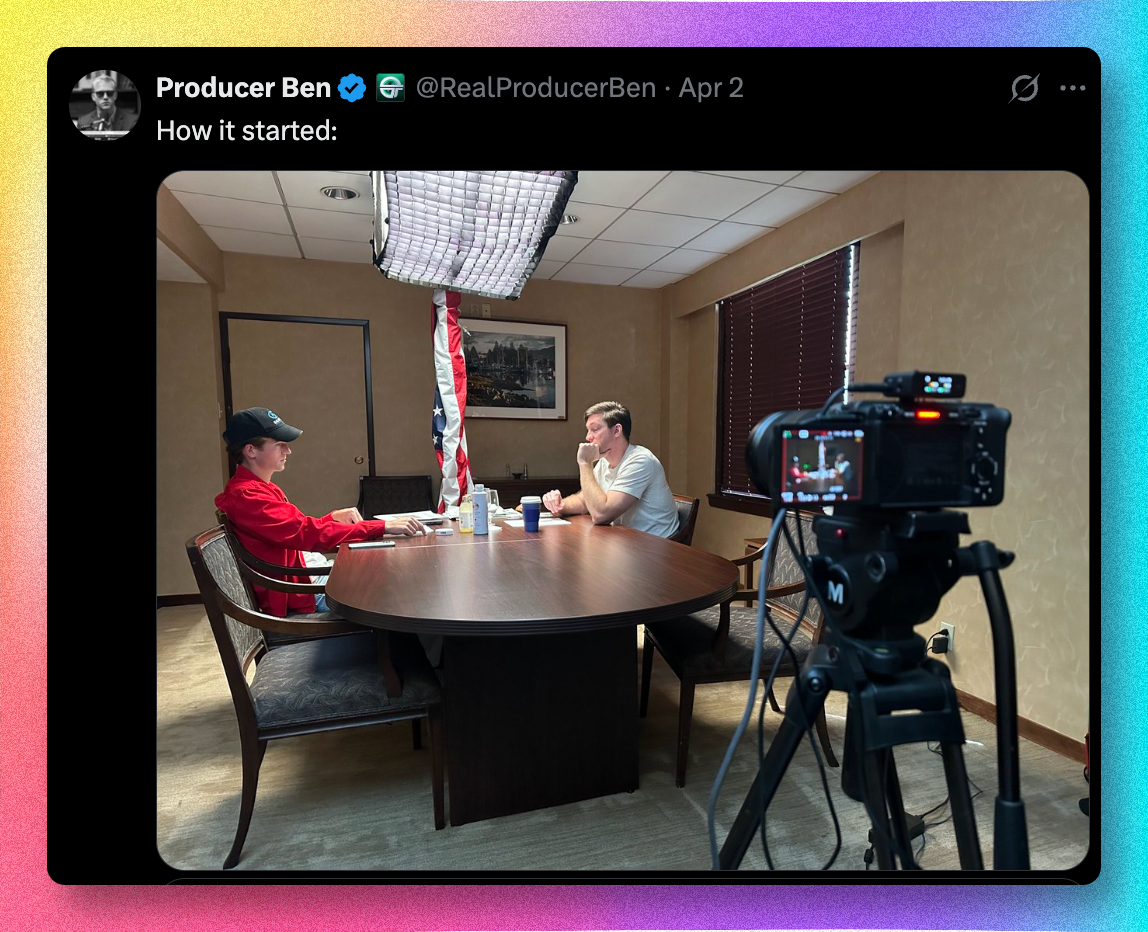
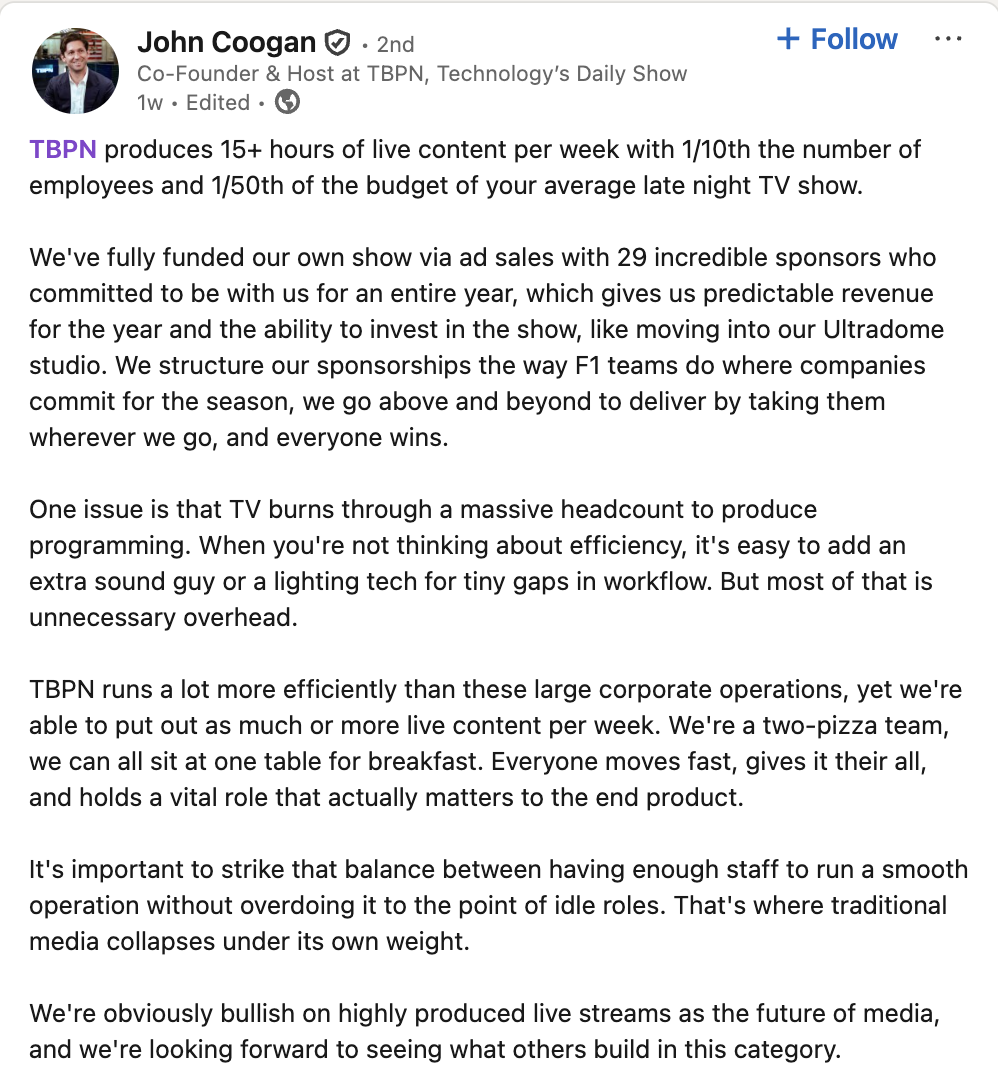
A creator-led media startup — a daily, three-hour live tech talk show hosted by entrepreneurs Jordi Hays and John Coogan. TBPN had 11 employees, 58,000 YouTube subscribers, and generated $5 million in ad revenue in 2025. They were on track to clear $30M in 2026. Put a nice media multiple on that ( around 2-4x) and you easily get to $100M+ acquisition price.
Who’s the audience?
The technology industry: Tech founders, VCs, executives, and the Silicon Valley ecosystem. It’s a hit there, so capital flows easily, because what the Valley may lack in legibility, they make up for in financial capital.
What’s the production cadence?
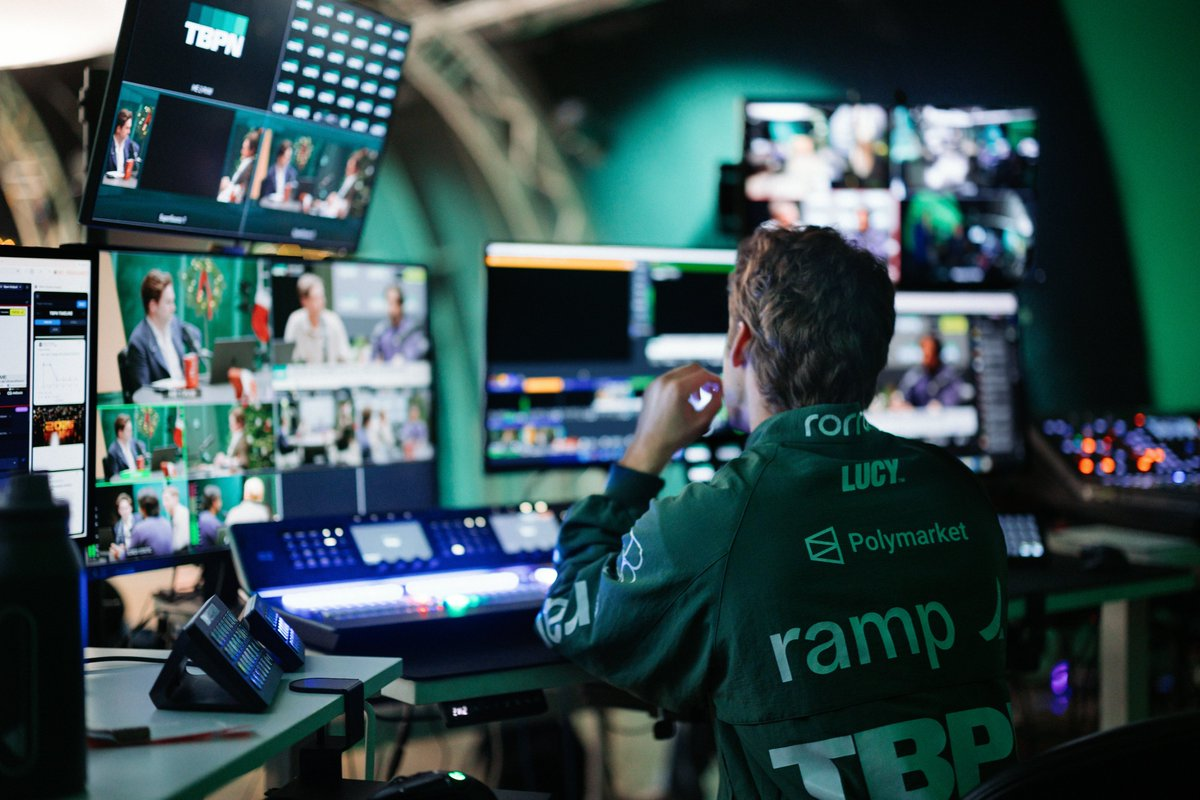
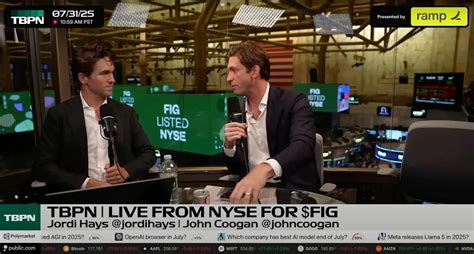
They go live for 3 hours, Monday - Friday, 11-2pm PST (2-5pm EST).
This is in the middle of two work days in the two epicenters of their show’s focus. The show ends when the market closes.
Think of this like iShowSpeed going live daily; TBPN has the same network effects, but for a smaller, wealthier group.
A live show can become a well-edited podcast. A podcast has to reinvent itself to become a live show.
Whether right or wrong, people judge on appearance, then substance.
Who were the sponsors?
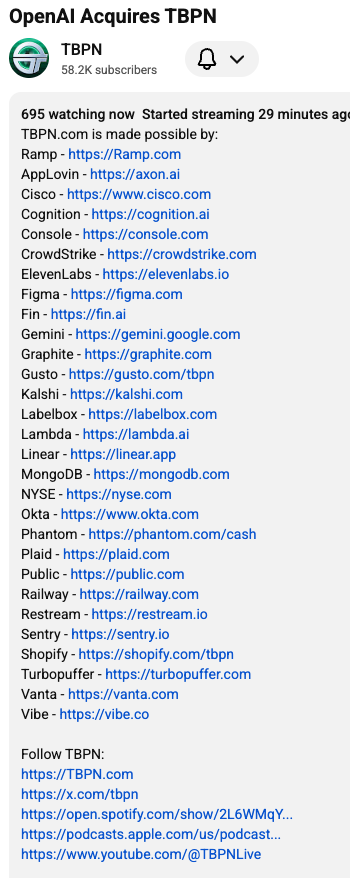
A who's who of well-funded technology companies that build infrastructure for different industries. And the New York Stock Exchange.
Here's an example of an ad they did for Wander, vacation rental business, during their first year. If you're a fan of 80s or 90s cinema, you'll get the references:
How do they get attention?
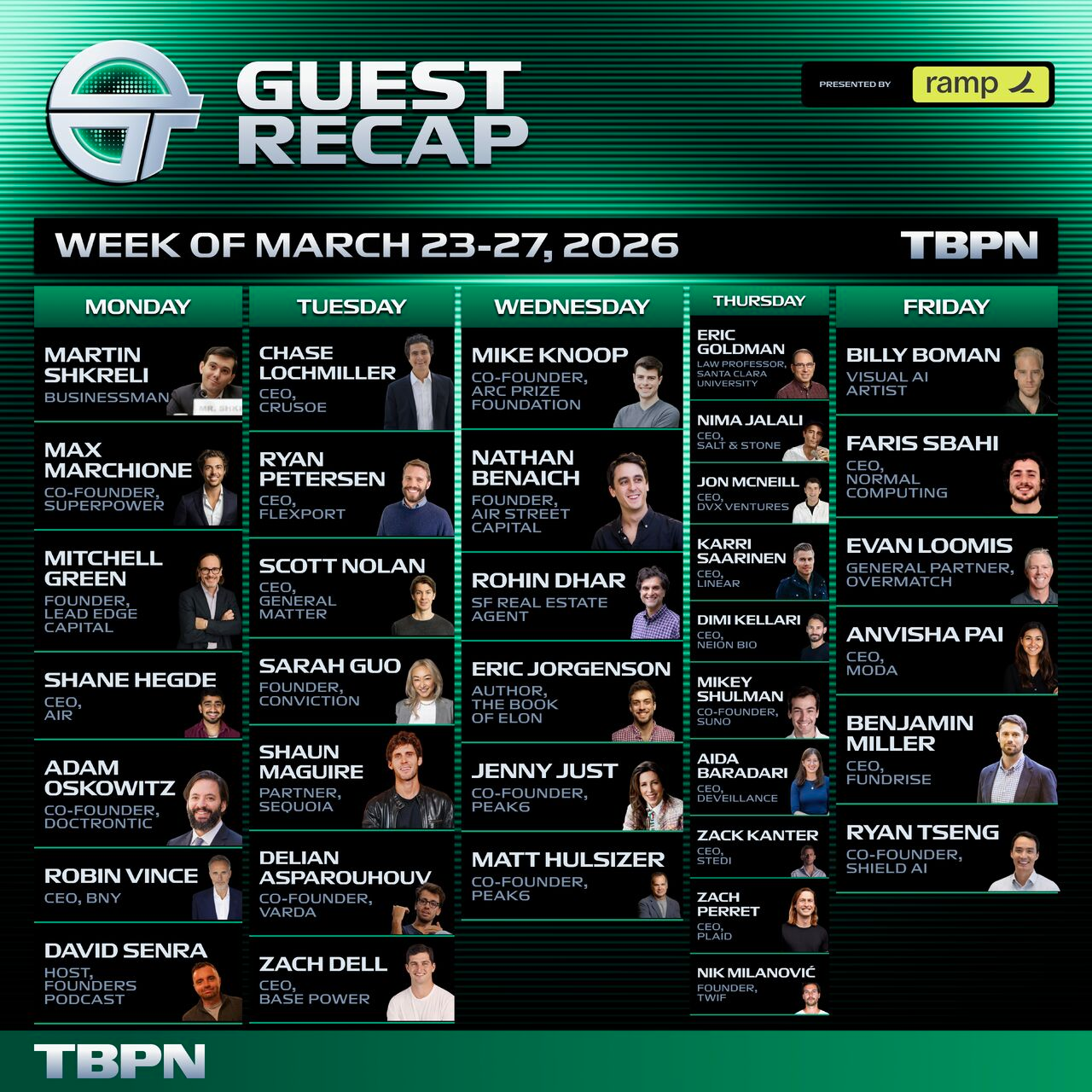
By treating the tech industry like sports. They have a clear format to explain and communicate big and small things. When someone raises capital, their announcement looks like playing cards. Here's how they announced one of their last weeks of guests in late March:
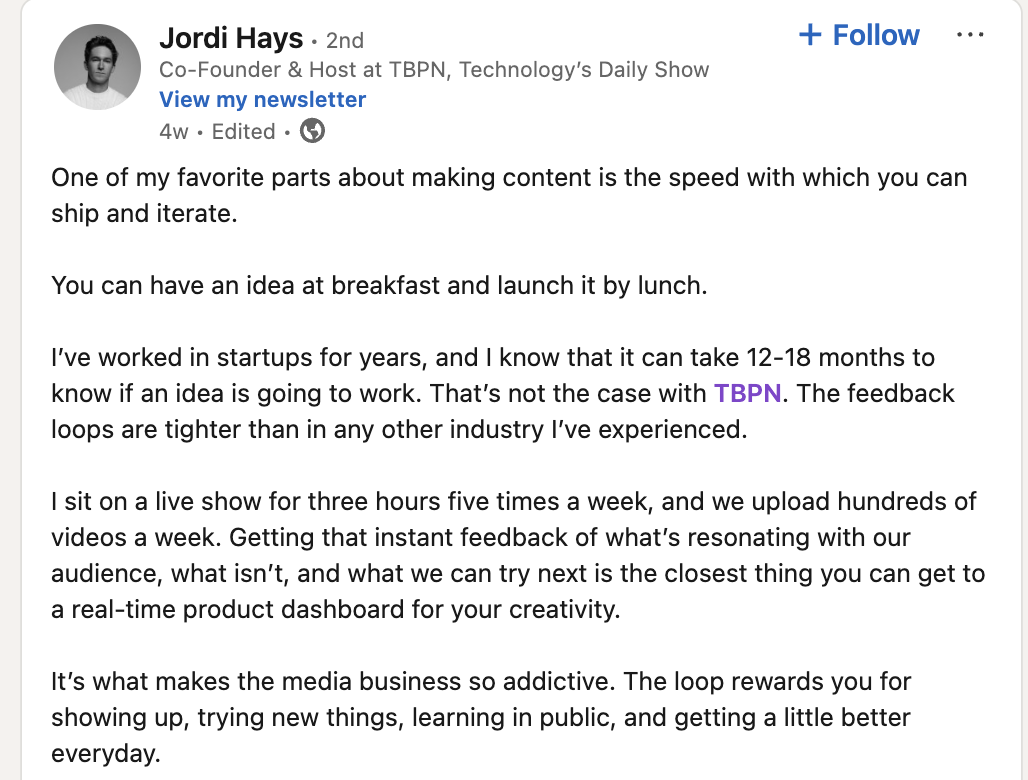
Recording daily (or having a compounding habit) allows faster adjustments due to immediate recognition. Media has one of the fastest feedback loops, making it difficult and exponential when you get it right.
Here’s Jordi:
Why would OpenAI buy it?
Trust acquisition.
OpenAI and the ecosystem are overwhelming people with new releases, but they’re not making them legible. Tech has a shaky narrative.
The environment lacks trust. TBPN built that with people who fund, build, and create technology. They have become the center of gravity for how technology in Silicon Valley wants to be talked about.
Here’s Sam Altman explaining the acquisition:
Is it a good deal?
Depends on your definition of good.
OpenAI just closed a $122 billion funding round at an $852 billion post-money valuation. They project a cash burn of $17B this year, not turning cash-flow positive until at least 2030.
The test, like with most acquisitions, is can you keep the flavor while adding new seasonings. When you buy something people liked, you have to overcome their suspicion and keep serving them what they want.
The value of TBPN lies in their editorial independence; they say what they want, how they want, from where they are, with a general bent towards being neutral-positive about the industry at large. The upside is, their audience is influential voices in the industry they cover, so they have a built-in net of supporters for now.
TL;DR: OpenAI bought the equivalent of a Richard Millie and needs to ensure it fits with the rest of their outfit.
Who else is doing acquisitions like this?
A few major ones in technology this year:
- a16z acqui-hired Eric Torenberg & his Turpentine podcast
- Plaid bought a newsletter business called This Week in Fintech.
- HubSpot acquired Starter Story, a site all about people who start and build things.
Ideas always need distribution.
Are there other comps in the ecosystem like TBPN?
Europe has its own version, aptly titled etn (European Technology Network). Similar model, completely different market dynamics because its Europe. This is why when someone says “we have enough of that” it’s rarely true. Every industry has insiders and norms, which means there are unlimited untold stories that you can tell, and formats you can use.
What are the risks?
Independence and trust erosion. Audiences are sensitive to values erosion, so OpenAI doesn’t scream freedom of expression as a core value. TBPN was built for Silicon Valley to discuss their work openly, among peers. Having it happen under the flag of OpenAI
We have few examples of a non-publisher buying a publisher. An owned platform forces their preferences onto the platform.
Execution is getting cheaper due to technology. Judgement, specificity, and taste are tangible things that people care about and are becoming more real.
But Jordi and John are smart, so announcing the acquisition themselves was an exercise in trust. Why let someone break a story about you, for you, when you have the distribution already?
What does this mean for me?
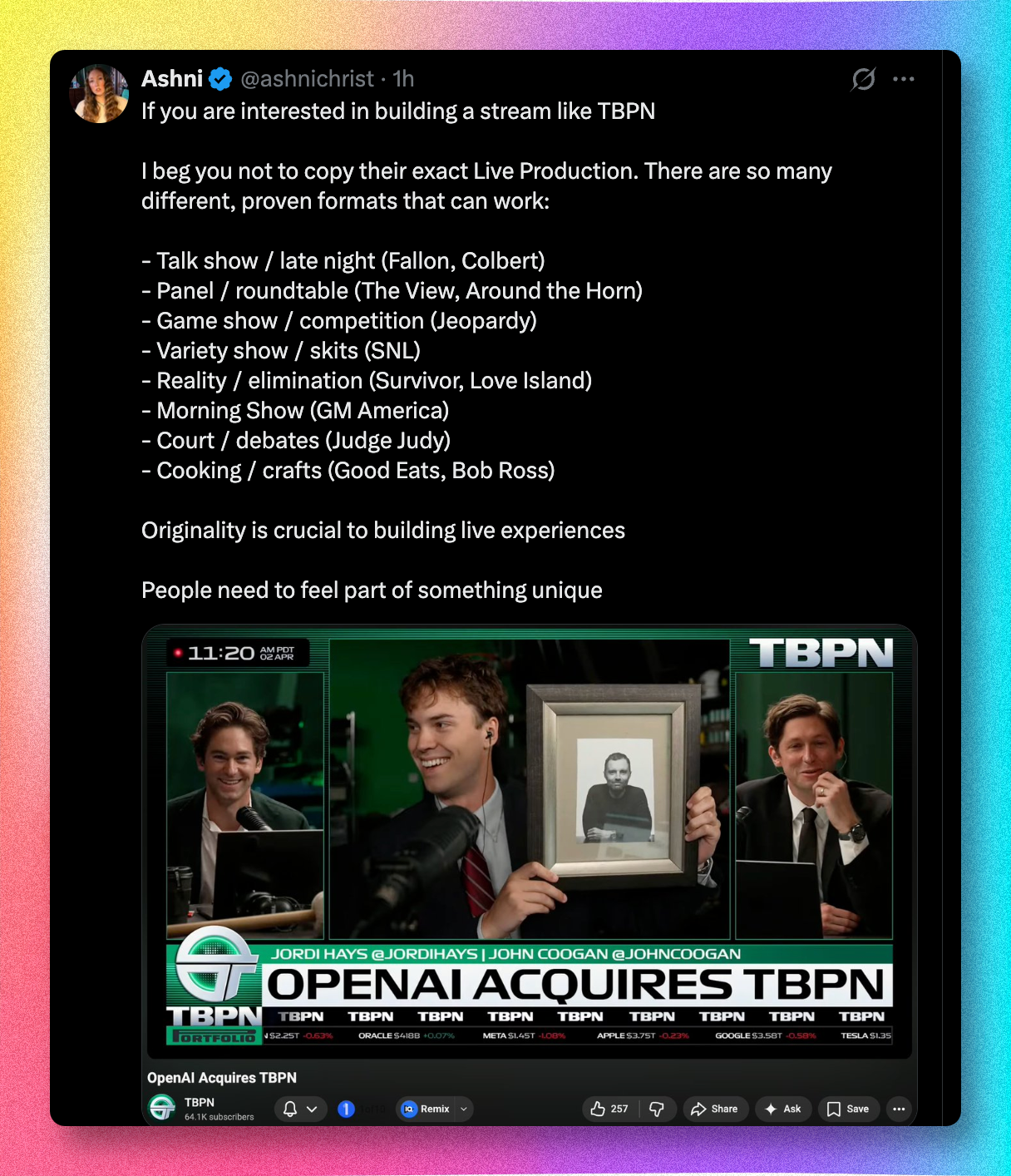
It could mean a few things. But I believe one of the most important ones is to realize that we are in an era of interest-based media and algorithmic consumption. I found some of these comparisons useful:
They don't have that many subscribers though? What's going on?
Subscribers has never been an indicator of influence, in the same way social followers has never equalled sales conversions. A better question might be: your favorite thing to watch that covers what you do well, does it change in value if more people find out about it? The question is, who are their guests?
Here's advice they got from David Senra, the host of Founders. I think it's good for anything being built.