

What's Actually Going On
- Structural “attention recession”: people are online more but engaging less per piece of content; default behavior is skimming, skipping, swiping.
- Platform saturation: every network seems crowded with creators and brands, so the algorithm feels like it is rationing reach and prioritizes novelty and watch-time over breadth.
- Fragmented audiences: instead of one or two dominant platforms, people splinter into niches by age, interest, and ideology, so any given channel delivers smaller, noisier slices of the market.
- Broken measurement: Visibility and marketing are not simple to attribute: what is the ROI on Nike's World Cup ad? Is it the people who watched? Did it drive online purchases? It's not simple, and it's important.
- Pay‑to‑play shift: the platforms’ economic model has matured; organic is now the teaser, not the product. You buy real reach, or you compete in the scraps of free distribution.
The reach recession is the phase of social where attention, not followers, is the scarce resource: organic impressions are inflated, engagement per view is deflating, and brands have to trade volume hacks for depth, distinctiveness, and paid amplification just to stand still.
The Three Era Problem
At first, the core promise of social was simple: if it's good, it will travel.
I built a business in the middle of this, and I can tell you firsthand — the way traffic worked back then was different. Buzzfeed was dominating the internet with listicles about cats. Vice was explaining how war worked around the globe. Lil Terio was giving us memes we wouldn't appreciate until later.

Agencies, brands, and consultants promised to unlock social or make you a star. The platforms were still establishing their dominance. This was the Virality Era — and the platform itself was your endorsement infrastructure. If the algorithm picked you up, you traveled.
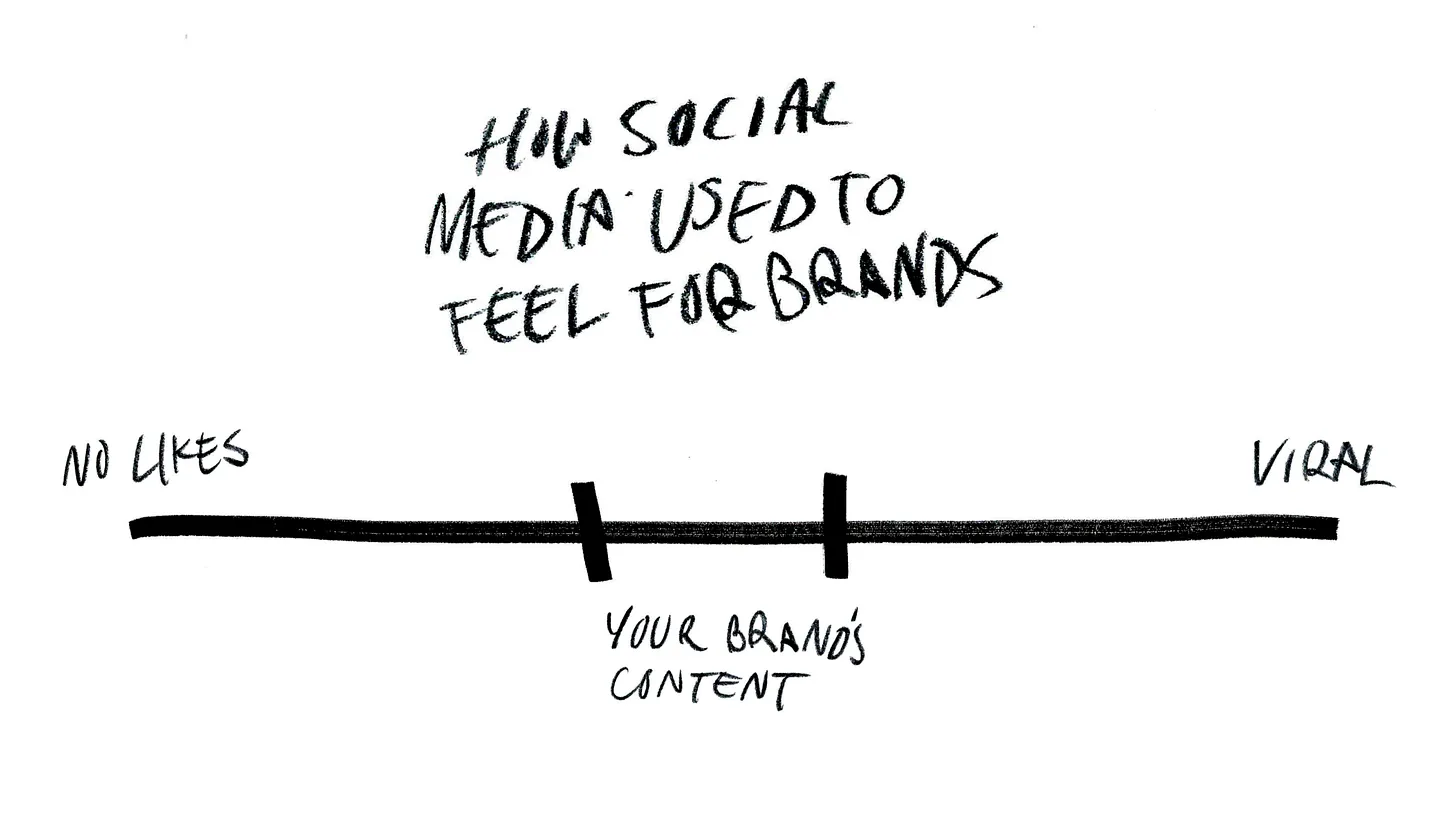
Then came what felt like the golden age. If you just made it well, people would see it. Engagement was up. Everything was awesome. This was the Visibility Era — and the comfortable assumption was that volume and quality were enough. Post consistently, build the right idea, and it would just "go." What was actually happening was that a market was being formed — and because it was "free," we were the product. The audience became the endorsement infrastructure. Follower counts and engagement rates became the signal that something was worth paying attention to, or investing in.
That used to look like this:
We are now in the Viability Era. Things changed to this:
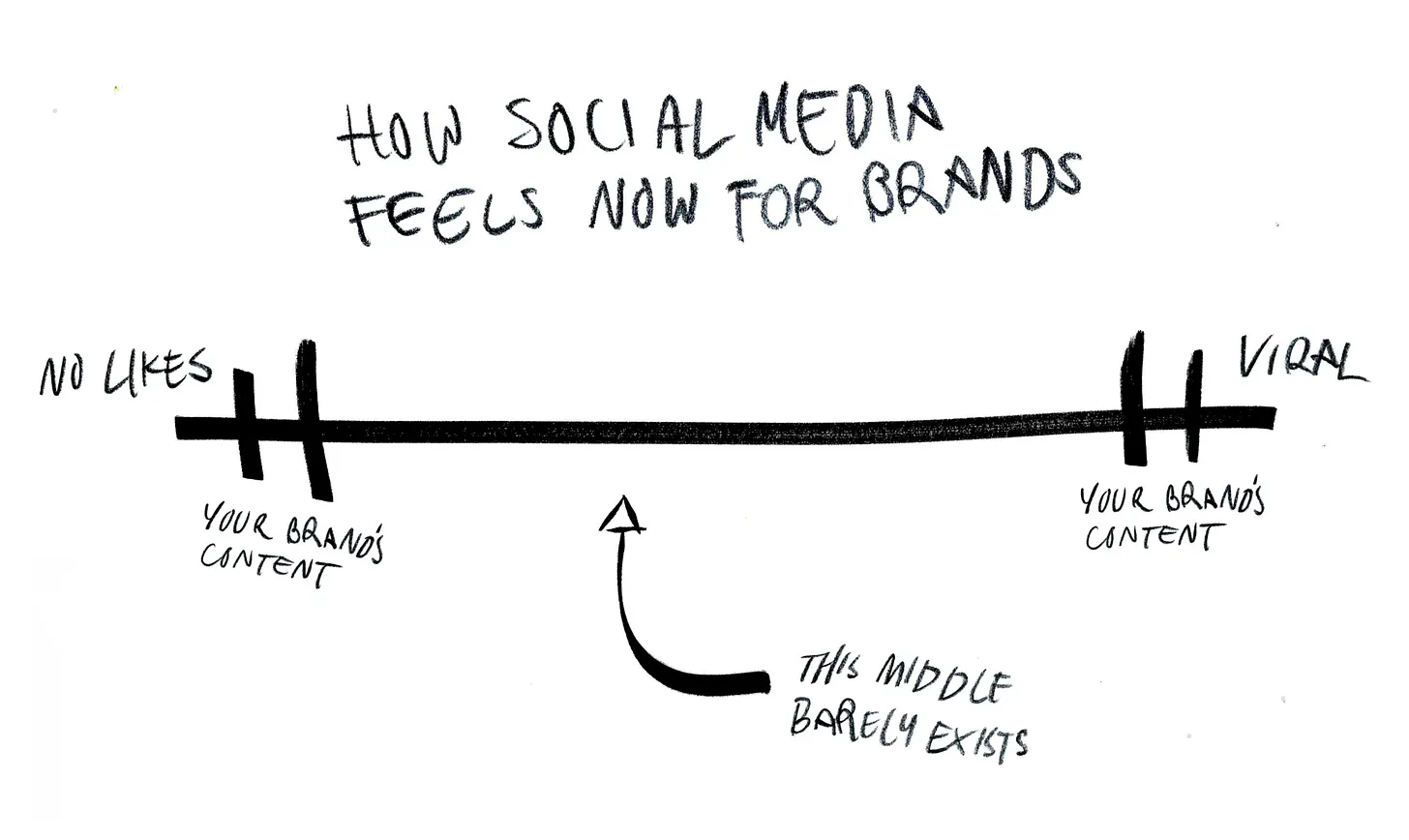
Audience size no longer determines what is possible. Trust does. The competition isn't about scale anymore — it's about legibility. Is what you're doing clear? Can it be acted on? The reach recession is what happens when you lose the algorithm as your endorsement infrastructure. What replaced it is something harder to manufacture and impossible to fake: specific humans, in specific contexts, vouching for you, and showing resonance in different ways.
Plus, every channel has a distinct culture that sometimes overlaps, but in other ways does not. What may outperform on Threads, may have nothing in common with Youtube, even if it comes from the same person.
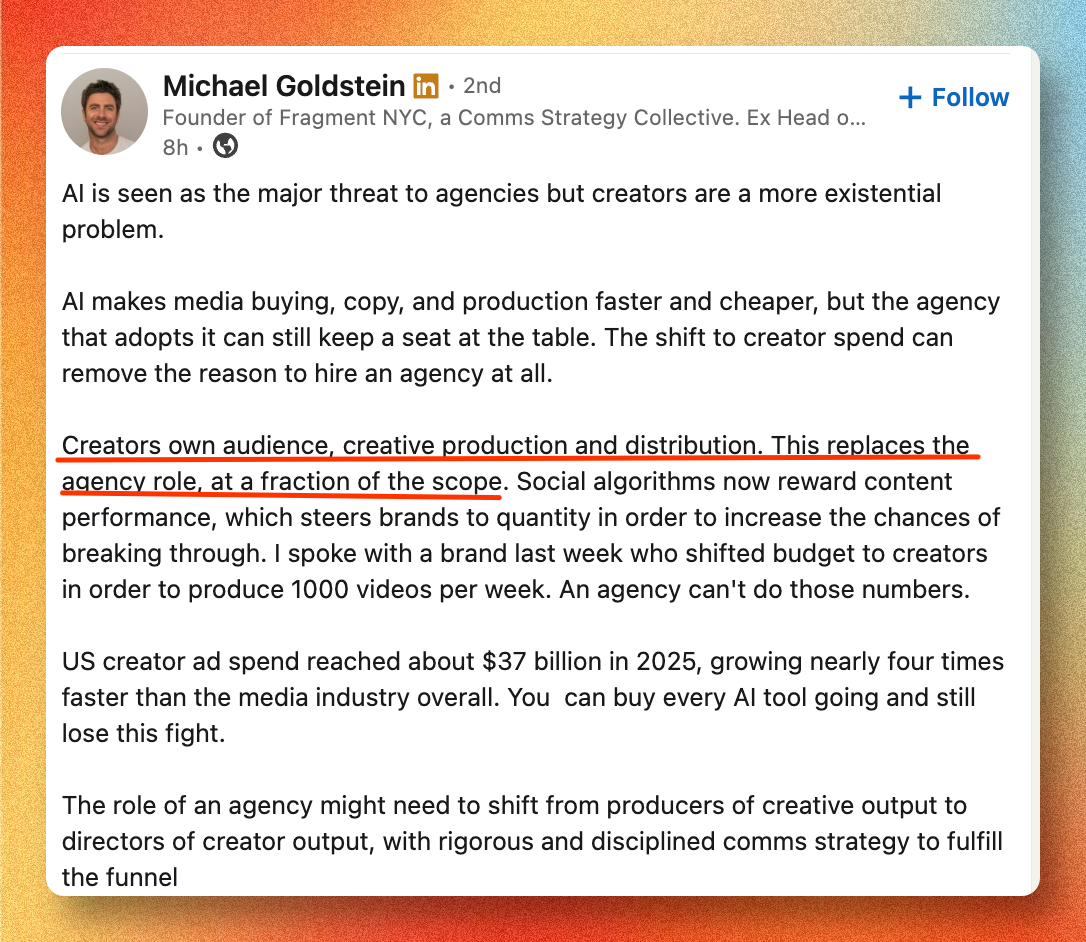
In this era, being distributed well is table stakes, and people are doing more from what they are making.
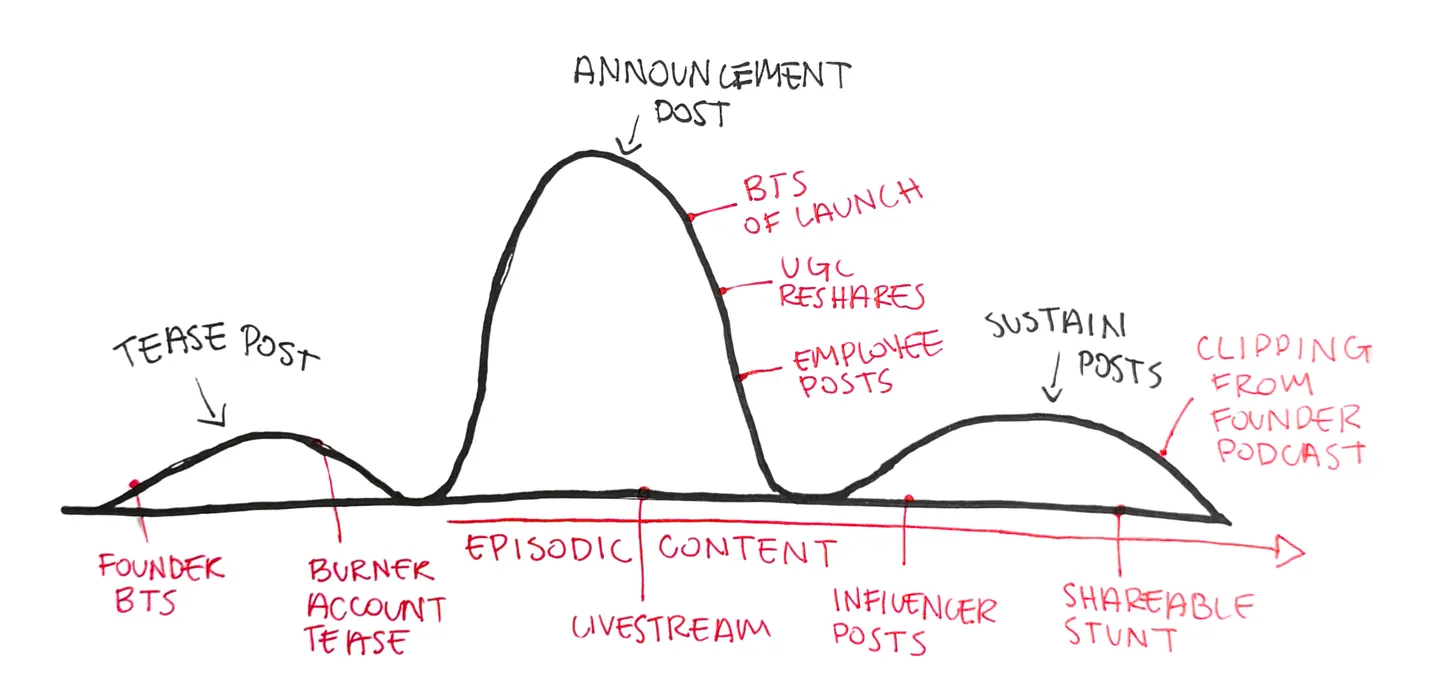
What the Market Is Telling Us
Private Equity is waking up (and throwing money around).
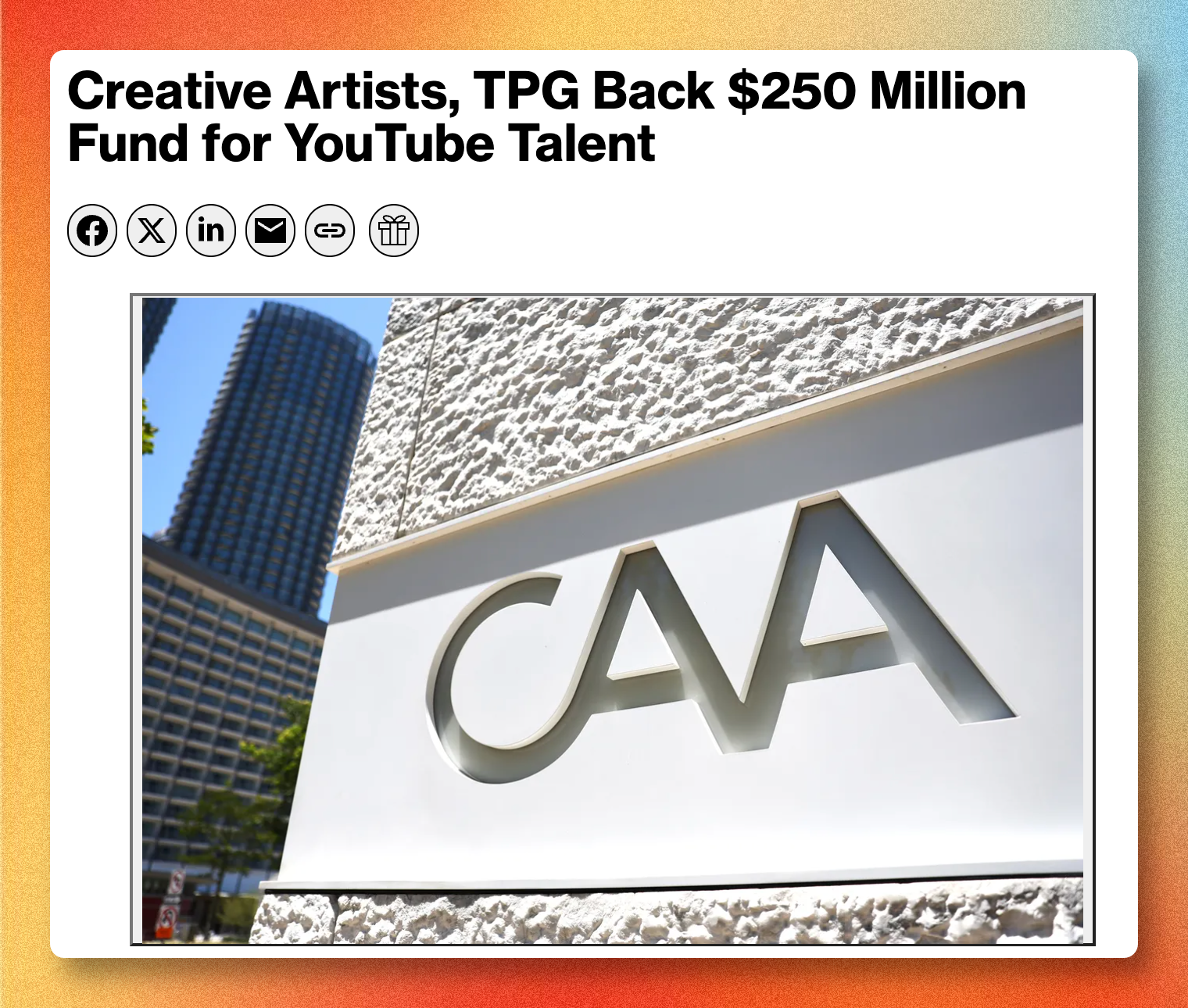
CAA and TPG just started a joint fund called Compound Creative Holdings, led by Tucker Brown, who helped Dude Perfect raise $100M. Their explicit mission: focus on creators who have built media businesses generating at least tens of millions in sales and could use capital to expand their operations. They're not interested in buying a share of revenue tied to an algorithm. That's because PE can't make a return on anything that isn't integrated and growing. The money people want is unlocked by the structure and systems that get avoided. They estimated there are hundreds of creators who fit their initial investment strategy. That should tell you how much growth is coming
What was free is becoming freemium.
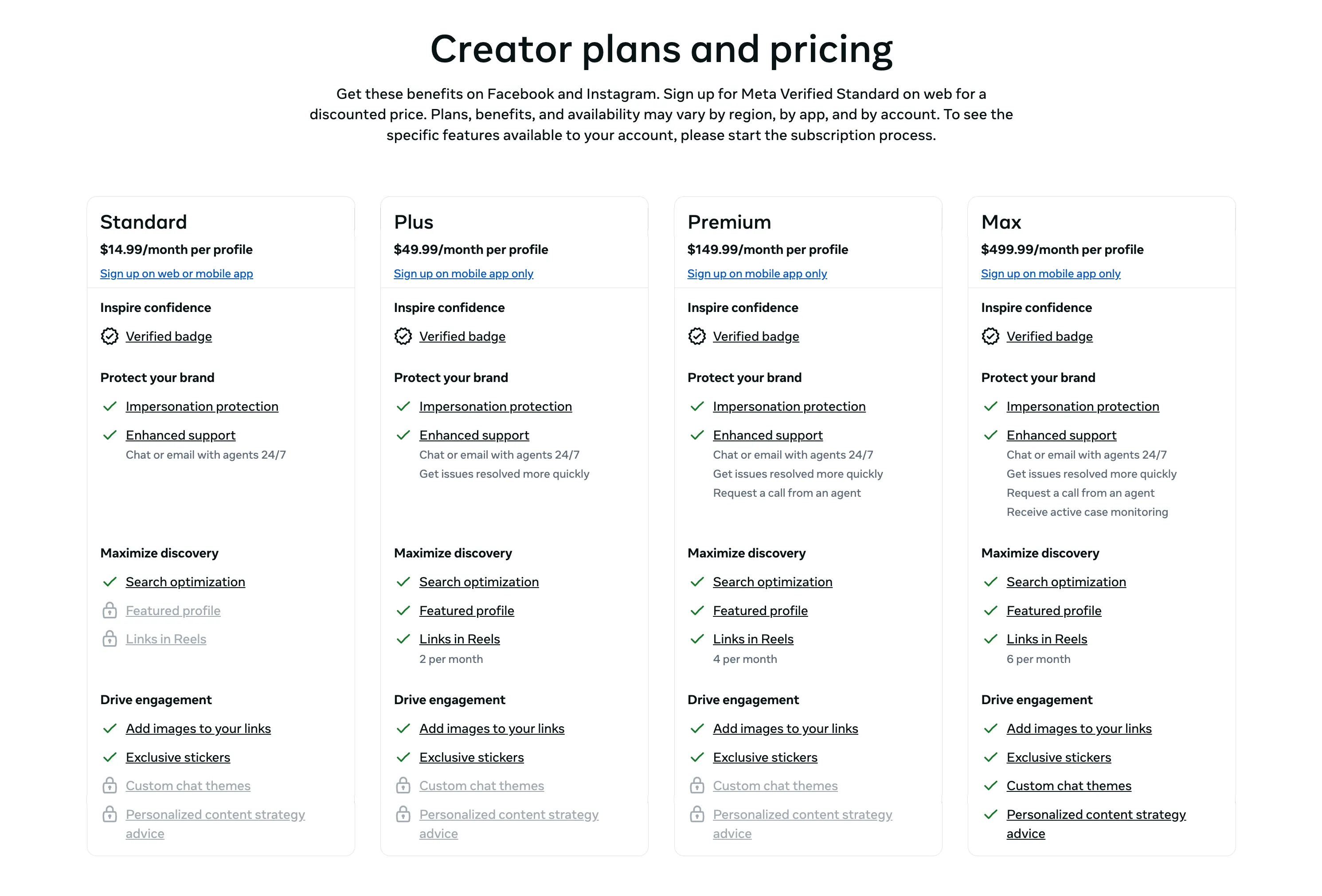
Meta just launched Instagram Plus, Facebook Plus, and WhatsApp Plus globally. And the big dog of the group, Meta Verified Plus. This is an attempt to create better incentives for features people have been asking for. I don't need to fight Manychat; I'll just build the feature and enough people will come around, because it will be integrated.
Agencies are getting priced out.
LinkedIn is building a B2B Creator Marketplace
Amazon launched its Creator Hub on FireTV,
YouTube Creator has a Marketplace
What an agency used to promise is becoming self-service. Traditionally an agency was promising to get you deals at a higher margin, so you could focus. Now with the right system (and leverage) you can get deals. There is still opportunity for representation that helps you get somewhere faster, but it's a discernment process now.
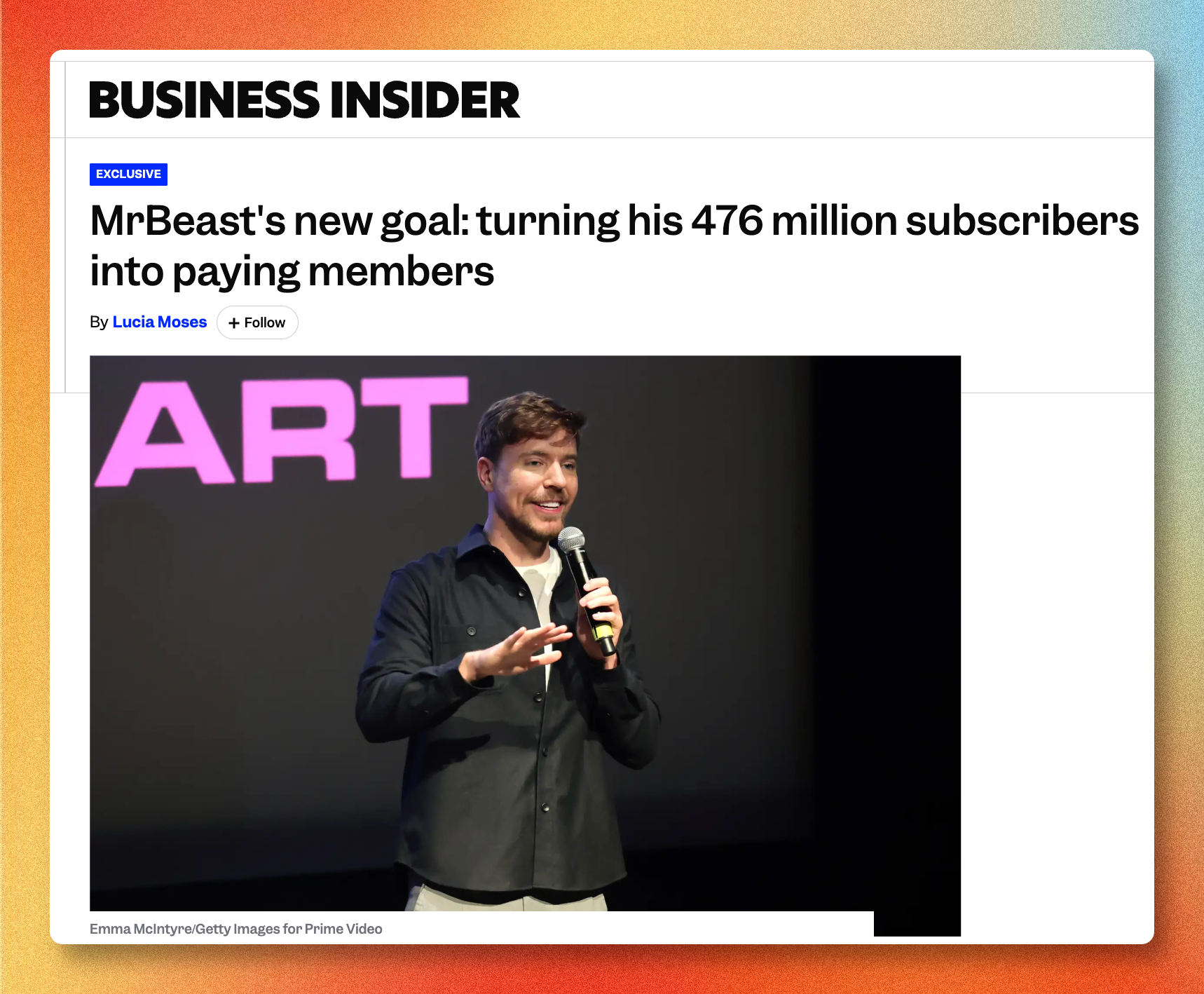
Formats are blurring. MrBeast and James Patterson wrote a book together coming out later this year.

Legitimacy is no longer conferred by format (book vs video vs social); it’s conferred by legibility and viability — whether real humans, in specific contexts, will vouch for you and your work.
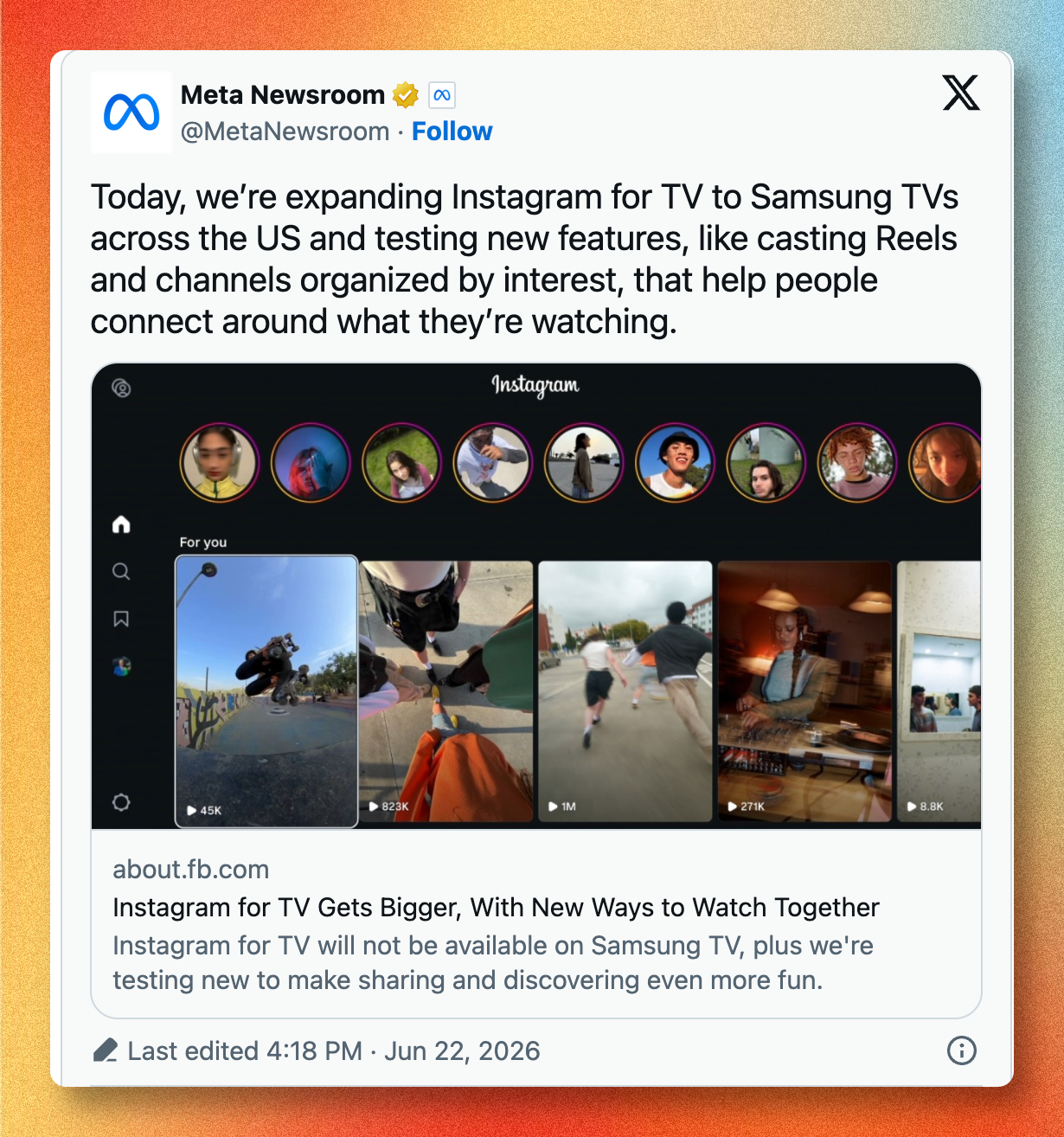
Instagram wants you to cast reels on your TV.
Networks are investing in (younger) people to keep relevance.
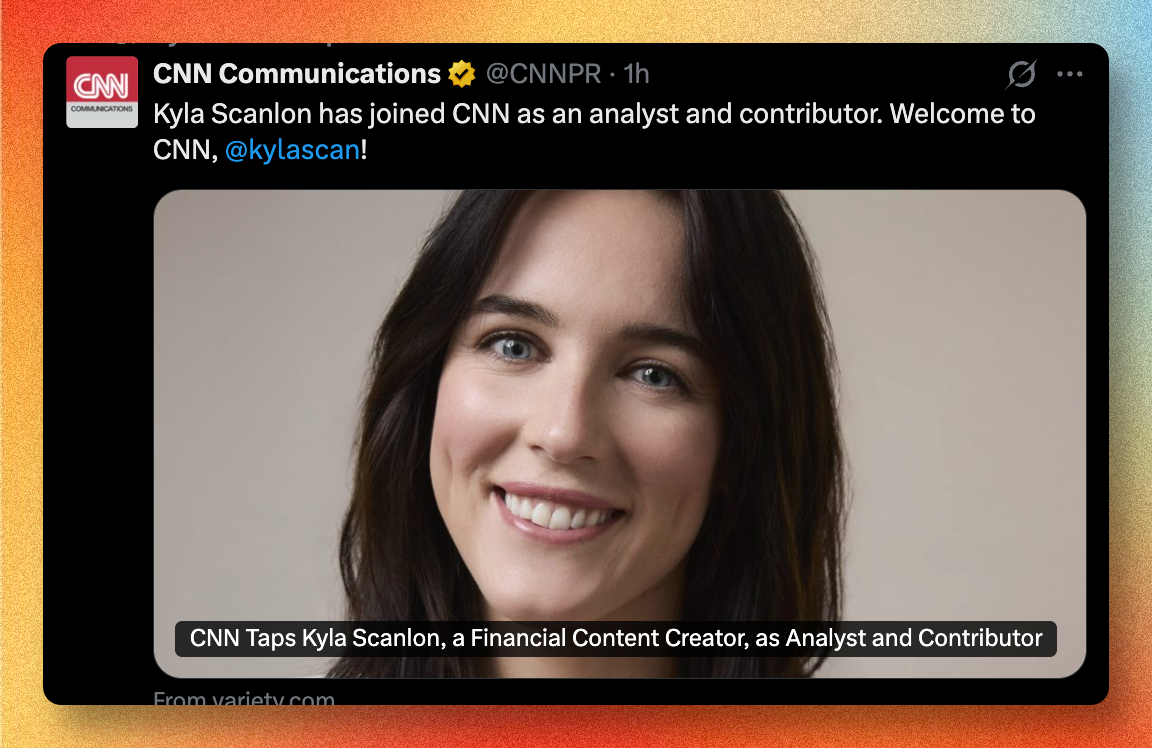
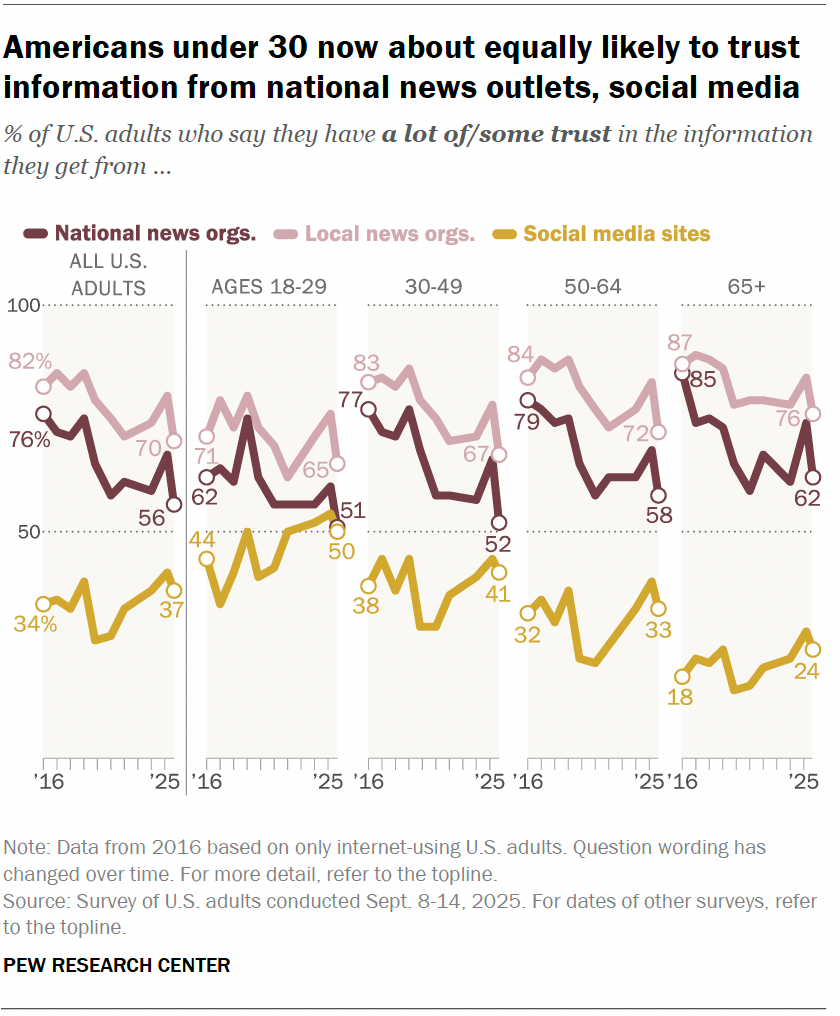
It's not enough to just have scale right now, you need trust. Kyla Scanlon has amassed a loyal following, covering issues that explicitly place Gen-Z at the center of changes across housing, education, and finance for years. Her newsletter reaches 100k+ people.
CNN (or any other traditional network) really doesn't have a choice, given the data:
The Legibility Problem
Here's what makes this era genuinely hard: you need to be legible to three audiences simultaneously, and they want different things.
Your mass audience wants relatability and clarity. Your potential investors want scalability. Your collaborators want reliability. Most people optimize for one and wonder why the other two don't show up.
Viability is also not reserved for financial capital — it's about perception. The value propositions have changed. The value of a talent agency was to sign you and put you on. Now they can't actually promise you that, because things are moving too fast. What used to be "just content" now carries the vocabulary once reserved for high art. Audience size no longer determines profitability. You can do a lot with a little. What to do, and how to do it, is the challenge.
Things You Can Do
Do not panic.
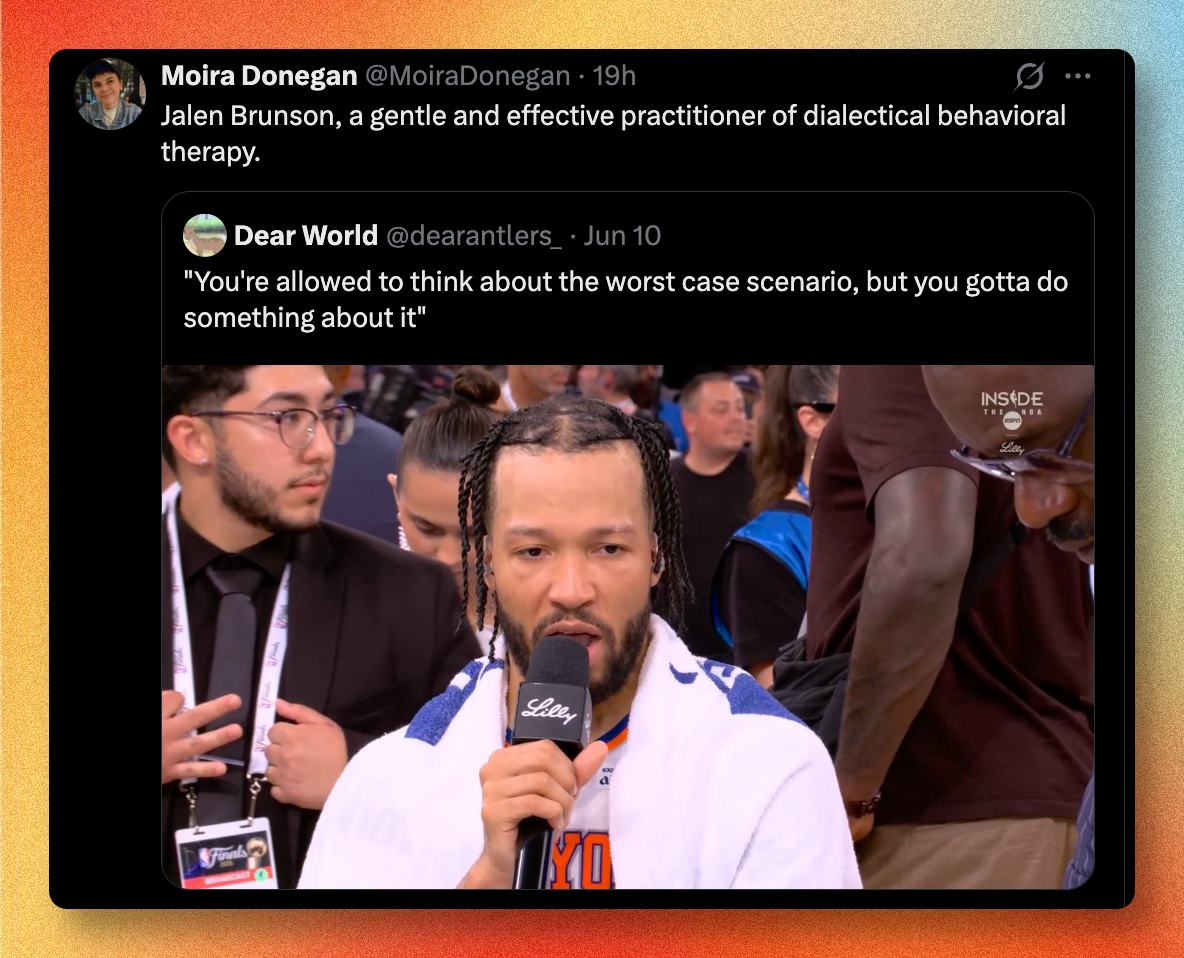
Much of internet discourse is led by fear or rage. These trigger our dopamine systems and hijack our executive functioning — which makes it harder to think about what you're thinking about. If every change is existential, then nothing is.
Know your bridge. Choose your home. Social cannot be a home. It is a transport system at best. The key right now is to decide where you want your things to live, and how you want to help people — audience, collaborators, investors — get there. A lot of the angst in this moment comes from people who park their work on the proverbial Brooklyn Bridge and get upset when there's traffic in both directions. Great view, nice to walk across. But you can't live there.
Decide what you want to be known for. Take your time. This is counterintuitive, but it takes longer to find what you want to be known for than it does to decide you want to learn something. Too many people confuse being lost with rebuilding a muscle. I had a trainer tell me that as you get older, mobility is actually the key — not just to lifting the weight, but to stabilizing under it. The same is true here.
OPERATIONS
Take your team seriously.

Somewhere along the line of "doing it yourself" and "I can figure it all out," people get addicted to the solo life. Show me someone who did it completely alone and I will show you a liar — not because they didn't work hard, but because they have an attribution error. Somewhere, someone or something aided in their movement. If you're strapped for cash, barter and negotiate. Your skills and access are worth more to someone than you think. If you're strapped for time, pay for the help you need. Your time is worth more than you are valuing it at. Nothing destroys a business faster than poor leadership. You can survive a bad quarter. Failures in people can erase years of work overnight.
Every yes is a no.
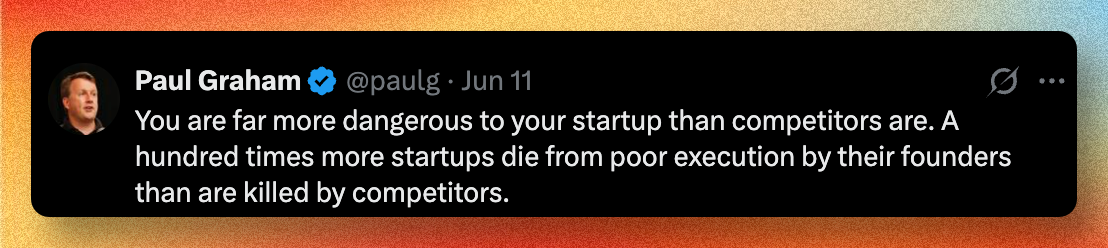
Any tool you want to learn is something else you aren't doing. Every meeting you take is time uncommitted to something else. Learning the skill of saying no — and quitting things — is paramount right now.
Know where you eat.
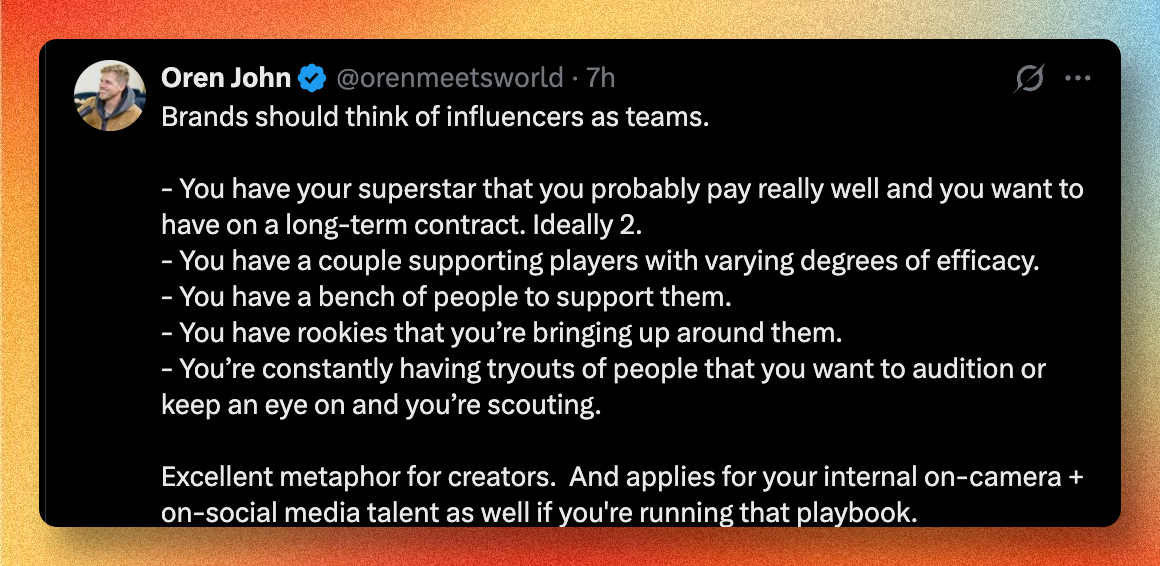
Sometimes where people want to hear from you is not the same as where you want to be heard. Accepting that reality can create a much deeper opportunity When people tell you "it's too late" or "not worth it," you should be asking: what is their incentive to disillusion you? What do they gain from communicating that hope is lost?
You should just do things. (and choose not do things).
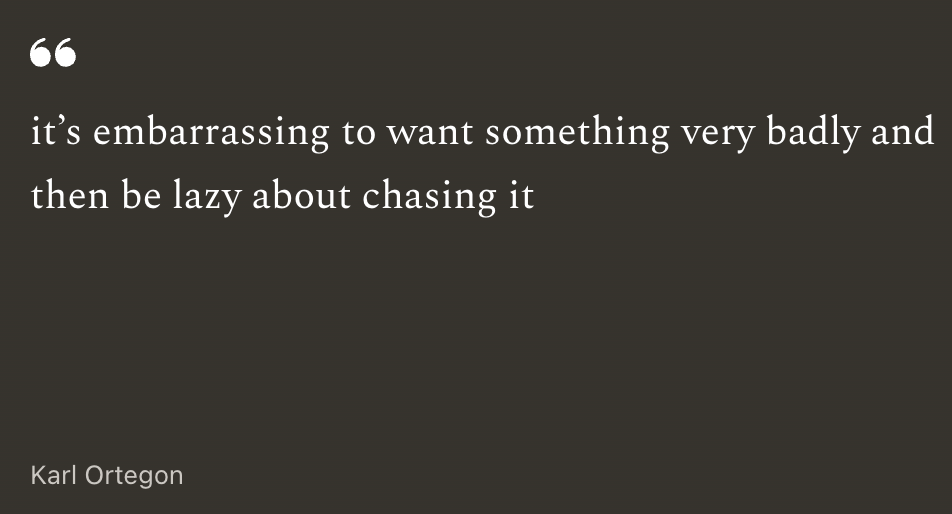
I have an intimate struggle with public visibility. I've put effort into identify the why, the how, and even fight against it, but until recently, I wasn't trying. Effort connects to willpower, which is finite, so I gave myself the illusion of doing something, which is not a thing, but trying is very different. Instead of wasting all that energy on the feeling of effort , I could have:
- Mapped where, exactly, I want influence, with whom, and why, instead of vaguely “being more visible.”
- Asked all my friends about the people they listen to the most, and ask why they give their attention to those people
- Chose 1–2 primary arenas (writing, speaking, building) to actually dominate.
- Commit to 3–5 serious artifacts (read: projects) every quarter that clearly demonstrate my judgment and taste and share them.
- Interview people across domains of expertise who have developed enduring influence, publish my findings, then adopt their principles as my own
- Treat every "flop" as a formal experiment, do a pre and post-mortem, so the experiments can compound in value
Oversaturation is a mythology. The world needs more seasoning.
All of the reasons people give to not do something, are just downstream of their personal incentives. When you hear things like:
Everyone is already on Instagram, there's no more space to do ___.
You need to post in the morning, because that is when engagement is highest.
If it's not vertical video, no one will watch it.
No one is reading. Books are finished.
None of us are on the same internet anymore.
No one has the answer. These are uncharted waters, which is the fun part.
Nobody has the complete playbook for the Viability Era. We don't. The people with the biggest platforms don't. The difference between the people who will figure it out and the people who won't isn't certainty — it's the willingness to stay in the work long enough to find signal you can use.