

There’s a term in psychology called the assumption of competence: because something looks simple when done well, we assume the doing is simple too.
You see a clean feed of clips, trailers, and episodes and think the game is volume—just hit publish more often, have something interesting to say. But the reason IP-driven brands compound isn’t that they shout louder or longer; it’s that they’ve quietly built the infrastructure that makes consistently good work possible at all.
Editors, trailer specialists, thumbnail designers, producers—these roles exist to turn “just podcasting” into a machine, and without that scaffolding, most people’s dreams of being an IP business collapse under the weight of their own output. But if you've never been behind the scenes (or beneath the fold), it's hard to understand everything that goes into it.
The work is always behind the work.
How to Make a Hit
Steven Bartlett’s team was recently hiring and I came across the advertisement. Here were the open roles they shared:
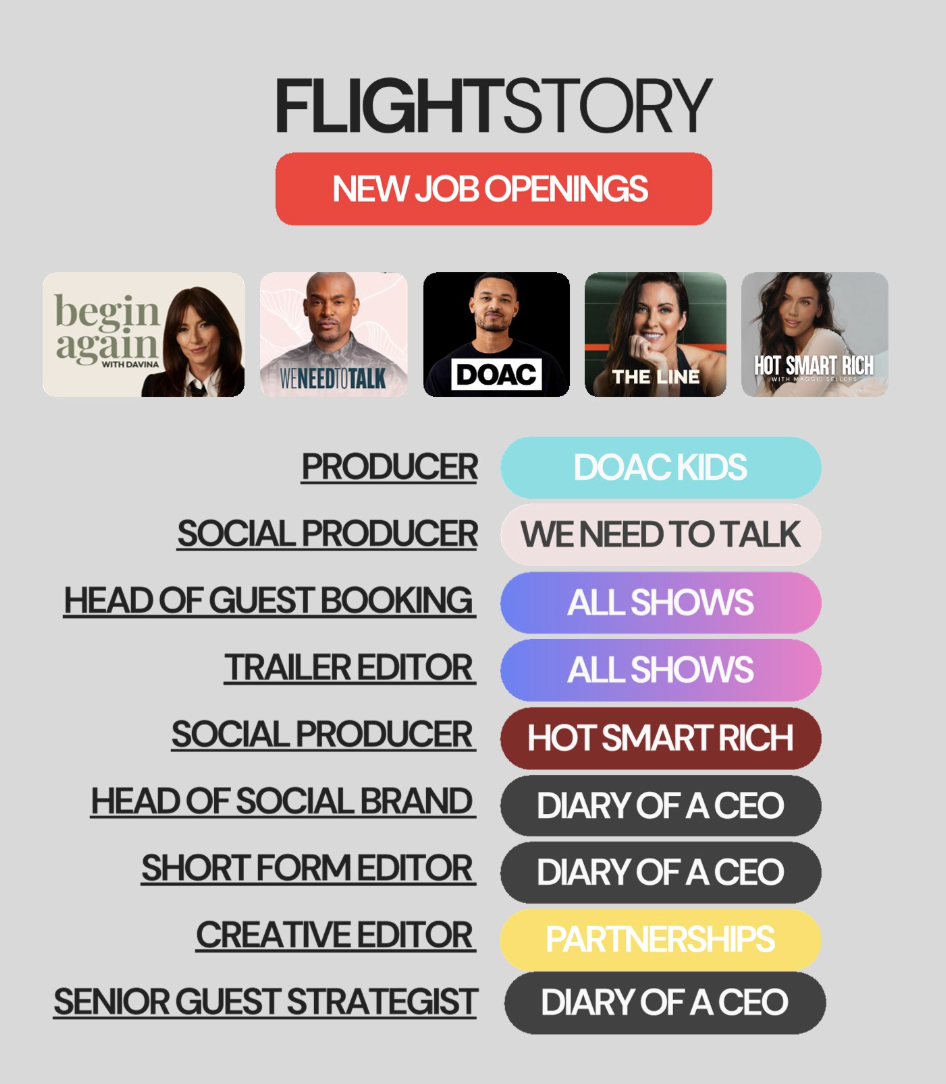
Some of these are traditional roles, some are specific to the demands of an IP driven media company. All of them are about keeping the mechanism moving forward.
Let’s focus on the trailer editor for a second. Reporting to the Director of Trailers (obviously).
This role is a specific outcome based role for a specific kind of viewing experience. It is the first thing a viewer encounters, and might be the difference between them stopping, or continuing on the feed. By themselves, trailers operate as their own form of episode; enough to generate intrigue, but just enough to not give everything away. You make the first thing people see, and decide if they want to keep going.
But if you're making trailers, you're also:
- Translating episodes into hooks: Watch long-form content and distill it into sharp, standalone narrative hooks that can stop a cold audience in the feed.
- Own first-impression performance: Design the first 3–10 seconds (visual + audio) to maximize scroll-stopping and retention, not just aesthetics.
- Cut for conversion, not art: Edit trailers specifically to drive a next action—full episode view, subscribe, follow, click—using structure, pacing, and framing.
- Read and react to data: Monitor watch time, drop-off points, CTR, and completion rates on trailers; adjust formats, openings, and topics based on what the numbers say.
- Collaborate on packaging: Work closely with title, thumbnail, and copy roles so the trailer, title, and thumbnail form a single, coherent promise to the viewer.
So the question is: how much is a role worth that brings new people and helps convert them into audience members who can become customers?
Kevin O'Leary has an answer:
Kevin O'Leary - Iced Coffee Hour
It's quite for all that it's just posting it's not that serious. It's customer acquisition that starts with attention and ends with card details.
Where the Roles Reside
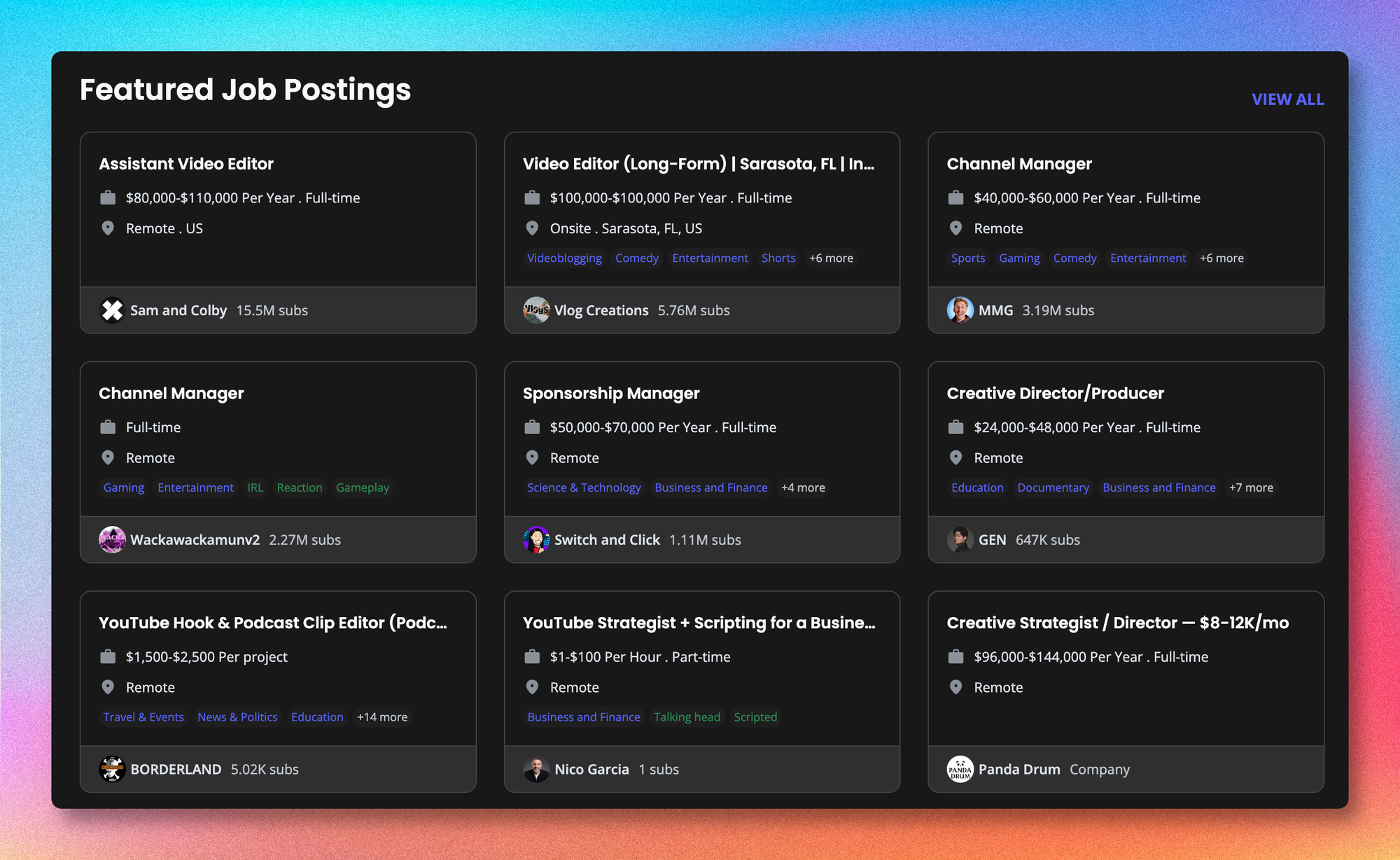
One of the best ways to see what people are finding value, is to see what they call the things they need to hire for.
Sites like YTJobs are servicing an entire ecosystem. Everything we watch, needs infrastructure to be made.
Selling Money With Media

Let's talk about finance and venture.
In an industry where having money is the commodity, you have to stand out, and it's not going to be how much you have. But when you've been trained to behave into taking consensus bets (but call it marketing innovation), that's tough to do. So you need to find a way to get clear, quickly. How?
Make shows about things you know.
Here's what that looks like, through a few different lenses.
The Firm: Forum Ventures
Forum Ventures is a $100M fund that invests in B2B businesses. Here's one of their partners:
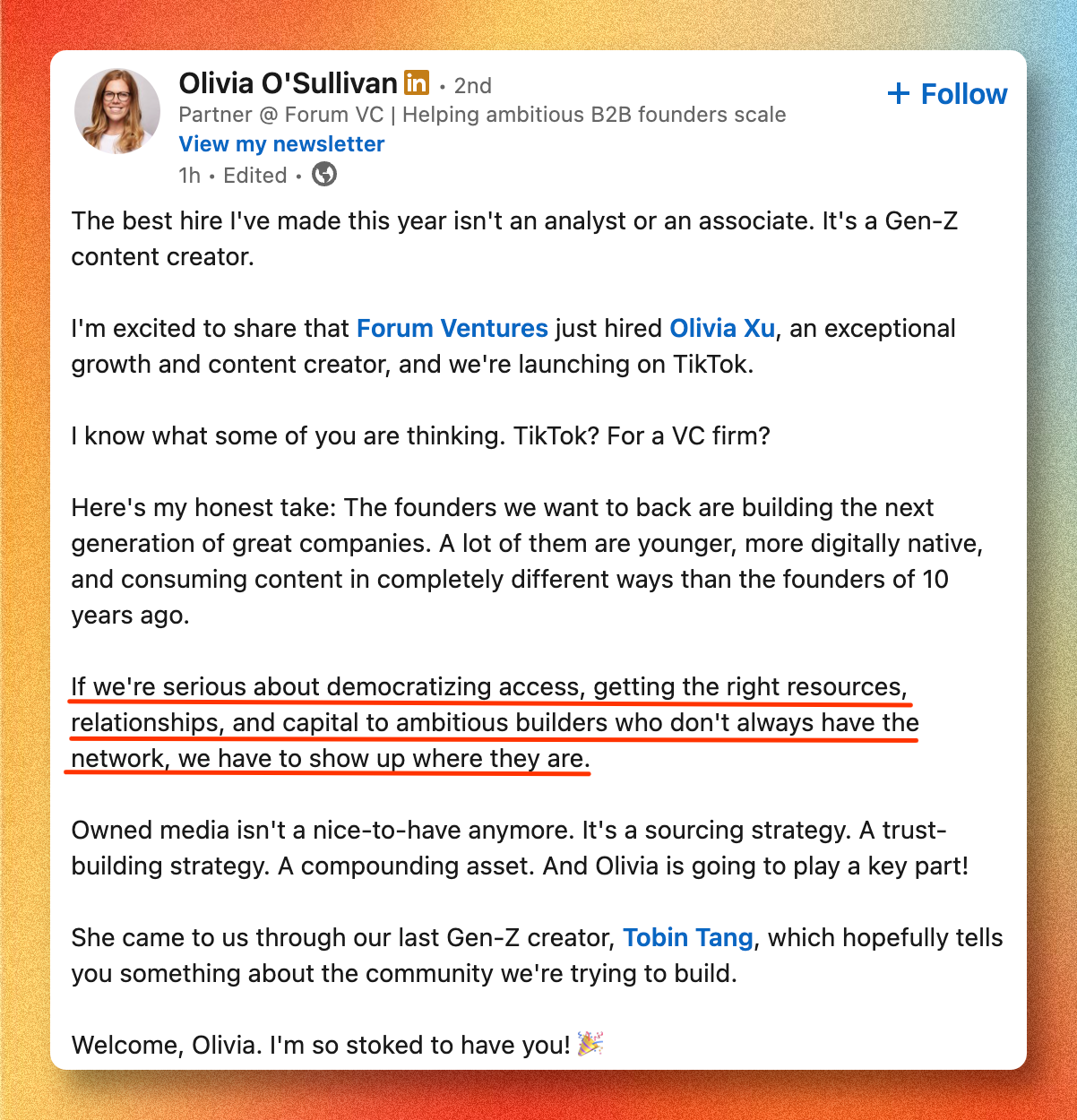
Here's the video from said Gen-Z creator:
The Fund: First Round Capital
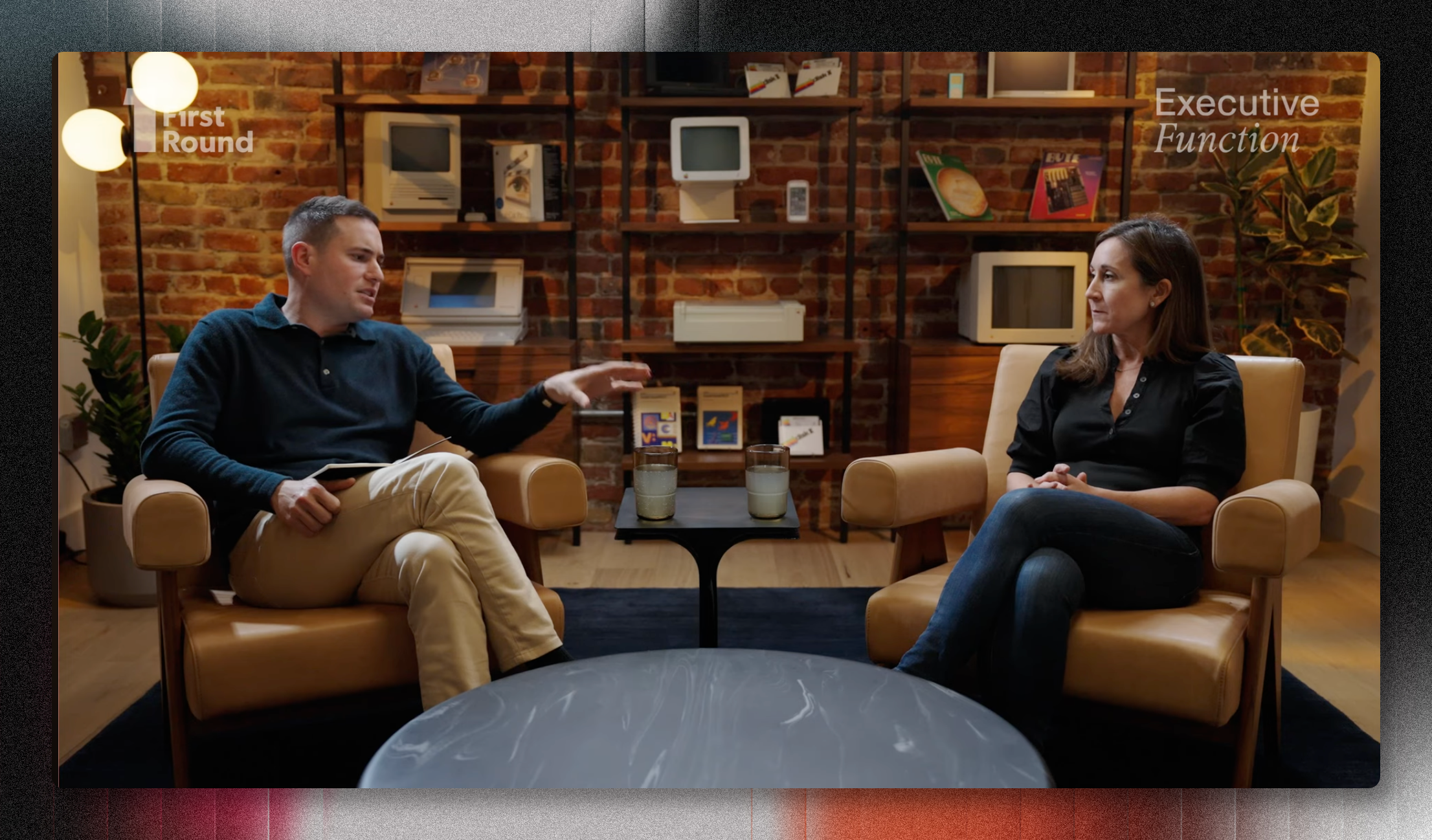
First Round Capital is a seed-stage firm managing a bit over $1 billion across multiple funds. They have run a well-known blog for more than a decade, and recently launched a new show, called Executive Function.
The Bank: Morgan Stanley
Morgan Stanley is…well…Morgan Stanley. They span investment banking, wealth management, and institutional securities.
They've got a new show called Hard Lessons.
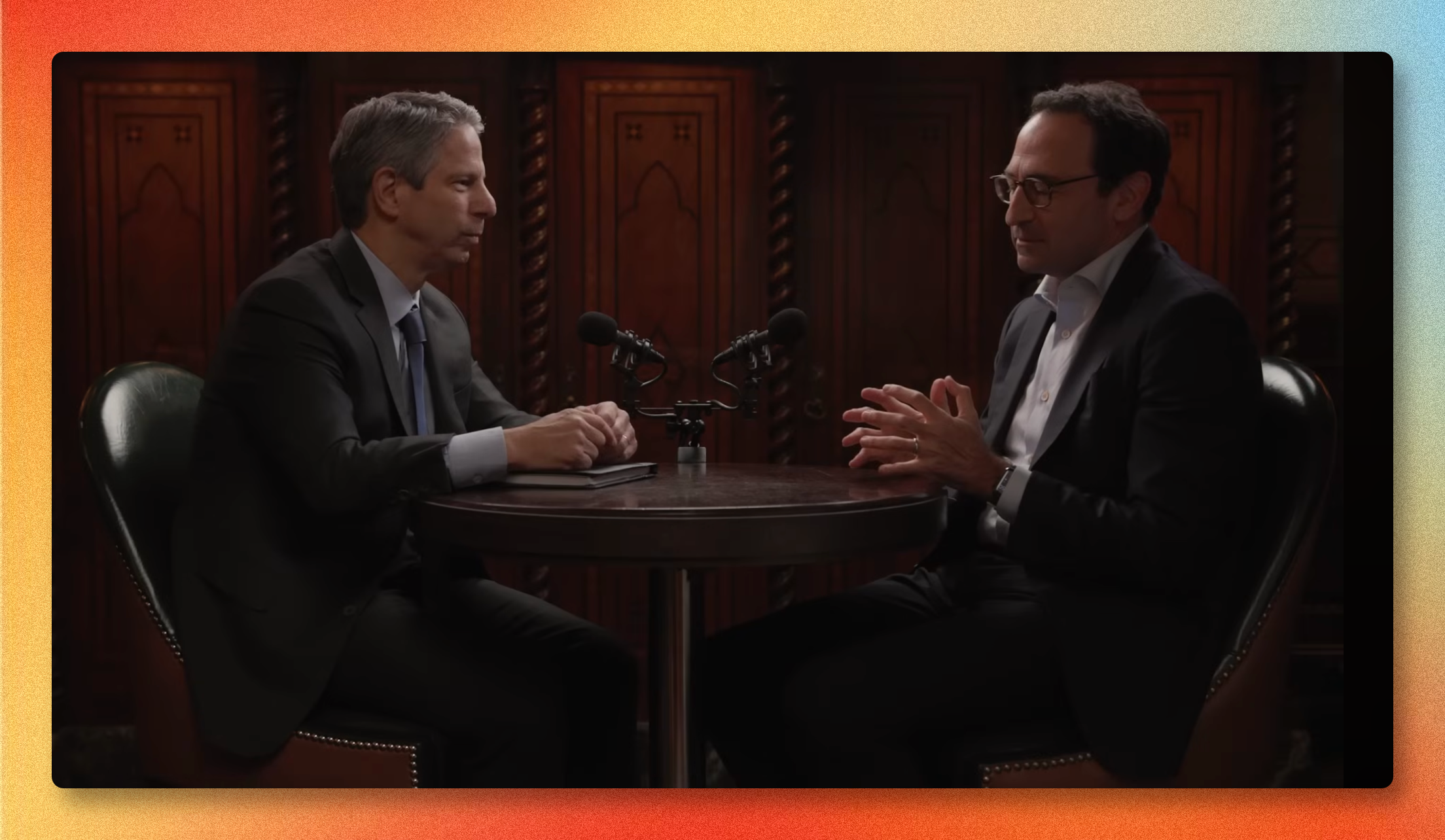
On top of that, Morgan Stanley has a slate of audio-only podcasts that cover all different sectors of the market featuring analysts and other leaders across the organization.
The Asset Manager: KKR
KKR (Kohlberg Kravis Roberts) is a global alternative asset manager best known for private‑equity buyouts, with businesses spanning private equity, credit, real assets, and infrastructure.

Selling Your Own Book

All of this ladders up to the need to expand on narrative capital. The set, the dynamics, and the conversations exist to reinforce a worldview and an atmosphere that the ideal viewer can inhabit and return to.
In finance this means publicly promoting ideas, assets, or positions you already hold to make them more valuable.
In VC, this looks like creating narratives and content that increase demand for what you’ve invested in—your fund’s thesis, portfolio, product category, or your own expertise.
This works because:
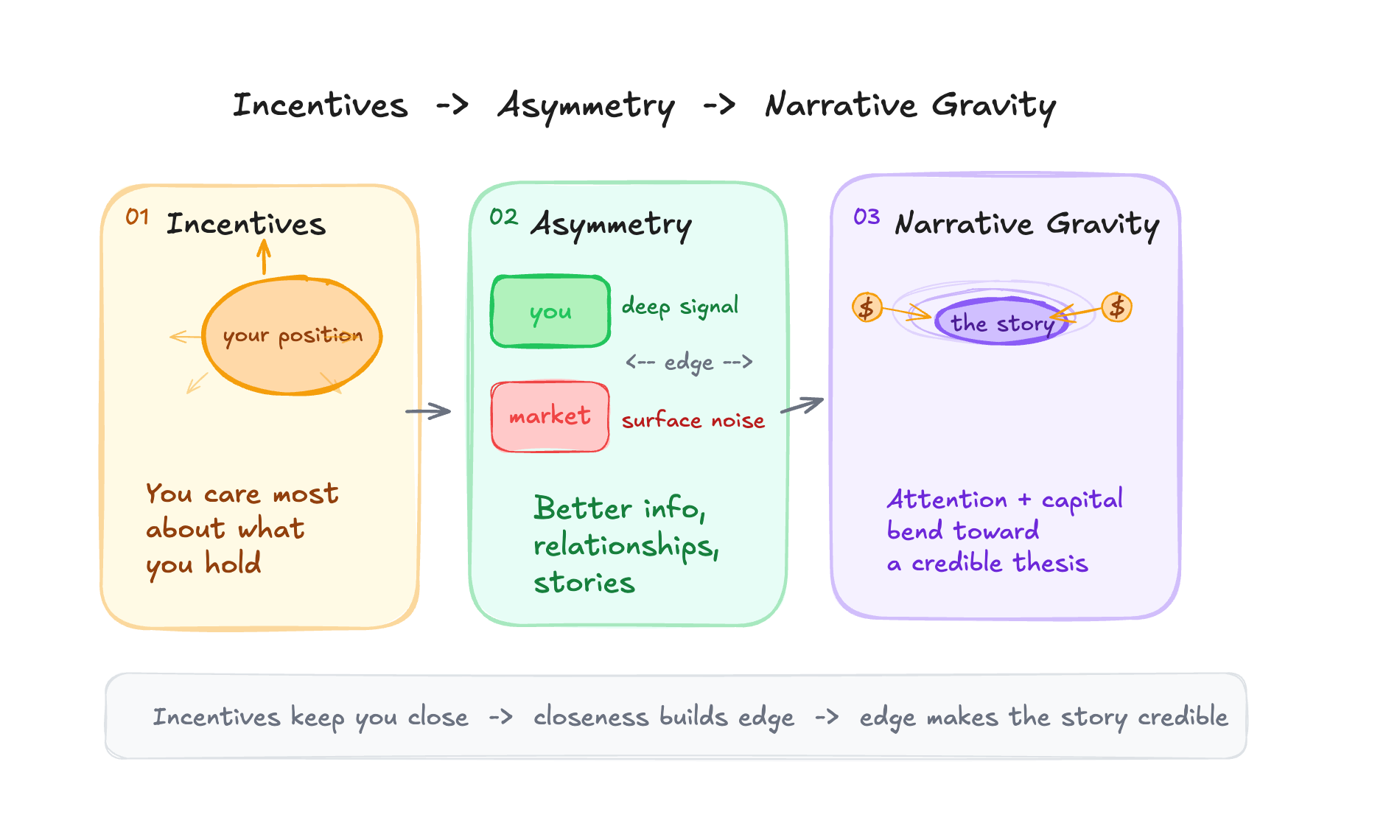
- Incentives: you care most about the things you’re personally long on (invested in).
- Asymmetry: you have better information, relationships, and stories around the positions you’ve taken, because you took them
- Narrative gravity: repeated, credible storytelling shapes how markets and audiences allocate attention and different forms of capital.
Put together, it starts to look like this:
That's why an editor is just as important as an investor right now. You might be able to say something that matters, but if you can't communicate it across a format and build resonance, it might never get to the person who needs to see it.